
Close Menu
    Facebook X (Twitter) Instagram
    SciTechDaily
    • Biology
    • Chemistry
    • Earth
    • Health
    • Physics
    • Science
    • Space
    • Technology
    Facebook X (Twitter) Pinterest YouTube RSS
    SciTechDaily
    Home»Space»NASA’s OSIRIS-REx Spacecraft Completes Osprey Flyover – But There Was a Problem
    Space

    NASA’s OSIRIS-REx Spacecraft Completes Osprey Flyover – But There Was a Problem

    By NASA's Goddard Space Flight CenterFebruary 14, 2020No Comments2 Mins Read
    Facebook Twitter Pinterest Telegram LinkedIn WhatsApp Email Reddit
    Share
    Facebook Twitter LinkedIn Pinterest Telegram Email Reddit
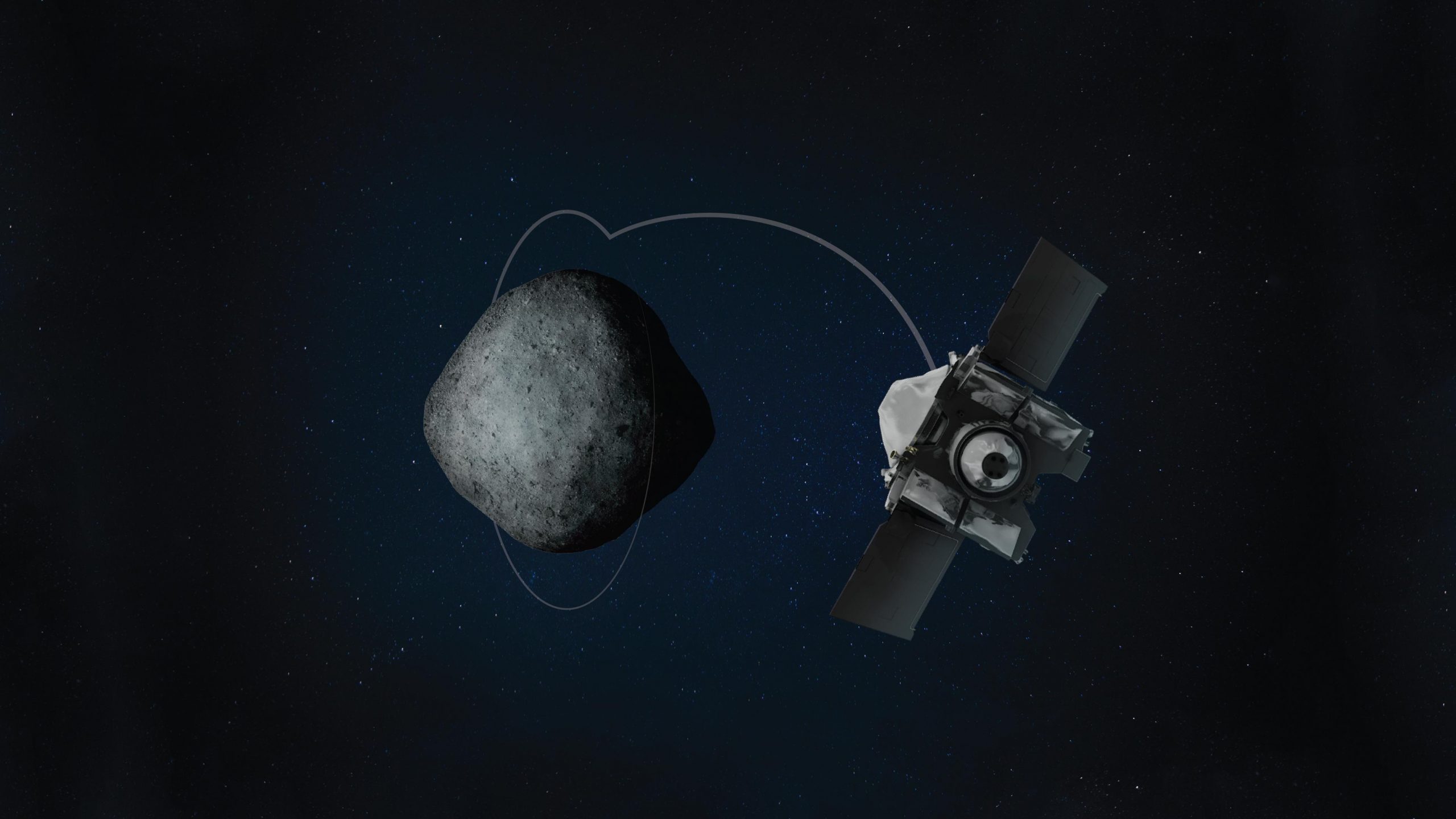
    OSIRIS REx Orbits Asteroid Bennu
    OSIRIS-REx orbits the asteroid Bennu. Credit: University of Arizona

    On February 11, 2020, NASA’s OSIRIS-REx spacecraft safely executed a 0.4-mile (620-m) flyover of the backup sample collection site Osprey as part of the mission’s Reconnaissance B phase activities. Preliminary telemetry, however, indicates that the OSIRIS-REx Laser Altimeter (OLA) did not operate as expected during the 11-hour event. The OLA instrument was scheduled to provide ranging data to the spacecraft’s PolyCam imager, which would allow the camera to focus while imaging the area around the sample collection site. Consequently, the PolyCam images from the flyover are likely out of focus.

    The other science instruments, including the MapCam imager, the OSIRIS-REx Thermal Emissions Spectrometer (OTES), and the OSIRIS-REx Visual and InfraRed Spectrometer (OVIRS), all performed nominally during the flyover. These instruments and the spacecraft continue in normal operations in orbit around asteroid Bennu.

    The mission team is currently reviewing the available data from the flyover in order to fully assess the OLA instrument. The entire data set from the flyover, including the PolyCam images, will be completely downlinked from the spacecraft next week and will provide additional insight into any impact that the loss of the OLA data may have.

    OLA has already completed all of its principal requirements for the OSIRIS-REx mission. Last year, OLA’s scans of Bennu’s surface were used to create the high-resolution 3D global maps of Bennu’s topography that were crucial for selecting the primary and backup sample collection sites last fall.

    Never miss a breakthrough: Join the SciTechDaily newsletter.
    Follow us on Google and Google News.

    Asteroid NASA NASA Goddard Space Flight Center OSIRIS-REx
    Share. Facebook Twitter Pinterest LinkedIn Email Reddit

    Related Articles

    NASA Uncovers Life’s Building Blocks in Asteroid Bennu’s Pristine Sample

    NASA’s Asteroid Sampling Spacecraft to Pursue Its First Practice Run

    Features on Asteroid Bennu Now Have Official Names – Based on Mythological Creatures

    OSIRIS-REx Swoops Over Sample Site Nightingale on Asteroid Bennu

    Closest Flyover of Asteroid Sample Site Nightingale Completed by OSIRIS-REx

    NASA Selects Nightingale Crater on Bennu for Asteroid Sample Collection

    Daring Rescue of Monumental Asteroid Mission – Here’s How Engineers Pulled It Off

    Asteroid Bennu’s Mysterious Particle Events Explained by NASA’s OSIRIS-REx [Video]

    NASA’s OSIRIS-REx Mission to Collect Asteroid Sample Moves Into Development Phase

    Leave A Reply Cancel Reply

    • Facebook
    • Twitter
    • Pinterest
    • YouTube

    Don't Miss a Discovery

    Subscribe for the Latest in Science & Tech!

    Trending News

    Scientists Say This Natural Hormone Reverses Obesity by Targeting the Brain

    35-Million-Year-Old Mystery: Strange Arachnid Discovered Preserved in Amber

    Is AI Really Just a Tool? It Could Be Altering How You See Reality

    JWST Reveals a “Forbidden” Planet With a Baffling Composition

    The Protein “Sabotaging” Aging Muscle Recovery Could Be Key to Surviving Aging

    This Diet–Gut Interaction Could Transform Fat Into a Calorie-Burning Machine

    Scientists Discover Hidden Virus Linked to Colorectal Cancer

    Scientists Discover 132-Million-Year-Old Dinosaur Tracks on South Africa’s Coast

    Follow SciTechDaily
    • Facebook
    • Twitter
    • YouTube
    • Pinterest
    • Newsletter
    • RSS
    SciTech News
    • Biology News
    • Chemistry News
    • Earth News
    • Health News
    • Physics News
    • Science News
    • Space News
    • Technology News
    Recent Posts
    • 500 Million Years Ago, Life Changed Forever: Scientists Reveal the DNA Changes That Helped Animals Move Onto Land
    • Surprise RNA Discovery Challenges Long-Held Beliefs About How Genes Work
    • Your IQ at 23 Could Predict Your Wealth at 27, Study Finds
    • 320 Light-Years Away, a Planet Confirms a Fundamental Cosmic Assumption
    • Astronomers Solve Decades-Long Mystery About Saturn’s Spin – “Something Strange Was Happening”
    Copyright © 1998 - 2026 SciTechDaily. All Rights Reserved.
    • Science News
    • About
    • Contact
    • Editorial Board
    • Privacy Policy
    • Terms of Use

    Type above and press Enter to search. Press Esc to cancel.