
Close Menu
    Facebook X (Twitter) Instagram
    SciTechDaily
    • Biology
    • Chemistry
    • Earth
    • Health
    • Physics
    • Science
    • Space
    • Technology
    Facebook X (Twitter) Pinterest YouTube RSS
    SciTechDaily
    Home»Health»New AI Model Can Detect Cancer Clues at Lightning Speed
    Health

    New AI Model Can Detect Cancer Clues at Lightning Speed

    By University of GothenburgJuly 22, 2024No Comments3 Mins Read
    Facebook Twitter Pinterest Telegram LinkedIn WhatsApp Email Reddit
    Share
    Facebook Twitter LinkedIn Pinterest Telegram Email Reddit
    Mass Spectrometer Sugar Molecules
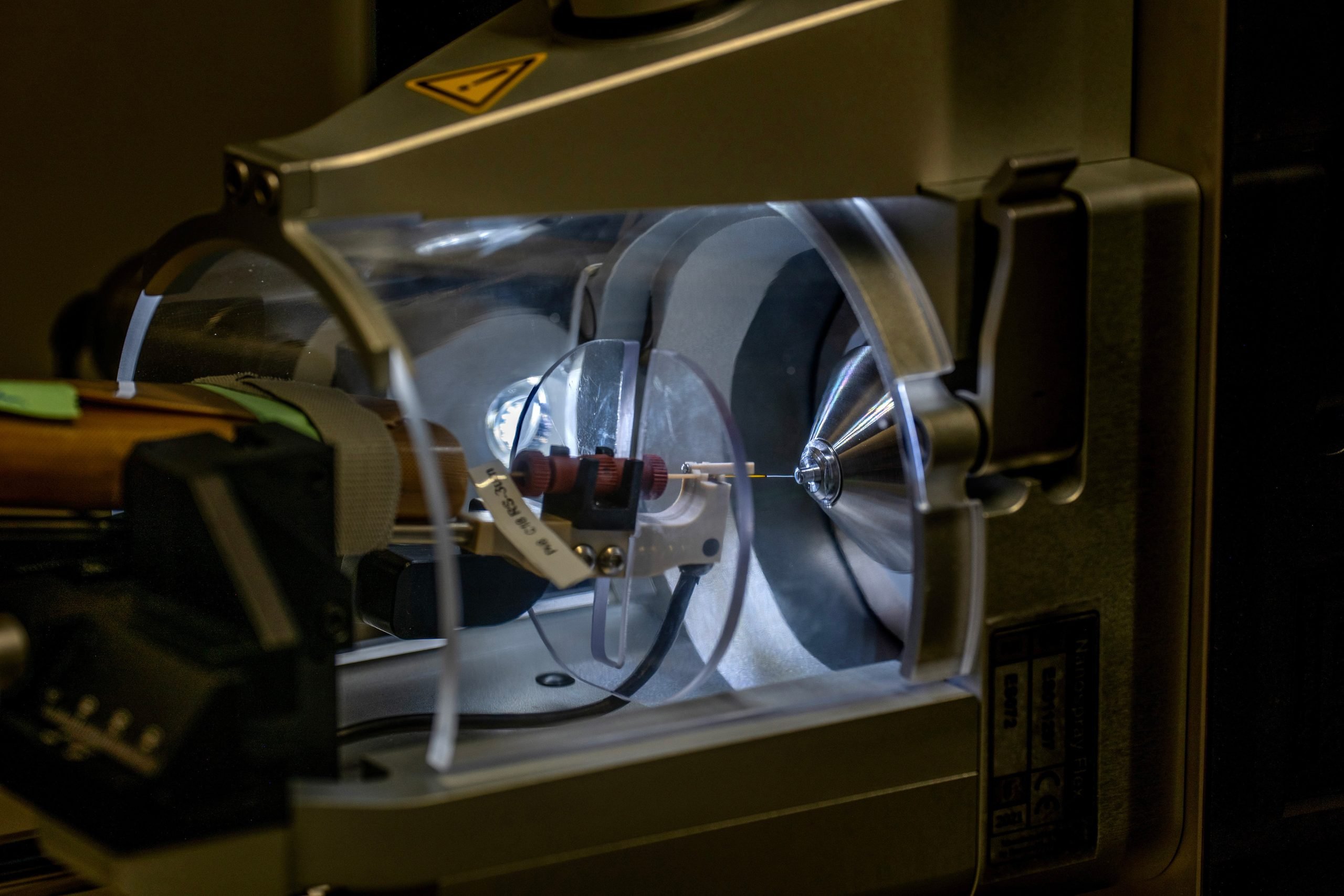
    The mass spectrometer can detect different structures of the sugar molecules, called glycans, in our cells. The structures can indicate different forms of cancer in the cells. Credit: Lundberg Research Foundation/Magnus Gotander

    Researchers at the University of Gothenburg have created an AI model that enhances cancer detection capabilities through sugar analysis. This AI model outperforms the existing semi-manual techniques in speed and accuracy in identifying abnormalities.

    Mass spectrometry can be used to measure glycans, which are sugar molecule structures in our cells. These structures can reveal the presence of various types of cancer within the cells.

    However, the data from the mass spectrometer measurement must be carefully analyzed by humans to work out the structure from the glycan fragmentation. This process can take anywhere from hours to days for each sample and can only be carried out with high confidence by a small number of experts in the world, as it is essentially detective work learned over many years.

    Automating the detective work

    The process is thus a bottleneck in the use of glycan analyses, for example for cancer detection, when there are many samples to be analyzed. Researchers at the University of Gothenburg have developed an AI model to automate this detective work. The AI model, named Candycrunch, solves the task in just a few seconds per test. The results are reported in a scientific article in the journal Nature Methods.
    Daniel Bojar
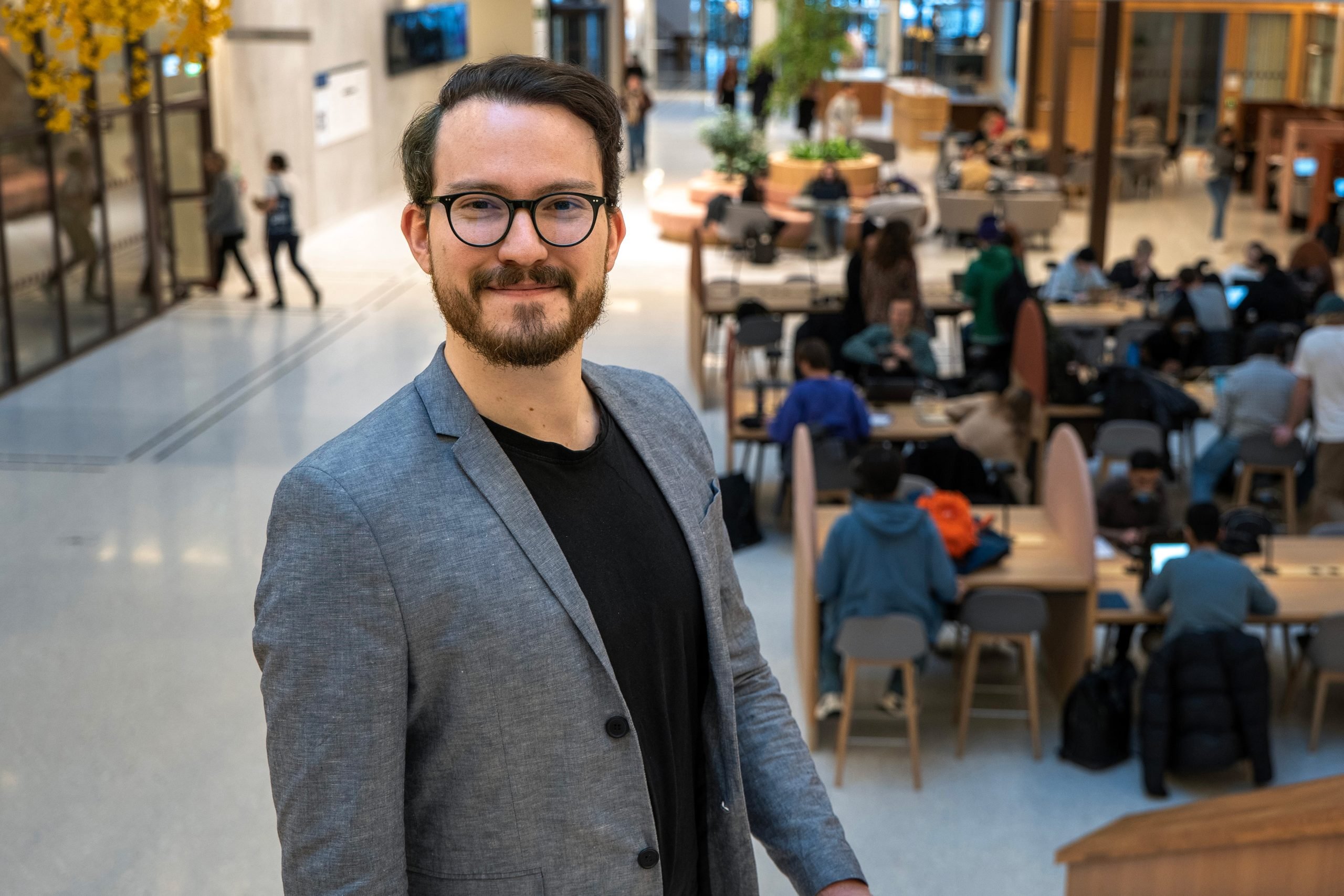
    Daniel Bojar, Associate Senior Lecturer in Bioinformatics at the University of Gothenburg. Credit: Lundberg Research Foundation/Magnus Gotander

    The AI model was trained using a database of over 500,000 examples of different fragmentations and associated structures of sugar molecules.

    “The training has enabled Candycrunch to calculate the exact sugar structure in a sample in 90 percent of cases,” says Daniel Bojar, Associate Senior Lecturer in Bioinformatics at the University of Gothenburg.

    Can find new biomarkers

    This means that the AI model could soon reach the same levels of accuracy as the sequencing of other biological sequences, such as DNA, RNA, or proteins. Because the AI model is so fast and accurate in its answers, it can accelerate the discovery of glycan-based biomarkers for both diagnosis and prognosis of the cancer.

    “We believe that glycan analyses will become a bigger part of biological and clinical research now that we have automated the biggest bottleneck,” says Daniel Bojar.

    The AI model Candycrunch is also able to identify structures that are often missed by human analyses due to their low concentrations. The model can therefore help researchers to find new glycan-based biomarkers.

    Reference: “Predicting glycan structure from tandem mass spectrometry via deep learning” by James Urban, Chunsheng Jin, Kristina A. Thomsson, Niclas G. Karlsson, Callum M. Ives, Elisa Fadda and Daniel Bojar, 1 July 2024, Nature Methods.
    DOI: 10.1038/s41592-024-02314-6

    Never miss a breakthrough: Join the SciTechDaily newsletter.
    Follow us on Google and Google News.

    Artificial Intelligence Biomarkers Cancer University of Gothenburg
    Share. Facebook Twitter Pinterest LinkedIn Email Reddit

    Related Articles

    In the Near Future, a Little Saliva May Be Enough To Detect Cancer

    New Blood Test Detects Childhood Tumors Based on Their Epigenetic Profiles

    Artificial Intelligence Program Accurately Predicts Lung Cancer Risk

    MIT Mirai: Robust Artificial Intelligence Tools To Predict Future Cancer

    Artificial Intelligence Predicts Drug Combinations That Kill Cancer Cells More Effectively

    New Artificial Intelligence Tool Improves Breast Cancer Detection on Mammography

    Artificial Intelligence Identifies Prostate Cancer With Near-Perfect Accuracy

    Study Reveals E-Cigarette Users Smoke Less and Increase Quit Attempts

    Study Shows Aspirin Use Lowers the Risk of Pancreatic Cancer

    Leave A Reply Cancel Reply

    • Facebook
    • Twitter
    • Pinterest
    • YouTube

    Don't Miss a Discovery

    Subscribe for the Latest in Science & Tech!

    Trending News

    Scientists Say This Hellish “Day-Night” Planet May Support Life

    Historians Got It Wrong: New Findings Rewrite the Story of the Battle of Hastings

    Scientists Just Broke the Solar Power Limit Everyone Thought Was Absolute

    Scientists Discover Protein That Turns Brown Fat Into a Calorie-Burning Machine

    Scientists Call for a Complete Rethink of Alzheimer’s Treatment

    Scientists Identify Molecular Switch That Lets Exercise Reverse Muscle Aging

    Why Your Most Vivid Dreams Might Be the Key to Deep, Restful Sleep

    A Bright Star Hid a Massive Secret for 50 Years: Mystery of Gamma Cassiopeiae Finally Solved

    Follow SciTechDaily
    • Facebook
    • Twitter
    • YouTube
    • Pinterest
    • Newsletter
    • RSS
    SciTech News
    • Biology News
    • Chemistry News
    • Earth News
    • Health News
    • Physics News
    • Science News
    • Space News
    • Technology News
    Recent Posts
    • New Carbon Nanotube Coating Could Supercharge 6G Technology
    • Scientists Smash Superconductivity Record at Normal Pressure
    • 100x Less Power: The Breakthrough That Could Solve AI’s Massive Energy Crisis
    • Simple Brain Training Cuts Dementia Risk Decades Later, Study Finds
    • A Simple Injection Could Help the Heart Heal Itself After a Heart Attack
    Copyright © 1998 - 2026 SciTechDaily. All Rights Reserved.
    • Science News
    • About
    • Contact
    • Editorial Board
    • Privacy Policy
    • Terms of Use

    Type above and press Enter to search. Press Esc to cancel.