
Close Menu
    Facebook X (Twitter) Instagram
    SciTechDaily
    • Biology
    • Chemistry
    • Earth
    • Health
    • Physics
    • Science
    • Space
    • Technology
    Facebook X (Twitter) Pinterest YouTube RSS
    SciTechDaily
    Home»Health»Study Shows Aspirin Use Lowers the Risk of Pancreatic Cancer
    Health

    Study Shows Aspirin Use Lowers the Risk of Pancreatic Cancer

    By Jennifer Kaylin, Yale UniversityJanuary 9, 2017No Comments3 Mins Read
    Facebook Twitter Pinterest Telegram LinkedIn WhatsApp Email Reddit
    Share
    Facebook Twitter LinkedIn Pinterest Telegram Email Reddit
    Aspirin Lowers Risk of Pancreatic Cancer
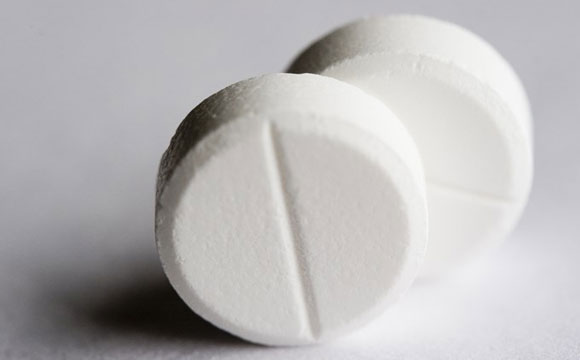
    New research shows that regular use of aspirin lowers the risk of pancreatic cancer by almost 50 percent.

    New research led by the Yale School of Public Health shows that regular use of aspirin lowers the risk for pancreatic cancer by almost 50 percent.

    Researchers studied patients with newly diagnosed pancreatic cancer at 37 Shanghai hospitals from December 2006 to January 2011. The 761 patients were interviewed in person about their use of aspirin per day or week and their ages when the use started and stopped. They were matched with control patients identified from the Shanghai Residents Registry.

    “This is a significant finding and helps to understand the development of pancreatic cancer,” said lead author Harvey Risch, M.D., Ph.D., professor at the Yale School of Public Health in the Department of Chronic Disease Epidemiology. “There is evidence accumulating that aspirin use slows the development of precancerous changes in the pancreas.”

    The study is published in the journal Cancer Epidemiology, Biomarkers & Prevention.

    Pancreatic cancer is especially lethal. It is not easily detectable, and there aren’t effective treatments for the majority of patients, who often live less than a year after being diagnosed. According to the American Cancer Society, an estimated 53,070 people in the United States alone were diagnosed with pancreatic cancer in 2016 and 41,780 will have died from the disease.

    According to the Cancer Treatment Centers of America, 15 percent of patients diagnosed with pancreatic cancer between 2000 and 2011 survived 1.5 years after diagnosis. The estimated survival rate at six months is only 57 percent.

    Shanghai study participants defined as “ever-regular users of aspirin,” had a significantly lower risk for pancreatic cancer. The analysis found that the risk for pancreatic cancer decreased by 8 percent for each cumulative year of aspirin use. However, it also found that compared to continuing use, quitting aspirin within the last two years was associated with more than double the risk for pancreatic cancer.

    The study also evaluated 20 scientific research studies that have examined the association, to find that the odds ratio for regular use of aspirin and pancreatic cancer risk has decreased by 2.3 percent per year through to the present day. This suggests that during the last two decades, as the population’s use of aspirin has increased, the effect of aspirin in decreasing pancreatic cancer risk has become more pronounced.

    Although the study provides evidence for the beneficial effect of aspirin use on the risk of pancreatic cancer, there were limitations, most notably that it relied on participants accurately self-reporting past aspirin use, the researchers said.

    Risch authored the paper with Drs. Lingeng Lu and Samantha Streicher of the Yale School of Public Health and colleagues from Wren Laboratories in Branford, Conn.; the University of Hawaii Cancer Center; Fudan University Shanghai Cancer Center; and the Shanghai Jiaotong University School of Medicine.

    Reference: “Aspirin Use and Reduced Risk of Pancreatic Cancer” by Harvey A. Risch, Lingeng Lu, Samantha A. Streicher, Jing Wang, Wei Zhang, Quanxing Ni, Mark S. Kidd, Herbert Yu and Yu-Tang Gao, 8 January 2017, CEBP.
    DOI: 10.1158/1055-9965.EPI-16-0508

    Never miss a breakthrough: Join the SciTechDaily newsletter.
    Follow us on Google and Google News.

    Biomarkers Cancer Disease Epidemiology Yale University
    Share. Facebook Twitter Pinterest LinkedIn Email Reddit

    Related Articles

    Yale Study Finds Racial Differences in Smoking Patterns

    Yale Study Links Depression During Pregnancy to Risky Postpartum Sexual Behavior

    Fewer Doses of Prophylaxis Provides Near-Optimal Protection Against RSV

    Yale Study Shows HIV Protease Inhibitors Also Offer Protection Against Malaria

    Yale Researchers Develop Method to Attack Cancer at Its Source

    Targeted Isolation May Be the Most Effective Way to Reduce Transmission of Ebola

    Tick-Borne Infection Borrelia Miyamotoi Discovered in the United States

    Unique Drug Combinations Show Positive Results in Fighting Late-Stage Melanoma

    New Antibody Drug Boosts the Immune System’s Capacity to Fight Cancer

    Leave A Reply Cancel Reply

    • Facebook
    • Twitter
    • Pinterest
    • YouTube

    Don't Miss a Discovery

    Subscribe for the Latest in Science & Tech!

    Trending News

    Even Occasional Binge Drinking May Triple Liver Damage Risk

    Liftoff! NASA’s Artemis II Launch Sends Astronauts Around the Moon for First Time in 50 Years

    Scientists Discover New Way To Eliminate “Zombie Cells” Driving Aging

    This New Quantum Theory Could Change Everything We Know About the Big Bang

    This One Vitamin May Help Protect Your Brain From Dementia Years Later

    Stopping Weight-Loss Drugs Like Ozempic Can Quickly Erase Heart Benefits

    A 500-Million-Year-Old Surprise Is Forcing Scientists to Rethink Spider Evolution

    Coffee and Blood Pressure: What You Need To Know Before Your Next Cup

    Follow SciTechDaily
    • Facebook
    • Twitter
    • YouTube
    • Pinterest
    • Newsletter
    • RSS
    SciTech News
    • Biology News
    • Chemistry News
    • Earth News
    • Health News
    • Physics News
    • Science News
    • Space News
    • Technology News
    Recent Posts
    • Atomic Chains Turn Electric Fields into Measurable Quantum Signals
    • 12,000-Year-Old Native American Dice Rewrite the History of Gambling
    • Researchers Break a 150-Year-Old Math Law With a Surprising Donut Discovery
    • Are You Adding Too Much Salt? New Study Identifies Who’s Most at Risk
    • Scientists Finally Crack Decades-Old Mystery Behind Statins’ Painful Side Effects
    Copyright © 1998 - 2026 SciTechDaily. All Rights Reserved.
    • Science News
    • About
    • Contact
    • Editorial Board
    • Privacy Policy
    • Terms of Use

    Type above and press Enter to search. Press Esc to cancel.