
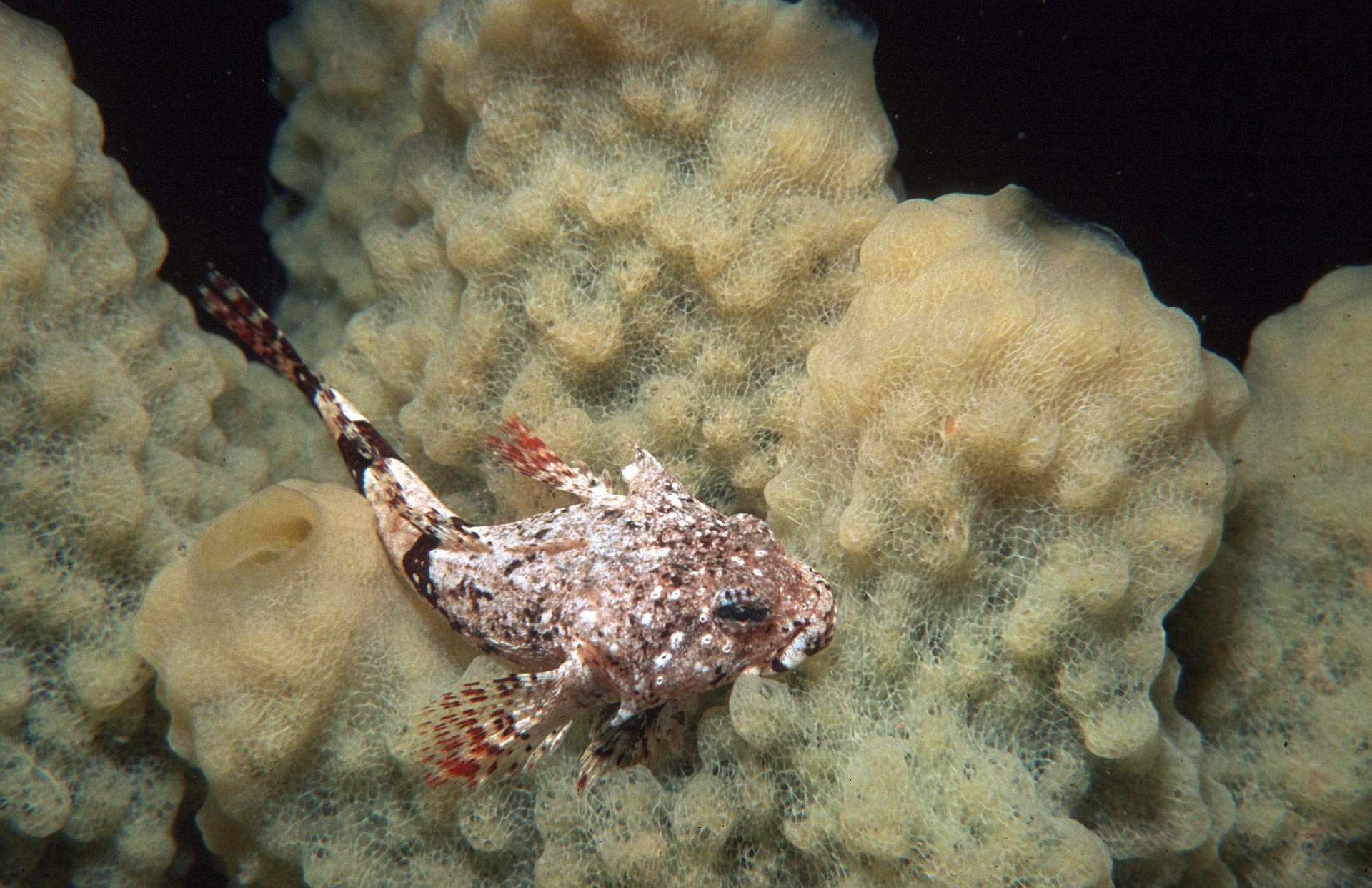
Antarctic fish, adapted to freezing waters, grow slower than temperate species due to inefficient protein production, making them vulnerable to rising ocean temperatures.
Antarctic fish have adapted over millennia to survive in the freezing temperatures of the Southern Ocean.
However, in doing so, they have lost their ability to grow at rates seen in their warmer water cousins, even when they are now held at the same water temperature, a new study suggests.
Comparative Study of Protein Metabolism
The research, conducted by scientists at the University of Plymouth and the British Antarctic Survey, focused on two species – the Antarctic spiny plunderfish (Harpagifer antarcticus) and the shanny (Lipophyrs pholis), also known as the common blenny.
The Antarctic fish consumed around 20% less food than the species from temperate waters and grew at about half the rate, even when the two ecologically similar species were held at the same water temperature.
These new findings show that fish living at Antarctic water temperatures have greatly increased the amount of cellular machinery they have to make proteins – but still can’t make proteins at the same rate as warmer water species – while the rates at which polar and temperate fish break down protein is very similar
In turn, this means in Antarctic fish the ability to translate new proteins into physical growth has been drastically reduced.
Evolutionary Trade-offs and Survival Challenges
As a result, the researchers say, it seems likely that an evolutionary trade-off for being able to survive at polar water temperatures has been a greatly reduced ability to grow as efficiently, or rapidly, as warmer water fish.
In turn, this has important implications for exposure to predation and how many years it might take to reach sexual maturity.
Published in Royal Society Open Science, the study is the first of its kind to assess how Antarctic fish make and store protein as growth compared to those from temperate waters.
It also provides one of the largest comparative studies of protein metabolism, growth, and food consumption in fish across a wide range of biologically relevant habitat temperatures.
Impact of Climate Change on Antarctic Fish
Dr. Keiron Fraser, Lecturer in Marine Conservation at the University of Plymouth and the study’s lead author, said: “Antarctic fish are highly thermally constrained and cannot live long-term at temperatures much above those that they currently inhabit. In contrast, many temperate species are more tolerant of a wide range of temperatures as they often inhabit extensive latitudinal ranges. Our data shows that the rates of growth and protein metabolism in an Antarctic species are significantly lower than in the temperate species, even when held at the same water temperature. As ocean temperatures increase with global warming, it is a timely reminder of the differences in species that have evolved to live at widely different temperatures. If Antarctic fish are increasingly exposed to higher temperatures, it will have implications for their survival, as well as effects on many critical physiological processes, including growth.”
Professor Lloyd Peck, lead physiologist on animal adaptations in extreme environments from the British Antarctic Survey, added: “There is unexpectedly high biodiversity on the seabed in Antarctica, with estimates of around 20,000 species living there. So far all of the species studied have great problems making proteins and it seems this is a ubiquitous constraint on life at low temperature. There are many other unique adaptations in Antarctic marine species, such as 16 species of fish that are the only animals with backbones that do not have red blood cells or hemoglobin to carry oxygen around their bodies, or giant sea spiders thousands of times heavier than the largest in temperate zones. As well as the issues with making proteins, many of these other adaptations might make life easier in an environment with constant low temperatures, but they also appear to reduce abilities to survive in changing environments, which makes the future prospects for many Antarctic marine species bleak.”
Reference: “Life in the freezer: protein metabolism in Antarctic fish” by Keiron P. P. Fraser, Lloyd S. Peck, Melody S. Clark, Andrew Clarke and Simeon L. Hill, 9 March 2022, Royal Society Open Science.
DOI: 10.1098/rsos.211272
Never miss a breakthrough: Join the SciTechDaily newsletter.
Follow us on Google and Google News.