
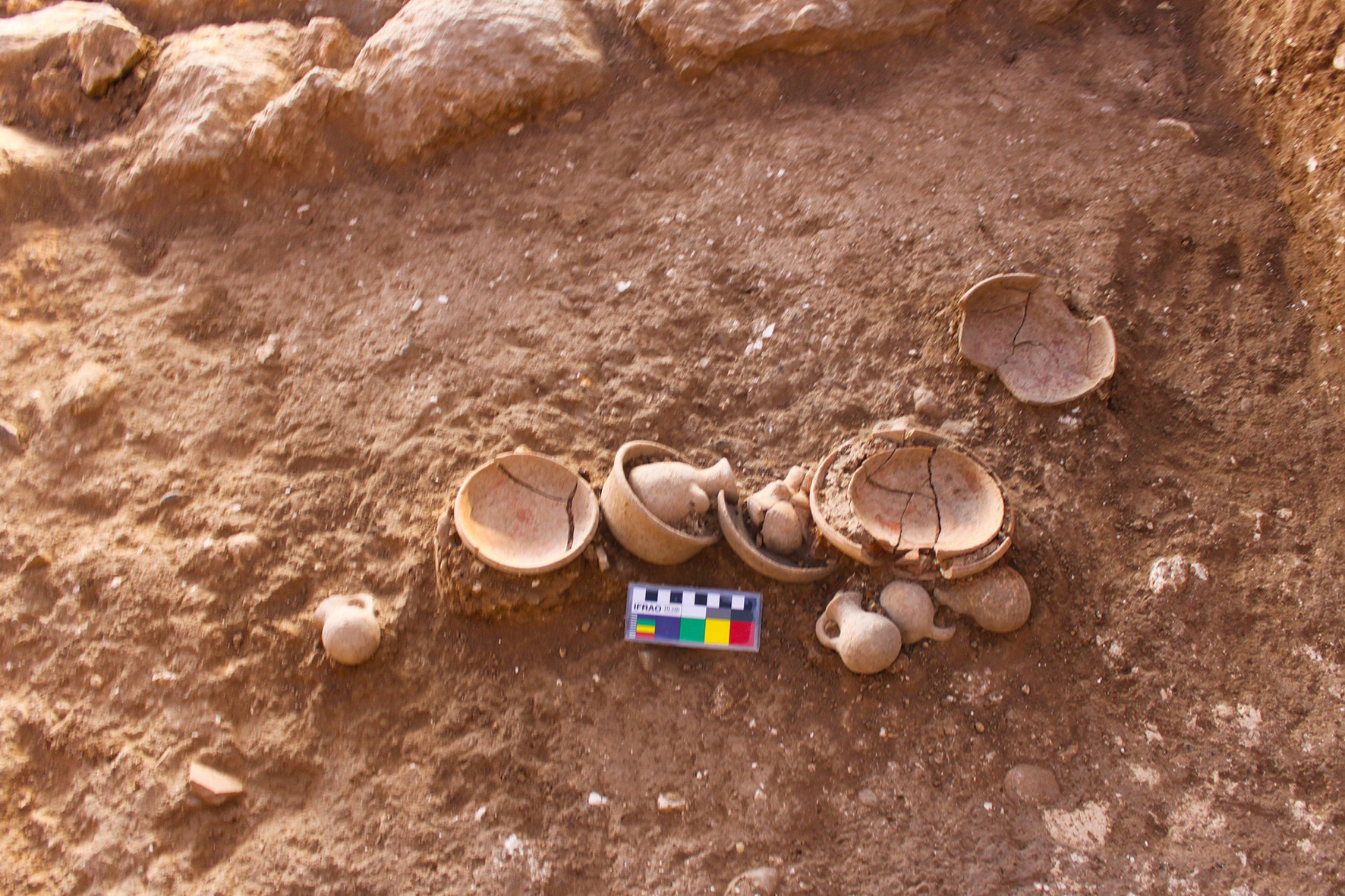
The mysterious Philistine civilization, thriving in the Iron Age (around 1200-604 BCE), significantly influenced the cultural heritage, farming practices, and eating habits of the southern Levant. Over twenty-five years of archaeological digs at Tell es-Safi/Gath, located in central Israel and believed to be Gath of the Philistines from the Bible—the giant Goliath’s hometown—have provided a unique window into the world of this ancient civilization.
In the systematic excavation project of the temple area in the lower city of Gath, a team from Bar-Ilan University in Israel, led by Prof. Aren Maeir (archaeology) and Prof. Ehud Weiss (archaeobotany), has overseen the reconstruction of the plants used in Philistine rituals. Tel Zafit (Gath of the Philistines) is a national park under the auspices of the Israel Nature and Parks Authority.
Philistine Religious Practices Unveiled
While many aspects of Philistine culture are well-documented, the specifics of Philistine religious practices and deities have long remained shrouded in mystery. The study by Frumin et al. on “Plant-Related Philistine Ritual Practices at Biblical Gath,” recently published in Scientific Reports, contributes valuable new data to our understanding of the Philistine’s ritual practices. The discovery of numerous plants in two temples unearthed at the site unraveled unprecedented insights into Philistine cultic rituals and beliefs – their temple food ingredients, timing of ceremonies, and plants for temple decoration.
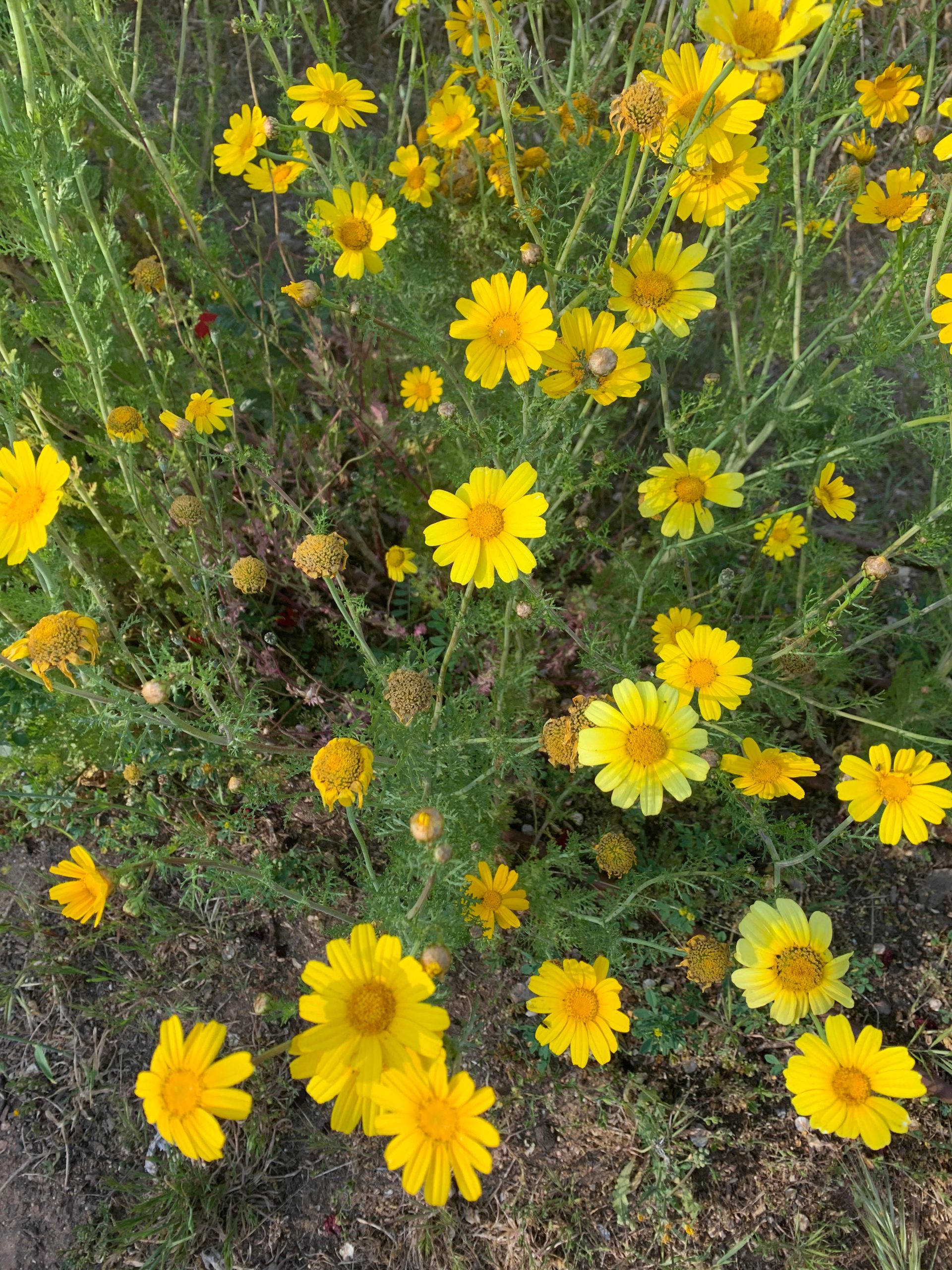
Dr. Suembikya Frumin, under Prof. Ehud Weiss’s supervision, studied Philistine plant use in their temples as part of her PhD project. Together with Dr. Amit Dagan, Maria Eniukhina, and Prof. Aren Maeir, they delved into the plant assemblages discovered within the temples’ precincts, uncovering a wealth of information regarding the significance of various plant species in Philistine religious rituals. Through meticulous examination and quantitative and qualitative analysis of the types of plants used, the timing of their harvest, modes of offering, and potential symbolic significance, the researchers pieced together a clearer picture of the Philistine approach to spirituality.
Significant Findings and Connections to Mediterranean Deities
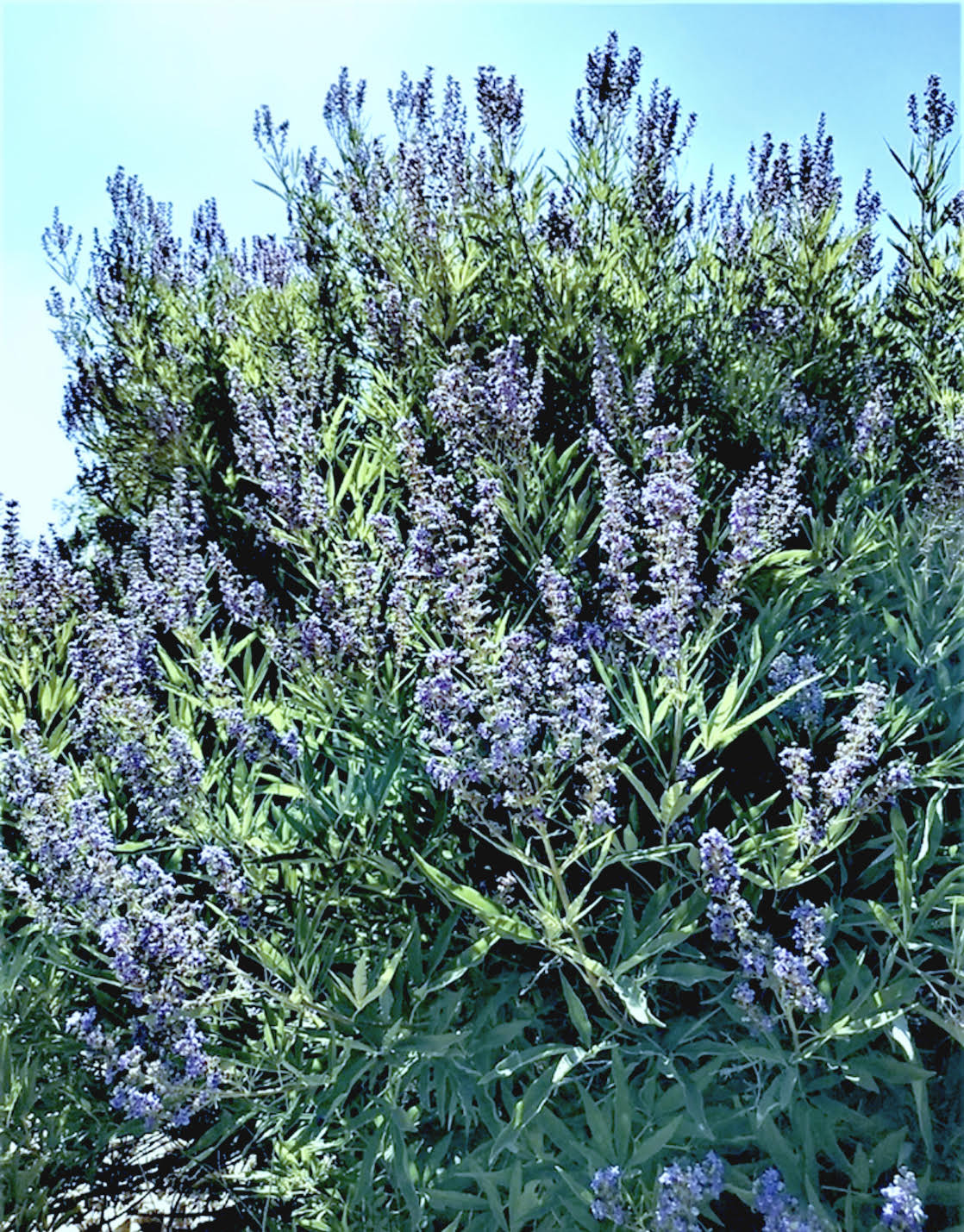
Dr. Suembikya Frumin, manager of the Archaeobotany Laboratory at Bar-Ilan University and the study’s lead researcher, noted, “One of the most significant findings is the identification of earliest known ritual uses of several Mediterranean plants, such as the lilac chaste tree (Vitex agnus-castus), crown daisy (Glebionis coronaria), and silvery scabious (Lomelosia argentea). These widespread Mediterranean plants connect Philistines with cultic rituals, mythology and paraphernalia related to early Greek deities, such as Hera, Artemis, Demeter, and Asclepios. In addition, plants with psychoactive and medicinal properties in the Philistine temples reveal their use for cultic activities. The study revealed that the Philistine religion relied on the magic and power of nature, such as running water and seasonality, aspects that influence human health and life.”
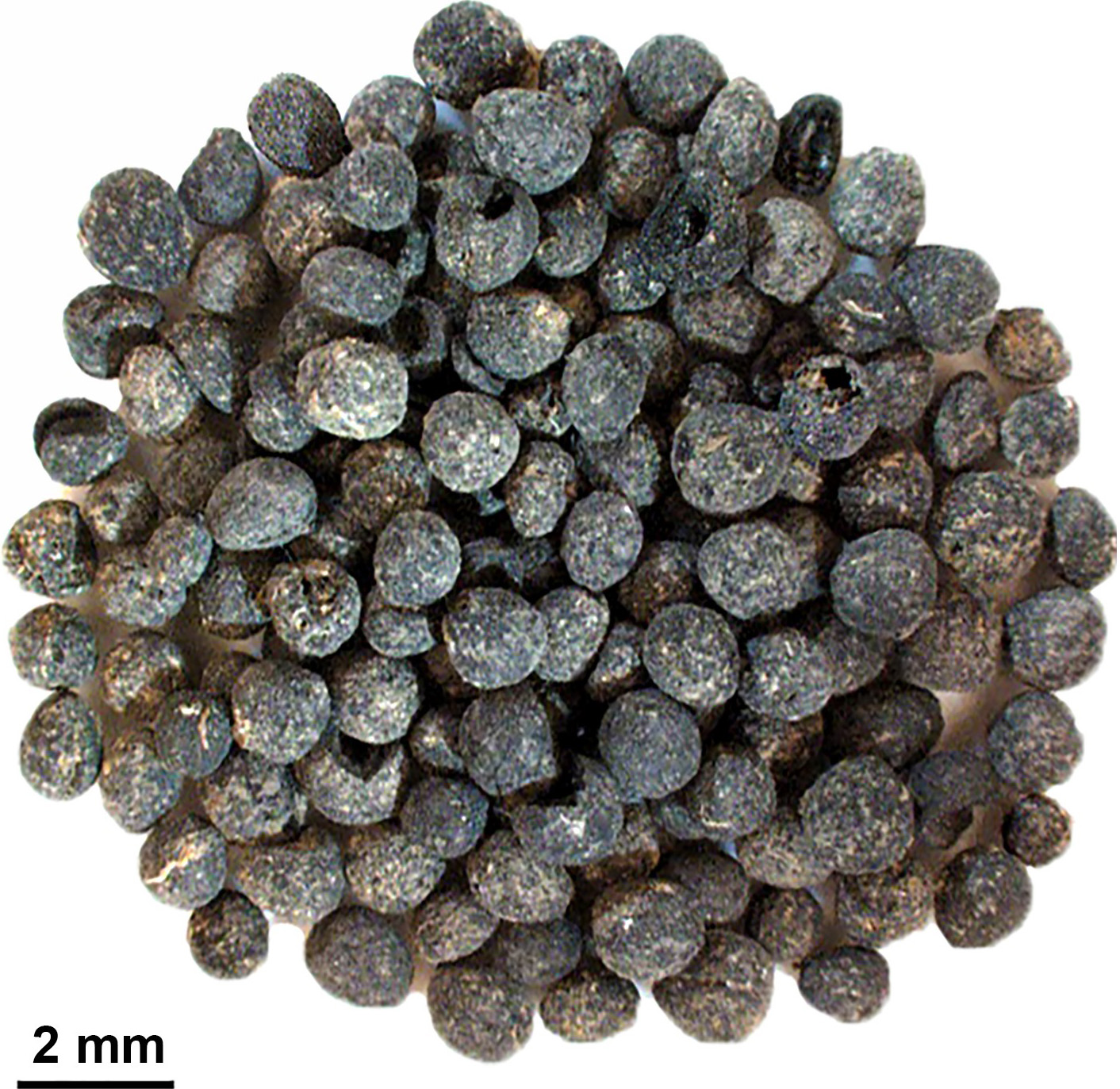
Photograph of Chaste tree fruits produced using stereoscopic light microscope Olympus SZ×10 DP73 and digital scanning using cellSens Dimension 1.9 program, Adobe Photoshop 2024 was used for background editing. Credit: Dr. Suembikya Frumin
Moreover, analysis of the temples’ seeds and fruits provided valuable insights into the timing of rituals, with the importance of the early spring for temple rites, and the date of the final utilization of the temples — and their destruction by Hazael of Aram – which occurred in late summer or early fall. The seasonal aspect of Philistine religious practices underscores their deep connection to the natural worlds and the cycles of agriculture.
Cultural Exchanges and Future Research Directions
Prof. Ehud Weiss, Director the Archaeobotany Laboratory at Bar-Ilan University and co-author of the study, commented, “Our findings challenge previous understandings of Philistine ritual practices and offer a fresh perspective on their cultural practices, and the connections between Philistine culture and broader Mediterranean religious traditions. By examining the plants they used in ritual contexts, we better understand how the Philistines perceived and interacted with the world around them.”
Furthermore, the study proposes intriguing parallels between Philistine and Aegean ceremonial practices. The discovery of loom weights (an apparatus used for fabric production) within Philistine temples, a common feature in Aegean cult locations associated with Hera, further strengthens the hypothesis of cultural exchange and influence between the two regions.
“These findings open up new avenues for research into the cultural and religious interactions between the Philistines and neighboring regions,” added study co-author Prof. Aren Maeir, of Bar-Ilan University’s Martin (Szusz) Department of Land of Israel Studies and Archaeology, who has directed the excavations at Tell es-Safi/Gath for more than 25 years. “By employing advanced quantitative and qualitative analyses of plant assemblages, we have deepened our understanding of ancient cultic practices and their significance in the broader Mediterranean world.”
“This new data indicates knowledgeable activity by temple personnel regarding the use of plants with mood-affecting features. Our method of quantitative and qualitative analysis of total plant assemblage should be highly relevant for analyzing other ancient cults and for the study of the cultural and cultic history of the region and beyond,” concluded Dr. Frumin.
Reference: “Plant-related Philistine ritual practices at biblical Gath” by Suembikya Frumin, Aren M. Maeir, Maria Eniukhina, Amit Dagan and Ehud Weiss, 12 February 2024, Scientific Reports.
DOI: 10.1038/s41598-024-52974-9
Never miss a breakthrough: Join the SciTechDaily newsletter.
Follow us on Google and Google News.