

For years, scientists questioned whether a widely used flu drug or the influenza virus itself was responsible for rare but serious neuropsychiatric events in children. A large new study now challenges that concern.
For many years, clinicians have questioned whether an antiviral drug commonly prescribed to children with influenza might trigger neuropsychiatric symptoms, or whether those effects were actually caused by the illness itself.
A new investigation from researchers at Monroe Carell Jr. Children’s Hospital at Vanderbilt challenges that assumption and revisits concerns surrounding oseltamivir, widely known as Tamiflu.
The study, published in JAMA Neurology, found that children who received oseltamivir during influenza infections experienced a lower risk of serious neuropsychiatric complications, including seizures, altered mental status, and hallucination.
“Our findings demonstrated what many pediatricians have long suspected, that the flu, not the flu treatment, is associated with neuropsychiatric events,” said principal investigator James Antoon, MD, PhD, MPH, assistant professor of Pediatrics in the Division of Pediatric Hospital Medicine at Monroe Carell. “In fact, oseltamivir treatment seems to prevent neuropsychiatric events rather than cause them.”
Key points:
- Influenza itself was associated with an increase in neuropsychiatric events compared to children with no influenza, regardless of oseltamivir use.
- Among children with influenza, those treated with oseltamivir had about 50% reduction in neuropsychiatric events.
- Among children without influenza, those who were treated with oseltamivir prophylactically had the same rate of events as the baseline group with no influenza.
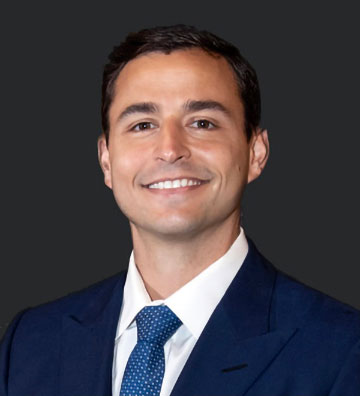
Principal investigator James Antoon, MD, PhD, MPH. Credit: Vanderbilt University Medical Center
“Taken together, these three findings do not support the theory that oseltamivir increases the risk of neuropsychiatric events,” said Antoon. “It’s the influenza.”
Large-Scale Pediatric Data Analysis
The team reviewed the de-identified data from a cohort of children and adolescents ages 5-17 who were enrolled in Tennessee Medicaid between July 1, 2016, and June 30, 2020.
During the four-year period, 692,295 children, with a median age of 11 years, were included in the study cohort. During follow-up, study children experienced 1,230 serious neuropsychiatric events (898 neurologic and 332 psychiatric).
The clinical outcomes definition included both neurologic (seizures, encephalitis, altered mental status, ataxia/movement disorders, vision changes, dizziness, headache, sleeping disorders) and psychiatric (suicidal or self-harm behaviors, mood disorders, psychosis/hallucination) events.
Implications for Flu Season and Clinical Care
“The 2024-2025 influenza season highlighted the severity of influenza-associated neurologic complications, with many centers reporting increased frequency and severity of neurologic events during the most recent season,” said Antoon. “It is important for patients and families to know the true risk-benefit profile of flu treatments, such as oseltamivir, that are recommended by the American Academy of Pediatrics.”
“These flu treatments are safe and effective, especially when used early in the course of clinical disease,” added senior author Carlos Grijalva, MD, MPH, professor of Health Policy and Biomedical Informatics at Vanderbilt University Medical Center.
Investigators hope the findings will provide reassurance to both caregivers and medical professionals about the safety of oseltamivir and its role in preventing flu-associated complications.
Reference: “Influenza With and Without Oseltamivir Treatment and Neuropsychiatric Events Among Children and Adolescents” by James W. Antoon, Derek J. Williams, Jean Bruce, Mert Sekmen, Yuwei Zhu and Carlos G. Grijalva, 4 August 2025, JAMA Neurology.
DOI: 10.1001/jamaneurol.2025.1995
The study was funded by the National Institutes of Health (grants K23AI168496, K24AI148459, and P50HD106446).
Never miss a breakthrough: Join the SciTechDaily newsletter.
Follow us on Google and Google News.