
Close Menu
    Facebook X (Twitter) Instagram
    SciTechDaily
    • Biology
    • Chemistry
    • Earth
    • Health
    • Physics
    • Science
    • Space
    • Technology
    Facebook X (Twitter) Pinterest YouTube RSS
    SciTechDaily
    Home»Health»Dramatic Increase in Teen Overdoses of Anxiety Medications
    Health

    Dramatic Increase in Teen Overdoses of Anxiety Medications

    By Rutgers UniversityDecember 16, 2019No Comments3 Mins Read
    Facebook Twitter Pinterest Telegram LinkedIn WhatsApp Email Reddit
    Share
    Facebook Twitter LinkedIn Pinterest Telegram Email Reddit
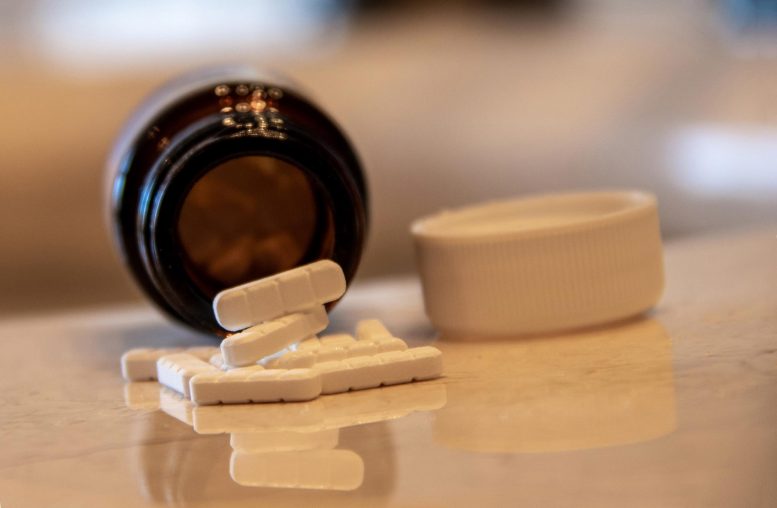
    Prescription Anxiety Medication Benzodiazepine

    The increased availability of prescription medications is a likely cause of both adult and pediatric poisonings.

    Rutgers experts report dramatic increase in teen use and overdoses from benzodiazepine.

    The number of teens taking and overdosing from benzodiazepines, commonly prescribed anxiety medications, has risen dramatically over the past decade, according to a national study coauthored by Rutgers researchers.

    The study, published in the journal Clinical Toxicology, found a 54 percent increase in cases involving children ages 12 to 18 that were reported to U.S. Poison Control Centers from 2000 to 2015.

    The researchers, from several institutions including MedStar Health, analyzed 296,838 benzodiazepine exposure cases involving children under the age of 18 obtained from the National Poison Data System. While the rate of exposure in children under the age of 6 decreased, the rate for adolescents rose from 17.7 exposures per 100,000 children in 2000 to 27.3 exposures per 100,000 children in 2015. The study also found a rise in intentional abuse, with nearly half of all reported exposures in 2015 documented as intentional abuse, misuse or attempted suicide.

    “While benzodiazepine overdose by itself is typically not life-threatening, the findings of this study show an increase in teens taking one or more additional substances, which increases the severity of the effects, including death or life-threatening symptoms that can affect future health,” said Diane Calello, executive and medical director of the New Jersey Poison Control Center at Rutgers New Jersey Medical School’s Department of Emergency Medicine, one of the authors.

    Approximately 70,000 children receive care in an emergency department annually due to medication overdoses, with nearly 12 percent of these visits resulting in hospitalization. Calello said the increased availability of prescription medications is a likely cause of both adult and pediatric poisonings.

    “Our study group found that the increasing rate of reported benzodiazepine exposures appear to reflect the increasing rate of benzodiazepine prescriptions that have been reported across the United States over the past decade,” she said. “Medical providers should be aware of the increased prevalence of benzodiazepine exposures to help limit unnecessary prescribing. Parents and caregivers must be counseled on the proper use, storage and disposal of these high-risk medications.”

    Reference: “Child and adolescent benzodiazepine exposure and overdose in the United States: 16 years of poison center data” by Joseph M. Friedrich, Christie Sun, Xue Geng, Diane P. Calello, Michael Gillam, Kaelen L. Medeiros, Mark Smith, Bruce Ruck and Maryann Mazer-Amirshahi, 15 October 2019, Clinical Toxicology.
    DOI: 10.1080/15563650.2019.1674321

    Bruce Ruck, managing director of the New Jersey Poison Control Center at Rutgers New Jersey Medical School’s Department of Emergency Medicine, also co-authored the study.

    Never miss a breakthrough: Join the SciTechDaily newsletter.
    Follow us on Google and Google News.

    Anxiety Disorders Pediatrics Pharmaceuticals Rutgers University Toxicology
    Share. Facebook Twitter Pinterest LinkedIn Email Reddit

    Related Articles

    Cancer Drug Shows Promise in Treating Infants With Incurable Disease That Causes Tissue Overgrowth

    COVID Lockdown Wellbeing: Children Who Spent More Time in Nature Fared Best

    Study Shows “Harsh Parenting” May Lead to Smaller Brains

    Benzodiazepines and “Z-Drugs” Increase Death Risk When Taken With Opioids

    National Poll: COVID Pandemic Has Negatively Impacted Teens’ Mental Health – Expert Recommendations

    LSD May Offer Viable Treatment for Anxiety and Other Mental Disorders

    Pharmaceutical Scientist Warns of Potential Problems With Remdesivir As COVID-19 Treatment

    Attempted Suicide by Self-Poisoning in Youth Often Involves Common OTC Medications

    Rutgers Study Finds Increase in Off-Label Medication Orders for Children

    Leave A Reply Cancel Reply

    • Facebook
    • Twitter
    • Pinterest
    • YouTube

    Don't Miss a Discovery

    Subscribe for the Latest in Science & Tech!

    Trending News

    Scientists Just Discovered a Hidden Freshwater World Beneath the Great Salt Lake

    Why Your Daily Shower Could Be Worsening the Water Crisis

    Scientists Discover New “Magic Mushroom” Species That Rewrites Evolutionary History

    Mystery Deepens: Astrophysicists Say Dark Matter May Not Be One Thing

    Your BMI Might Be Wrong: Study Finds Millions Are Misclassified

    A Simple Blood Test Could Predict Dementia Risk 25 Years Early

    3.5-Billion-Year-Old Rocks Rewrite the Story of Plate Tectonics

    Why Aging Lungs Turn Mild Infections Into Life-Threatening Illness

    Follow SciTechDaily
    • Facebook
    • Twitter
    • YouTube
    • Pinterest
    • Newsletter
    • RSS
    SciTech News
    • Biology News
    • Chemistry News
    • Earth News
    • Health News
    • Physics News
    • Science News
    • Space News
    • Technology News
    Recent Posts
    • Scientists Discover How to Stop Vision Loss Before It Starts
    • Antarctica’s Ancient Ice Cycles Once Controlled Life in Distant Oceans
    • Warming Waters Are Supercharging an Invasive Predator in Alaska
    • The Mediterranean Isn’t Safe: Scientists Warn of Inevitable Tsunami
    • This Deadly Parasite Stays Invisible by Shredding Its Own Genes
    Copyright © 1998 - 2026 SciTechDaily. All Rights Reserved.
    • Science News
    • About
    • Contact
    • Editorial Board
    • Privacy Policy
    • Terms of Use

    Type above and press Enter to search. Press Esc to cancel.