
Close Menu
    Facebook X (Twitter) Instagram
    SciTechDaily
    • Biology
    • Chemistry
    • Earth
    • Health
    • Physics
    • Science
    • Space
    • Technology
    Facebook X (Twitter) Pinterest YouTube RSS
    SciTechDaily
    Home»Technology»New Technology That Can Block Cyberattacks From Impacting the Nation’s Electric Power Grid
    Technology

    New Technology That Can Block Cyberattacks From Impacting the Nation’s Electric Power Grid

    By Idaho National LaboratoryAugust 10, 2021No Comments4 Mins Read
    Facebook Twitter Pinterest Telegram LinkedIn WhatsApp Email Reddit
    Share
    Facebook Twitter LinkedIn Pinterest Telegram Email Reddit
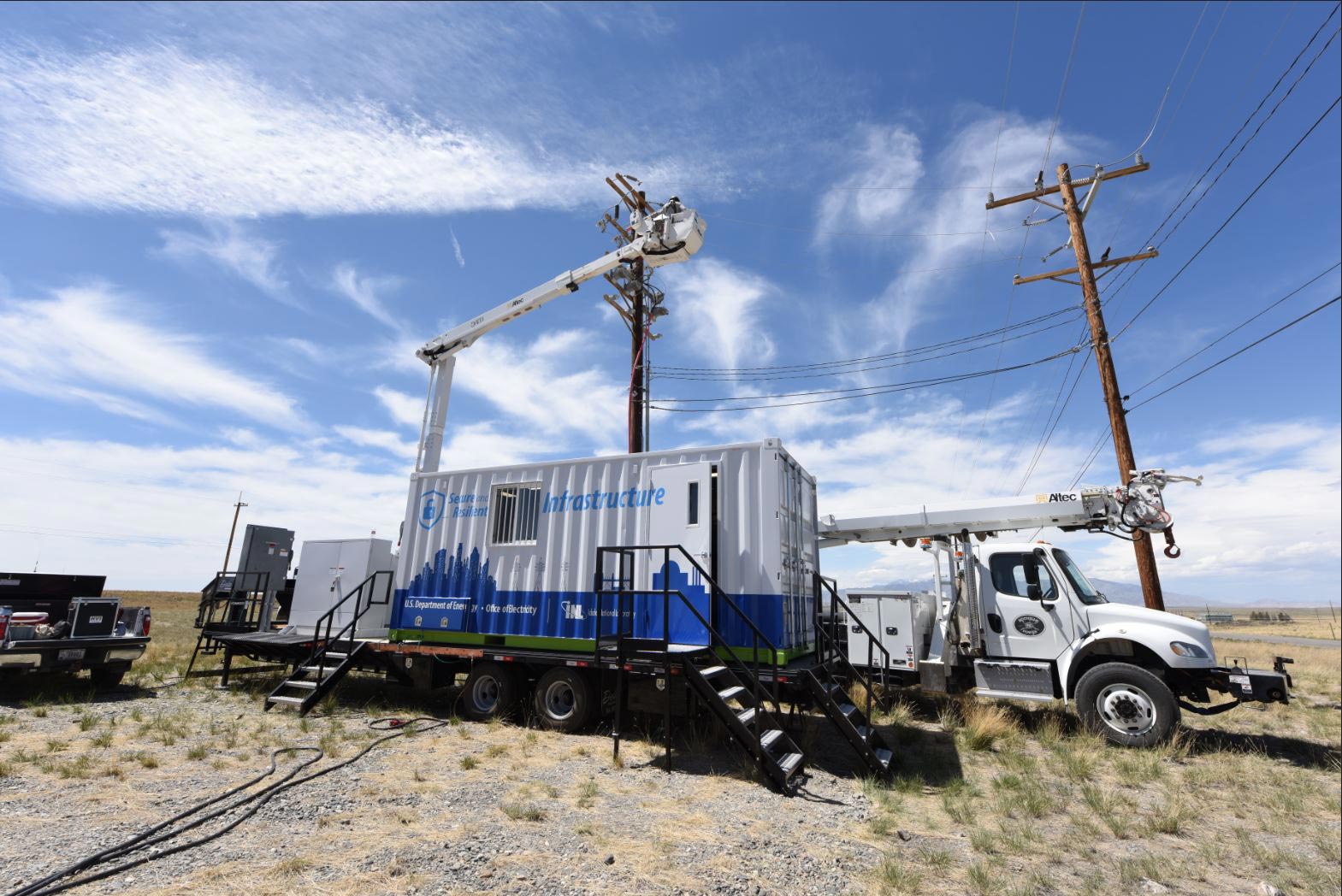
    Mobile Substation
    To demonstrate the ability of the Constrained Cyber Communication device to block a cyberattack on the power grid, researchers constructed a 36-foot long mobile substation and connected it to INL’s full-scale Power Grid Test Bed. Credit: Chris Morgan, Idaho National Laboratory

    INL’s Constrained Cyber Communication Device (C3D) filters and blocks cyberattacks targeting power grid relays, offering real-time protection to critical infrastructure.

    Researchers from Idaho National Laboratory and New Mexico-based Visgence Inc. have designed and demonstrated a technology that can block cyberattacks from impacting the nation’s electric power grid.

    During a recent live demonstration at INL’s Critical Infrastructure Test Range Complex, the Constrained Cyber Communication Device (C3D) was tested against a series of remote access attempts indicative of a cyberattack. The device alerted operators to the abnormal commands and blocked them automatically, preventing the attacks from accessing and damaging critical power grid components.

    “Protecting our critical infrastructure from foreign adversaries is a key component in the department’s national security posture,” said Patricia Hoffman, acting assistant secretary for the U.S. Department of Energy. “It’s accomplishments like this that expand our efforts to strengthen our electric system against threats while mitigating vulnerabilities. Leveraging the capabilities of Idaho National Laboratory and the other national laboratories will accelerate the modernization of our grid hardware, protecting us from cyberattacks.”
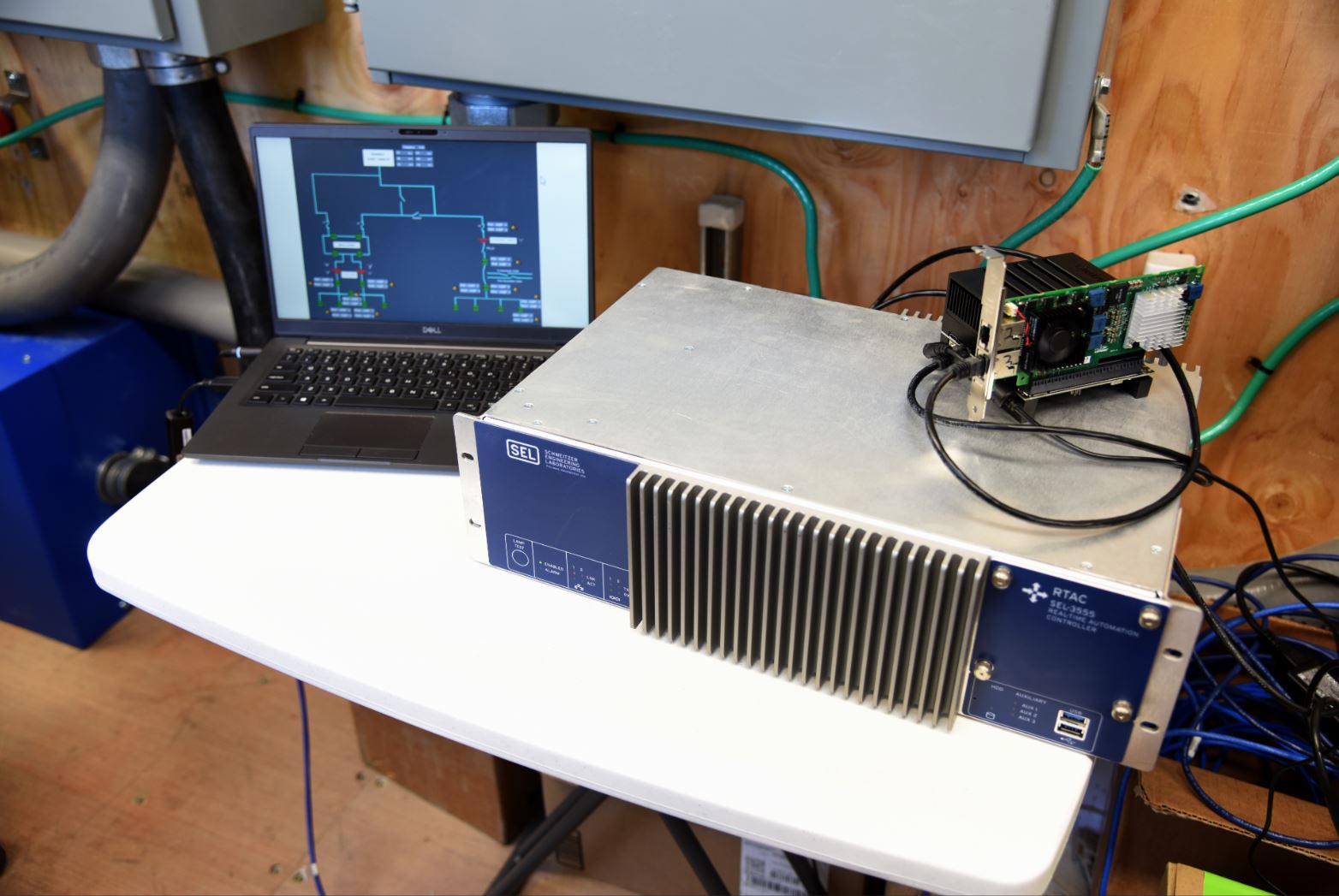
    Master State Estimator
    As part of the Protective Relay Permissive Communication project, INL researchers also developed and tested the Master State Estimator (picture on top) which is installed at a substation and independently evaluates cyber and physical information and reports the real-time status of a power system’s condition. Credit: Chris Morgan, Idaho National Laboratory

    C3D Monitors and Filters Commands

    The C3D device uses advanced communication capabilities to autonomously review and filter commands being sent to protective relay devices. Relays are the heart and soul of the nation’s power grid and are designed to rapidly command breakers to turn off the flow of electricity when a disturbance is detected. For instance, relays can prevent expensive equipment from being damaged when a power line fails because of a severe storm.
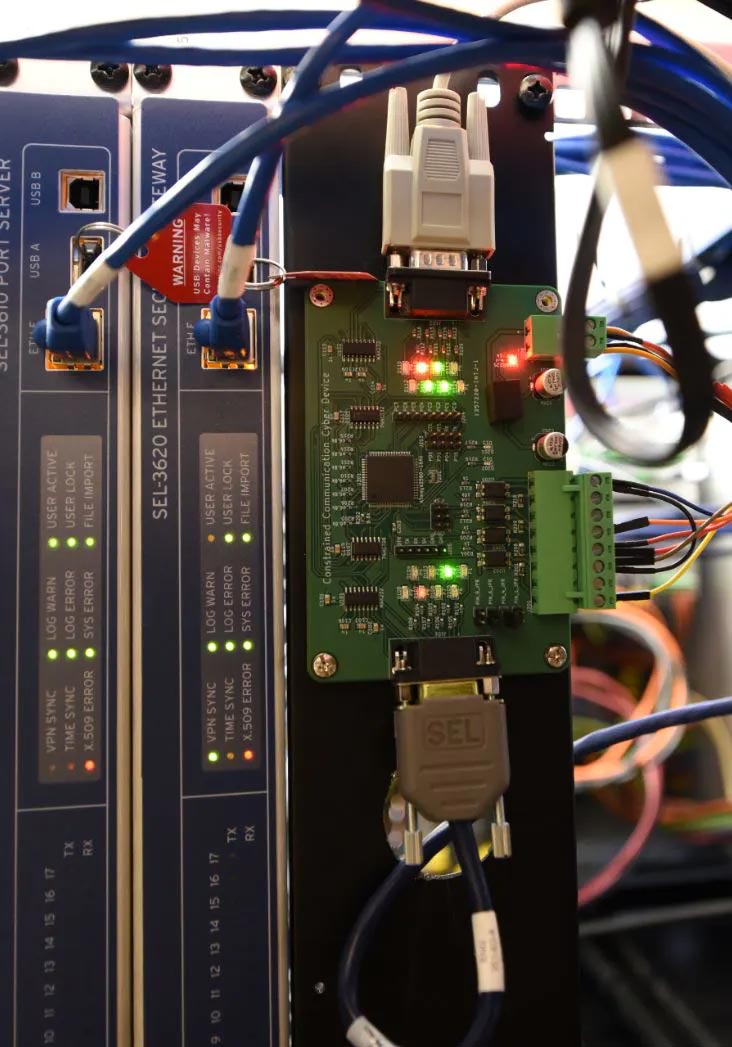
    Constrained Cyber Communication Device
    The Constrained Cyber Communication device connected to a protective relay prior to the demonstration. Credit: Chris Morgan, Idaho National Laboratory

    However, relays are not traditionally designed to block the speed and stealthiness of a cyberattack, which can send wild commands to grid equipment in milliseconds. To prevent this kind of attack, an intelligent and automatic filtering technology is needed.

    A Last Line of Cyber Defense

    “As cyberattacks against the nation’s critical infrastructure have grown more sophisticated, there is a need for a device to provide a last line of defense against threats,” said INL program manager Jake Gentle. “The C3D device sits deep inside a utility’s network, monitoring and blocking cyberattacks before they impact relay operations.”

    To test the technology’s effectiveness, researchers spent nearly a year collaborating with industry experts, including longtime partners from Power Engineers, an international engineering and environmental consulting firm. INL and the Department of Energy also established an industry advisory board consisting of power grid and cybersecurity experts from across the federal government, private industry, and academia.

    After thoroughly assessing industry needs and analyzing the makeup of modern cyber threats, researchers designed an electronic device that could be wired into a protective relay’s communication network. Then they constructed a 36-foot mobile substation and connected it to INL’s full-scale electric power grid test bed to establish an at-scale power grid environment.

    Master State Estimator Research Team
    Several members of the research team responsible for designing and testing the Master State Estimator device stand next to their invention. Credit: Chris Morgan, Idaho National Laboratory

    With the entire system online, researchers sent a sudden power spike command to the substation relays and monitored the effects from a nearby command center. Instantly, the C3D device blocked the command and prevented the attack from damaging the larger grid.

    The development of the device was funded by DOE’s Office of Electricity under the Protective Relay Permission Communication project. The technology and an associated software package will undergo further testing over the next several months before being made available for licensing to private industry.
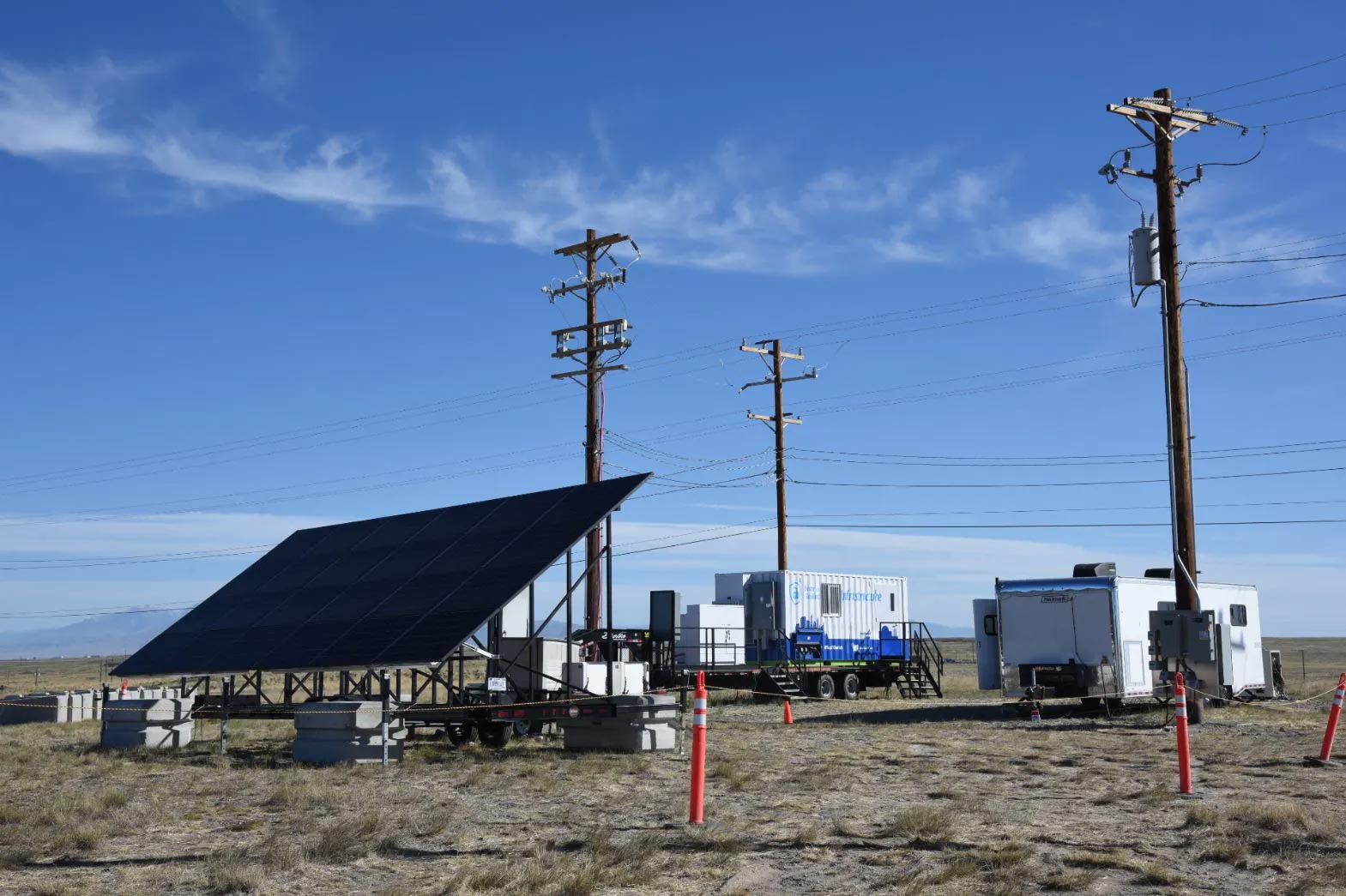
    Constrained Cyber Communication Device Demonstration
    The project demonstration site for the Constrained Cyber Communication device. Credit: Chris Morgan, Idaho National Laboratory

    INL is a U.S. Department of Energy (DOE) national laboratory that performs work in each of DOE’s strategic goal areas: energy, national security, science and environment. INL is the nation’s center for nuclear energy research and development. Day-to-day management and operation of the laboratory is the responsibility of Battelle Energy Alliance.

    Never miss a breakthrough: Join the SciTechDaily newsletter.
    Follow us on Google and Google News.

    Cybersecurity DOE Electricity Energy Idaho National Laboratory
    Share. Facebook Twitter Pinterest LinkedIn Email Reddit

    Related Articles

    Battery Breakthrough to Give Flight to Electric Aircraft and Boost Long-Range Electric Cars

    ITER Fusion Reactor Tokamak Assembly Begins – World’s Largest International Scientific Collaboration

    3D-Printed Nuclear Reactor Core Promises Faster, More Economical Energy

    New Protection for US Energy Grid and Nuclear Weapons Systems

    Advanced Reactor Technologies to Accelerate the Next Generation of Nuclear Power

    Cutting-Edge W7-X Nuclear Fusion Device Overcomes Obstacles

    New Wireless Charging Designs for Electric Vehicles Double Power Density

    Transformative Device Generates Energy From the Cold Night Sky, When Solar Doesn’t Work

    PNNL Developed Small Solid Oxide Fuel Cell Achieves 57 Percent Efficiency

    Leave A Reply Cancel Reply

    • Facebook
    • Twitter
    • Pinterest
    • YouTube

    Don't Miss a Discovery

    Subscribe for the Latest in Science & Tech!

    Trending News

    First-of-Its-Kind Discovery: Homer’s Iliad Found Embedded in a 1,600-Year-Old Egyptian Mummy

    Beyond Inflammation: Scientists Uncover New Cause of Persistent Rheumatoid Arthritis

    A Simple Molecule Could Unlock Safer, Easier Weight Loss

    Scientists Just Built a Quantum Battery That Charges Almost Instantly

    Researchers Unveil Groundbreaking Sustainable Solution to Vitamin B12 Deficiency

    Millions of People Have Osteopenia Without Realizing It – Here’s What You Need To Know

    Researchers Discover Boosting a Single Protein Helps the Brain Fight Alzheimer’s

    World-First Study Reveals Human Hearts Can Regenerate After a Heart Attack

    Follow SciTechDaily
    • Facebook
    • Twitter
    • YouTube
    • Pinterest
    • Newsletter
    • RSS
    SciTech News
    • Biology News
    • Chemistry News
    • Earth News
    • Health News
    • Physics News
    • Science News
    • Space News
    • Technology News
    Recent Posts
    • Magnesium Magic: New Drug Melts Fat Even on a High-Fat, High-Sugar Diet
    • Weight-Loss Drugs Like Ozempic May Come With an Unexpected Cost
    • After Decades, MIT Researchers Capture the First 3D Atomic View of a Mysterious Material
    • Your Favorite Fishing Spot Is Turning Brown – and the Fish Are Changing
    • 380-Million-Year-Old Fish Fossil Reveals Secrets of Life’s First Steps Onto Land
    Copyright © 1998 - 2026 SciTechDaily. All Rights Reserved.
    • Science News
    • About
    • Contact
    • Editorial Board
    • Privacy Policy
    • Terms of Use

    Type above and press Enter to search. Press Esc to cancel.