
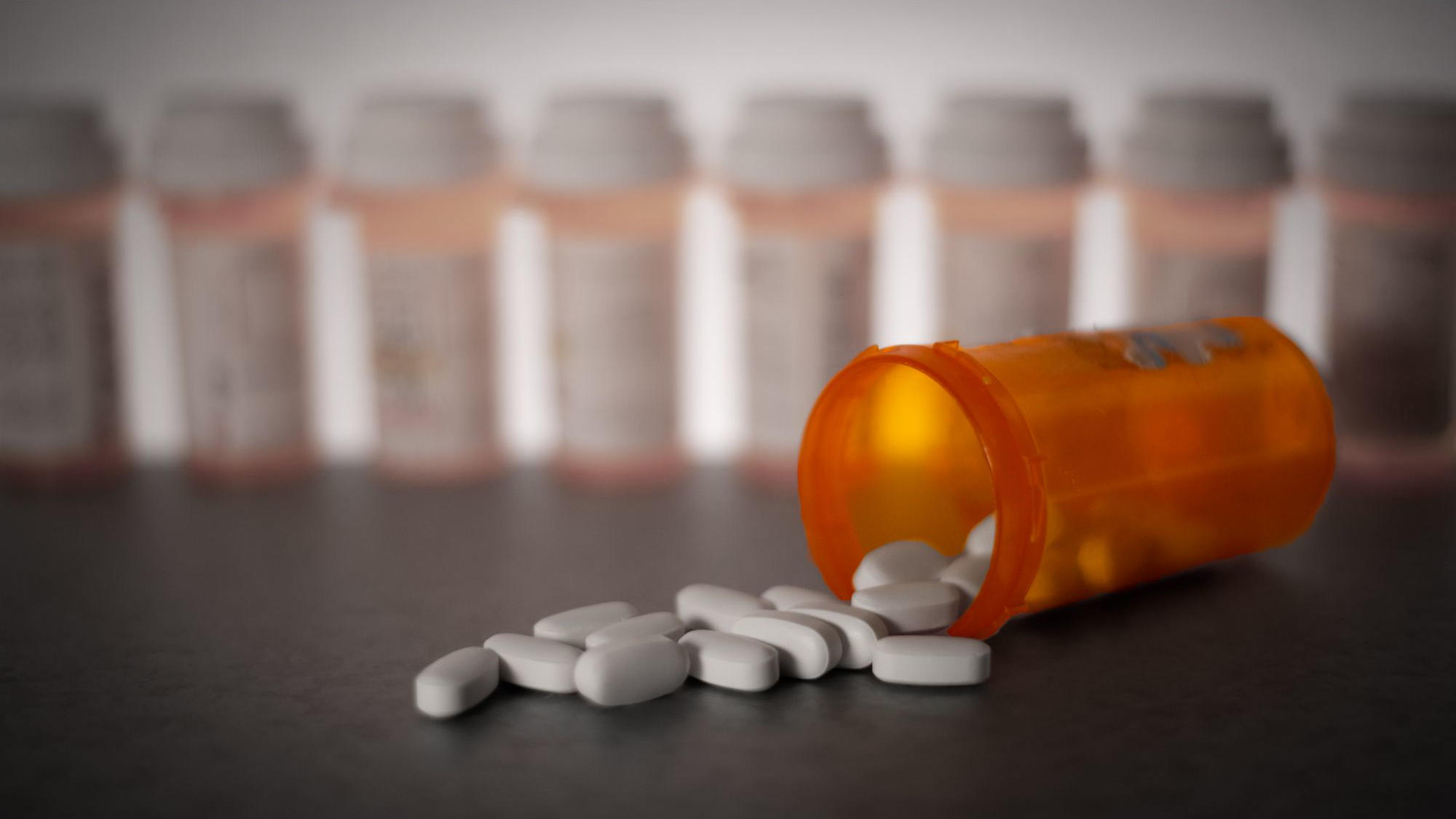
A new study reveals that generic drugs made in India are linked to a significantly higher number of severe adverse events, including hospitalizations and deaths, compared to their U.S.-made counterparts.
Researchers uncovered this by matching drugs to their specific manufacturing plants, something the FDA does not disclose. The study found a shocking 54% higher risk associated with Indian-made generics, especially those that had been on the market for a longer time.
Higher Risk from Indian-Made Generics?
Generic drugs manufactured in India are linked to significantly more “severe adverse events” for patients who use them than equivalent drugs produced in the United States, a new study finds.
These adverse events included hospitalization, disability, and in a few cases, death. Researchers found that mature generic drugs, those that had been on the market for a relatively long time, were responsible for the finding.
Not All Generics Are Created Equal
The results show that all generic drugs are not equal, even though patients are often told that they are, said John Gray, co-author of the study and professor of operations at The Ohio State University’s Fisher College of Business.
“Drug manufacturing regulation, and therefore quality assurance practices, differ between emerging economies like India and advanced economies like the United States,” Gray said.
“Where generic drugs are manufactured can make a significant difference.”
FDA Assurances vs. Reality
“The FDA assures the public that all generics patterned after the same original drug should be equivalently safe and effective, however, this is not necessarily the case when it comes to generic drugs made in India,” added another co-author, George Ball, associate professor of operations and decision technologies at Indiana University’s Kelley School of Business.
Groundbreaking Research on Drug Origins
Published recently in the journal Production and Operations Management, the research was led by In Joon Noh, who received his PhD at Ohio State and is now an assistant professor at Korea University. Other authors include Zachary Wright, who will receive his PhD from Ohio State and is now an assistant professor at Brigham Young University; and Hyunwoo Park, a former assistant professor at Ohio State, now at Seoul National University.
Several of the authors on this paper have worked closely with the Food and Drug Administration on federal grants and contracts, though this study was conducted completely independently of the FDA. These authors said working closely with the FDA gave them a deep appreciation for the importance of studying generic drug quality.
Overcoming the Transparency Barrier
The study is significant because it is the first to be able to link a large sample of generic drugs to the actual plant where they were manufactured. The FDA will not release that information through the Freedom of Information Act process. But Gray said Noh figured out how to use what is called the Structured Product Labeling dataset to link drugs to the factory where they were produced.
“Overcoming this lack of transparency of drug manufacturing location is one of the major accomplishments of our study,” Gray said.
A True ‘Apples to Apples’ Comparison
Another key to the study is that it matched the drugs made in India to the same drugs made in the United States. The drugs had the same active ingredients, the same dosage form, and the same route of administration.
“That means the drugs are pharmaceutically equivalent and we are comparing apples to apples,” he said.
The researchers matched 2,443 drugs made in the United States and in emerging economies. Although the researchers included other countries in their analysis, 93% of generic drugs from emerging economy countries are made in India, so India data fully explained the results.
The researchers compared the frequency with which drugs were associated with adverse event reports for generic drugs made in India versus the matched drugs made in the United States. These adverse event reports are available in the FDA Adverse Event Reporting System (FAERS).
Although the FAERS includes all reported adverse events, in this study the researchers only used those with the most serious outcomes, including hospitalization, disability, and death.
What’s Driving the Quality Decline?
Results showed that the number of severe adverse events for generic drugs made in India was 54% higher than for equivalent matched generic drugs made in the United States. That was after taking into account a variety of other factors that could have impacted the results, including the volume of drugs sold.
The findings were driven by drugs that had been on the market for a longer time.
Why Older Drugs May Be More Problematic
“In the pharmaceutical industry, the older drugs get cheaper and cheaper and the competition gets more intense to hold down costs,” Gray said. “That may result in operations and supply chain issues that can compromise drug quality.”
Gray emphasized that the results shouldn’t be taken as a reason to stop overseas production of generic drugs.
“There are good manufacturers in India, there are bad manufacturers in the U.S., and we’re not advocating for ending offshore production of drugs or bashing India in any way,” Gray said.
“We believe this is a regulatory oversight issue that can be improved.”
FDA Inspection Gaps May Be a Key Factor
Gray said one key issue is that when the FDA inspects plants that make generic drugs in the United States, the inspections are unannounced. But in overseas locations, the inspections are arranged in advance, which may allow manufacturers to hide problems and make it harder for the FDA to find those that do exist. Making all inspections unannounced could make a big difference, he said.
“A key recommendation we make in this study is for the FDA to make drug manufacturing location, such as the country of manufacture, and drug quality, transparent for consumers,” Ball added. “This can help create a market in which drug quality is incentivized more than it is today.”
Reference: “EXPRESS: Are All Generic Drugs Created Equal? An Empirical Analysis of Generic Drug Manufacturing Location and Serious Drug Adverse Events” by In Joon Noh, John Gray, George Ball, Zachery Wright and Hyunwoo Parks, 5 February 2025, Production and Operations Management.
DOI: 10.1177/10591478251319691
Never miss a breakthrough: Join the SciTechDaily newsletter.
Follow us on Google and Google News.
10 Comments
Why,when I look for comments on an article, are there no enlightening comments, nor even any stupid, politically biased comments, but rather a lot of idiotic fake work-at-home scams!Is there no way of filtering these comments at all, or does no one actually care about the content of the article enough to comment?
That second option, yeah.
What is causing the increase in adverse side effects? I find this hard to believe if they can’t point to any specific contaminants that are causing such effects. Maybe the increase in hospitalizations is just because America’s for profit healthcare leads to people with more money, better healthcare, and overall better health being the ones more likely to take brand name drugs. Meaning people with worse insurance, less money, and worse health, 3 things that are associated with each other, this group of people is more likely to have health issues and hospitalizations. Just an idea. I’m not sure why they didn’t analyze a bunch of generic pills for contaminants to figure out what the issue is before they published this study.
That, and it should be criminal to withhold the name of the manufacturers if peoples’ health is truly at such severe risk.
I agree!!
Hope ,this report is not influenced by pharma gsints cartel to protect their interests . This report if 100% true is indeed a very dangerous for the health and survival of poor who cannot afford to spend on branded medicines. Urgently Government of India must intervene and either firmly dispute this report or take criminal action on manufacturers of defective generic drugs
A wordy article that says very little. Can we stop with the racism and fear mongering? 54% higher than what? 1%? Making the risk a whoping 1.54%? Where is the link to this research?