
Close Menu
    Facebook X (Twitter) Instagram
    SciTechDaily
    • Biology
    • Chemistry
    • Earth
    • Health
    • Physics
    • Science
    • Space
    • Technology
    Facebook X (Twitter) Pinterest YouTube RSS
    SciTechDaily
    Home»Chemistry»One in 10 People Have Traces of Heroin or Cocaine on Their Fingerprints
    Chemistry

    One in 10 People Have Traces of Heroin or Cocaine on Their Fingerprints

    By Dalitso Njolinjo, University of SurreyMarch 22, 2018No Comments3 Mins Read
    Facebook Twitter Pinterest Telegram LinkedIn WhatsApp Email Reddit
    Share
    Facebook Twitter LinkedIn Pinterest Telegram Email Reddit
    One in 10 People Have Traces of Heroin or Cocaine on Their Fingerprints
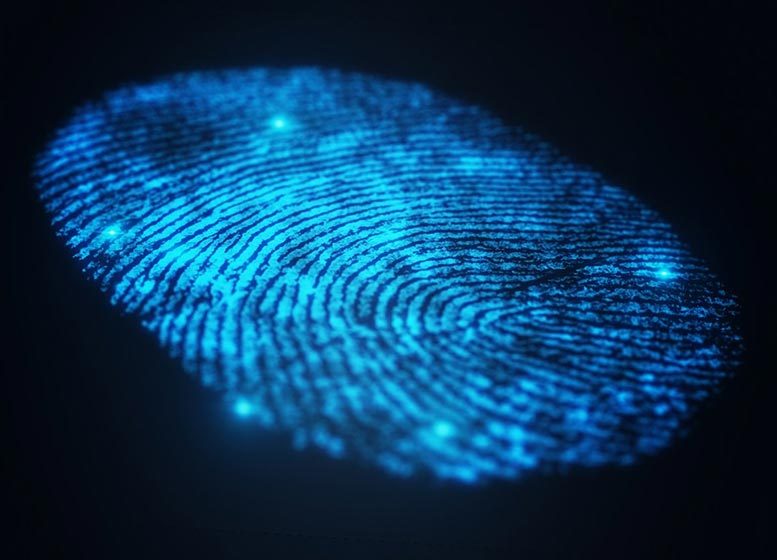
    Researchers from the University of Surrey have developed a method to definitively distinguish between individuals who use cocaine and heroin and those who have been exposed to the drugs due to environmental factors. This is an improvement on their previous fingerprint test to identify drug users.

    Scientists have found that drugs are now so prevalent that 13 percent of those taking part in a test were found to have traces of class A drugs on their fingerprints – despite never using them.

    But there is no easy escape for users as researchers from the University of Surrey, who have previously developed a quick fingerprint test to identify users, have created a definitive way to prove the difference between those using cocaine and heroin, and those exposed to the drugs due to environmental factors.

    In a study published by Clinical Chemistry, researchers from the University tested the fingerprints of 50 drug-free volunteers and 15 drug users who testified to taking either cocaine or heroin in the previous 24 hours.

    Researchers tested fingerprints from the unwashed hands of the drug-free volunteers and, despite having no history of drug use, still found traces of class A drugs. Around 13 percent of fingerprints were found to contain cocaine and one percent contained a metabolite of heroin. By setting a “cut-off” level, researchers were able to distinguish between fingerprints that had environmental contaminants from those produced after genuine drug use – even after people washed their hands.

    To test the possibility of transferring drugs through a handshake, drug-free volunteers were asked to shake hands with a drug user. Fingerprints were then collected from the drug-free volunteers after contact. Although cocaine and heroin can be transferred by shaking hands with a drug user, the cut-off level established allowed researchers to distinguish between drug use and secondary transfer.

    Dr. Melanie Bailey, Lecturer in Forensic Analysis at the University of Surrey, said: “Believe it or not, cocaine is a very common environmental contaminant – it is well known that it is present on many banknotes. Even so, we were surprised that it was detected in so many of our fingerprint samples. By establishing a threshold for significance on a fingerprint test, we can give those tested the piece-of-mind of knowing that whatever the result of the test may be, it was not affected by their everyday activities or shaking hands with someone that had taken drugs.”

    Mahado Ismail, lead-author of the paper from the University of Surrey, said: “It’s clear that fingerprint testing is the future of drug testing. There are many factors that set fingerprint testing apart – it’s non-invasive, easy to collect and you have the ability to identify the donor by using the sample. Our study will help to add another robust layer to fingerprint drug testing.”

    The study was co-funded by Intelligent Fingerprinting, developers of the world’s first commercially-available portable drug test that works by analyzing the sweat from a fingerprint sample. According to Intelligent Fingerprinting’s CEO, Dr. Jerry Walker: “This important study confirms the University of Surrey’s position as one of the world’s foremost academic research groups when it comes to fingerprint diagnostics using mass spectrometry. Critically, it also helps to establish a quantifiable high threshold for environmental drug traces – further establishing the validity of our commercial fingerprint-based drug test for cocaine, opiates, cannabis, and amphetamines.”

    Never miss a breakthrough: Join the SciTechDaily newsletter.
    Follow us on Google and Google News.

    Forensics University of Surrey
    Share. Facebook Twitter Pinterest LinkedIn Email Reddit

    Related Articles

    New Technology Creates Carbon-Neutral Chemicals Out of Thin Air

    Investigating the Origin of Uranium Cubes From Nazi Germany’s Failed WWII Nuclear Program

    Extending Human Lifespans: Using Artificial Intelligence To Find Anti-Aging Chemical Compounds

    Skid Mark Clues: Forensic Scientists Classify Unique Chemical Signatures in Tires

    New Forensic DNA Technology to Combat Terrorism – Dust on Boots, Baggage Can Track Down Suspects

    K9 Chemistry: A Safer Way to Train Explosives and Narcotics Detection Dogs

    How Old Is a Fingerprint Found at a Crime Scene? Chemists Developed a Way to Measure

    Fingerprint Test Can Identify Traces of Cocaine & Tell if It Was Consumed or Simply Handled

    Fingerprint Test Can Identify Traces of Heroin — Even After Hand-Washing

    Leave A Reply Cancel Reply

    • Facebook
    • Twitter
    • Pinterest
    • YouTube

    Don't Miss a Discovery

    Subscribe for the Latest in Science & Tech!

    Trending News

    Popular Sugar-Free Sweetener Linked to Liver Disease, Study Warns

    What Is Hantavirus? The Deadly Disease Raising Alarm Worldwide

    Scientists Just Discovered How the Universe Builds Monster Black Holes

    Scientists Unveil New Treatment Strategy That Could Outsmart Cancer

    A Simple Vitamin May Hold the Key to Treating Rare Genetic Diseases

    Scientists Think the Real Fountain of Youth May Be Hiding in Your Gut

    Ravens Don’t Follow Wolves, They Predict Them

    This Common Knee Surgery May Be Doing More Harm Than Good

    Follow SciTechDaily
    • Facebook
    • Twitter
    • YouTube
    • Pinterest
    • Newsletter
    • RSS
    SciTech News
    • Biology News
    • Chemistry News
    • Earth News
    • Health News
    • Physics News
    • Science News
    • Space News
    • Technology News
    Recent Posts
    • Why Are So Many New Fathers Dying? Scientists Say the U.S. Has a Dangerous Blind Spot
    • Scientists Identify Simple Supplement That Greatly Reduces Alzheimer’s Damage
    • You May Have a Dangerous Type of Cholesterol Even if Your Tests Look Normal
    • Study Reveals Dangerous Flaw in AI Symptom Checkers
    • New MRI Breakthrough Captures Stunningly Clear Images of the Eye and Brain
    Copyright © 1998 - 2026 SciTechDaily. All Rights Reserved.
    • Science News
    • About
    • Contact
    • Editorial Board
    • Privacy Policy
    • Terms of Use

    Type above and press Enter to search. Press Esc to cancel.