
Silk proteins formed fibers, crosslinks, and iron complexes similar to those used by the sea creatures.
If you have ever tried to chip a mussel off a seawall or a barnacle off the bottom of a boat, you will understand that we could learn a great deal from nature about how to make powerful adhesives. Engineers at Tufts University have taken note, and today report a new type of glue inspired by those stubbornly adherent crustaceans in the journal Advanced Science.
Starting with the fibrous silk protein harvested from silkworms, they were able to replicate key features of barnacle and mussel glue, including protein filaments, chemical crosslinking, and iron bonding. The result is a powerful non-toxic glue that sets and works as well underwater as it does in dry conditions and is stronger than most synthetic glue products now on the market.
Strong, Eco-Friendly, and Versatile Adhesive
“The composite we created works not only better underwater than most adhesives available today, it achieves that strength with much smaller quantities of material,” said Fiorenzo Omenetto, Frank C. Doble Professor of Engineering at Tufts School of Engineering, director of the Tufts Silklab where the material was created, and corresponding author of the study. “And because the material is made from extracted biological sources, and the chemistries are benign — drawn from nature and largely avoiding synthetic steps or the use of volatile solvents — it could have advantages in manufacturing as well.”
The Silklab “glue crew” focused on several key elements to replicate in aquatic adhesives. Mussels secrete long sticky filaments called byssus. These secretions form polymers, which embed into surfaces, and chemically cross-link to strengthen the bond. The protein polymers are made up of long chains of amino acids including one, dihydroxyphenylalanine (DOPA), a catechol-bearing amino acid that can cross-link with the other chains. The mussels add another special ingredient — iron complexes — that reinforce the cohesive strength of the byssus.
Silk Proteins Imitate Barnacle Cement
Barnacles secrete a strong cement made of proteins that form into polymers that anchor onto surfaces. The proteins in barnacle cement polymers fold their amino acid chains into beta sheets — a zig-zag arrangement that presents flat surfaces and plenty of opportunities to form strong hydrogen bonds to the next protein in the polymer, or to the surface to which the polymer filament is attaching.
Inspired by all of these molecular bonding tricks used by nature, Omenetto’s team set to work replicating them, and drawing on their expertise with the chemistry of silk fibroin protein extracted from the cocoon of silkworms. Silk fibroin shares many of the shape and bonding characteristics of the barnacle cement proteins, including the ability to assemble large beta sheet surfaces. The researchers added polydopamine — a random polymer of dopamine which presents cross-linking catechols along its length, much like the mussels use to cross-link their bonding filaments. Finally, the adhesion strength is significantly enhanced by curing the adhesive with iron chloride, which secures bonds across the catechols, just like they do in natural mussel adhesives.
“The combination of silk fibroin, polydopamine and iron brings together the same hierarchy of bonding and cross-linking that makes these barnacle and mussel adhesives so strong,” said Marco Lo Presti, post-doctoral scholar in Omenetto’s lab and first author of the study. “We ended up with an adhesive that even looks like its natural counterpart under the microscope.”
High Strength With Low Material Use
Getting the right blend of silk fibroin, polydopamine, and acidic conditions of curing with iron ions was critical to enabling the adhesive to set and work underwater, reaching strengths of 2.4 MPa (megapascals; about 350 pounds per square inch) when resisting shear forces. That’s better than most existing experimental and commercial adhesives, and only slightly lower than the strongest underwater adhesive at 2.8 MPa. Yet this adhesive has the added advantage of being non-toxic, composed of all-natural materials, and requires only 1-2 mgs per square inch to achieve that bond — that’s just a few drops.
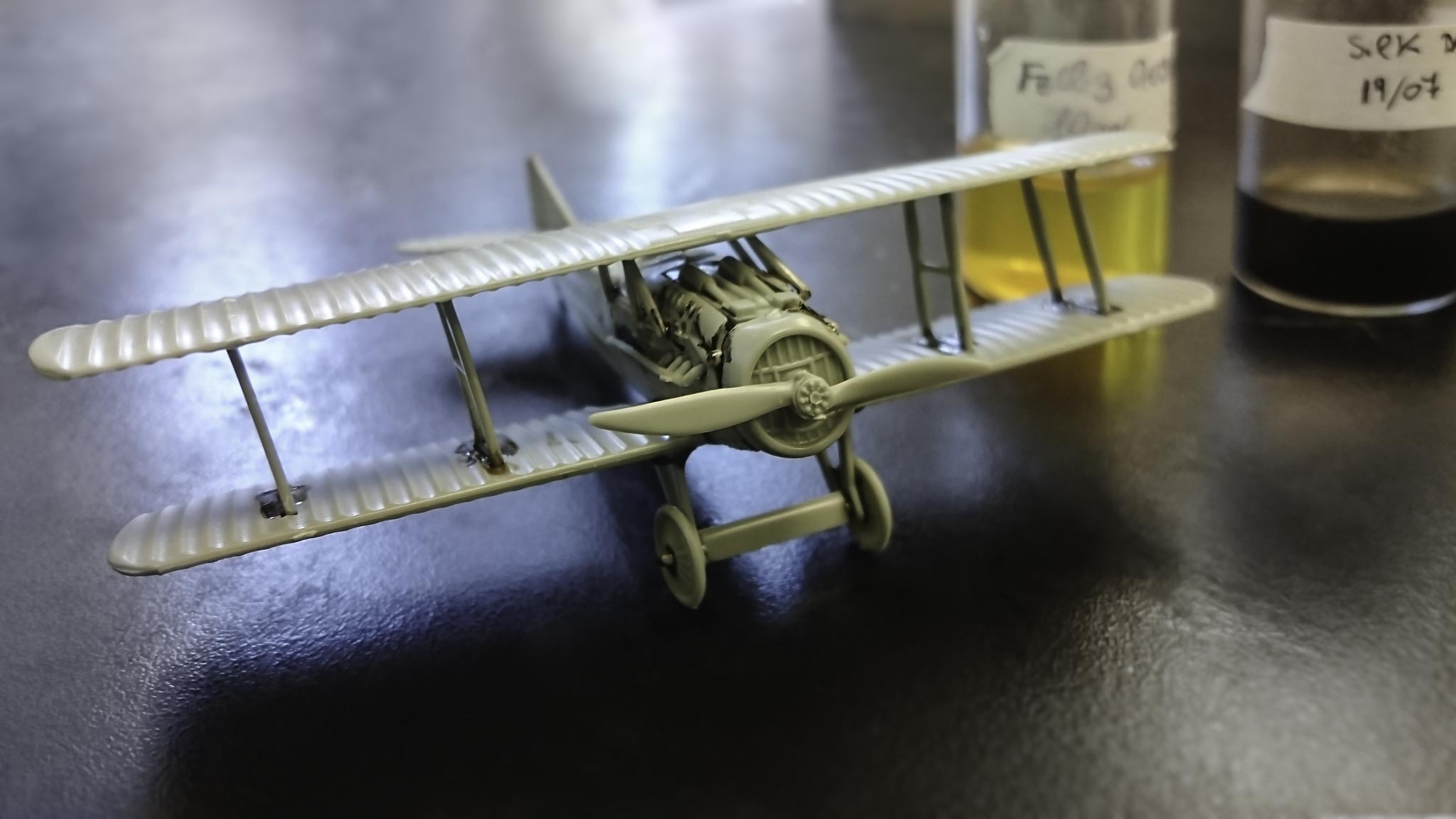
“The combination of likely safety, conservative use of material, and superior strength suggests potential utility for many industrial and marine applications and could even be suitable for consumer-oriented such as model building and household use,” said Prof. Gianluca Farinola, a collaborator on the study from the University of Bari Aldo Moro, and an adjunct Professor of Biomedical Engineering at Tufts. “The fact that we have already used silk fibroin as a biocompatible material for medical use is leading us to explore those applications as well,” added Omenetto.
Never miss a breakthrough: Join the SciTechDaily newsletter.
Follow us on Google and Google News.
1 Comment
I’ve been reading about developments and “breakthroughs” in mussel-based adhesives since I was a kid in the 1960s. But has any of that ever impacted the market?