
Close Menu
    Facebook X (Twitter) Instagram
    SciTechDaily
    • Biology
    • Chemistry
    • Earth
    • Health
    • Physics
    • Science
    • Space
    • Technology
    Facebook X (Twitter) Pinterest YouTube RSS
    SciTechDaily
    Home»Biology»Researchers Uncover the Secrets of “Plant Puberty”
    Biology

    Researchers Uncover the Secrets of “Plant Puberty”

    By University of YorkAugust 26, 2024No Comments3 Mins Read
    Facebook Twitter Pinterest Telegram LinkedIn WhatsApp Email Reddit
    Share
    Facebook Twitter LinkedIn Pinterest Telegram Email Reddit
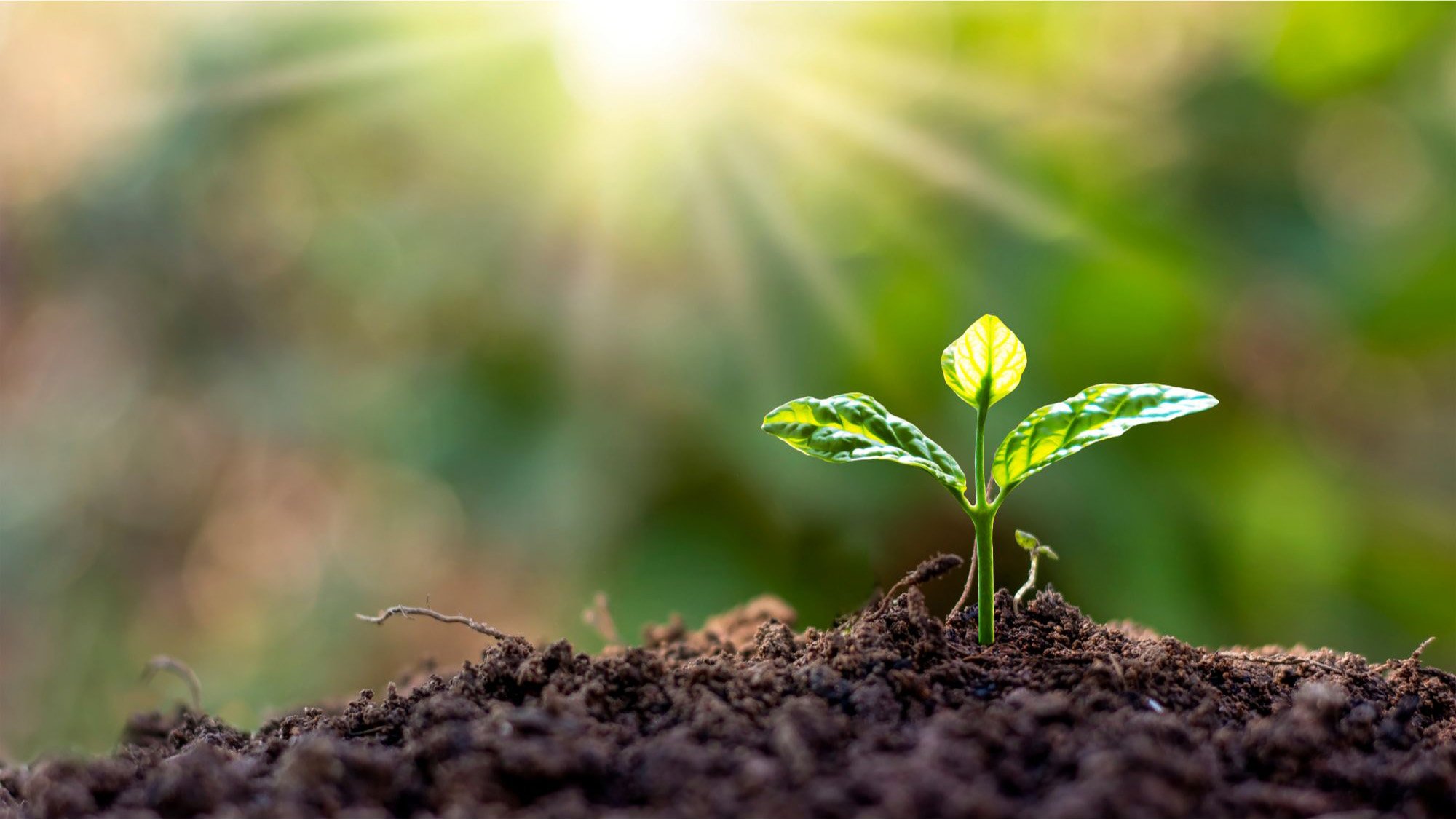
    Growing Plant
    Researchers at the University of York studied the vegetative-to-reproductive transition in Arabidopsis thaliana to understand the variability in this crucial developmental phase. Despite uniform growing conditions and genetic makeup, individual plants transitioned at different times. The study, led by Dr. Daphne Ezer, identified specific genetic markers associated with the timing of this transition and revealed early nutrient reallocation processes in plants. These findings could help improve crop uniformity and nutritional quality.

    A study by the University of York on Arabidopsis thaliana revealed genetic markers that influence the timing of crucial developmental transitions in plants, offering insights for improving crop uniformity and nutritional value.

    Researchers have discovered genetic variations that explain why plants undergo developmental transitions akin to “puberty” at varying speeds, a finding that could enhance crop nutrition.

    This developmental change, known as the vegetative-to-reproductive transition, occurs over a few days, during which the plant slows its leaf growth and begins to develop reproductive organs.

    This dramatic physical change is really important to farmers and consumers, because it starts the process of nutrients in the leaves being diverted into the reproductive organs of the plant and eventually into their fruits and grains. Well-timed plant development means more nutritious food.

    Farmers have tried to breed crops to be as uniform as possible, but despite their efforts, just like in humans, puberty happens at different ages in different individual plants.

    To investigate the factors that influence the timing of this transition, researchers from the University of York grew Arabidopsis thaliana – a kind of wild mustard most similar to Brassica crops like cabbage and broccoli – in conditions where the soil, temperature, humidity, and light were as consistent as possible.

    Genetic Factors in Plant Maturity

    Researchers chose this species because it has been inbred over generations to create a nearly genetically identical pool of seeds.

    Even in these highly controlled conditions, the plants started showing signs of the developmental transition on different days. When around half the plants had undergone the transition, the scientists measured the genetic activity of all the plants.

    While the plants had the same chronological age, they were on different points along the path of plant “puberty”. The researchers identified specific genetic changes that correlated with the timing of this developmental change.

    They also discovered that plants start the process of killing their leaves even before the scientists saw visible reproductive structures.

    Lead author of the study, Dr Daphne Ezer from the Department of Biology, said: “In some ways, plant and human growth is very similar: everyone experiences it in their own unique way.

    “Our study uncovered specific genetic changes that could control the timing of plant developmental transition, paving the way for future improvements in crop uniformity and quality.”

    “Remarkably, we also found that plants are starting to redirect nutrients from their leaves to their flowering structures even earlier than we anticipated. To supercharge the nutritional value of crops, farmers might need to pay attention to these hidden processes happening well before any visible signs of the vegetative-to-reproductive transition.”

    Reference: “Single-plant-omics reveals the cascade of transcriptional changes during the vegetative-to-reproductive transition” by Ethan J Redmond, James Ronald, Seth J Davis and Daphne Ezer, 9 August 2024, The Plant Cell.
    DOI: 10.1093/plcell/koae226

    Never miss a breakthrough: Join the SciTechDaily newsletter.
    Follow us on Google and Google News.

    Agriculture Genetics Plant Biology Plants University of York
    Share. Facebook Twitter Pinterest LinkedIn Email Reddit

    Related Articles

    This Tiny Plant Has Huge Potential for Food, Fuel, and Climate Solutions

    How 20 Million Genetic Markers Could Change the Way We Grow Corn

    Century-Old Biological Experiment Reveals Genetic Secrets of Important Crop

    Beating the Freeze: Unlocking the Frost-Defying Secrets of the White Water Lily

    Scientists Use CRISPR To Turn Sugarcane Into a Super Crop

    Tomato Genetics: A Unexpected Journey Into a “Parallel Universe”

    What Makes a Carrot Orange? New Findings Could Lead to Improved Health Benefits

    Stanford Scientists Unlock Mysteries of Plant Growth and Health

    Revealed: Plants Molecular ‘Alarm’ System That Protects Them From Predators

    Leave A Reply Cancel Reply

    • Facebook
    • Twitter
    • Pinterest
    • YouTube

    Don't Miss a Discovery

    Subscribe for the Latest in Science & Tech!

    Trending News

    Aging’s “Zombie Cell” Problem May Have a Solution, Scientists Discover

    Scientists Discover a Surprising Dental Benefit of Cranberry Juice

    Scientists Discover That Eating Peanuts Every Day May Help Protect the Aging Brain

    Scientists Discover Mysterious 150,000-Year-Old Bone From an Extinct Human Relative in Chinese Cave

    Why Do We Have Necks? Scientists Uncover a 380-Million-Year-Old Evolutionary Twist

    “Strangest of Its Kind”: Scientists Uncover a Bizarre Bacterial Self-Destruct Switch

    Scientists Reverse 60 Years of Aging in Human Cells, Turning 80-Year-Old Cells Into 20-Year-Olds

    A Solar Storm Heading Toward Earth Suddenly Changed in Ways Scientists Didn’t Predict

    Follow SciTechDaily
    • Facebook
    • Twitter
    • YouTube
    • Pinterest
    • Newsletter
    • RSS
    SciTech News
    • Biology News
    • Chemistry News
    • Earth News
    • Health News
    • Physics News
    • Science News
    • Space News
    • Technology News
    Recent Posts
    • Scientists Use Light To Build a New Generation of Drug Molecules
    • Scientists Unlock a 1,000-Year-Old Mystery Buried Inside Ancient Melon Seeds
    • Scientists Create Stunning, Car-Quality Paint Without Using a Single Pigment
    • New Treatment Strategy Makes Cancer Cells Run Out of Energy and Die
    • A Promising Way To Reverse Cognitive Decline Just Failed a Major Clinical Test
    Copyright © 1998 - 2026 SciTechDaily. All Rights Reserved.
    • Science News
    • About
    • Contact
    • Editorial Board
    • Privacy Policy
    • Terms of Use

    Type above and press Enter to search. Press Esc to cancel.