

Recent research has detailed the cold resistance mechanisms of the white water lily, offering insights into potential agricultural applications for improving crop resilience against cold climates.
Scientists have recently unraveled the complex mechanisms of cold resistance in the white water lily, a plant thriving in the cold environments of Xinjiang’s high-altitude regions. Detailed analysis of the lily’s physical adaptations, strategic allocation of resources, and metabolic responses has revealed a sophisticated regulatory system involving phytohormone signaling, amino acid metabolism, and circadian rhythms. This breakthrough offers crucial insights for enhancing the cold tolerance of agricultural crops.
Agricultural productivity faces a chilling threat from cold stress, which can stunt plant growth and reduce yields. The white water lily, enduring the harsh winters of high-altitude habitats, presents a unique model for studying cold adaptation. With climate variability posing a risk to food security, there is an urgent need to unravel the molecular and physiological underpinnings of the lily’s resilience. This study rises to the challenge, delving into the strategies that enable the white water lily to withstand freezing conditions.
The collaborative research team from Nanjing Agricultural University has achieved a significant milestone, with their findings published in the esteemed Horticulture Research journal on February 17, 2024. Employing an integrated multi-omic approach, the study provides a comprehensive dissection of the white water lily’s cold adaptation strategies, offering a treasure trove of knowledge for agricultural science.
Mechanisms of Cold Resistance
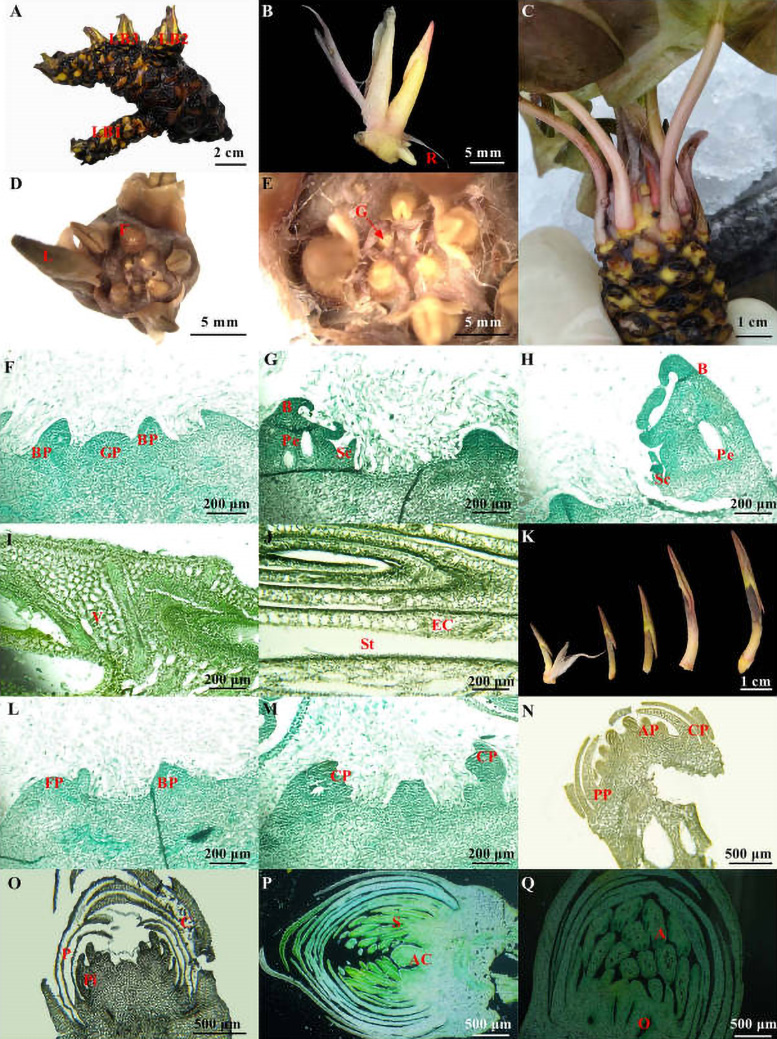
The white water lily’s cold resistance is revealed as a tapestry of survival strategies, including a state of ecodormancy that maintains cellular integrity during winter. The lily’s arsenal includes resource reallocation, morphological adaptations for osmoregulation, and enhanced antioxidant systems to counteract cold stress. A deep dive into its transcriptome, phytohormones, and metabolome has uncovered a regulatory network central to its cold acclimation, with nitrogen metabolism and specific amino acid pathways playing pivotal roles. The identification of metabolites like myo-inositol and L-proline as key players in its cold tolerance, and the intriguing underuse of unsaturated fatty acids, points to novel mechanisms of temperature regulation.
Dr. Qijiang Jin, the study’s lead scientist, highlights the integration of diverse data as a cornerstone of their innovative approach. “Our research not only illuminates the white water lily’s survival tactics but also paves the way for enhancing cold resistance across plant species,” Dr. Jin asserts.
The study’s findings are sown with the potential to cultivate a new era of cold-tolerant crops. By harnessing the adaptive strategies of the white water lily, the development of novel breeding techniques and the creation of stress-resilient plant varieties are on the horizon. As climate change casts a shadow over food security, these insights could be the beacon of hope for sustainable agriculture.
Reference: “Multi-omic dissection of the cold resistance traits of white water lily” by Penghe Qiu, Tong Liu, Yingchun Xu, Chunxiu Ye, Ran Zhang, Yanjie Wang and Qijiang Jin, 17 February 2024, Horticulture Research.
DOI: 10.1093/hr/uhae093
This research was funded by the National Natural Science Foundation of China (no. U2003113; U1803104; 31971710); China Postdoctoral Science Foundation (2505BSHJJ); A Project Funded by the Priority Academic Program Development of Jiangsu Higher Education Institutions.
Never miss a breakthrough: Join the SciTechDaily newsletter.
Follow us on Google and Google News.