
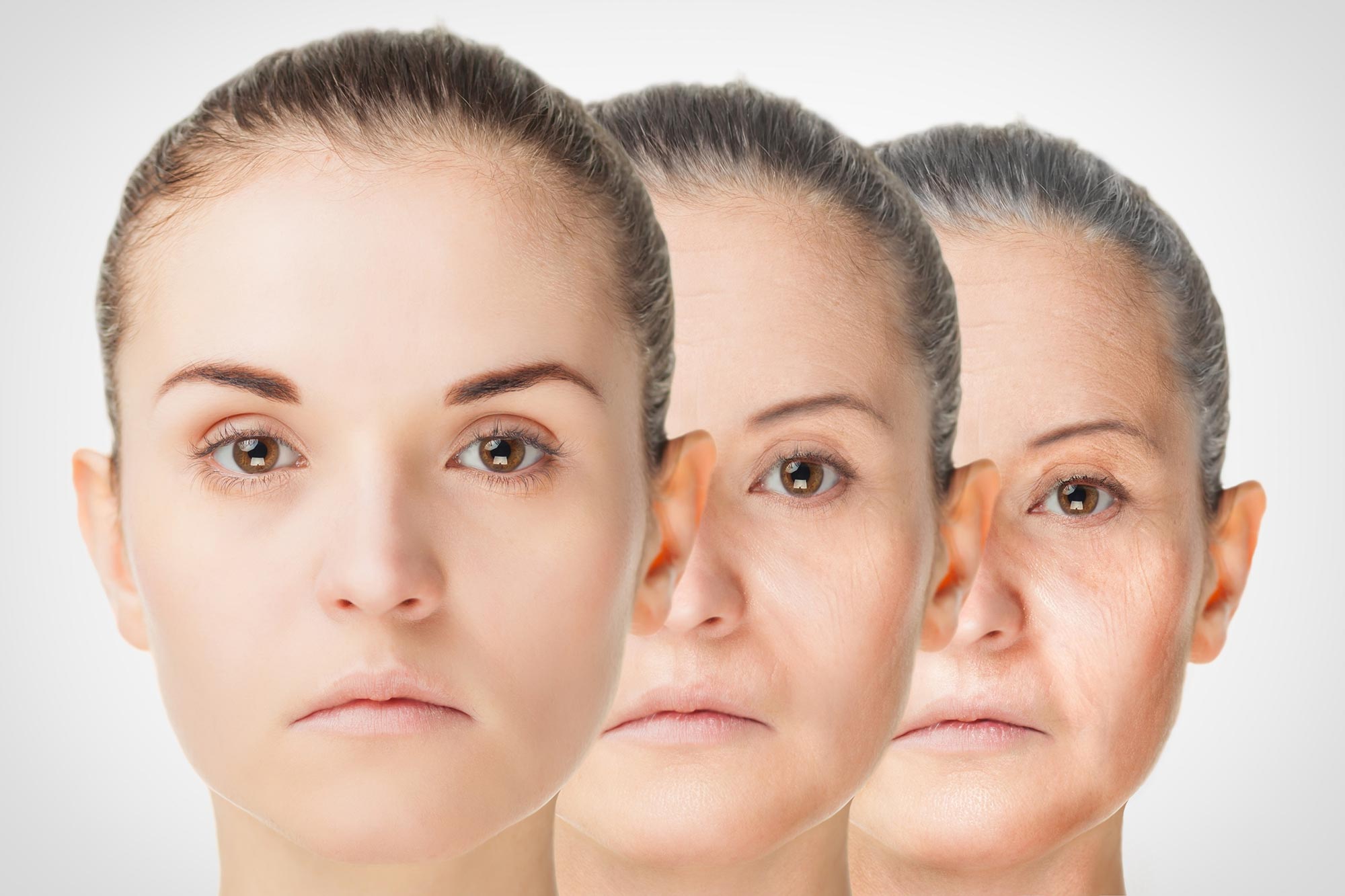
Scientists are investigating an unusual biological compound that may influence how the body and brain age.
The Fountain of Youth may be a legend, but the search for ways to slow aging is very real. Scientists are actively exploring how to protect the body and brain over time, and a new study points to an unexpected candidate. Researchers have found that adding compounds from sea squirts to the diet can reverse several key signs of aging in animals.
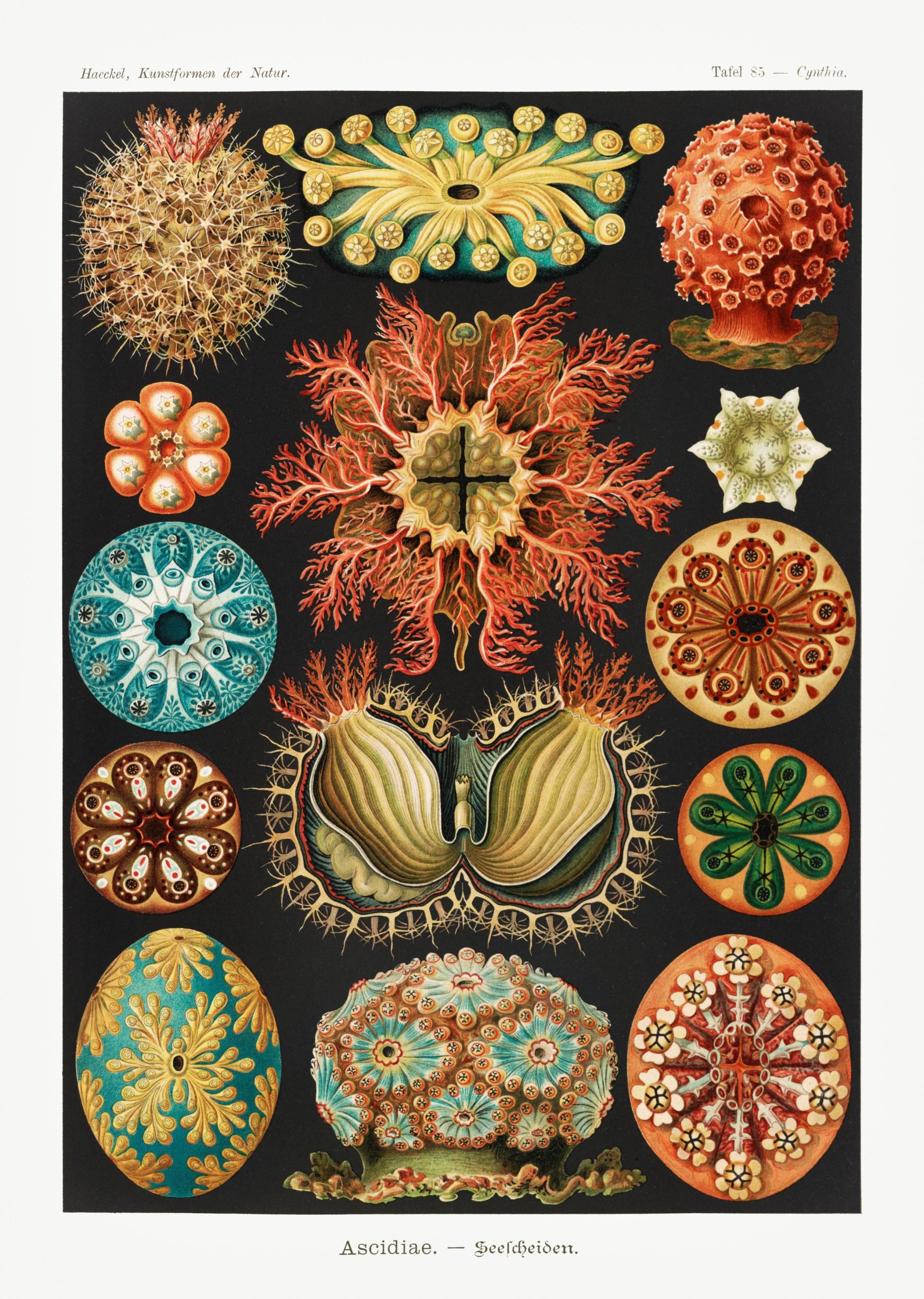
In a recent study, scientists from Xi’an Jiaotong-Liverpool University, Stanford University, Shanghai Jiao tong University, and the University of Chinese Academy of Sciences tested compounds called plasmalogens, which are abundant in sea squirts, a type of ocean-dwelling invertebrate.
These molecules are not exotic to the human body. In fact, about 1 in 5 phospholipids in human tissues are plasmalogens, with especially high levels in the brain, heart, and immune cells. However, these levels steadily decline with age and are known to be lower in people with neurodegenerative diseases such as Alzheimer’s disease and Parkinson’s disease.
To test whether boosting plasmalogen levels could reverse age-related changes, researchers carried out a two-month study in older female mice, roughly comparable to humans in late middle age. The mice were given daily doses of plasmalogens throughout the experiment. By the end of the trial, the results showed clear and significant improvements.
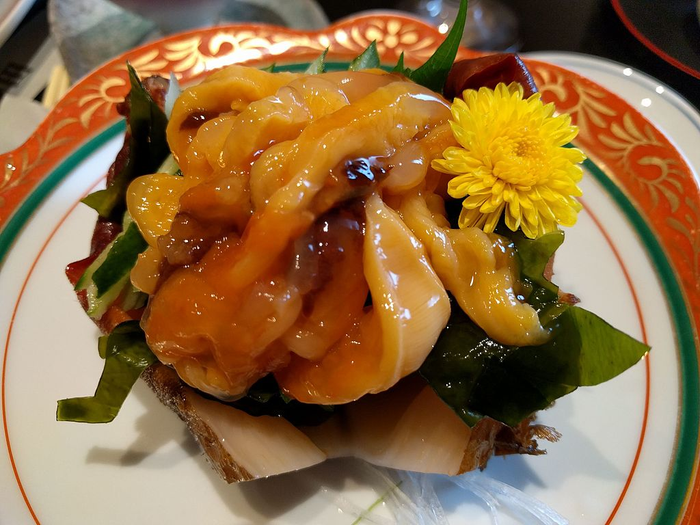
Sea squirts, the original source of these compounds, are already part of traditional diets in Korea (meongge, or 멍게) and Japan (hoya, or ホヤ), typically eaten raw.

Mice given the supplements performed significantly better on memory and learning tasks. They also showed visible physical changes, including thicker, darker, and glossier fur, a detail that points to broader systemic effects beyond the brain.
Professor Lei Fu, the study’s corresponding author, says: “Our research suggests that plasmalogens may not just stop cognitive decline, but may reverse cognitive impairments in the ageing brain. Additionally, aged mice fed with the plasmalogens grow new black hair that is thicker and glossier than aged mice not fed the supplement.”
Rewiring the aging brain
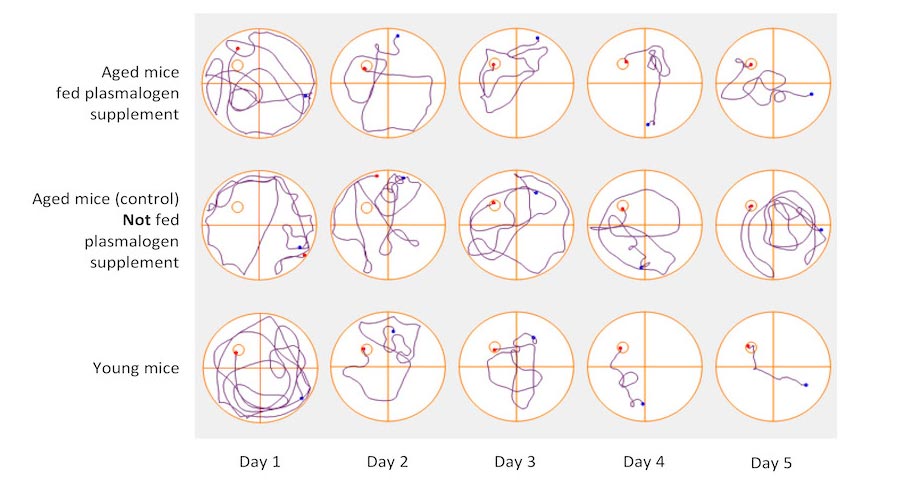
The cognitive improvements were measured using the Morris water maze, a widely used test of spatial learning. In this task, mice must remember the location of a hidden platform in a pool. Older mice typically struggle, taking longer routes and more time to find the platform. After supplementation, the treated mice navigated the maze much more efficiently, behaving more like younger animals.
When researchers examined brain tissue, they found a clear structural explanation. Aging is associated with a loss of synapses, the communication points between neurons. These connections are essential for forming memories and processing information. In the treated mice, synapse loss was not only reduced, but new synapses were actively forming. High-resolution imaging revealed more synaptic vesicles and healthier neural connections in the hippocampus, a brain region critical for memory.
The team also confirmed these findings at the molecular level. Genes and proteins involved in synaptic plasticity and neurogenesis, the process of generating new neurons, were significantly more active in mice that received plasmalogens. This suggests the brain was not just preserving existing connections but rebuilding its network.
Another key finding involved inflammation. As the brain ages, immune cells called microglia can become overactive, triggering chronic inflammation that damages neurons. The study showed that plasmalogen treatment reduced this activation, effectively calming the brain’s immune response and creating a more favorable environment for neural repair.
How do plasmalogens work?
Although the exact mechanisms are still being mapped, several explanations are emerging. Plasmalogens are known to influence the physical properties of cell membranes, making them more flexible. This flexibility is critical for synapses, where rapid signaling depends on efficient communication between neurons.
“We found that plasmalogens significantly increase the number of molecules that aid the growth and development of neurones and synapses in the brain. This suggests that plasmalogens can promote neuroregeneration.
“There is also an increasing body of evidence that plasmalogens directly affect the structural properties of synapses. Plasmalogens may increase the fluidity and flexibility of synaptic membranes, affecting the transmission of impulses between neurones.”
There may also be a connection to the gut. Scientists increasingly recognize that gut microbes can influence brain health through what is known as the gut-brain axis.
“Some studies have shown that dietary plasmalogens affect the microorganisms in the gut. It has been widely reported that the connection between the organisms in our gut and our brain influences neurodegeneration. It may be the plasmalogen’s effect on this connection that causes the improvements in learning and memory seen in this study.”
Growing Evidence From Recent Animal Studies
Animal studies published in 2025 have reinforced the idea that dietary plasmalogens can benefit aging and disease models.
For example, one study using a mouse model of age-related cognitive decline found that plasmalogens (PLS) improved spatial memory by ~44% and boosted synaptic proteins such as PSD-95 in the hippocampus, while also reducing markers of brain inflammation. Notably, plasmalogens outperformed other phospholipids like phosphatidylcholine (PC) and phosphatidylserine (PS) across cognitive and biochemical measures.
Similarly, a mouse model of dilated cardiomyopathy (DCM) showed that dietary alkylglycerols, which raise plasmalogen levels, restored these lipids in heart tissue and helped reduce cardiac dysfunction and related complications. However, the benefits were largely limited to male mice, where improvements were linked to healthier lipid and protein profiles
From ocean life to future therapies
Professor Fu is confident enough in the findings to incorporate them into his own routine.
“For the first time, we show that plasmalogen supplements might be a potential intervention strategy for halting neurodegeneration and promoting neuroregeneration.
“The oral intake of plasmalogens could be a feasible therapeutic strategy to improve cognitive function in older people.”
It is important to note that these results come from animal studies, and human biology is more complex. However, if similar effects can be confirmed in humans, a pill designed to slow aging might not be as far-fetched as it sounds, especially if it draws on compounds found in sea squirts.
References:
“Plasmalogens Eliminate Aging-Associated Synaptic Defects and Microglia-Mediated Neuroinflammation in Mice” by Jinxin Gu, Lixue Chen, Ran Sun, Jie-Li Wang, Juntao Wang, Yingjun Lin, Shuwen Lei, Yang Zhang, Dan Lv, Faqin Jiang, Yuru Deng, James P. Collman and Lei Fu, 2 February 2022, Frontiers in Molecular Biosciences.
DOI: 10.3389/fmolb.2022.815320
“Mitigating effects of plasmalogens on age-related cognitive impairment” by Jiale Yu, Jiaqi Su, Yiran Zhang, Ziyu Qiao, Wen Zhang, Ran Bi, Chenhong Shi, Wei Xiong, Fuqing Wang, Ran Wang and Yixuan Li, 5 April 2025, Journal of Functional Foods.
DOI: 10.1016/j.jff.2025.106790
“An optimized plasmalogen modulating dietary supplement provides greater protection in a male than female mouse model of dilated cardiomyopathy” by Teleah G. Belkin, Emma I. Masterman, Gunes S. Yildiz, Helen Kiriazis, Natalie A. Mellett, Jonathon Cross, Kyah Grigolon, Akshima Dogra, Daniel Donner, Roger Chooi, Amy Liang, Andrew R. Kompa, Junichi Sadoshima, Amanda J. Edgley, David W. Greening, Peter J. Meikle, Yow Keat Tham and Julie R. McMullen, 4 December 2024, Journal of Molecular and Cellular Cardiology Plus.
DOI: 10.1016/j.jmccpl.2024.100273
Never miss a breakthrough: Join the SciTechDaily newsletter.
Follow us on Google and Google News.
8 Comments
Someone will need to figure out how to farm sea squirts if they get a reputation for increasing longevity. Otherwise some will go extinct before many people are helped.
I can see myself helping those sea squirts go extinct big time.
Put that into pill form and I’m in. Otherwise…blech! 🤣
Put me in also interested to boost brain matter
Squirts are good
Sounds like you need a triple dose
Eating an animal that eats its own brain seems rather brainless.
I’m in. People don’t understand all of the natural ways that can help and or heal.