
Close Menu
    Facebook X (Twitter) Instagram
    SciTechDaily
    • Biology
    • Chemistry
    • Earth
    • Health
    • Physics
    • Science
    • Space
    • Technology
    Facebook X (Twitter) Pinterest YouTube RSS
    SciTechDaily
    Home»Earth»Return of the LIDAR: In a Peninsula Far, Far Away, a Laser Shoots Into the Sky
    Earth

    Return of the LIDAR: In a Peninsula Far, Far Away, a Laser Shoots Into the Sky

    By European Space Agency (ESA)August 9, 20201 Comment2 Mins Read
    Facebook Twitter Pinterest Telegram LinkedIn WhatsApp Email Reddit
    Share
    Facebook Twitter LinkedIn Pinterest Telegram Email Reddit
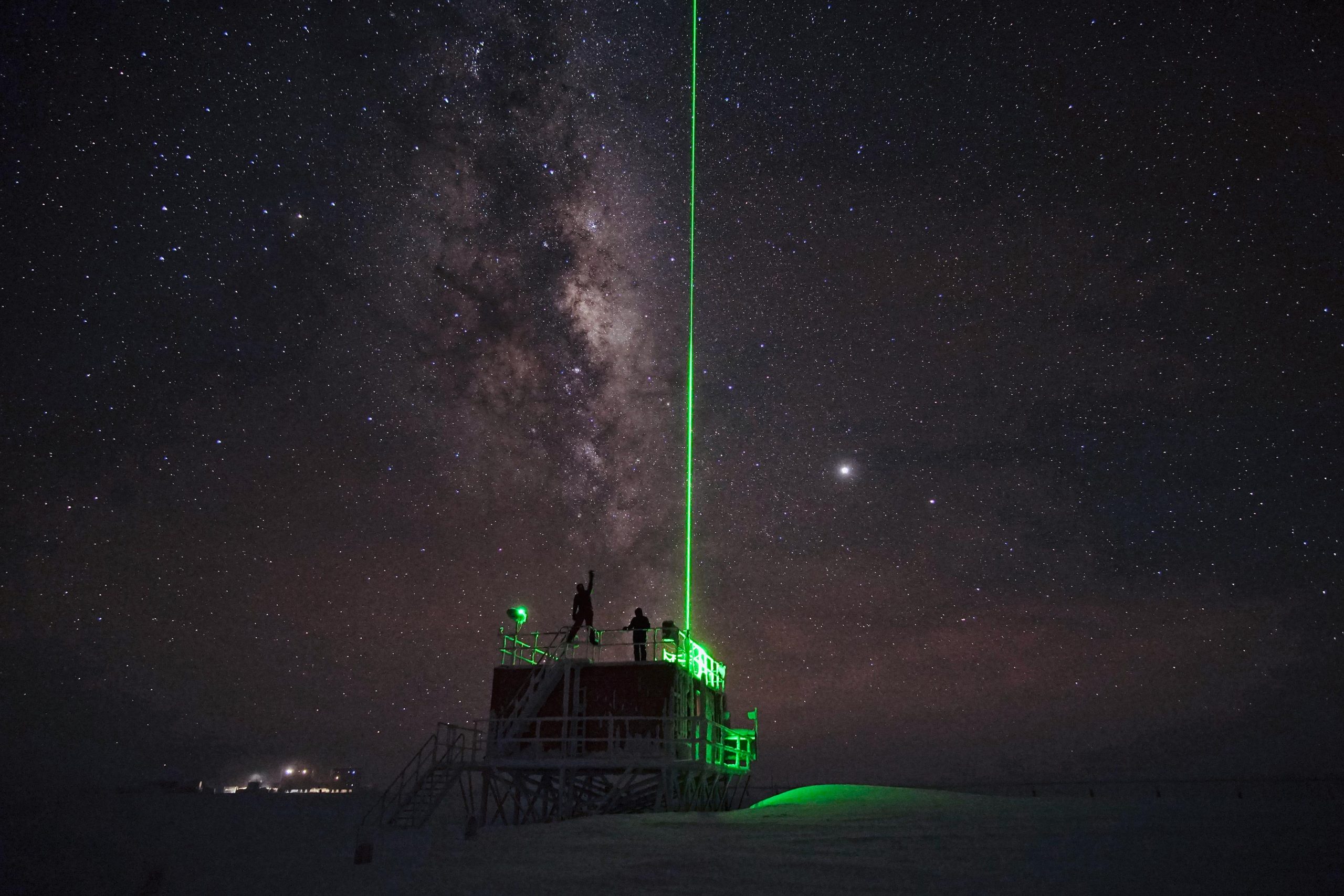
    Return of the LIDAR
    The Light Detection and Ranging instrument, or LIDAR, is a remote sensing technique that uses light to study an object. Credit: ESA/IPEV/PNRA–S. Thoolen

    In a peninsula far, far away, a laser shoots into the sky to study the Antarctic atmosphere at Concordia research station.

    The Light Detection and Ranging instrument, or LIDAR, is a remote sensing technique that uses light to study an object.

    A pulsed laser beam is aimed at the target and properties of the resulting scattered light are recorded by sensors. Using these measurements, researchers collect information about the atmosphere, including density, temperature, wind speed, cloud formation, and aerosol particles.

    LIDAR and SONAR (sonic detection and ranging) instruments help monitor the Atmospheric Boundary Layer, the 1 km thick bottom layer of the troposphere where changes on Earth’s surface strongly influence temperature, moisture, and wind.

    These changes to Earth’s surface are largely caused by human activity. Increased greenhouse gas emissions are raising temperatures and the release of chlorofluorocarbons is thinning the ozone layer, particularly in the Polar Regions.

    The station operates two LIDAR instruments. The one imaged is the smaller of the two, located 500 m south of the station. A laser beam is emitted daily for one minute every five minutes during the winter period.

    Atmospheric physics and chemistry is one field of research undertaken at Concordia to assess the Antarctic climate and overall climate change.

    Concordia also runs biomedical studies as an analog for space exploration. Each year ESA sponsors a research doctor to continue studies on the psychological, physiological, and social effects of living in an isolated, confined, and extreme environment.

    Never miss a breakthrough: Join the SciTechDaily newsletter.
    Follow us on Google and Google News.

    Atmospheric Science European Space Agency
    Share. Facebook Twitter Pinterest LinkedIn Email Reddit

    Related Articles

    What’s Going On With Earth’s Ozone Hole?

    Counting Carbon: Only 17% of the Carbon Budget Is Now Left

    Satellites Reveal How Forests Increase Clouds and Cool the Climate

    Better Understanding of Earth’s Atmospheric Chemistry From Studying Mars

    Ozone Hole Over the Antarctic Is One of the Largest and Deepest in Recent Years

    Our Oceans Are Capturing More Carbon Than Expected – Underestimated by Up to 900,000,000 Metric Tons of Carbon per Year

    Mapping Methane Emissions on a Global Scale

    There’s a New Hole in the Ozone Layer – This One’s Over the Arctic

    Jaw-Dropping Video Shows Nitrogen Dioxide Emissions Drop Over Italy Due to Coronavirus

    1 Comment

    1. Dael on August 11, 2020 12:06 pm

      I certified over 400 of these in one of my jobs

      Reply
    Leave A Reply Cancel Reply

    • Facebook
    • Twitter
    • Pinterest
    • YouTube

    Don't Miss a Discovery

    Subscribe for the Latest in Science & Tech!

    Trending News

    The Universe Is Expanding Too Fast and Scientists Can’t Explain Why

    “Like Liquid Metal”: Scientists Create Strange Shape-Shifting Material

    Early Warning Signals of Esophageal Cancer May Be Hiding in Plain Sight

    Common Blood Pressure Drug Shows Surprising Power Against Deadly Antibiotic-Resistant Superbug

    Scientists Uncover Dangerous Connection Between Serotonin and Heart Valve Disease

    Scientists Discover a “Protector” Protein That Could Help Reverse Hair Loss

    Bone-Strengthening Discovery Could Reverse Osteoporosis

    Scientists Uncover Hidden Trigger Behind Stem Cell Aging

    Follow SciTechDaily
    • Facebook
    • Twitter
    • YouTube
    • Pinterest
    • Newsletter
    • RSS
    SciTech News
    • Biology News
    • Chemistry News
    • Earth News
    • Health News
    • Physics News
    • Science News
    • Space News
    • Technology News
    Recent Posts
    • Scientists Overcome Major Quantum Bottleneck, Potentially Transforming Teleportation and Computing
    • Quantum Physics’ Strangest Problem May Hold the Key to Time Itself
    • Scientists Create “Liquid Gears” That Spin Without Touching
    • The Simple Habit That Could Help Prevent Cancer
    • Forgotten Medicinal Plant Shows Promise in Fighting Dangerous Superbugs
    Copyright © 1998 - 2026 SciTechDaily. All Rights Reserved.
    • Science News
    • About
    • Contact
    • Editorial Board
    • Privacy Policy
    • Terms of Use

    Type above and press Enter to search. Press Esc to cancel.