
Close Menu
    Facebook X (Twitter) Instagram
    SciTechDaily
    • Biology
    • Chemistry
    • Earth
    • Health
    • Physics
    • Science
    • Space
    • Technology
    Facebook X (Twitter) Pinterest YouTube RSS
    SciTechDaily
    Home»Biology»Rise in Allergies Linked to Widespread Antibiotic Use to Combat Bacteria
    Biology

    Rise in Allergies Linked to Widespread Antibiotic Use to Combat Bacteria

    By SciTechDailyMarch 28, 20121 Comment2 Mins Read
    Facebook Twitter Pinterest Telegram LinkedIn WhatsApp Email Reddit
    Share
    Facebook Twitter LinkedIn Pinterest Telegram Email Reddit
    salmonella-bacteria-janice-haney-carr
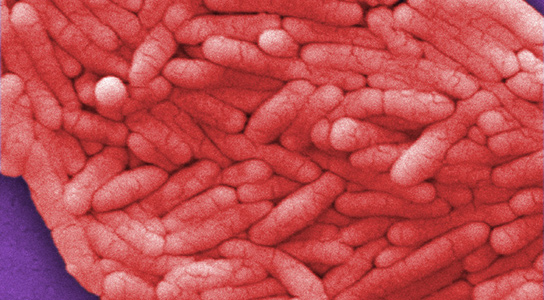
    Salmonella Typhimurium bacteria. Credit: Janice Haney Carr

    It seems that allergic diseases have reached an almost pandemic level. That’s what a new study states in the journal Nature Medicine. Allergies are caused by a combination of different factors, but that doesn’t help identify the exact culprits.

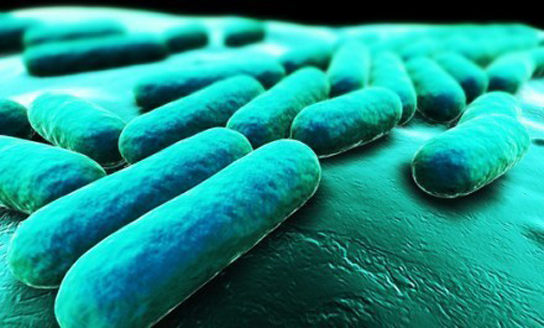
    Some evidence points to the intestines as being the part in our bodies where the root cause might originate. Epidemiological studies have linked commensal bacteria from the colon to the development of allergic diseases. There are typically between 1,000 and 15,000 different kinds of bacterial species in the human gut. Immunologists also point to some immune cells that mediate allergic inflammation.
    gut-bacteria

    Commensal bacteria promote allergic inflammation in animal studies, but researchers have yet to find out how exactly this process works. Scientists discovered in this study that treating mice with antibiotics elevated the levels of antibodies known to be important in allergies and asthma (IgE class antibodies). These elevated levels increased the levels of basophils, which are other immune cells playing a role in inflammation.

    This also applies to humans, who by default have higher levels of IgE. People with higher levels of IgE are more susceptible to eczema, infections, and asthma.

    It has been known that IgE mediates allergies but no one knew that the bacteria living in the gut may use it to check the growth of immune precursor cells in the bone marrow. This in turn may have wide-ranging implications and help explain other chronic inflammatory diseases that have also been associated with changes in these bacterial populations. Commensal bacteria might affect cancer and other autoimmune diseases.

    Reference: “Commensal bacteria–derived signals regulate basophil hematopoiesis and allergic inflammation” by David A Hill, Mark C Siracusa, Michael C Abt, Brian S Kim, Dmytro Kobuley, Masato Kubo, Taku Kambayashi, David F LaRosa, Ellen D Renner, Jordan S Orange, Frederic D Bushman and David Artis, 25 March 2012, Nature Medicine.
    DOI: 10.1038/nm.2657

    Never miss a breakthrough: Join the SciTechDaily newsletter.
    Follow us on Google and Google News.

    Antibiotic Bacteria Guts Intestines Popular
    Share. Facebook Twitter Pinterest LinkedIn Email Reddit

    Related Articles

    Sugar Targets Microbe Linked to Lean and Healthy People

    New Research Shows Human Intestinal Bacteria Can Trigger Multiple Sclerosis

    Nanotubular Structures Enable a Direct Exchange of Nutrients Between Bacteria

    Calcified Bacteria Sheds Light on the Health Consequences of the Evolving Diet

    Superoxide Reacts With Manganese to Aid in Environmental Cleanup

    Microbial Life Lining Our GI Tracts Has Coevolved With Us

    How Chronic Inflammation of Organs Can Become Cancerous

    Understanding Antibiotics and Their Role in Killing Bacteria

    Viruses Use Bacteria for Reproduction

    1 Comment

    1. Pete on June 23, 2012 1:33 pm

      We should look at long term effects of food additives (conservatives,preservatives, colorants, taste enhancers, etc.) and, probably genetic manipulation. Bacteria and viruses interchange genetic material with human cells and so do the many additives that are genetic irritants to human cells in the long run. Adminster 500 miligrams of parabens or sulfites will not kill the rats but administer 0.0005 miligrams to a human during 30 years will have a mor dramatic effect on their offspring. Guaranteed.

      Reply
    Leave A Reply Cancel Reply

    • Facebook
    • Twitter
    • Pinterest
    • YouTube

    Don't Miss a Discovery

    Subscribe for the Latest in Science & Tech!

    Trending News

    Just 10 Minutes a Day: Scientists Say This Ancient Chinese Practice Shows Powerful Blood Pressure Benefits

    Scientists Say This Popular Food Could Help Your Body Get Rid of Microplastics

    For the First Time, ChatGPT Has Solved an Unproven Math Problem in Geometry

    This Popular Supplement May Actually Slow Biological Aging, Scientists Reveal

    Can a Common Vitamin Fight the Most Aggressive Brain Cancer?

    Scientists Discover How to Stop Vision Loss Before It Starts

    The Mediterranean Isn’t Safe: Scientists Warn of Inevitable Tsunami

    Scientists Say Washing Dishes With a Sponge Has a Concerning Side Effect

    Follow SciTechDaily
    • Facebook
    • Twitter
    • YouTube
    • Pinterest
    • Newsletter
    • RSS
    SciTech News
    • Biology News
    • Chemistry News
    • Earth News
    • Health News
    • Physics News
    • Science News
    • Space News
    • Technology News
    Recent Posts
    • A 500-Million-Year-Old Surprise Is Forcing Scientists to Rethink Spider Evolution
    • Ancient Carbon Is Flooding Arctic Rivers As Permafrost Melts Faster
    • Scientists Finally Capture Mysterious Molecule That’s Eluded Detection for 70 Years
    • Scientists Want Your Brain to Study Autism. Here’s Why
    • Something Is Warping Saturn’s Magnetic Field and It’s Not What You Think
    Copyright © 1998 - 2026 SciTechDaily. All Rights Reserved.
    • Science News
    • About
    • Contact
    • Editorial Board
    • Privacy Policy
    • Terms of Use

    Type above and press Enter to search. Press Esc to cancel.