
Close Menu
    Facebook X (Twitter) Instagram
    SciTechDaily
    • Biology
    • Chemistry
    • Earth
    • Health
    • Physics
    • Science
    • Space
    • Technology
    Facebook X (Twitter) Pinterest YouTube RSS
    SciTechDaily
    Home»Biology»Ruminant Orthobunyavirus Takes Northern Europe By Surprise
    Biology

    Ruminant Orthobunyavirus Takes Northern Europe By Surprise

    By SciTechDailyJanuary 14, 2012No Comments3 Mins Read
    Facebook Twitter Pinterest Telegram LinkedIn WhatsApp Email Reddit
    Share
    Facebook Twitter LinkedIn Pinterest Telegram Email Reddit
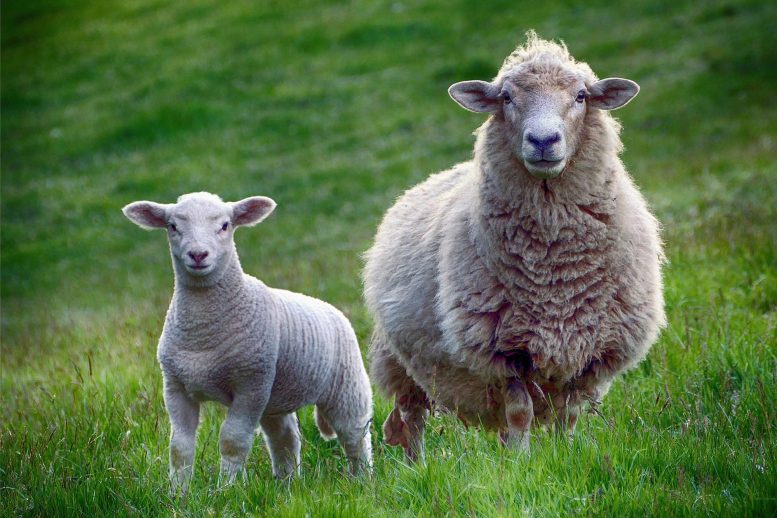
    Meadow With Sheep
    Scientists have uncovered a new virus has been found that causes fetal malformations and stillbirths in cattle, sheep, and goats in northern Europe.

    A new virus has been found that causes fetal malformations and stillbirths in cattle, sheep, and goats in northern Europe. Scientists don’t have a clue about the origin of the virus or why there is this sudden outbreak. Scientists want to share the virus and protocols to allow anyone interested to study the disease and develop tools and vaccines.

    The virus has been named Schmallenberg after the German town where the first positive samples originated from and was detected in November in dairy cows which had shown signs of infection with fever and reduced milk production. The virus has now been detected in sheep and goats in dozens of neighboring farms in the Netherlands and Belgium. There have been 20 cases in farms in Germany, 52 in the Netherlands, and 14 in Belgium. There are many more suspected cases which are currently being investigated. It has become a serious threat to the health of animals in northern Europe.

    The virus appears to be transmitted by midges (Culicoides spp.) and the infections likely occurred in the summer and autumn of last year. Fetuses that were exposed to the virus are just only being born. Cases with congenital malformations such as hydranencephaly (parts of the brain have been replaced by sacs filled with fluid) and scoliosis (curved spine) appeared right before Christmas. Scientists are seeing 20% to 50% of lambs with such malformations in some herds. Most of these animals are stillbirths.

    Scientists are expecting this to get worse, especially in cattle, as the fetuses will only come to term in February or March. Virologists have been able to isolate and culture the virus. Researchers at the Friedrich-Loeffler-Institute (FLI), the German federal animal health lab located on the island of Riems, have sequenced the genome of the pathogen. It’s been compared to a member of the group of orthobunyaviruses. These viruses are mainly transmitted by mosquitoes and midges and are best known in Asia. However some have been circulating in Europe for decades. The closest known virus to Schmallenberg is the Shamonda virus, which in turn belongs to the Simbu serogroup that has been known to infect ruminants.

    The segmented genome of the orthobunyaviruses makes it easy for new combinations to emerge, just like with the influenza virus. It is yet unknown whether Schmallenberg can affect humans. There are at least 30 orthobunyaviruses that have been associated with human diseases. A risk assessment by the European Center for Disease Prevention and Control in Stockholm was issued just before Christmas stating that it is unlikely that this new orthobunyavirus will affect humans, but it cannot be excluded at this state.

    Never miss a breakthrough: Join the SciTechDaily newsletter.
    Follow us on Google and Google News.

    Animals Cattle Epidemiology Europe Sheep Virology Virus
    Share. Facebook Twitter Pinterest LinkedIn Email Reddit

    Related Articles

    Novel Coronavirus hCoV-EMC Infects Humans & Animals

    New Coronavirus Could Infect Millions During Hajj in Saudi Arabia

    West Nile Virus Might Be Linked to Kidney Problems

    Brucella Blocked From Bonding With Host, Could Lead to Superbug Cure

    Monkeys Cured of Ebola Zaire Virus With Antibody Cocktail

    Central American Bats Harbor a New Subtype of Influenza

    Visual Science’s Ebolavirus 3D Model is 10 Times More Complex Than Their HIV Model

    NDM-1 Super Bacteria Scares Medical Community in India

    Moratorium Into Research of Modified Contagious H5N1 Avian Flu Strains

    Leave A Reply Cancel Reply

    • Facebook
    • Twitter
    • Pinterest
    • YouTube

    Don't Miss a Discovery

    Subscribe for the Latest in Science & Tech!

    Trending News

    Scientists Uncover Potential Brain Risks of Popular Fish Oil Supplements

    Scientists Discover a Surprising Way To Make Bread Healthier and More Nutritious

    After 60 Years, Scientists Uncover Unexpected Brain Effects of Popular Diabetes Drug Metformin

    New Research Uncovers Hidden Side Effects of Popular Weight-Loss Drugs

    Scientists Rethink Extreme Warming After Surprising Ocean Discovery

    Landmark Study Links Never Marrying to Significantly Higher Cancer Risk

    Researchers Discover Unknown Beetle Species Just Steps From Their Lab

    Largest-Ever Study Finds Medicinal Cannabis Ineffective for Anxiety, Depression, PTSD

    Follow SciTechDaily
    • Facebook
    • Twitter
    • YouTube
    • Pinterest
    • Newsletter
    • RSS
    SciTech News
    • Biology News
    • Chemistry News
    • Earth News
    • Health News
    • Physics News
    • Science News
    • Space News
    • Technology News
    Recent Posts
    • Common Blood Pressure Drug Shows Surprising Power Against Deadly Antibiotic-Resistant Superbug
    • Students Build Dark Matter Detector and Set New Experimental Limits
    • Scientists Discover Caffeine Can Repair Key Memory Circuits After Sleep Loss
    • Strange 65-Foot Dinosaur Discovered in Argentina
    • Researchers Uncover Source of Strange Deformation in Earth’s Largest Continental Rift
    Copyright © 1998 - 2026 SciTechDaily. All Rights Reserved.
    • Science News
    • About
    • Contact
    • Editorial Board
    • Privacy Policy
    • Terms of Use

    Type above and press Enter to search. Press Esc to cancel.