
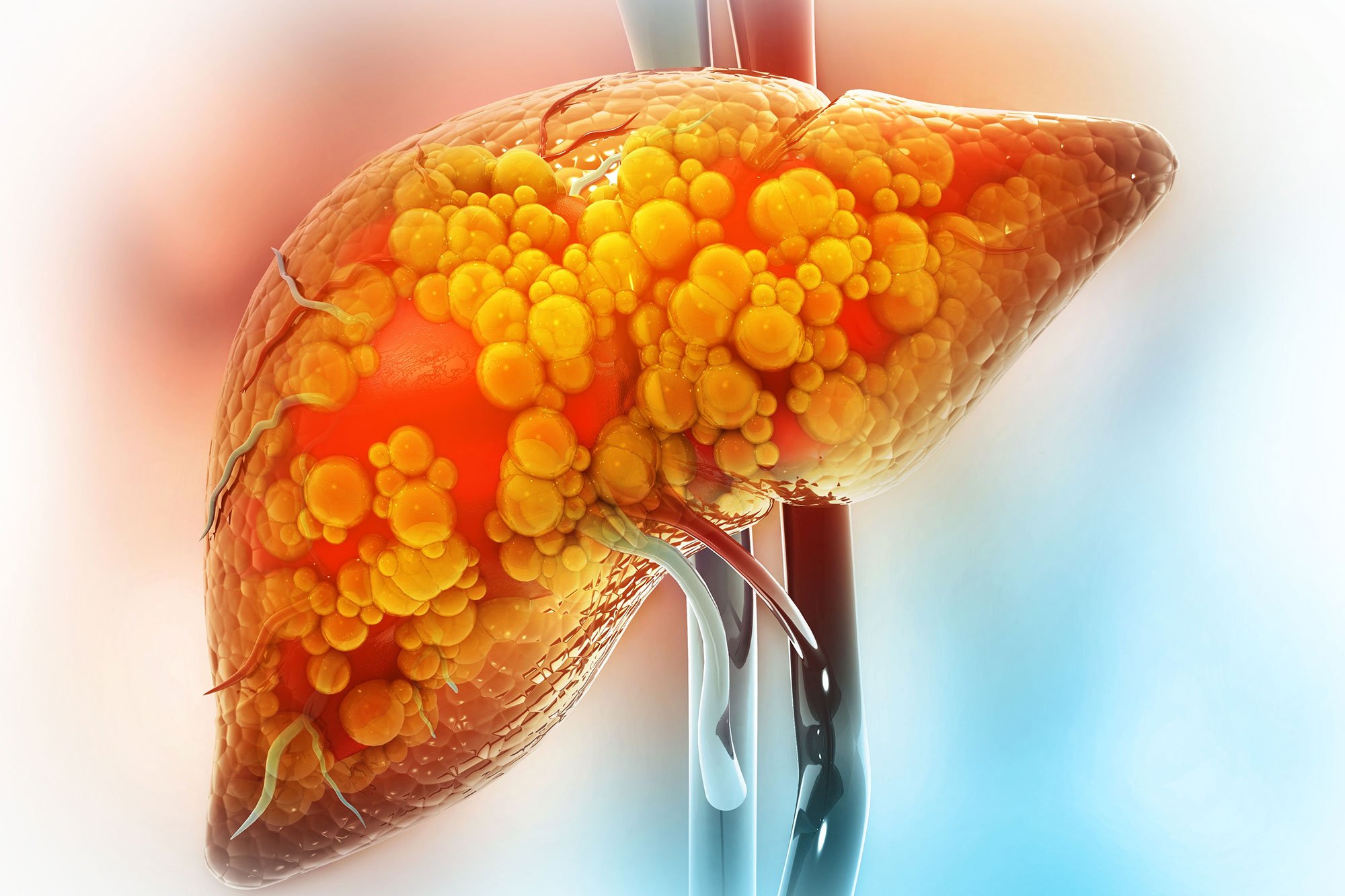
A liver disease affecting nearly 30% of adults worldwide may not be one condition at all, with researchers identifying five distinct forms linked to different biological pathways and health risks.
Fat can accumulate in the liver for years without causing obvious symptoms, even as damage progresses toward inflammation, scarring, cancer, or irreversible liver failure. The condition affects nearly 30% of adults worldwide, but new research suggests that patients grouped under the same diagnosis may actually be experiencing several biologically different forms of disease.
Mayo Clinic researchers, working with scientists at Virginia Tech, identified five distinct subtypes of metabolic dysfunction-associated steatotic liver disease, or MASLD. The subtypes followed different biological pathways and carried different risks for heart disease, liver failure, cancer, and the need for liver transplantation. The findings were published in Nature Communications.
Genetic subtypes carry greater risk
MASLD, formerly known as nonalcoholic fatty liver disease, develops when fat builds up in the liver. Obesity and diabetes are important drivers for some patients, but the new analysis found that inherited genetic factors can define other forms of the disease. Those genetic subtypes were associated with a greater risk of progressing to advanced liver disease, including among people who did not have the metabolic risk factors typically associated with MASLD.
“When clinical and genomic data are analyzed together at this scale, you begin to see patterns of disease progression that would otherwise remain hidden,” says Shulan Tian, Ph.D., co-senior author and a bioinformatician at Mayo Clinic. “Once you separate these subtypes, you can start to match treatments to the biology that’s actually driving the disease.”
Clinical data separates five subtypes
The researchers combined genetic sequencing with detailed clinical information from more than 4,600 patients with MASLD. Their dataset included liver enzymes, body mass index, lipid levels, and coexisting conditions including diabetes, depression, and sleep apnea.
Advanced computational modeling then allowed the team to group patients according to shared underlying biological signals. Instead of treating MASLD as one broadly defined condition, the analysis separated it into five subtypes that reflected different routes through which the disease could develop and progress.
“What’s emerging here is a way to systematically identify meaningful subgroups within complex disease,” says Eric Klee, Ph.D., co-senior author and the Everett J. and Jane M. Hauck Midwest Associate Director of Research and Innovation. “It helps us map complex disease with such precision that we can begin to anticipate its course and intervene before the most serious damage occurs.”
Genomic records expose hidden patterns
The analysis drew on Mayo Clinic’s Research Data Atlas, which connects genetic information with patient records so researchers can search for patterns across large populations. Klee helped build the platform, which incorporates data from the Tapestry Study.
Tapestry has generated Mayo Clinic’s largest collection of exome data, covering more than 100,000 participants. By pairing that genetic information with detailed clinical records, researchers can examine how inherited differences correspond with the way diseases emerge and change over time.
“This is exactly the kind of insight large-scale genomic research was built to deliver,” says Konstantinos Lazaridis, M.D., the Carlson and Nelson Endowed Executive Director for the Center for Individualized Medicine, who led the Tapestry Study and is a co-author of the research. “When you connect genetic data with detailed clinical information across large populations, you can start to redefine diseases in ways that directly impact patient care.”
Subtypes extend beyond the liver
The biological differences also extended beyond the liver. Researchers reported for the first time that particular MASLD subtypes were associated with conditions including depression, sleep apnea, and migraine, pointing to connections between the disease and multiple organ systems.
Separating MASLD into biologically distinct forms could eventually help clinicians identify patients at greater risk earlier, refine screening, and match treatments more closely to the processes driving an individual patient’s disease. The researchers next plan to test the approach in broader patient populations and examine how the subtypes respond to different treatments, including GLP-1 receptor agonists.
Reference: “Subtyping metabolic dysfunction-associated steatotic liver disease using electronic health record-linked genomic cohorts reveals diverse etiologies and progression” by Tahmina Sultana Priya, Huihuang Yan, Kirk J. Wangensteen, Stephen Wu, Anthony C. Luehrs, Filippo Pinto e Vairo, Fan Leng, Andres J. Acosta, Robert A. Vierkant, Alina M. Allen, Konstantinos N. Lazaridis, Eric W. Klee, Danfeng Daphne Yao and Shulan Tian, 2 September 2026, Nature Communications.
DOI: 10.1038/s41467-026-77410-6
Never miss a breakthrough: Join the SciTechDaily newsletter.
Follow us on Google and Google News.
1 Comment
Nature and industrialist and billionaires are always trying to kill us so these studies could go on forever.