
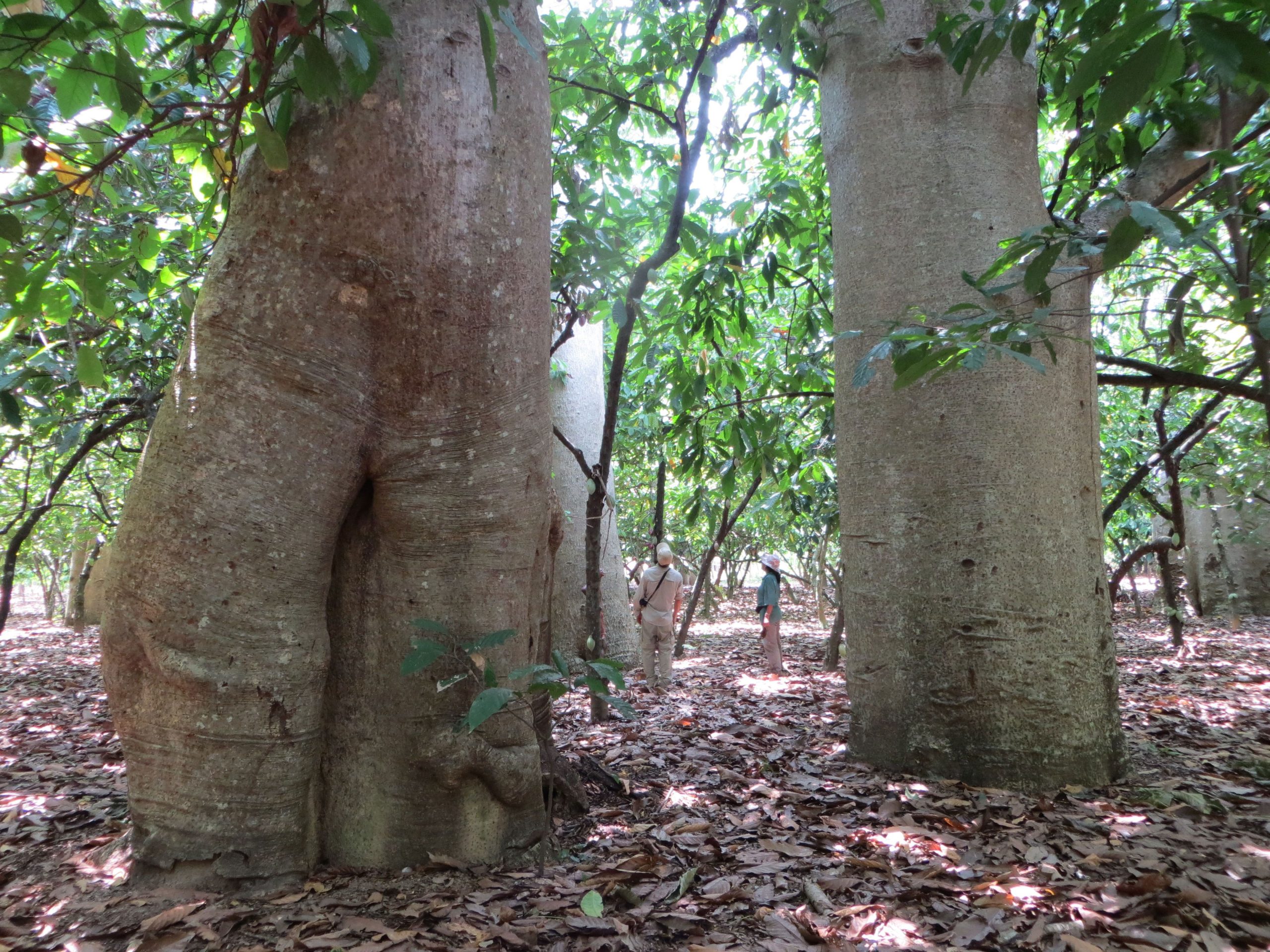
Genetic analysis has revealed a distinct baobab species in Madagascar, potentially changing how two threatened tree populations are conserved.
In Madagascar, some baobab trees that appeared to belong to the same species were hiding a deeper genetic difference. Researchers at the University of Wisconsin-Madison have now recognized Adansonia bozy as a distinct species found only on the island, according to a study published in the journal Taxon. The trees had previously been classified as part of another Malagasy baobab species, Adansonia za.
Although the two species look similar, genetic analysis showed that northern populations formerly assigned to A. za are actually more closely related to other baobabs from northern Madagascar. Separating them into a distinct species could also change how conservation resources are directed toward these endangered trees.
Baobabs grow naturally in Australia, continental Africa, and Madagascar. Before the new classification, scientists recognized eight species worldwide: one in Australia, one in continental Africa, and six in Madagascar.
“It’s surprising that we’re still answering basic biological questions about baobabs, in terms of how many species actually exist on the landscape,” says lead author Nisa Karimi, who worked on the project for her PhD in the former Department of Botany.
Genetics reveals a hidden baobab species
Karimi worked with UW–Madison coauthor David Baum, along with researchers from the Missouri Botanical Garden and Iowa State University. Baum, who has studied baobabs for more than 40 years, explained that deciding where one plant species ends and another begins can be complicated. For A. bozy, however, the genetic evidence provided a clear distinction.
“Any group that we choose to recognize in a taxonomy should be composed of organisms that are more closely related to each other, than to anything outside the group,” says Baum.
Fieldwork depended on a brief bloom
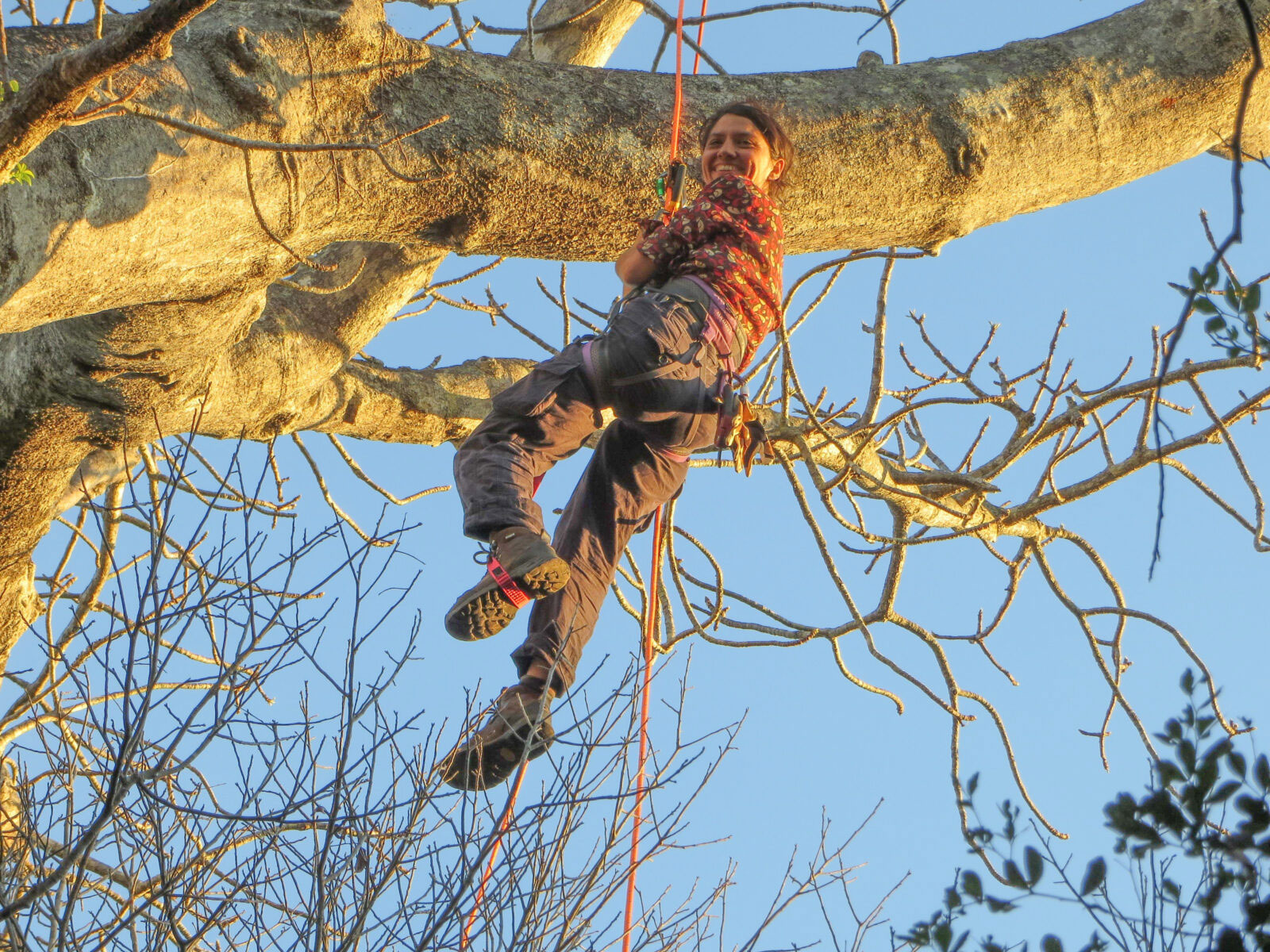
Getting the genetic samples required Karimi to travel into remote areas of Madagascar and locate individual baobabs. Because several Malagasy species can look nearly identical from their leaves alone, identifying them in the field required seeing their flowers.
“To know what you’re looking at, you have to see them in flower,” Karimi says.
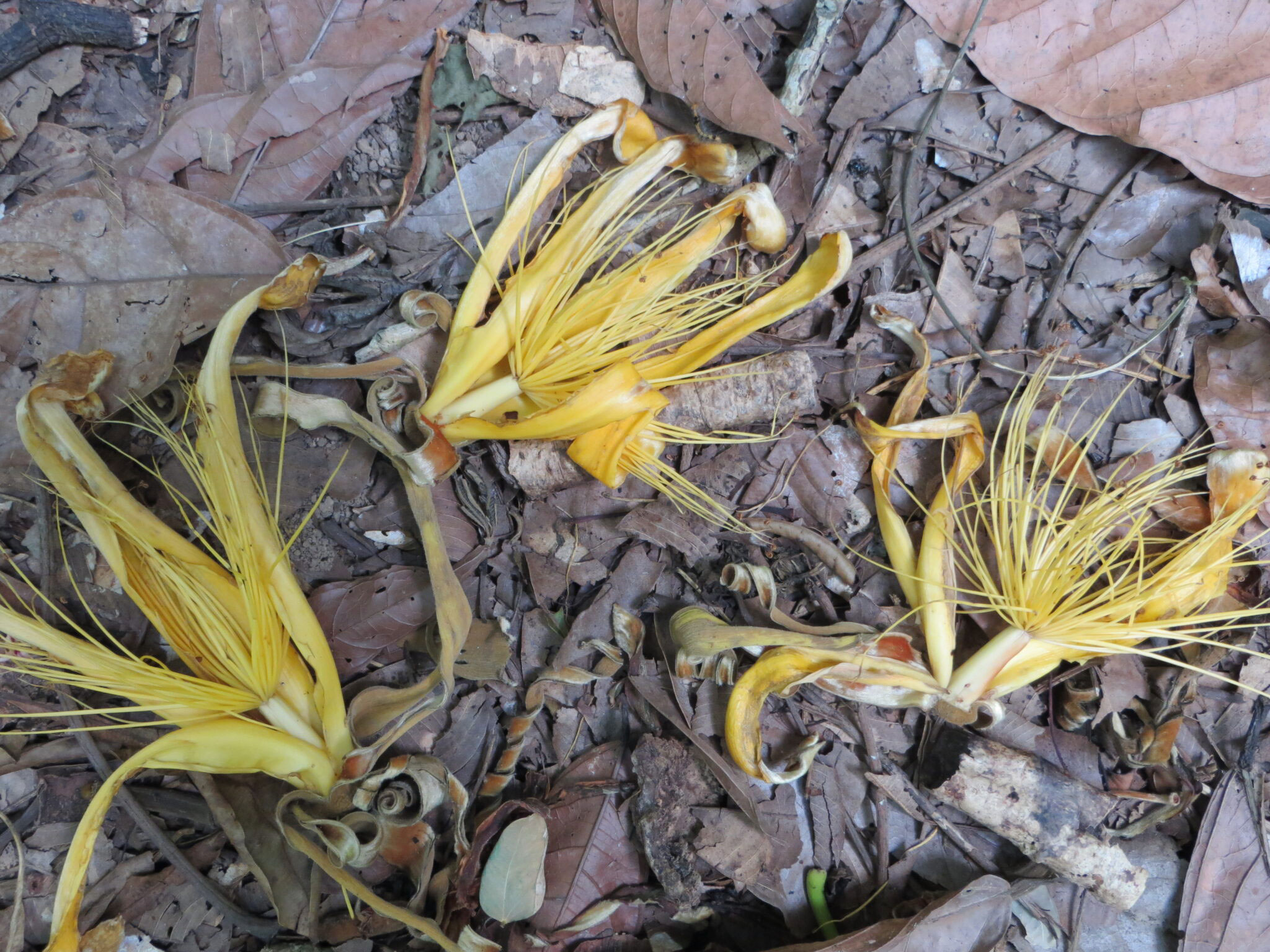
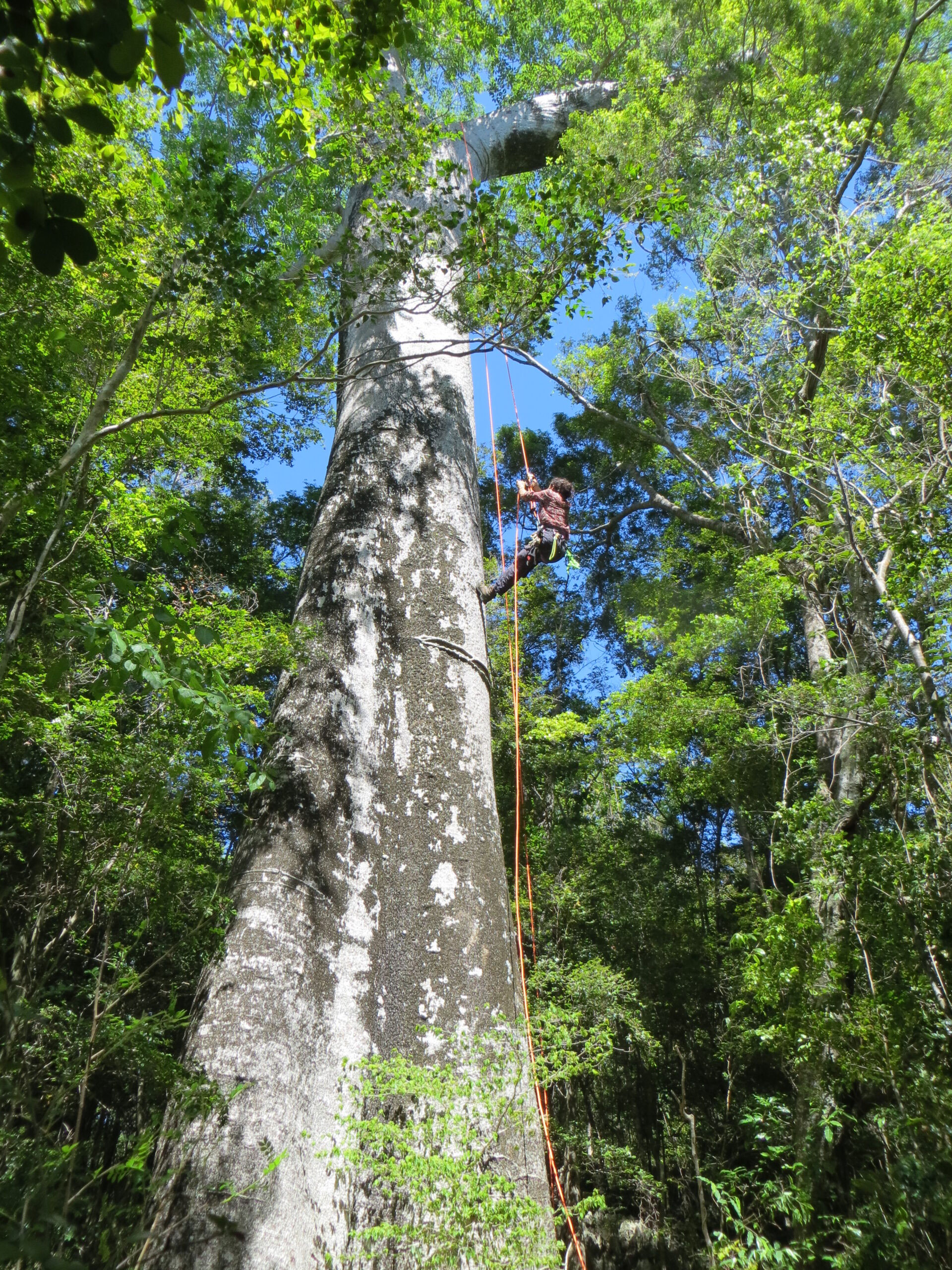
That creates a narrow window for fieldwork. Each species blooms for only about a month, and the flowers open after dusk, sometimes on branches more than 100 feet above the ground. Karimi therefore had to arrive at the right time and use specialized climbing equipment to ascend the enormous trunks and rappel back down.
DNA confirms a different family branch
Once the leaf samples reached Wisconsin, another problem emerged. Grinding the tissues for DNA extraction produced a slimy material because the leaves contained large amounts of polysaccharides.
“If you’re trying to get long genetic sequences, you need high-quality DNA,” Karimi says. ”But, oftentimes, when you have this sort of slimy tissue, [the DNA] fragments.”
After considerable trial and error, Karimi developed a way to obtain the high-quality DNA needed for analysis. The researchers then used targeted sequence capture, a standard phylogenetic technique that identifies and sequences hundreds of selected genes so scientists can compare evolutionary relationships among organisms.
Karimi identified the relevant gene regions within DNA fragments from each sampled organism and then compared those genes among species. Computational methods helped her combine and interpret the hundreds of gene sequences included in the analysis.
“Despite it sharing morphologies to the species that it was later classified with, [A.bozy] is actually more closely related to two other groups in northern Madagascar than the species it was synonymized with,” Karimi summarizes.
Reclassification could reshape conservation priorities
Based on where A. bozy is known to occur in Madagascar, Karimi and Baum believe the newly recognized species is endangered.
That distinction could have practical consequences because conservation funding in Madagascar often prioritizes threatened and endangered species. Karimi said recognizing A. bozy separately could make additional resources available for its protection. The findings also raise new questions about A. za, which had previously appeared to occupy a much larger range.
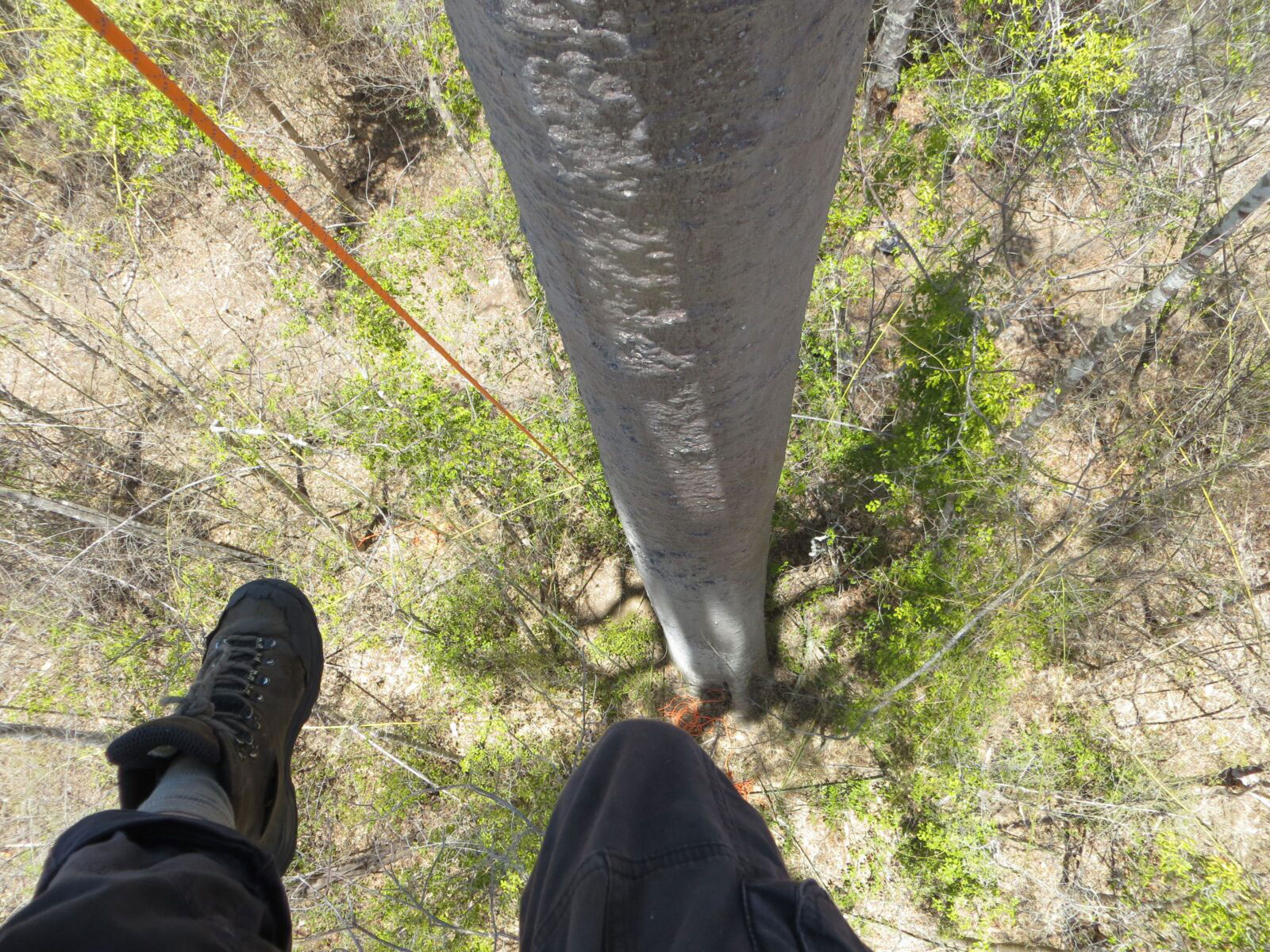
Removing the trees now classified as A. bozy leaves A. za with a smaller known population and distribution, which could ultimately lead to a reassessment of its conservation status.
“You can’t conserve anything if you don’t know how to describe and name them and understand how they’re related to other things on the landscape,” says Karimi.
Karimi and Baum suspect that more undiscovered species may remain in remote parts of Madagascar. Their results also indicate that another widespread baobab, A. rubropstipa, may need to be split into separate species. They plan to continue studying Madagascar’s baobabs to clarify the island’s biodiversity and improve efforts to conserve it.
Reference: “Phylogenomic analysis of Madagascar’s baobabs reveals admixed populations and supports resurrection of a previously described species” by Nisa Karimi, Corrinne E. Grover, Jonathan F. Wendel and David A. Baum, 12 July 2026, TAXON.
DOI: 10.1002/tax.70176
Funding was acquired by DAB, CEG, and JFW from the National Science Foundation grant DEB-1354268.
Never miss a breakthrough: Join the SciTechDaily newsletter.
Follow us on Google and Google News.
1 Comment
The surname Baum means “tree” in German. Looks like a love for trees is in David Baum’s genes!