
Close Menu
    Facebook X (Twitter) Instagram
    SciTechDaily
    • Biology
    • Chemistry
    • Earth
    • Health
    • Physics
    • Science
    • Space
    • Technology
    Facebook X (Twitter) Pinterest YouTube RSS
    SciTechDaily
    Home»Biology»A Fifth of All Invertebrates on Earth Threatened by Extinction
    Biology

    A Fifth of All Invertebrates on Earth Threatened by Extinction

    By SciTechDailySeptember 4, 20122 Comments2 Mins Read
    Facebook Twitter Pinterest Telegram LinkedIn WhatsApp Email Reddit
    Share
    Facebook Twitter LinkedIn Pinterest Telegram Email Reddit
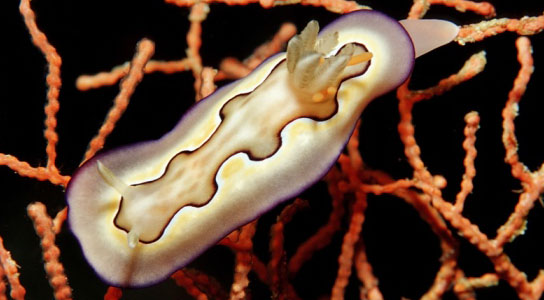
    Nudibranch sea slugs
    Nudibranch sea slugs are among a host of invertebrate species that could face extinction. Credit: WaterFrame/Imagebroker/FLPA

    One in five of Earth’s invertebrate species is currently threatened with extinction. These creatures represent 99% of the biodiversity on Earth. Until now, scientists haven’t attempted a comprehensive review of the conservation status of this many species. Less than 1% of invertebrates had been assessed by the International Union for Conservation of Nature (IUCN).

    Scientists published their findings in a report in the journal Zoological Society of London. The IUCN’s Red List is biased towards larger species. The project that Ben Collen, a biodiversity scientist at the ZSL Institute of Zoology in London has been running for the last five years tries to put invertebrates onto the Red List systematically.
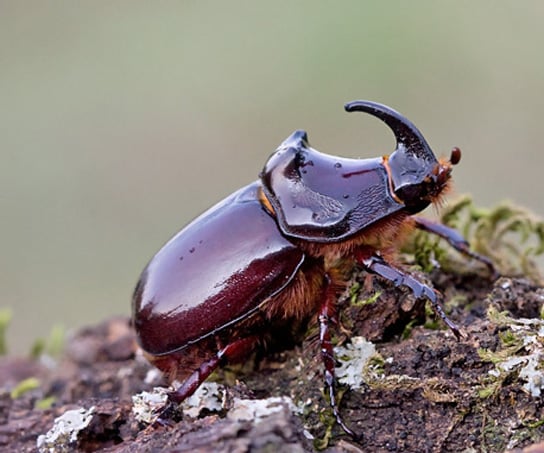
    european-rhinoceros-beetle

    The greatest threat is to freshwater invertebrates, which include crabs and snails. Mobiles invertebrates, such as butterflies and dragonflies, tend to have the least risk of extinction. The report estimates that 34% of freshwater invertebrates are at risk, including more than half of the world’s freshwater snails and slugs. In the southeastern USA, almost 40% of mollusks and crayfish could be wiped out due to dams and pollution. In the oceans, a third of reef-building corals are endangered because of climate change which causes bleaching and acidification.

    Habitat loss, pollution, and invasive species represent the biggest threats to invertebrate diversity on Earth. The proportion at risk is similar to the findings in vertebrates and plants. The report will be presented to the World Conservation Congress in Jeju, South Korea on September 7th.

    Collen and his team used a sampled approach to evaluate 1,500 known species in the 4 representative groups, freshwater mollusks, dragonflies, dung beetles, and butterflies. They included assessments of crayfish, freshwater crabs, reef-building corals, and cephalopods in their evaluation.

    Collen and his team queried thousands of experts worldwide to help gather data. This was supplemented with data from independent taxonomic and regional assessments. Some experts warn that it’s premature to draw conclusions from such a limited sample. It’s too small to make generalizations.

    Never miss a breakthrough: Join the SciTechDaily newsletter.
    Follow us on Google and Google News.

    Biodiversity Conservation Extinction Popular Zoology
    Share. Facebook Twitter Pinterest LinkedIn Email Reddit

    Related Articles

    “Extinct” Pinatubo Volcano Mouse Rediscovered on Volcano That Erupted 30 Years Ago

    Air Conditioning Is Failing for Glacier National Park’s Iconic Mountain Goats

    71 New Species From 2019 Described by Scientists: From Geckos to Goblin Spiders

    Lost Species of Miniature Fanged ‘Mouse Deer’ Rediscovered Sneaking Through Vietnam’s Coastal Forests

    Meet the “Extinct Species” That Was Just Rediscovered After 200 Years

    Elephants Are More Likely to Die at the Hands of Humans Than From Natural Causes

    At Least a Third of All Marine Species Are Still Unknown

    Previously Thought Extinct Sri Lankan Kandyan Dwarf Toad Reappears

    Poisonous Dendrobatidae Frogs are Aposematic Organisms and Critically Endangered

    2 Comments

    1. Ken Hranicky on September 4, 2012 10:10 am

      We are destroying the food chain and get nothing but push back from climate change deniers. These deniers are effectively killing the planet for human habitation. I hope their ‘god’ is happy.

      Reply
    2. N. Coppedge on September 8, 2012 12:14 pm

      And the world is losing oxygen too, isn’t it? Or is it just my imagination?

      Reply
    Leave A Reply Cancel Reply

    • Facebook
    • Twitter
    • Pinterest
    • YouTube

    Don't Miss a Discovery

    Subscribe for the Latest in Science & Tech!

    Trending News

    One of the Universe’s Largest Stars May Be Getting Ready To Explode

    Scientists Discover Enzyme That Could Supercharge Ozempic-Like Weight Loss Drugs

    Popular Sweetener Linked to DNA Damage – “It’s Something You Should Not Be Eating”

    Ancient “Rock” Microbes May Reveal How Complex Life Began

    Researchers Capture Quantum Interference in One of Nature’s Rarest Atoms

    “A Plague Is Upon Us”: The Mass Death That Changed an Ancient City Forever

    Scientists Discover Game-Changing New Way To Treat High Cholesterol

    This Small Change to Your Exercise Routine Could Be the Secret to Living Longer

    Follow SciTechDaily
    • Facebook
    • Twitter
    • YouTube
    • Pinterest
    • Newsletter
    • RSS
    SciTech News
    • Biology News
    • Chemistry News
    • Earth News
    • Health News
    • Physics News
    • Science News
    • Space News
    • Technology News
    Recent Posts
    • New Study Challenges 40-Year Puzzle About Childhood Body Fat
    • 20-Year Study Finds Daily Multivitamins Don’t Extend Lifespan
    • Landmark Study Links Never Marrying to Significantly Higher Cancer Risk
    • Revolutionary Imaging Technique Unlocks Secrets of Matter at Extreme Speeds
    • Where Does Mass Come From? Scientists Find Evidence of a New Exotic Nuclear State
    Copyright © 1998 - 2026 SciTechDaily. All Rights Reserved.
    • Science News
    • About
    • Contact
    • Editorial Board
    • Privacy Policy
    • Terms of Use

    Type above and press Enter to search. Press Esc to cancel.