
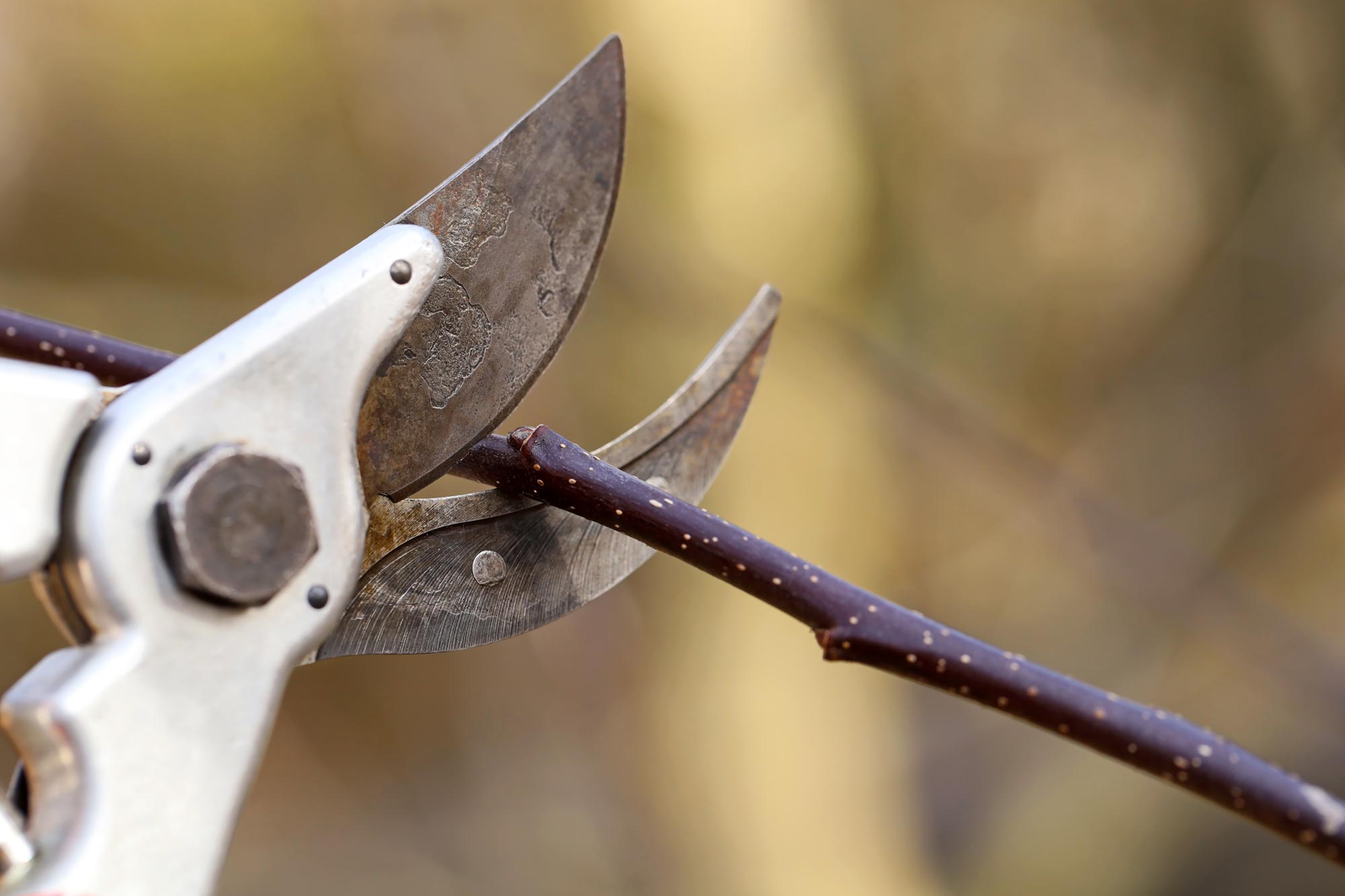
Scientists have discovered that many plants emit faint ultrasonic clicks when distressed.
It sounds like something out of a dark children’s story. Hurt a plant, and it “screams.”
Not in a way humans can hear, but in a newly documented study, stressed plants were found to release bursts of ultrasonic sound that resemble faint pops or clicks, similar to bubble wrap snapping. These signals, described in the journal Cell, are produced by tomato and tobacco plants when they are dehydrated or physically damaged.
The sounds are as loud as a normal conversation, around 60 to 65 decibels (about 60 to 65 decibels), but they occur at frequencies far beyond human hearing. That means the world around us may be filled with plant noise that goes completely unnoticed.
Hidden Sounds in a Silent World
“Even in a quiet field, there are actually sounds that we don’t hear, and those sounds carry information,” says senior author Lilach Hadany, an evolutionary biologist and theoretician at Tel Aviv University. “There are animals that can hear these sounds, so there is the possibility that a lot of acoustic interaction is occurring.”
Scientists have previously detected ultrasonic vibrations in plants, but this study is the first to show that the sounds travel through the air. This makes them more relevant to other organisms in the environment. “Plants interact with insects and other animals all the time, and many of these organisms use sound for communication, so it would be very suboptimal for plants to not use sound at all,” says Hadany.
This is an audio recording of plant sounds. The frequency was lowered so that it is audible to human ears. Credit: Khait et al.
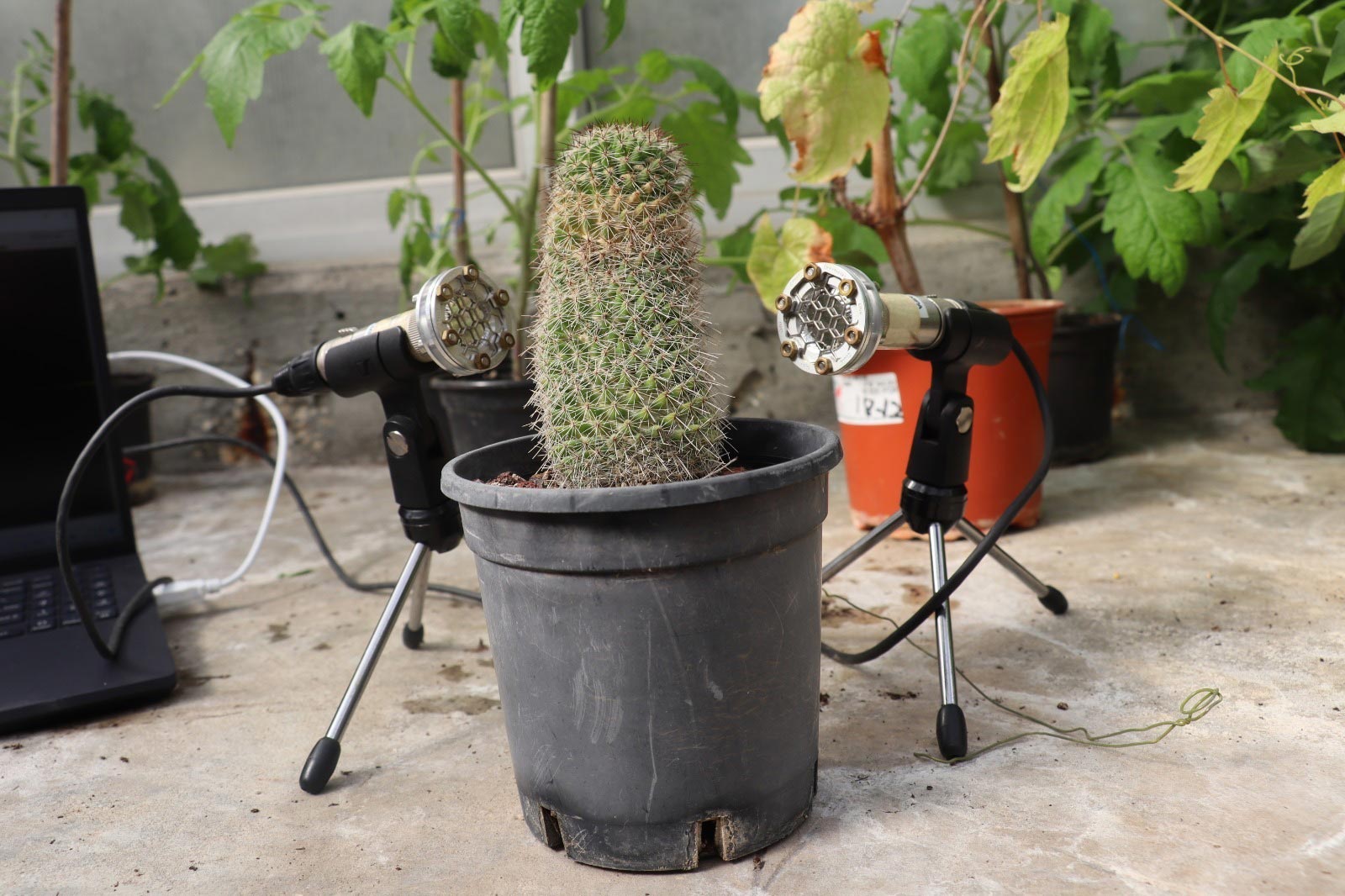
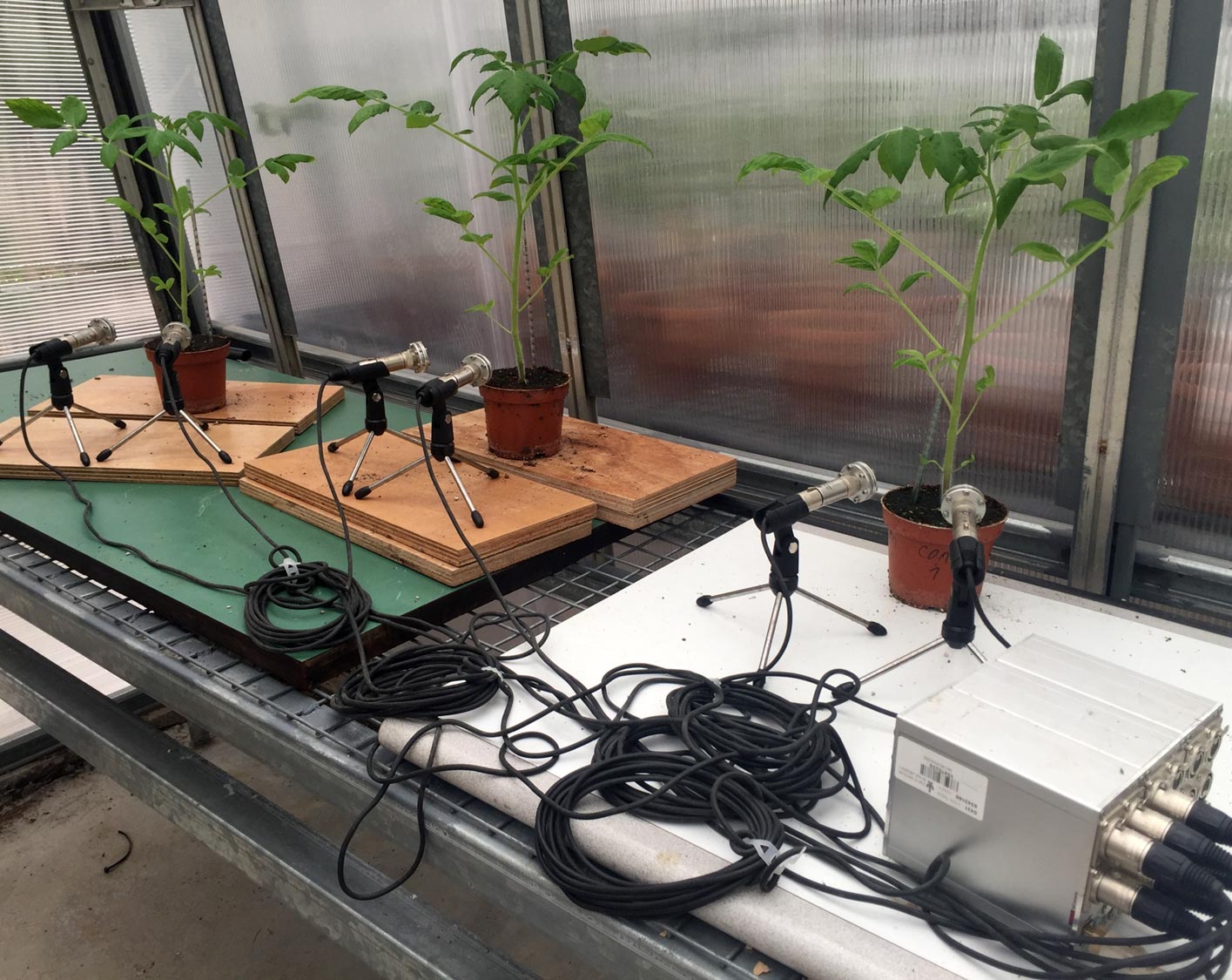
To investigate, the researchers recorded both healthy and stressed tomato and tobacco plants using microphones. They conducted experiments in a soundproof chamber and later in a greenhouse with background noise. The plants were stressed in two ways, by withholding water for several days and by cutting their stems. The team then trained a machine learning algorithm to distinguish between healthy plants, dehydrated plants, and cut plants.
Distinct Signals From Distress
The results showed that stressed plants produced far more sounds than healthy ones. These noises come across as clicks or pops, with a single stressed plant emitting about 30 to 50 sounds per hour at irregular intervals. In contrast, healthy plants were mostly silent. “When tomatoes are not stressed at all, they are very quiet,” Hadany says.
Plants experiencing water stress began making sounds before showing visible signs of dehydration. The number of sounds peaked after about five days without water, then declined as the plants became fully dried out. The type of sound also varied depending on the cause of stress. The machine learning system successfully distinguished between dehydration and physical damage and could even identify whether the sounds came from tomato or tobacco plants.
Although the study focused on tomato and tobacco plants because they are easy to grow under controlled conditions, the researchers also tested other species. “We found that many plants, corn, wheat, grape, and cactus plants, for example, emit sounds when they are stressed,” says Hadany.
The exact cause of these sounds is still uncertain. The researchers suggest they may result from cavitation, a process in which air bubbles form and burst inside the plant’s vascular system.
Communication or Byproduct?
It is also unclear whether plants produce these sounds deliberately to communicate. However, their existence could have important ecological and evolutionary consequences. “It’s possible that other organisms could have evolved to hear and respond to these sounds,” says Hadany. “For example, a moth that intends to lay eggs on a plant or an animal that intends to eat a plant could use the sounds to help guide their decision.”
Other plants might also detect and respond to these signals. Previous studies show that plants react to sound and vibration. Hadany and her colleagues have found that plants increase sugar levels in their nectar when they “hear” pollinators, and other research shows that sound can alter plant gene expression. “If other plants have information about stress before it actually occurs, they could prepare,” says Hadany.
These findings could have practical uses in agriculture. Monitoring plant sounds might help farmers track crop hydration levels and improve irrigation efficiency.
“We know that there’s a lot of ultrasound out there, every time you use a microphone, you find that a lot of stuff produces sounds that we humans cannot hear, but the fact that plants are making these sounds opens a whole new avenue of opportunities for communication, eavesdropping, and exploitation of these sounds,” says co-senior author Yossi Yovel, a neuro-ecologist at Tel Aviv University.
“So now that we know that plants do emit sounds, the next question is, ‘who might be listening?’” says Hadany. “We are currently investigating the responses of other organisms, both animals and plants, to these sounds, and we’re also exploring our ability to identify and interpret the sounds in completely natural environments.”
Reference: “Sounds emitted by plants under stress are airborne and informative” by Itzhak Khait, Ohad Lewin-Epstein, Raz Sharon, Kfir Saban, Revital Goldstein, Yehuda Anikster, Yarden Zeron, Chen Agassy, Shaked Nizan, Gayl Sharabi, Ran Perelman, Arjan Boonman, Nir Sade, Yossi Yovel and Lilach Hadany, 30 March 2023, Cell.
DOI: 10.1016/j.cell.2023.03.009
This research was supported by the Israel Science Foundation Bikura Fund, the Manna Center Program for Food Safety and Security fellowships, and the Clore Foundation Scholars Programme.
Never miss a breakthrough: Join the SciTechDaily newsletter.
Follow us on Google and Google News.
20 Comments
I still remember in the Tomkins 1977 book ‘The Secret Life of Plants’ a description of how a carrot ‘trembles’ when he ‘sees’ a rabbit…
😂
IF a tree falls in the forest and no one is around to hear it, does it make a sound🤷♂️
We trim our apple trees to make them healthy. Does it upset them that we want them healthy since we are trimming sick, old trees, or are they thankful we’re making them healthier?
don’t forget how some plants could feel when a live shrimp was dumped into boiling water in the next room….
I saw a video decades ago that claimed this, so it wasn’t “just discovered”
Think I’ll go torture my plants tomorrow after work because that is the sort of person I am
We trim our apple trees to make them healthy. Does it upset them that we want them healthy since we are trimming sick, old trees, or are they thankful we’re making them healthier?
“And as we descended cries of impending doom rose from the soil
One thousand nay a million voices full of fear
And terror possessed me then
And I begged Angel of the Lord what are these tortured screams?
And the angel said unto me
These are the cries of the carrots, the cries of the carrots!”
Disgustipated, 1993
“I felt a great disturbance…It was as if a million voices cried out in terror, and were suddenly silenced.”
Alderaan, circa 1977
LOST IN SPACE. THE GREAT VEGETABLE RELLION episode
Just think of how much your grass must scream when you cut it weekly.
Wow. Maybe your “scientists” should read about discoveries from the 70’s and 80’s before reporting “new” discoveries.
Vegetarians are monsters!
“Never miss a breakthrough:…”
The paper is 3 years old, and this article itself about the same. It isn’t news, it’s olds.
Yup
“I’ve heard the screams of the vegetables
Watching their skins being peeled
Grated and steamed with no mercy:
How do you think that feels?
(bet it hurts really bad)”
–The Arrogant Worms
Carrot Juice is Murder
I appreciate the first page of the Science section at scitechdaily.com statement, “Science is a systematic approach to understanding the natural world through observation, experimentation, and evidence-based reasoning.”, and suggest you add “with logic and mathematics when possible”
As to the plant research, I like the research.
Cleve Baxter (sp?) demonstrated this at length in the ’60s.
LOST IN SPACE. THE GREAT VEGETABLE RELLION episode
It has evidently long been known that plants under stress can communicate with their kind up to a mile away, by, if my memory serves, pheromone like substances (it’s been decades since I read this).