
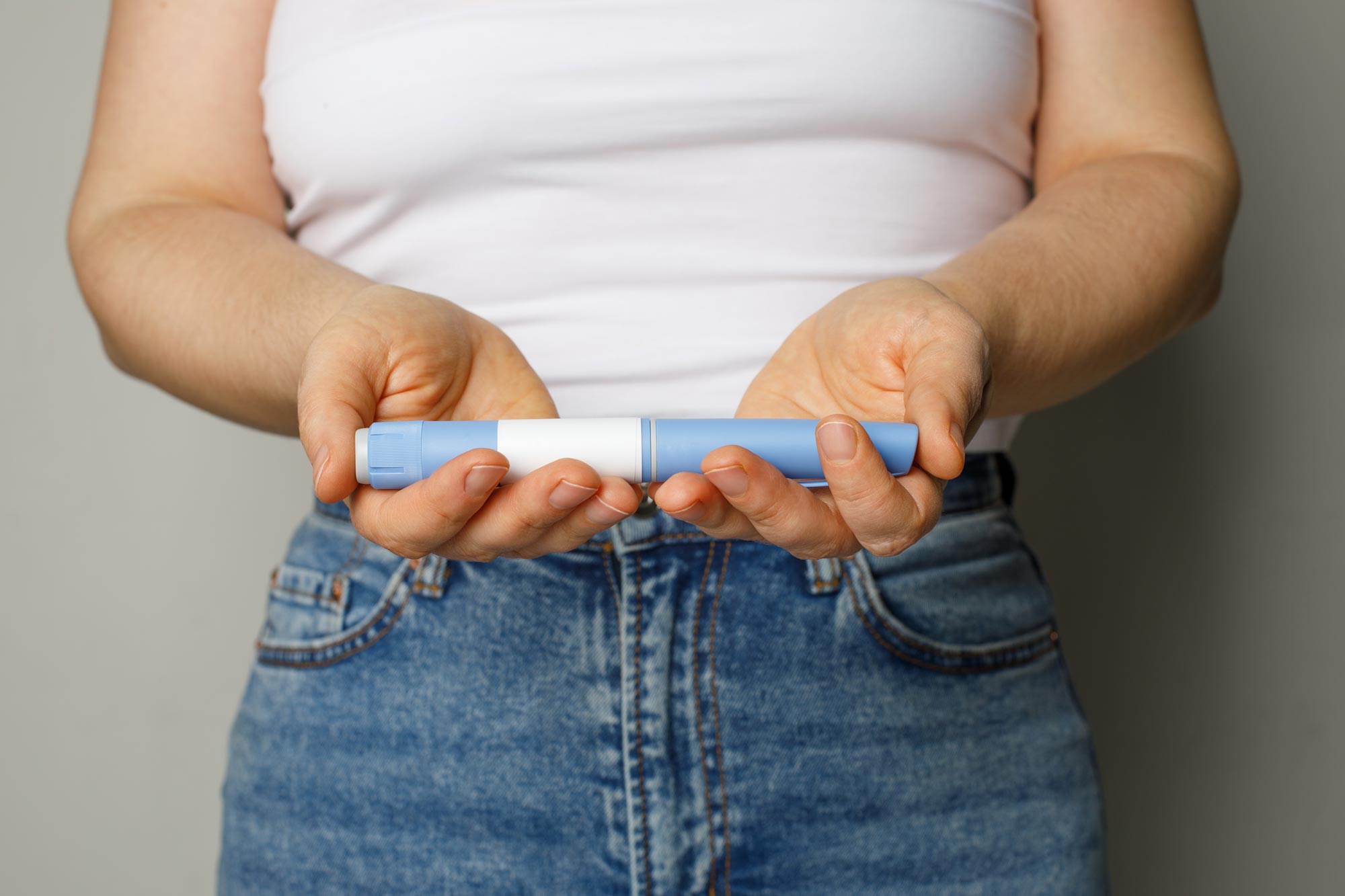
A new study suggests that the effectiveness of widely used GLP-1 weight-loss drugs may depend strongly on consistent use.
Intermittently stopping and restarting popular GLP-1 weight loss drugs such as Ozempic and Wegovy may weaken their impact over time, according to new research from the Perelman School of Medicine at the University of Pennsylvania.
In a preclinical study published in the Journal of Clinical Investigation Insight, scientists found that repeated breaks in treatment reduced how much weight mice were able to lose when the medication was resumed.
“The effectiveness of these medications may depend heavily on consistency,” said Thomas H. Leung, MD, PhD, the Herman Beerman, MD, II Professor in Dermatology at Penn. “Taking GLP-1s may be one of those decisions that people need to discuss and make with their doctor, knowing that taking the drug requires a long-term commitment, and it may not be the best fit for people who struggle with taking medication daily or weekly.”
Rising Use of GLP-1 Drugs and Adherence Challenges
GLP-1 drugs have become increasingly popular, with about 1 in 8 adults in the United States reporting that they have used them for weight loss. Still, many people have difficulty staying on the treatment. More than half stop using GLP-1 therapy within 24 months, and a significant number later begin again.
“Since stopping and starting is so common, my colleagues and I thought it was worth investigating whether or not the GLP-1s work as well each time,” said Leung.
To explore this, the researchers studied two groups of overweight mice over four months. One group received continuous treatment with the GLP-1 drug semaglutide throughout the entire study. The second group followed a “stop-and-start” schedule, taking the drug for two weeks and then stopping for two weeks, repeating this pattern three times before switching to continuous use for the final two months.
Diminishing Weight Loss With Intermittent Use
Both groups lost a similar amount of weight during the first two weeks. However, the mice in the intermittent group quickly regained weight during each break from the drug. When treatment resumed, they were unable to reach their previous lowest weight.
By the end of the study, even after 62 days of steady treatment, the stop-and-start group remained 20 percent heavier than the group that stayed on the medication continuously.
This pattern is not unique to GLP-1 drugs. Other treatments, such as minoxidil for hair regrowth, also become less effective when used inconsistently. GLP-1 medications may behave in a similar way.
Biological Mechanisms Behind Reduced Effectiveness
Researchers believe the reduced effectiveness may be linked to changes in body composition. Weight loss from GLP-1 therapy typically includes about 40 percent muscle and 60 percent fat. When treatment stops and weight returns, most of that gain is fat rather than muscle.
Over time, this shifts the balance between muscle and fat in the body. Using MRI to monitor these changes, the researchers observed what Leung described as a “muscle floor.”
“The body seems to receive a biological signal that it cannot afford to lose more muscle mass,” he explained. “Once that muscle percentage hits a certain low point, the body may resist further weight loss to protect itself.”
Implications for Patients and Future Research
Although more research is needed, especially in humans, the findings point to the importance of maintaining muscle mass during GLP-1 treatment. Clinicians may need to guide patients toward strategies such as exercise and proper nutrition to help preserve muscle.
Future studies will also examine whether similar “diminishing returns” occur with newer medications like tirzepatide (brand name Zepbound), which act on GLP-1 as well as other receptors involved in weight loss.
Reference: “Cycling GLP-1 receptor agonist treatment induces therapeutic resistance and increased adiposity” by Anna J. Son, Emmanuel Rapp, Alex Wiezorek, Max G. Leung, Ronadip R. Banerjee and Thomas H. Leung, 31 March 2026, JCI Insight.
DOI: 10.1172/jci.insight.205174
Never miss a breakthrough: Join the SciTechDaily newsletter.
Follow us on Google and Google News.
1 Comment
Ok. But does this mean there is reduced benifit or simply that you only re-lose a similar total amount of weight once the drug us resumed?
Iirc around 70% of subjects who suspend treatment will regain most or all of the weight lost after months to a year off the shots. This is roughly the same as saying that, on average, 70% of total weight lost comes back after suspending treatment.
But if upon resumption every pound that came back is subsequently lost again there may only be 70% as much weight loss even if everyone regains the same weight they achieved the first time…