
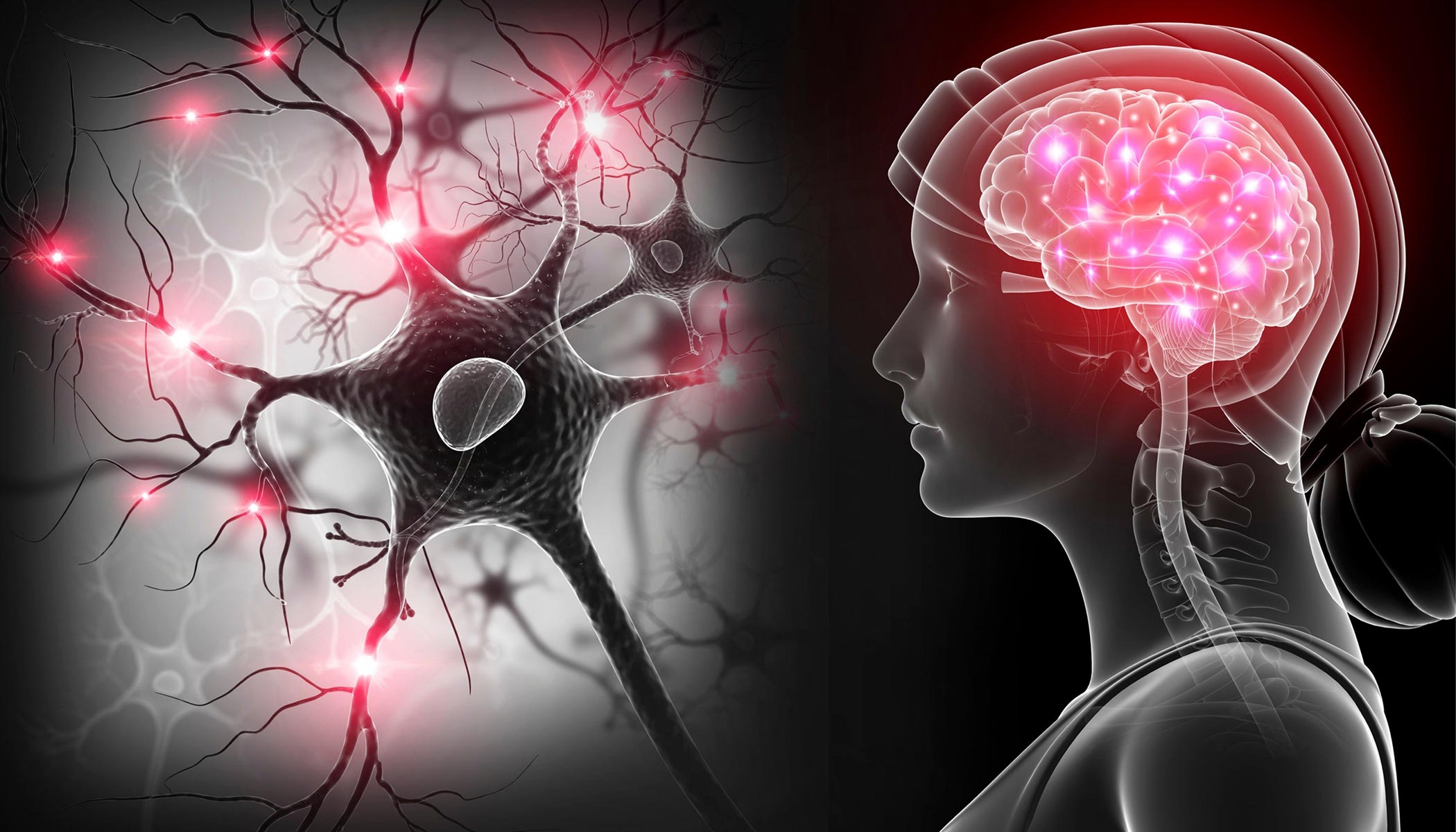
A Rush study has found that exposure to outdoor light in the evening could be a risk factor for Alzheimer’s in individuals under 65 years of age.
According to new research from Rush, exposure to outdoor light at night may be a major risk factor for Alzheimer’s disease.
While light pollution is associated with increased risk of some disorders and diseases, this is the first time it has been associated with Alzheimer’s disease.
The study was conducted at Rush University System for Health and published in Frontiers in Neuroscience.
“Our research shows that there is an association in the U.S. between Alzheimer’s disease prevalence and exposure to light at night, particularly in those under the age of 65,” said lead investigator, Robin Voigt-Zuwala, PhD, an associate professor at Rush. “Nightly light pollution — a modifiable environmental factor — may influence risk for Alzheimer’s.”
High U.S. light levels
While legislation in some states aims to reduce light pollution, levels of nighttime light remain high in many parts of the country.
In studying light pollution maps, researchers looked at the lower 48 states incorporated medical data associated with Alzheimer’s disease risk factors, and divided the groups by light intensity. In the five groups, they found that light intensity was correlated with Alzheimer’s disease prevalence even when some well-established disease factors were not.
While the cause is unknown, higher nighttime light intensity was associated with a greater Alzheimer’s disease prevalence than any other risk factor examined in the study for those under the age of 65, suggesting that younger people may be more sensitive to the effects of light exposure at night.
“Certain genes can influence early-onset Alzheimer’s, and these same genes may cause increased vulnerability to the effects of nighttime light exposure,” Voigt-Zuwala explained. “Additionally, younger people are more likely to live in urban areas and have lifestyles that may increase exposure to light at night.”
Reducing light exposure
Exposure to light influences the body’s natural sleep-wake pattern, which is called a circadian rhythm. Exposure to light at night can disrupt a person’s circadian rhythm, which can promote inflammation and make a person less resilient and more prone to disease. Researchers did not examine light inside the home at night or how it might impact health.
Voigt-Zuwala said, “The good news is that simple changes can be made with minimal effort to reduce exposure to light at night — adding black-out curtains or sleeping with an eye mask.”
The research results are limited to a subset of the population and further testing is needed to better understand the connection between evening outdoor light and Alzheimer’s disease.
The study was funded by the National Institutes of Health.
Never miss a breakthrough: Join the SciTechDaily newsletter.
Follow us on Google and Google News.
3 Comments
I don’t like raining on another’s parade but I think the authors were in too much of a ‘rush’ to get published. With two older family members who lived in rural areas during their decline into premature mortality due to complications of dementia at age seventy-seven, now eighty and still living independently in a four season rural location following two separate incidents of temporary short-term memory problems myself, I’d like to propose herein (in addition to the hundreds of other professionals I’ve similarly written to during the last two decades) what truly is the cause of Alzheimer’s Disease (AD).
Apparently suppressed by a malevolent factor in mainstream medicine in the early 1930s, then renowned American immunologist Dr. Arthur F. Coca identified, studied and reported on a (my) kind of nearly subclinical non-IgE-mediated food (minimally) allergy reactions by 1935, which mainstream medicine still fails to recognize and research as true allergies today. Simply put, the allergy reactions cause mild inflammation which results in the reduction of xanthine oxidase into uric acid (which probably, my postulate, erodes cholesterol from the myelin sheaths of brain and nerve cells to cause a number of neurological disorders) and free radicals (which switch mitochondria from energy to fat production); where the flow of acidic blood is the greatest is where most damage is done. And, it probably includes an undiagnosed calcium deficiency with increased risks for osteoporosis and joint replacements.
As to the current global epidemic of AD, in 1980 the US FDA approved the expanded use of added artificially cultured “free” (can cross the blood brain barrier) excitotoxic/neurotoxic MSG, which has now gone global with the so-called “western diet.” The real question is why is the NIH funding research on AD when I’ve already written them of the FDA’s role in causing epidemic AD?
Well, maybe they should run this study on Major League Baseball players. They are under 65 and play outdoors at night several times a week under bright lights. What is their Alzheimer’s rate?
Light pollution maps probably look a lot like population maps, because light is where the people are. That’s also where other forms of pollution are, like cars. And wiener dogs. I propose that exposure to wiener dogs is the cause of Alzheimer’s.