
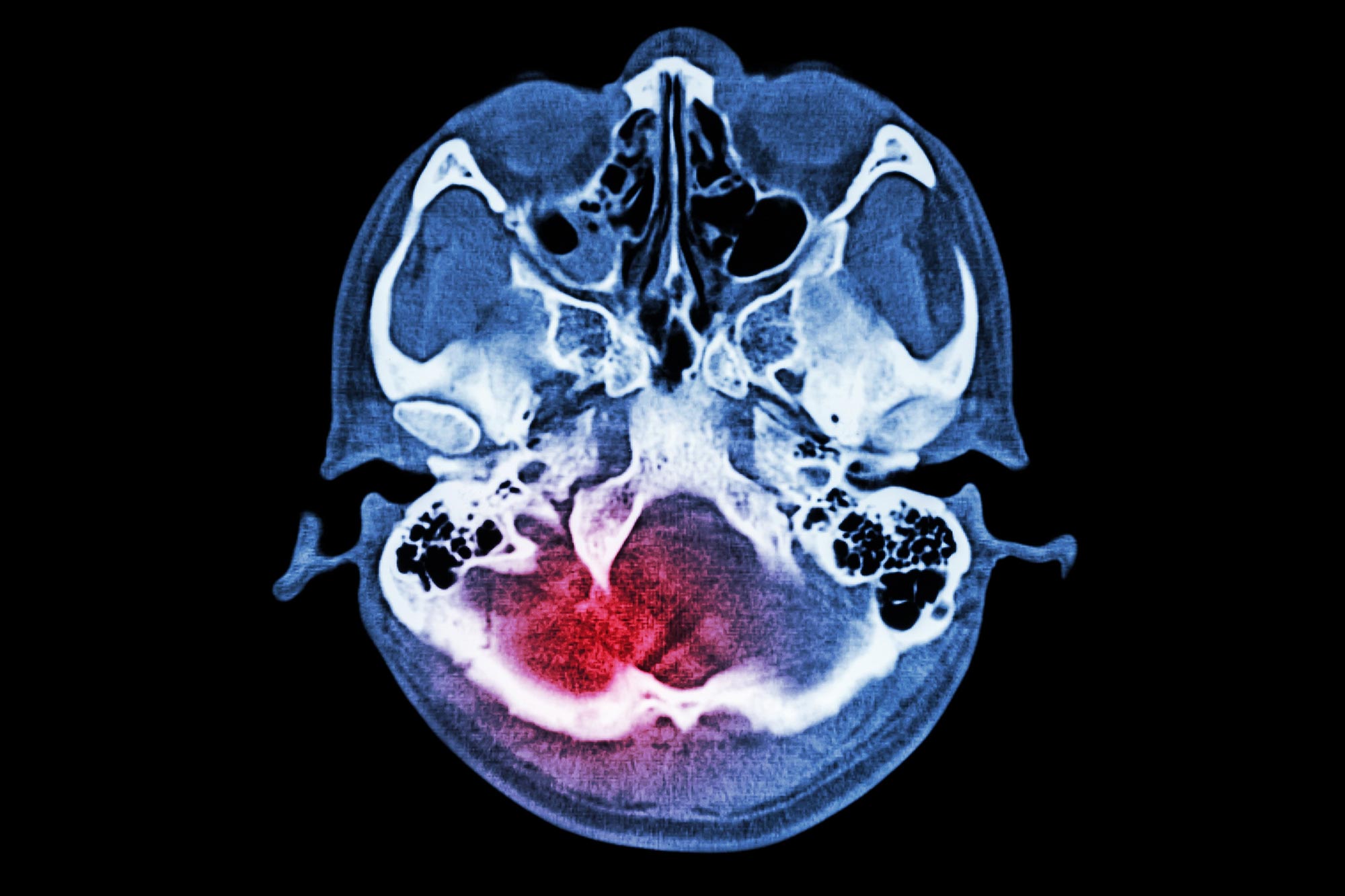
A new study found that high blood pressure, atrial fibrillation, and smoking significantly increase stroke risk and severity. Researchers highlighted the need to manage these risk factors, especially in regions with rising stroke rates.
According to a study recently published in Neurology, the medical journal of the American Academy of Neurology, individuals with certain health conditions or habits—such as high blood pressure, atrial fibrillation (an irregular heartbeat), or smoking—not only face a higher risk of stroke but may also experience more severe strokes compared to those without these risk factors.
“Stroke can lead to disability or even death, yet there are a number of risk factors that people can modify with a change in lifestyle or medication,” said study author Catriona Reddin, MD at the University of Galway in Ireland and a member of the American Academy of Neurology. “Our results emphasize the importance of managing risk factors for stroke, especially high blood pressure, atrial fibrillation and smoking in order to prevent severe, disabling stroke.”
Study Overview and Participant Data
The study involved 26,948 people from 32 countries with an average age of 62. Of this group, half the people had a stroke and half were people who did not have a stroke. Participants without stroke were matched for age and sex to people who had stroke.
Of those with stroke, 4,848 people had a severe stroke and 8,612 people had a mild to moderate stroke. Severe stroke was defined as outcomes ranging from being unable to walk or care for oneself without assistance to requiring constant nursing care to death. Mild to moderate stroke was defined as outcomes ranging from having no symptoms to requiring some help with personal care but being able to walk without the assistance of another person.
Key Risk Factors Analyzed
Researchers assessed several stroke risk factors, including:
- High blood pressure (above 140/90 mmHg)
- Atrial fibrillation
- Diabetes
- High cholesterol
- Smoking
- Alcohol consumption
- Diet quality
- Physical inactivity
- Psychological and social stress
- Excess abdominal fat (measured by waist-to-hip ratio)
Researchers compared how important risk factors were for severe stroke and mild to moderate stroke to people who did not have a stroke. Researchers also compared how important risk factors were in those with stroke only, where people with a severe stroke were matched with and compared to people with a mild to severe stroke.
Findings on Blood Pressure, Atrial Fibrillation, and Smoking
A total of 74% of those with severe stroke had high blood pressure, compared to 72% of those with mild to moderate stroke. For atrial fibrillation, 11% of those with severe stroke had the condition, compared to 9% of those with mild to moderate stroke. In both groups, 30% were current smokers.
After adjusting for age, sex, country, and type of stroke, researchers found people with high blood pressure were 3.2 times more likely to have a severe stroke and 2.9 times more likely to have a mild to moderate stroke than people without high blood pressure.
They also found people with atrial fibrillation were 4.7 times more likely to have severe stroke and 3.6 times more likely to have mild to moderate stroke than people without atrial fibrillation.
Researchers found people who smoked were 1.9 times more likely to have severe stroke and 1.7 times more likely to have mild to moderate stroke than people who were not current smokers.
“Our findings emphasize the importance of controlling high blood pressure, which is the most important modifiable risk factor for stroke globally,” said Reddin. “This is particularly relevant for lower- and middle-income countries that have rapidly increasing rates of high blood pressure and strokes at younger ages.”
A limitation of the study was that some factors that may contribute to stroke severity were not measured. For example, Reddin noted that smoking is associated with factors such as cancer and chronic obstructive pulmonary disease that may also contribute to increased stroke severity.
Reference: “Association of Vascular Risk With Severe vs Non-Severe StrokeAn Analysis of the INTERSTROKE Study” by Catriona Reddin, Michelle Canavan, Graeme J. Hankey, Shahram Oveisgharan, Peter Langhorne, Xingyu Wang, Helle Klingenberg Iversen, Fernando Lanas, Fawaz Al-Hussain, Anna Czlonkowska, Aytekin Oğuz, Conor Judge, Annika Rosengren, Denis Xavier, Salim Yusuf and Martin J. O’Donnell, 13 November 2024, Neurology.
DOI: 10.1212/WNL.0000000000210087
Never miss a breakthrough: Join the SciTechDaily newsletter.
Follow us on Google and Google News.