
Scientists are turning to milk proteins, starch, and nanoclay to create biodegradable plastics that break down quickly in soil.
As concerns grow about damage to the environment and potential risks to human health, efforts to develop biodegradable plastics are accelerating, including several active research projects at Flinders University in South Australia.
In a recent study published in Polymers, researchers describe creating a thin biodegradable film made by blending calcium caseinate, a widely available material derived from casein, the main protein found in milk, with modified starch and bentonite nanoclay. Glycerol and polyvinyl alcohol were added to the mixture to enhance the material’s strength and flexibility.
Tests of the material’s biodegradability showed a steady breakdown process, with complete disintegration expected to occur within about 13 weeks when placed in normal soil conditions.
The research provides early insights into how biopolymer combinations and nanoclay suspensions can be used to produce practical biodegradable films, pointing to their possible use in more sustainable food packaging.
Lower toxicity was also observed, as microbial testing confirmed that bacterial colony levels stayed within acceptable limits for biodegradable films that are not designed to be antimicrobial.
Safety and Environmental Considerations
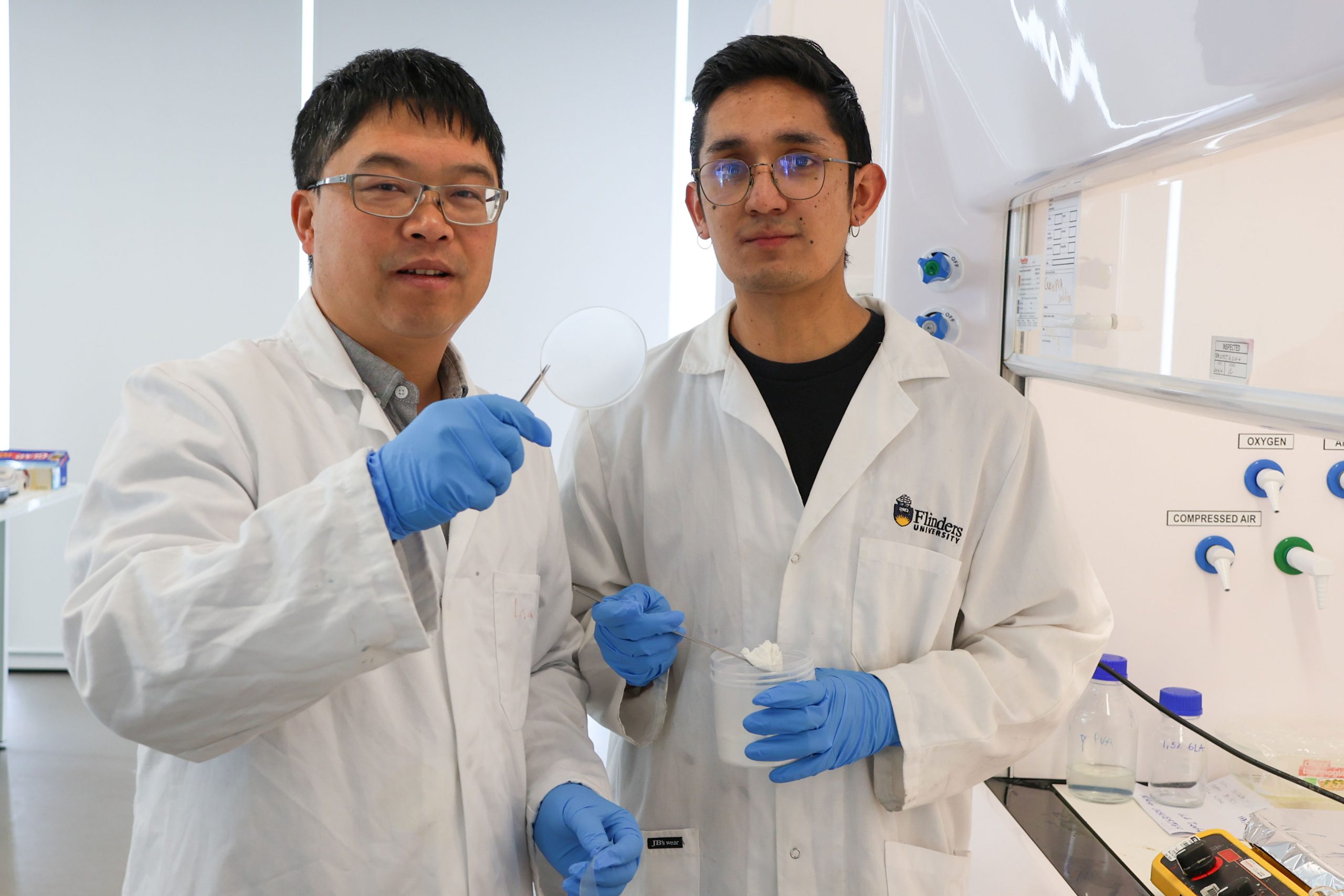
“We would recommend further antibacterial evaluations in further testing and development,” says Professor Youhong Tang, a nanomaterials researcher at the Tonsley Campus, Flinders College of Science and Engineering.
Professor Tang, from the Flinders Institute for NanoScale Science and Technology, says that finding sustainable solutions for food packaging and other single-use plastic uses is an important step towards curbing rising pollution levels.
Plastics can contain thousands of chemicals, such as dye and flame retardants, some of which are toxic and cancer-causing. The OECD has forecast that, without global action to curb plastic pollution, plastic production is likely to grow by 70% between 2020 and 2040, and eventually exceed 700 million metric tons a year.
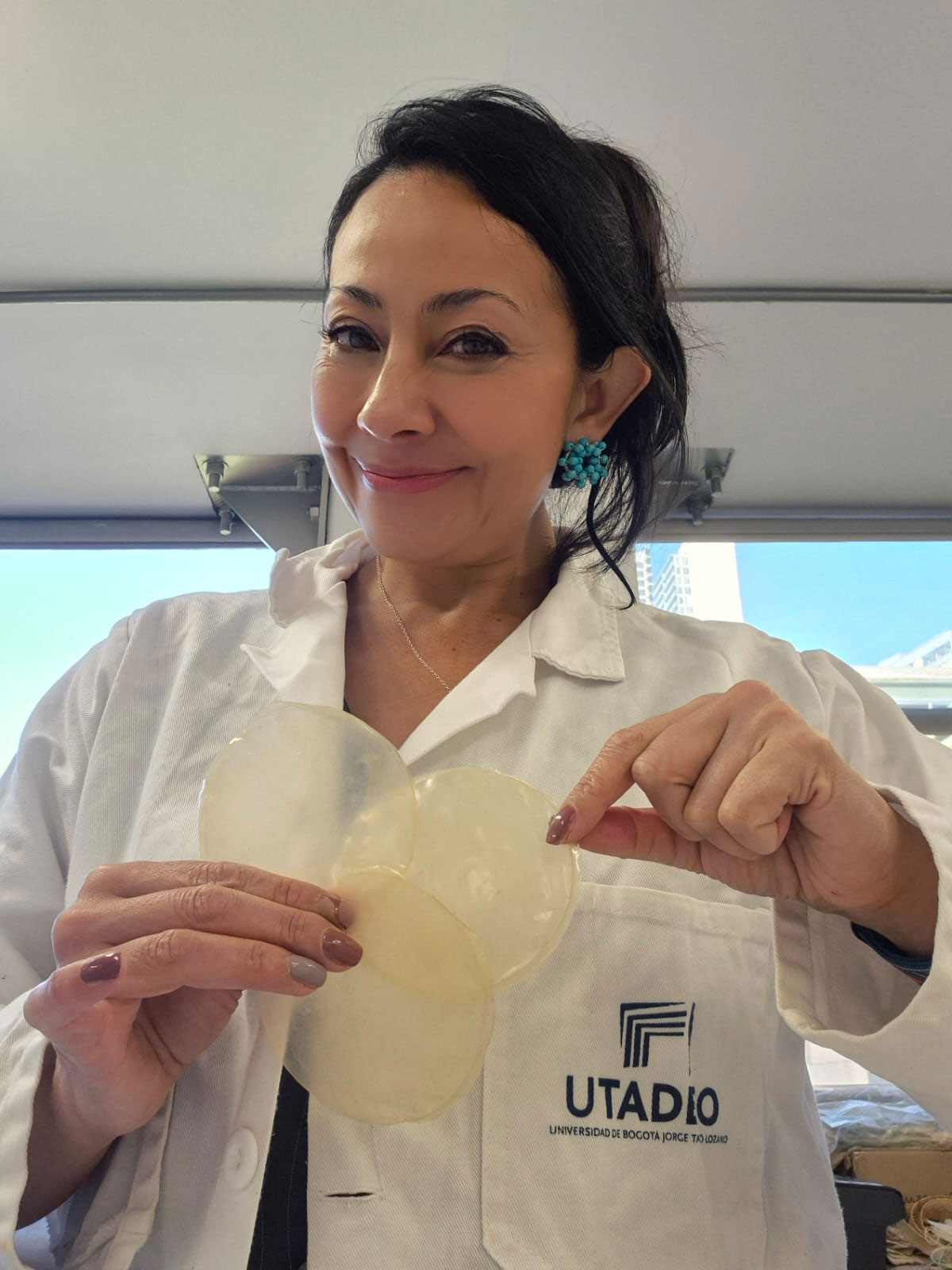
The new research was conducted in collaboration with Colombian chemical engineering researchers, Nikolay Estiven Gomez Mesa and Professor Alis Yovana Pataquiva-Mateus, from the Department of Engineering, Universidad de Bogotá Jorge Tadeo Lozano, where they were experimenting with new polymers in the Nanobioengineering Research Group in Bogotá.
International Collaboration and Material Innovation
“We were experimenting with caseinates to make milk-based nanofibers and found that it could be used to cast polymers similar to common packaging materials,” says Mr Gomez.
“From there, we began exploring ways to improve their properties by introducing natural and abundant components such as starch, and also a biodegradable polymer with remarkable mechanical features. This also opened the opportunity to integrate nanoclays, like bentonite, which can enhance the film’s strength and barrier performance.
“The entire formulation was designed to use inexpensive ingredients that are biodegradable and environmentally friendly to create a sustainable alternative with enhanced characteristics.”
Professor Pataquiva-Mateus adds: “Everyone can play a part in reducing their plastic use, and finding biodegradable polymer alternatives is an important part of science helping to find solutions for industry, consumers, and the environment.
“Most of our single-use plastic comes from food packaging, so these sorts of options should be explored further and join the circular economy revolution to conserve resources.”
Although some plastics can be reused, very little actually is. About 60% of all plastics are single-use and just 10% are estimated to be recycled, according to an analysis in Nature. Now used in thousands of products, plastic production is expected to keep rising from 2 million tons in 1950 to 475 million tons by 2022 – the equivalent of the weight of 250 million cars.
Reference: “Exploring Biodegradable Polymeric Nanocomposite Films for Sustainable Food Packaging Application” by Nikolay Estiven Gomez Mesa, Alis Yovana Pataquiva-Mateus and Youhong Tang, 12 August 2025, Polymers.
DOI: 10.3390/polym17162207
Never miss a breakthrough: Join the SciTechDaily newsletter.
Follow us on Google and Google News.
4 Comments
How long does it take for milk in a milk-derived plastic bottle to start leaking out?
I’m all for ‘cleaner, greener’ plastics. But not at the expense of the poor animals being treated as factory parts. Commercial milk production is already industrialized to the point of cruelty to the poor milk producing animals. But making them into part of mechanized plastics production would introduce cruelty to an even worse degree.
Let’s leave animals the hell alone.
The poor cashews, oats, and lentils, how dare the actual as-built mistreat those milk sources etc. Researchers in Spain are also faced with the Torment Nexus though, it turns out.