
Close Menu
    Facebook X (Twitter) Instagram
    SciTechDaily
    • Biology
    • Chemistry
    • Earth
    • Health
    • Physics
    • Science
    • Space
    • Technology
    Facebook X (Twitter) Pinterest YouTube RSS
    SciTechDaily
    Home»Health»Scientists Warn: Swimming in Lakes Could Cause Legionnaires’ Disease
    Health

    Scientists Warn: Swimming in Lakes Could Cause Legionnaires’ Disease

    By Canadian Medical Association JournalFebruary 27, 20251 Comment2 Mins Read
    Facebook Twitter Pinterest Telegram LinkedIn WhatsApp Email Reddit
    Share
    Facebook Twitter LinkedIn Pinterest Telegram Email Reddit
    Legionnaires' Disease
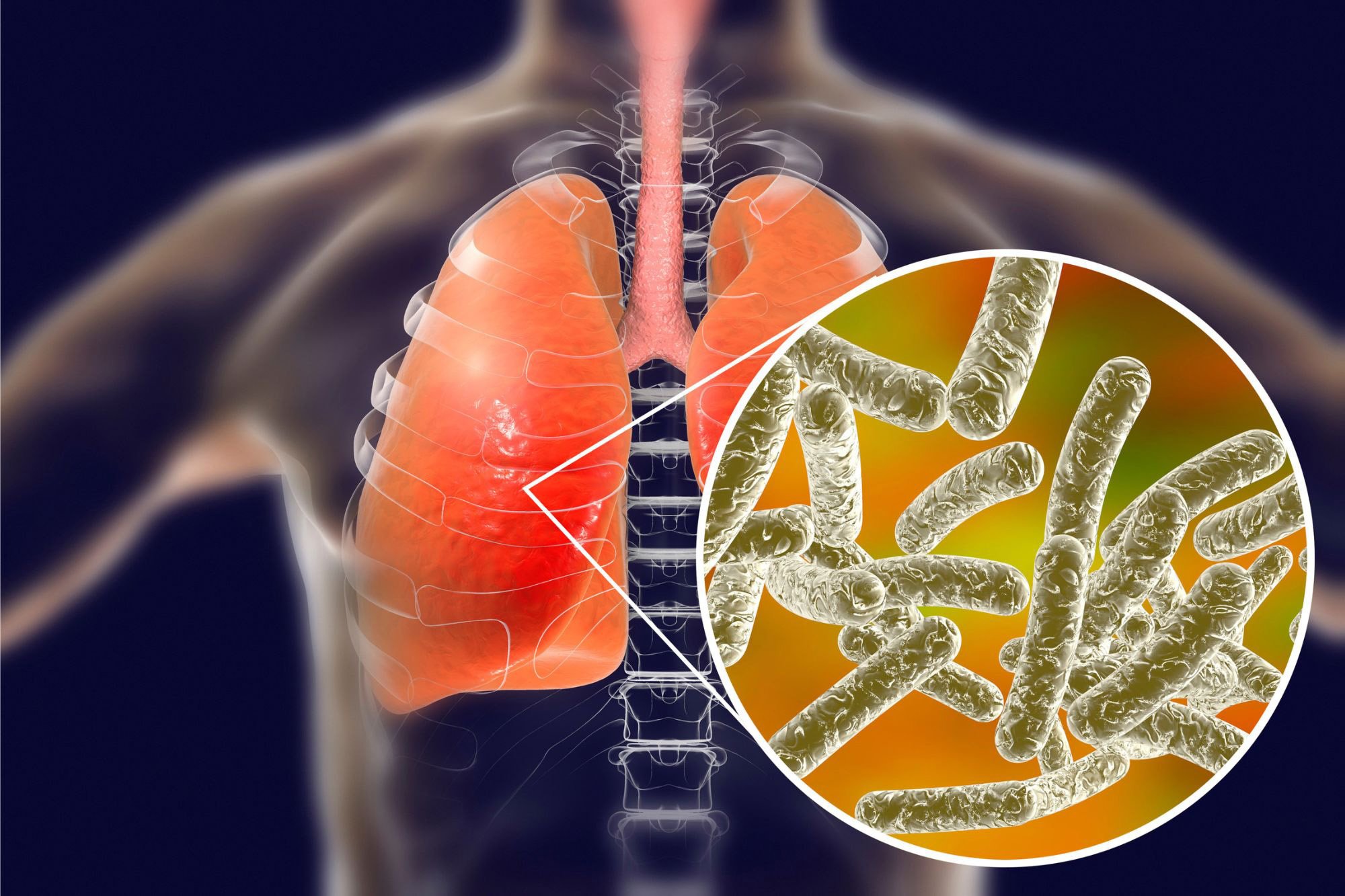
    Swimming in still water lakes can expose individuals to Legionella bacteria, which may cause legionnaires’ disease, a severe pneumonia with symptoms like fever, fatigue, and respiratory issues. Clinicians should suspect legionnaires’ disease in pneumonia cases that do not respond to broad-spectrum antibiotics, especially in patients with recent travel or risk factors like older age, smoking, or chronic illness.

    Legionnaires’ disease, a form of pneumonia caused by Legionella bacteria, can be contracted from stagnant natural water, making awareness and early diagnosis crucial for at-risk individuals.

    Swimming in certain still-water lakes can expose individuals to Legionella bacteria, which can cause pneumonia. Authors of a practice article in the Canadian Medical Association Journal (CMAJ) advise open-water swimmers to be aware of this risk.

    “Legionella infection represents a public health hazard owing to its ability to spread through exposure to natural water bodies and human-made water reservoirs,” writes Dr. Ashley Bryson, an internal medicine resident at the University of Manitoba, with coauthors.

    Legionella infection is an atypical cause of community-acquired pneumonia. Referred to as legionnaires’ disease, it presents with fever, fatigue, respiratory symptoms, and sometimes diarrhea. Legionella bacteria thrive in the warm, stagnant water in plumbing systems, air conditioners, public spas, and even lakes and rivers. Risk factors for legionnaires’ disease include age older than 50 years, smoking history, chronic cardiovascular or kidney disease, diabetes, and a compromised immune system.

    Case Study: Infection Following Lake Swimming

    The 77-year-old patient described in the article had visited Iowa and swum in a natural lake 2 weeks earlier. Over 4 days of increasing weakness combined with fever, cough, and recurring sudden falls in his home, he visited the emergency department. Given his travel activity, clinicians suspected legionnaires’ disease after initial standard antibiotic therapy failed to treat his pneumonia.

    Fewer than 100 cases of legionnaires’ disease are reported per year but, as diagnosis is challenging, cases may be underreported.

    “Clinicians should consider legionnaires’ disease in patients with pneumonia that does not improve despite the use of broad-spectrum antibiotics, especially if the pneumonia is severe, occurring in immunocompromised patients or patients with recent travel history, or when only antimicrobials without activity against atypical pathogens have been administered,” the authors recommend.

    Reference: “Legionnaires’ disease following lake swimming in Iowa” by Ashley Bryson, Martha Shepertycky, Terence Wuerz and Philippe Lagacé-Wiens, 18 February 2025, Canadian Medical Association Journal.
    DOI: 10.1503/cmaj.241086

    Never miss a breakthrough: Join the SciTechDaily newsletter.
    Follow us on Google and Google News.

    Canadian Medical Association Journal Infectious Diseases Pneumonia Public Health
    Share. Facebook Twitter Pinterest LinkedIn Email Reddit

    Related Articles

    COVID-19 VOCs – Especially Delta Variant – More Virulent Than Original Strain

    Scientists Warn: Anticipate a Resurgence of Respiratory Viruses in Young Children

    Children Less Infectious Than Adults With COVID-19 – Daycare & In-Person School May Be Relatively Safe

    New U.S. Research Confirms COVID-19 Complications: Lung, Kidney and Cardiovascular Issues

    Researchers Eliminate SARS-CoV-2 and Bacteria From N95 Masks With Low-Cost Moist Heat Treatment

    Serious Potential Adverse Effects of Chloroquine and Hydroxychloroquine for Treating COVID-19

    People With Food Insecurity Are 10% to 37% More Likely to Die Prematurely

    Novel Health Risks Presented by Cannabis Edibles

    “Popcorn Lung” – New Type of Life-Threatening E-Cigarette Vaping Lung Injury Uncovered

    1 Comment

    1. Tim Keane on February 28, 2025 8:26 am

      see published comment on this paper
      https://www.cmaj.ca/content/197/6/E155/tab-e-letters

      Reply
    Leave A Reply Cancel Reply

    • Facebook
    • Twitter
    • Pinterest
    • YouTube

    Don't Miss a Discovery

    Subscribe for the Latest in Science & Tech!

    Trending News

    These Toads Are Surviving a Deadly Fungus – Scientists May Finally Know Why

    These Brain Cells May Explain Why We Eventually Have To Sleep

    Tomatoes Contain an Invisible Ingredient With Surprising Effects on Liver Health

    World’s First Heat-Powered Cooling System Turns Waste Heat Into Cold

    Antarctica Gained a Record 695 Billion Tons of Ice in Just Two Years

    Don’t Miss: A Brilliant Venus and Glowing Harvest Moon Light Up the Sky

    New Twist on the Einstein Problem Reveals Unexpected Physics

    JWST Captures Stunning Evidence of How Supermassive Black Holes Feed

    Follow SciTechDaily
    • Facebook
    • Twitter
    • YouTube
    • Pinterest
    • Newsletter
    • RSS
    SciTech News
    • Biology News
    • Chemistry News
    • Earth News
    • Health News
    • Physics News
    • Science News
    • Space News
    • Technology News
    Recent Posts
    • Scientists Discover a Hidden Defect That Could Explain Why IBD Keeps Coming Back
    • Millions Take Blood Pressure Drugs, but Many May Be Missing Their Heart-Protective Benefits
    • Could Alien Life Be Conscious in Ways We Can’t Imagine?
    • Scientists Develop a Fruit Wash That Removes Pesticide Residues and Keeps Produce Fresh Longer
    • Scientists May Have Finally Explained Why Astronauts Get Constipated in Space
    Copyright © 1998 - 2026 SciTechDaily. All Rights Reserved.
    • Science News
    • About
    • Contact
    • Editorial Board
    • Privacy Policy
    • Terms of Use

    Type above and press Enter to search. Press Esc to cancel.