
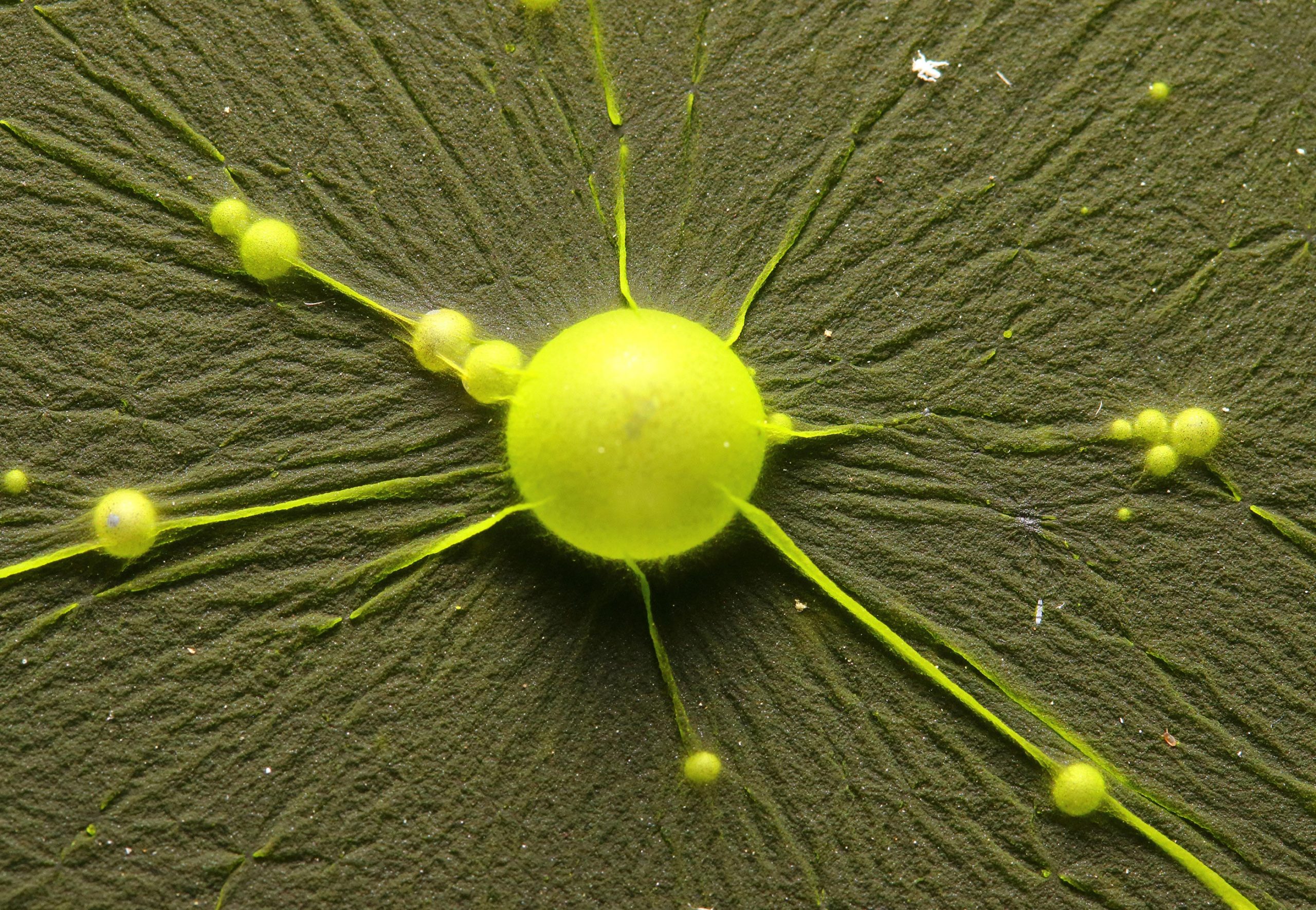
Researchers find that the earliest bacteria had the tools to perform a crucial step in photosynthesis, changing how we think life evolved on Earth.
The finding also challenges expectations for how life might have evolved on other planets. The evolution of photosynthesis that produces oxygen is thought to be the key factor in the eventual emergence of complex life. This was thought to take several billion years to evolve, but if in fact the earliest life could do it, then other planets may have evolved complex life much earlier than previously thought.
“Now, we know that Photosystem II shows patterns of evolution that are usually only attributed to the oldest known enzymes, which were crucial for life itself to evolve.” Dr. Tanai Cardona
The research team, led by scientists from Imperial College London, traced the evolution of key proteins needed for photosynthesis back to possibly the origin of bacterial life on Earth. Their results are published and freely accessible in BBA – Bioenergetics.
Lead researcher Dr. Tanai Cardona, from the Department of Life Sciences at Imperial, said: “We had previously shown that the biological system for performing oxygen-production, known as Photosystem II, was extremely old, but until now we hadn’t been able to place it on the timeline of life’s history.
“Now, we know that Photosystem II shows patterns of evolution that are usually only attributed to the oldest known enzymes, which were crucial for life itself to evolve.”
Early Oxygen Production
Photosynthesis, which converts sunlight into energy, can come in two forms: one that produces oxygen, and one that doesn’t. The oxygen-producing form is usually assumed to have evolved later, particularly with the emergence of cyanobacteria, or blue-green algae, around 2.5 billion years ago.
While some research has suggested pockets of oxygen-producing (oxygenic) photosynthesis may have been around before this, it was still considered to be an innovation that took at least a couple of billion years to evolve on Earth.
The new research finds that enzymes capable of performing the key process in oxygenic photosynthesis – splitting water into hydrogen and oxygen – could actually have been present in some of the earliest bacteria. The earliest evidence for life on Earth is over 3.4 billion years old and some studies have suggested that the earliest life could well be older than 4.0 billion years old.
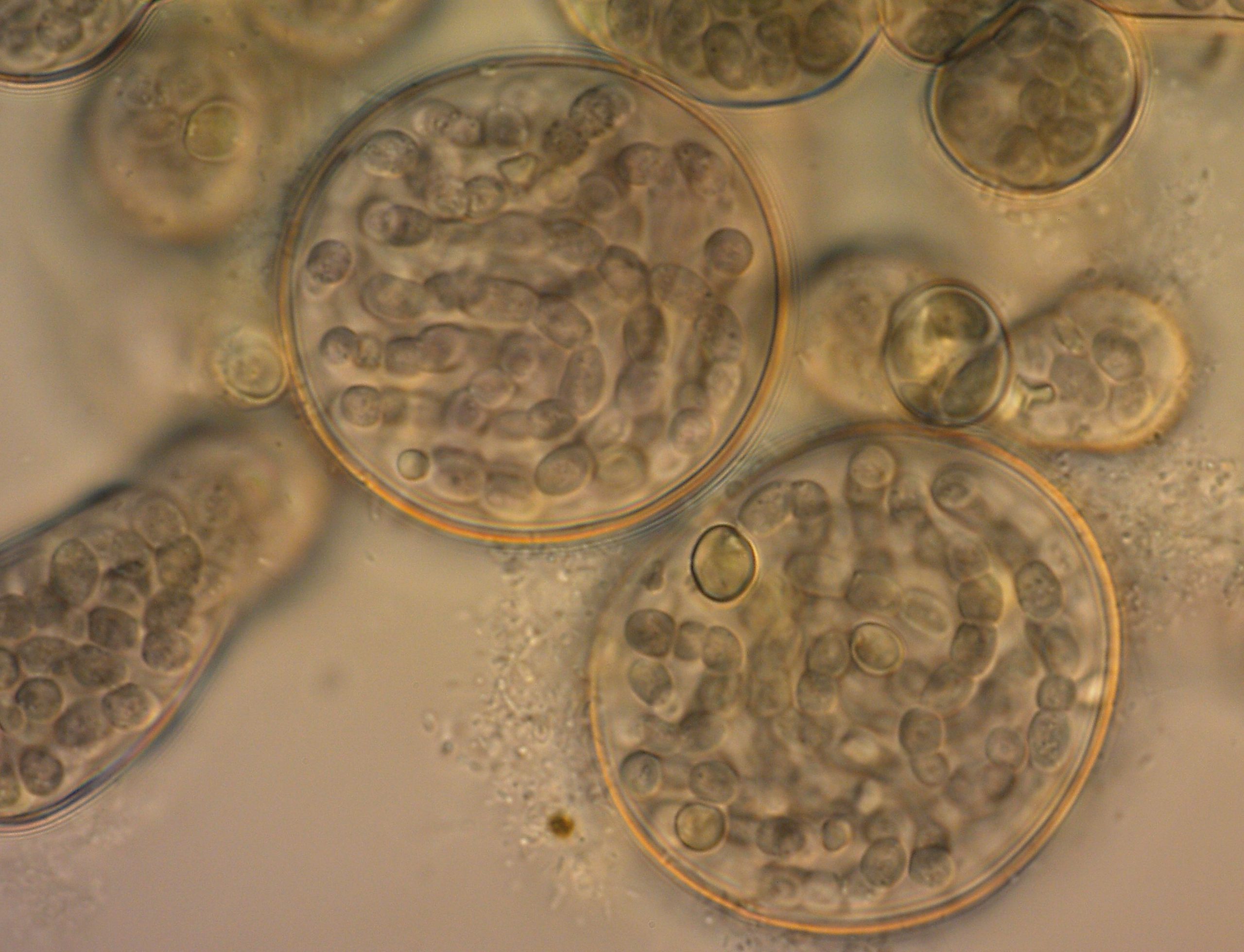
Like the evolution of the eye, the first version of oxygenic photosynthesis may have been very simple and inefficient; as the earliest eyes sensed only light, the earliest photosynthesis may have been very inefficient and slow.
On Earth, it took more than a billion years for bacteria to perfect the process leading to the evolution of cyanobacteria, and two billion years more for animals and plants to conquer the land. However, the fact that oxygen production was present so early on suggests that in different environments, such as on other planets, the transition to complex life could have occurred much more rapidly.
Measuring Molecular Clocks
The team made their discovery by tracing the ‘molecular clock’ of key photosynthesis proteins responsible for splitting water. This method estimates the rate of evolution of proteins by looking at the time between known evolutionary moments, such as the emergence of different groups of cyanobacteria or land plants, which carry a version of these proteins today. The calculated rate of evolution is then extended back in time, to see when the proteins first evolved.
“We could develop photosystems that could carry out complex new green and sustainable chemical reactions entirely powered by light.” Dr. Tanai Cardona
They compared the evolution rate of these photosynthesis proteins to that of other key proteins in the evolution of life, including those that form energy storage molecules in the body and those that translate DNA sequences into RNA, which is thought to have originated before the ancestor of all cellular life on Earth. They also compared the rate to events known to have occurred more recently, when life was already varied and cyanobacteria had appeared.
The photosynthesis proteins showed nearly identical patterns of evolution to the oldest enzymes, stretching far back in time, suggesting they evolved in a similar way.
First author of the study Thomas Oliver, from the Department of Life Sciences at Imperial, said: “We used a technique called Ancestral Sequence Reconstruction to predict the protein sequences of ancestral photosynthetic proteins.
“These sequences give us information about how the ancestral Photosystem II would have worked and we were able to show that many of the key components required for oxygen evolution in Photosystem II can be traced to the earliest stages in the evolution of the enzyme.”
Directing Evolution
Knowing how these key photosynthesis proteins evolve is not only relevant for the search for life on other planets, but could also help researchers find strategies to use photosynthesis in new ways through synthetic biology.
Dr. Cardona, who is leading such a project as part of his UKRI Future Leaders Fellowship, said: “Now we have a good sense of how photosynthesis proteins evolve, adapting to a changing world, we can use ‘directed evolution’ to learn how to change them to produce new kinds of chemistry.
“We could develop photosystems that could carry out complex new green and sustainable chemical reactions entirely powered by light.”
Reference: “Time-resolved comparative molecular evolution of oxygenic photosynthesis” by Thomas Oliver, Patricia Sánchez-Baracaldo, Anthony W. Larkum, A. William Rutherford and Tanai Cardona, 19 February 2021, BBA – Bioenegetics.
DOI: 10.1016/j.bbabio.2021.148400
Never miss a breakthrough: Join the SciTechDaily newsletter.
Follow us on Google and Google News.
5 Comments
I think this revelation is the Universe’s way of reclaiming the spotlight back from evolutionists.
I’m interested to know why you think the spotlight is taken away from evolutionists. They have opened another door to directed evolution.
I’m 100% sure I was taught this in high school 10 years ago. This isn’t new information.
WoW interesting
good article https://scitechdaily.com/surprising-research-reveals-photosynthesis-could-be-as-old-as-life-itself/#comment-602858