
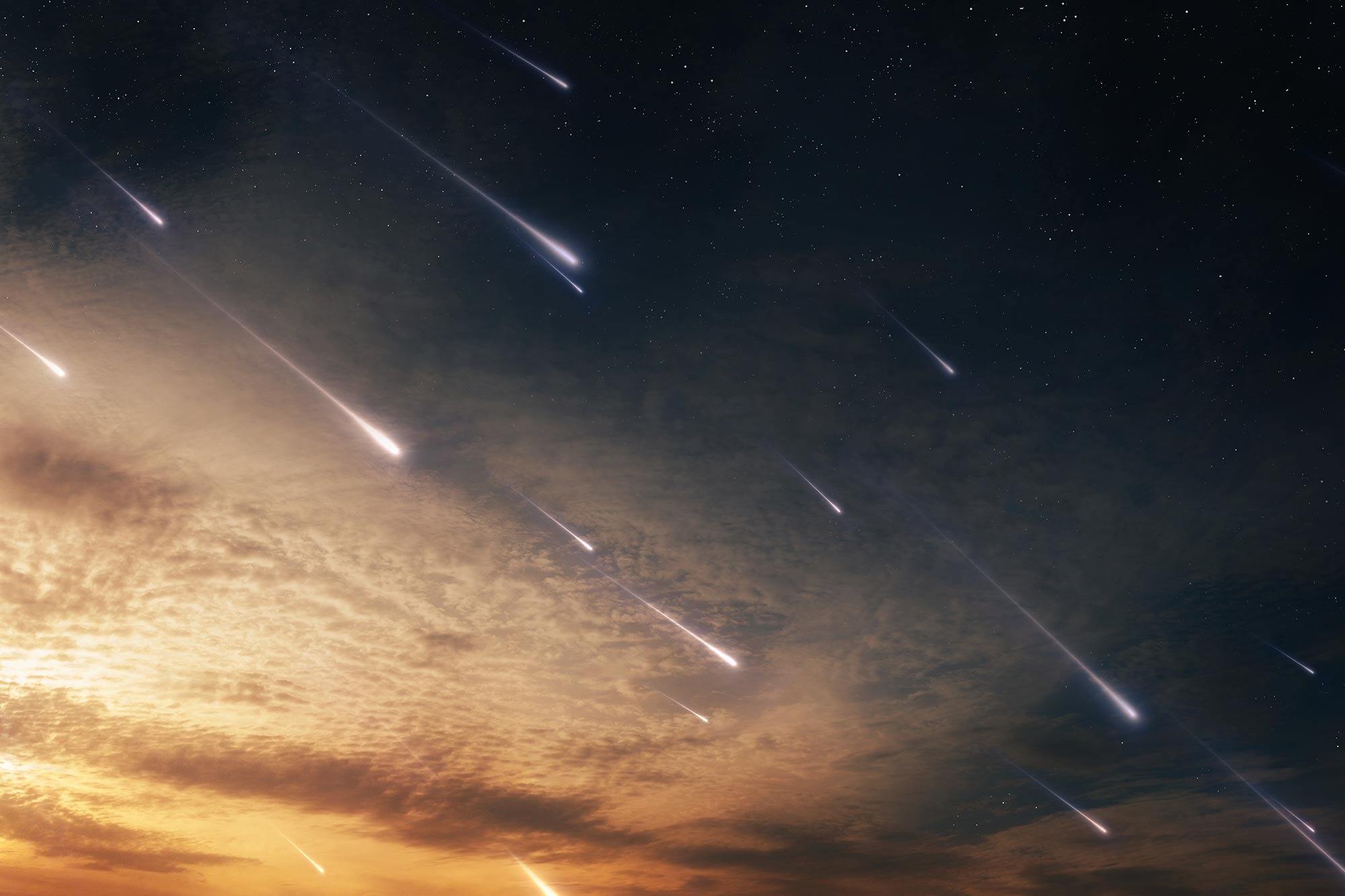
November offers plenty of reasons to look up, including the Taurid and Leonid meteor showers, a close pairing of Mars and Jupiter, a remarkable milestone for NASA’s Voyager 1 spacecraft, and a bright supermoon.
November Skywatching Highlights
- Around November 5: The Southern Taurid meteor shower reaches its peak, with the possibility of unusually bright fireballs.
- Around November 12: The Northern Taurids peak, producing roughly five meteors per hour under ideal viewing conditions.
- November 15 and 16: Mars and Jupiter appear just 1.2 degrees apart in the sky before sunrise.
- November 17: NASA celebrates Voyager 1’s historic journey with its Shine Bright for Voyager’s Light-Day activation.
- November 17 and 18: The Leonid meteor shower offers up to approximately 15 meteors per hour under ideal conditions, with the best viewing before dawn after the Moon sets.
- November 24: A full supermoon brightens the evening sky, beginning a sequence of three consecutive supermoons.
From shooting stars and planetary encounters to a spacecraft reaching an extraordinary distance from Earth, November is filled with celestial events worth watching. NASA’s latest skywatching guide highlights when and where to look for some of the month’s most interesting sights.
Taurid Meteor Showers Could Produce Brilliant Fireballs
November begins with two opportunities to catch meteors streaking through the darkness. The Southern Taurids reach their peak around November 5, followed by the Northern Taurids approximately one week later, around November 12.
Both showers take their names from the constellation Taurus. Although the meteors travel across different parts of the sky, they appear to originate from two distinct regions within this constellation.
Neither shower is particularly active compared with some of the year’s bigger meteor displays. Under ideal conditions, each typically produces about five meteors per hour. However, the Taurids are known for occasionally generating exceptionally bright meteors called fireballs, which can make even a relatively quiet night of skywatching memorable.
Leonid Meteor Shower Peaks November 17 and 18
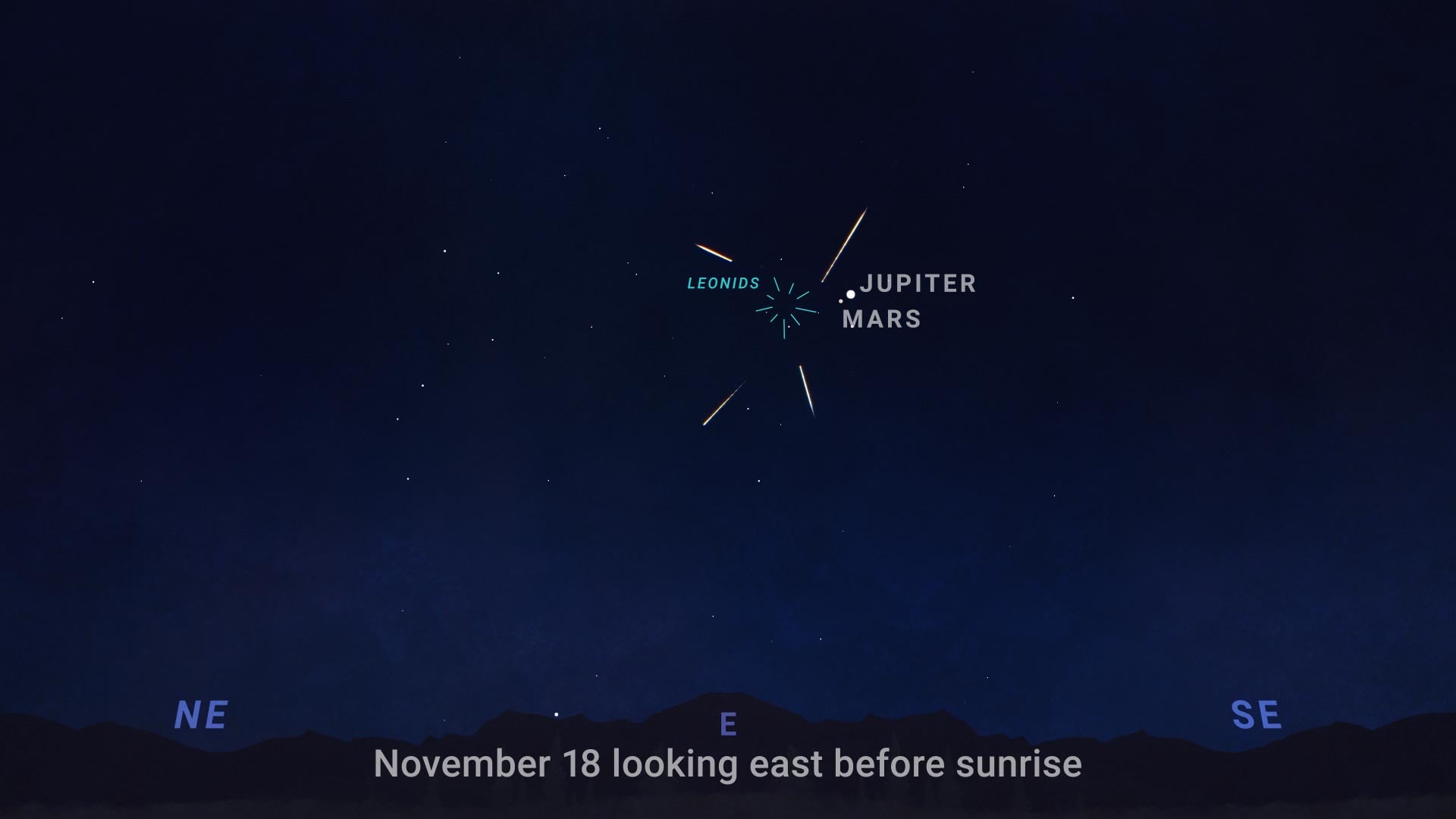
The next major meteor display arrives later in the month, when the Leonids become the focus of attention.
For the best chance of seeing them, head outside during the early morning hours of November 17 or 18, once the Moon has dropped below the horizon. With favorable conditions, observers could see as many as 15 meteors per hour, although actual counts will generally be lower.
A few simple preparations can make a significant difference. Choose a viewing location away from bright city lights, allow approximately 30 minutes for your eyes to adjust to the darkness, and find a comfortable position that gives you a broad view of the sky.
Mars and Jupiter Appear Side by Side Before Sunrise
Meteor showers are not the only attraction this November. Two of the solar system’s most recognizable planets will also put on an impressive display.
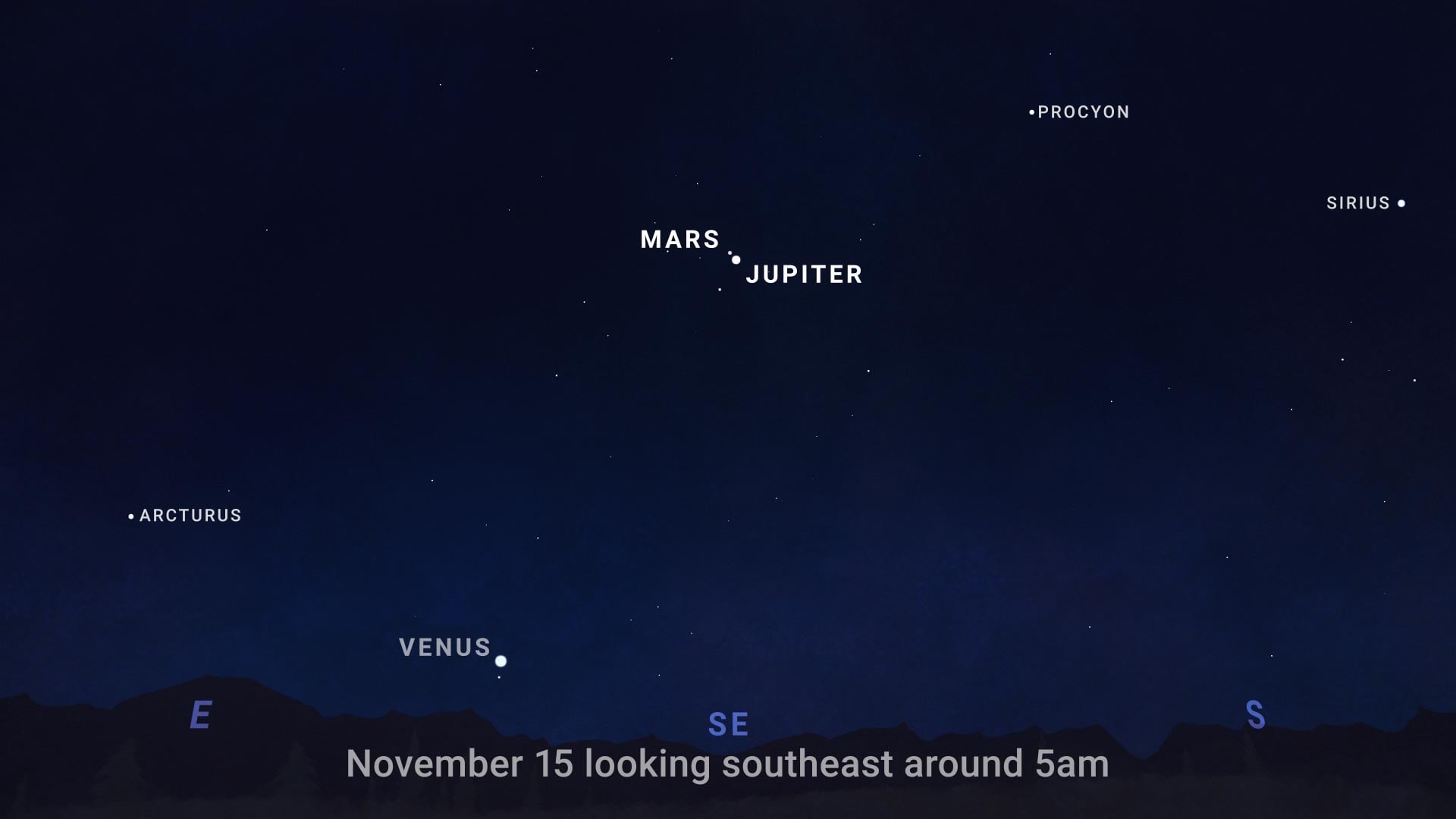
Before sunrise on November 15 and 16, look toward the southeastern sky to find Mars and Jupiter appearing remarkably close together.
The planets will be separated by approximately 1.2 degrees, slightly more than the combined apparent width of two full Moons. Jupiter will stand out as the brighter object, while Mars will be visible nearby with its distinctive reddish color.
No telescope or binoculars are required to enjoy the pairing, since both planets can be seen with the naked eye. Although they remain separated by enormous distances in space, their positions relative to Earth make them appear close together in our sky.
Observers who check their positions over several consecutive mornings can watch the two planets gradually approach one another before appearing to move apart again.
Voyager 1 Reaches a Historic One Light-Day Milestone
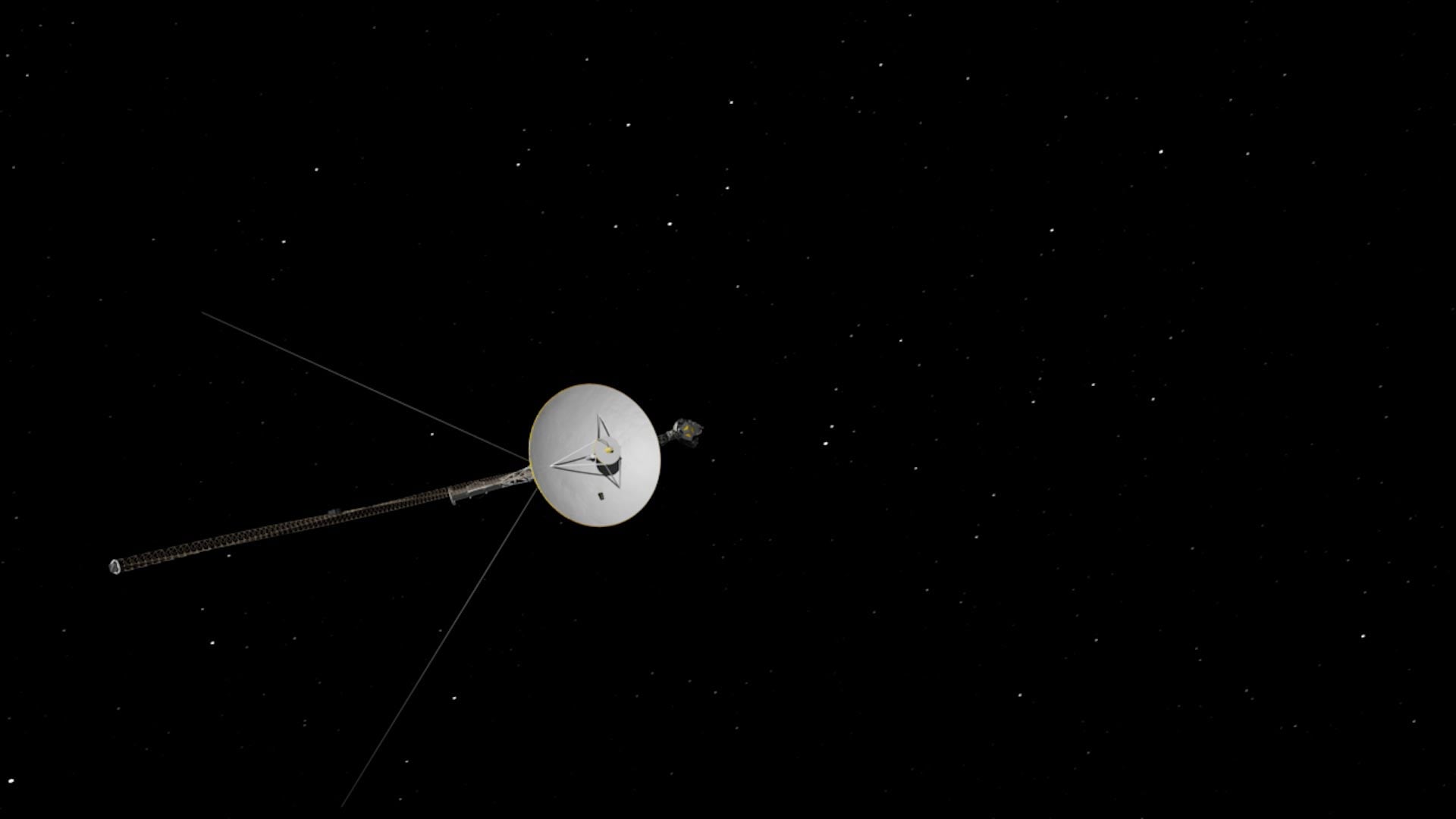
Far beyond the planets visible in November’s morning sky, NASA’s Voyager 1 spacecraft is approaching an unprecedented achievement.
During November, Voyager 1 will become the first human-made object to reach a distance of one light-day from Earth. This means the spacecraft will be so far away that even a signal traveling at the speed of light will need 24 hours to reach it.
Receiving a response will require another 24 hours, bringing the total communication time for a signal and its reply to approximately two full days.
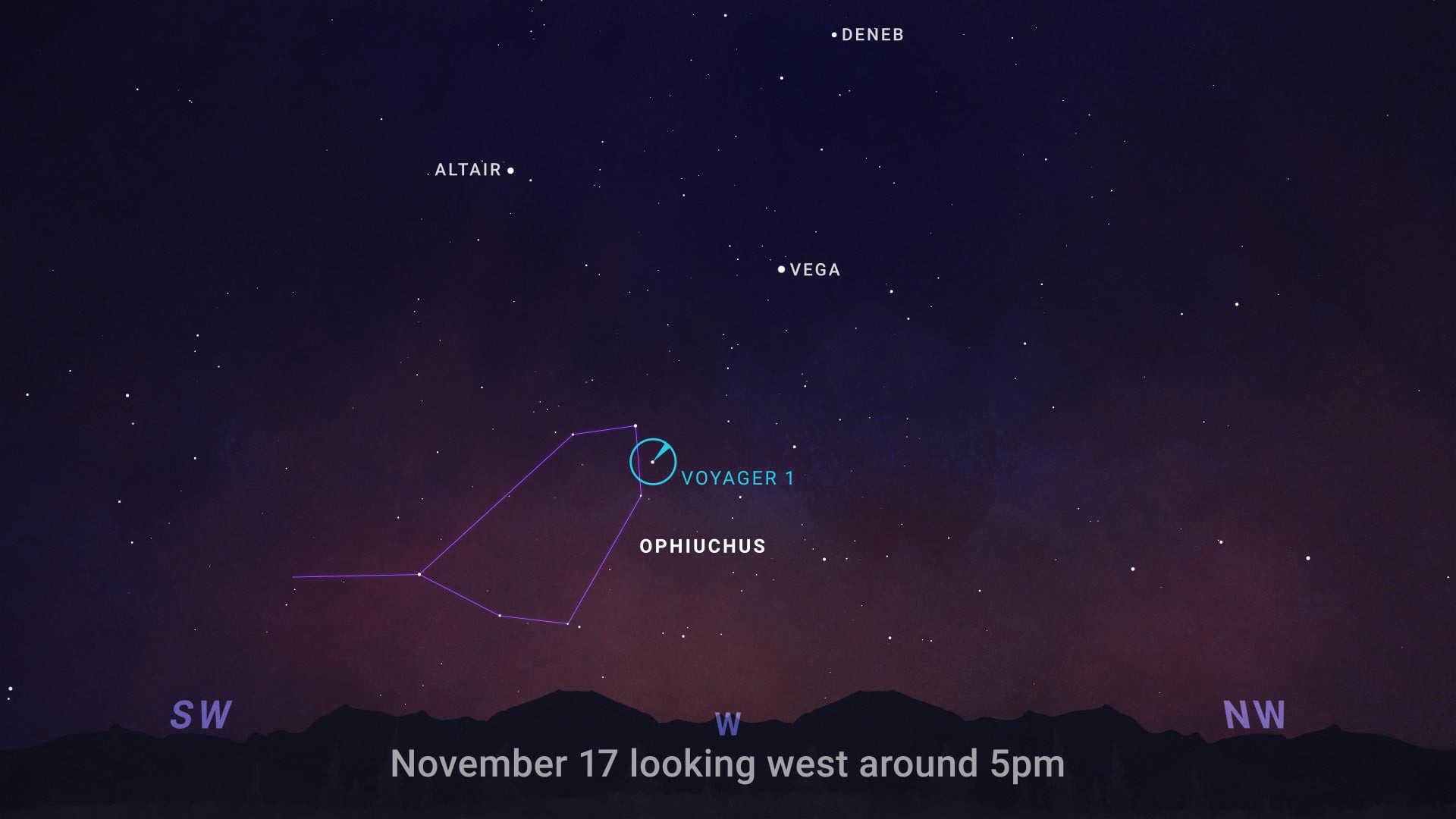
The spacecraft is much too distant to be seen, but skywatchers can get a sense of its direction by locating Ophiuchus, the constellation also known as the Serpent Bearer. Voyager 1 is traveling in that general direction as it continues its journey into interstellar space.
To recognize this historic achievement, NASA is inviting the public to participate in its Shine Bright for Voyager’s Light-Day activation on November 17.
November’s Supermoon Begins a Three-Month Series
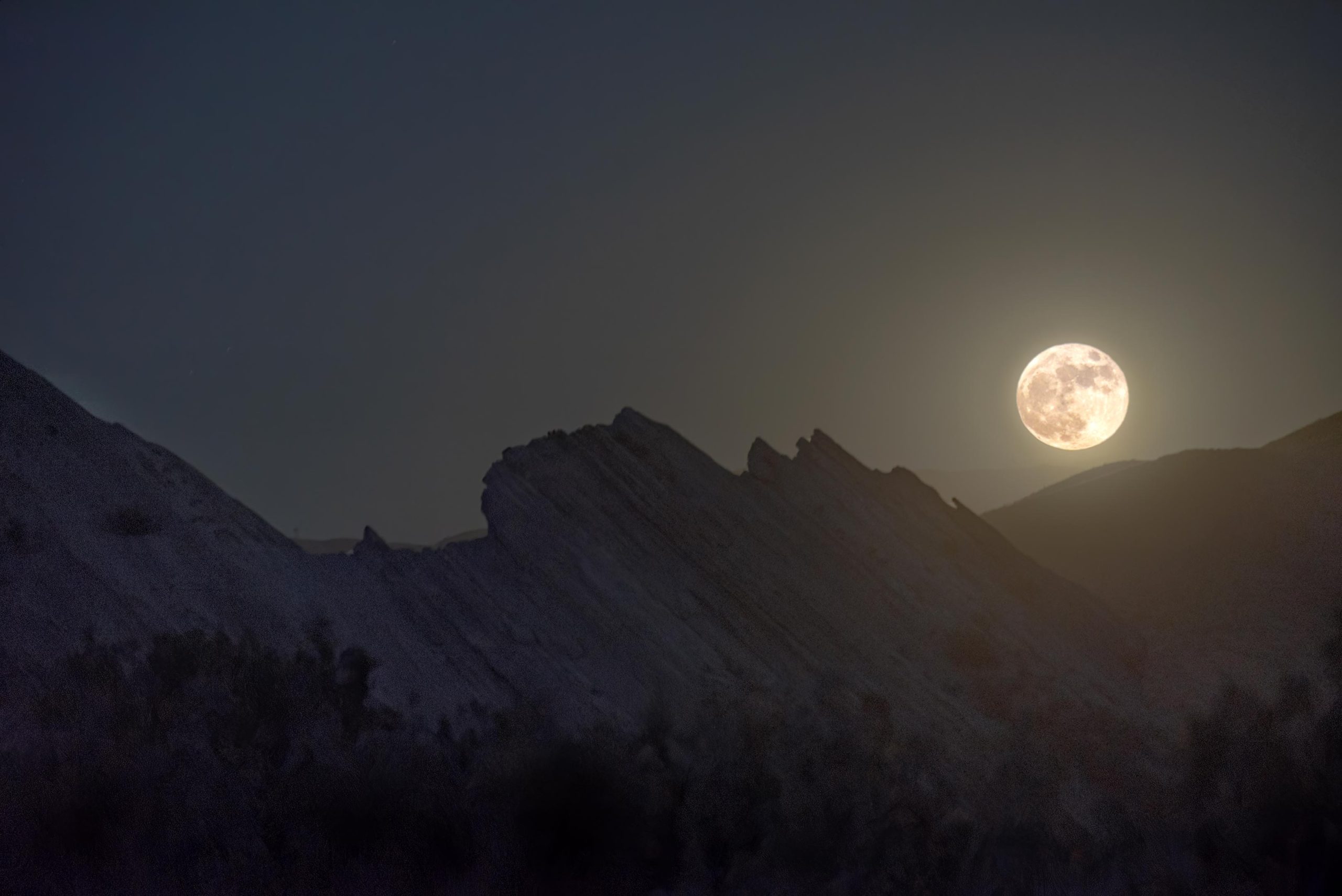
The month concludes with another eye-catching event when a full supermoon rises on November 24.
The Moon does not travel around Earth in a perfectly circular orbit. Instead, its slightly elliptical path causes its distance from our planet to vary throughout the month.
When a full Moon occurs while the Moon is relatively close to Earth, it is commonly called a supermoon. From our perspective, it appears somewhat larger and brighter than an average full Moon, although the visual difference is often difficult to notice.
November’s supermoon is particularly notable because it marks the beginning of three consecutive months featuring supermoons, with additional events arriving in December and January.
For a memorable view, look toward the eastern horizon around sunset as the full Moon begins to rise. It may seem enormous when positioned close to the horizon, but this apparent increase in size is largely caused by a familiar visual phenomenon called the Moon illusion.
The effect can occur with any full Moon, regardless of its actual distance from Earth, making November’s moonrise an especially appealing opportunity to experience it.
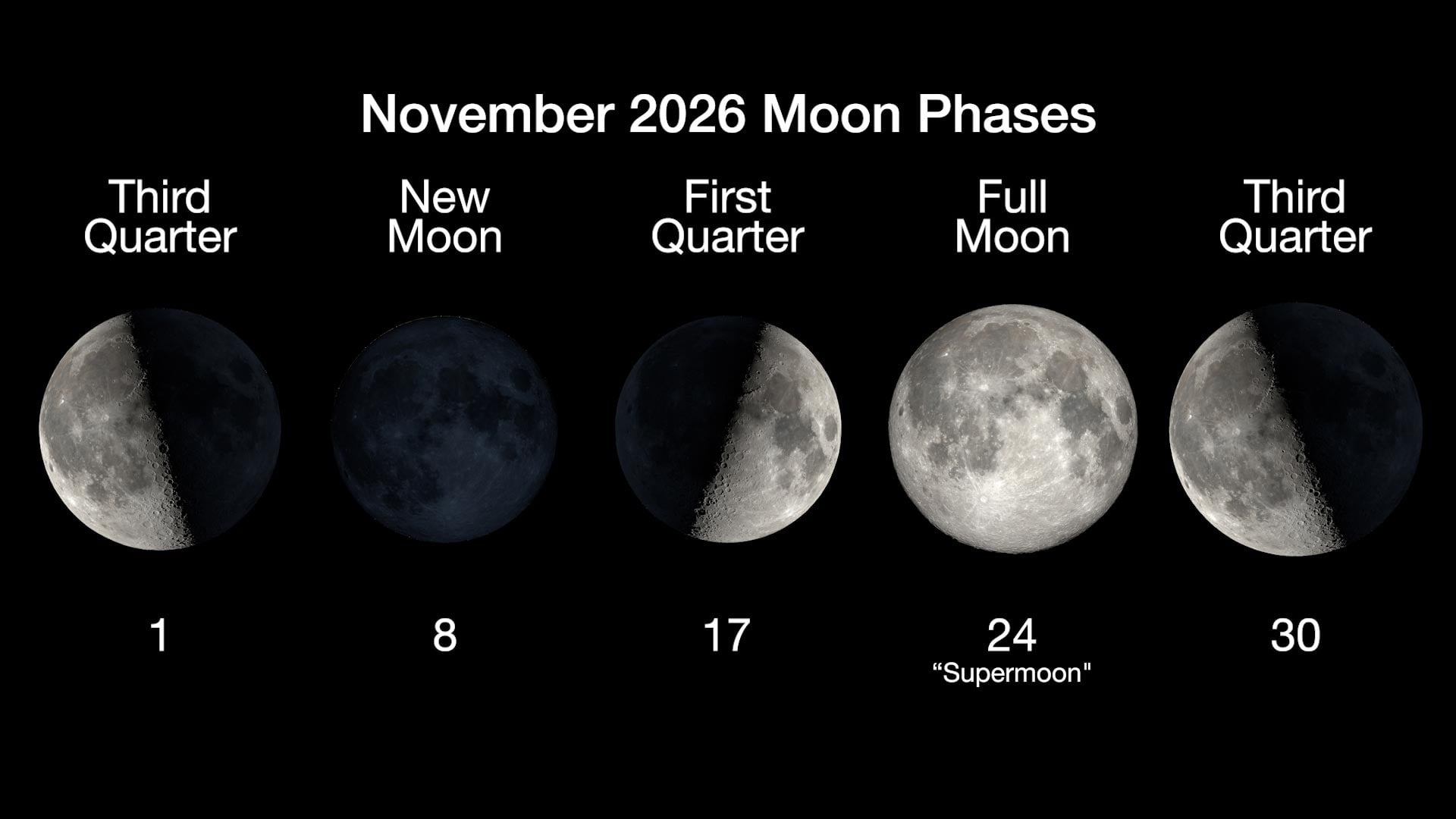
Here are the phases of the Moon for November:
Never miss a breakthrough: Join the SciTechDaily newsletter.
Follow us on Google and Google News.