
Close Menu
    Facebook X (Twitter) Instagram
    SciTechDaily
    • Biology
    • Chemistry
    • Earth
    • Health
    • Physics
    • Science
    • Space
    • Technology
    Facebook X (Twitter) Pinterest YouTube RSS
    SciTechDaily
    Home»Biology»The Surprising Way Deadwood Brings Orchids to Life
    Biology

    The Surprising Way Deadwood Brings Orchids to Life

    By Kobe UniversityJanuary 3, 2026No Comments3 Mins Read
    Facebook Twitter Pinterest Telegram LinkedIn WhatsApp Email Reddit
    Share
    Facebook Twitter LinkedIn Pinterest Telegram Email Reddit
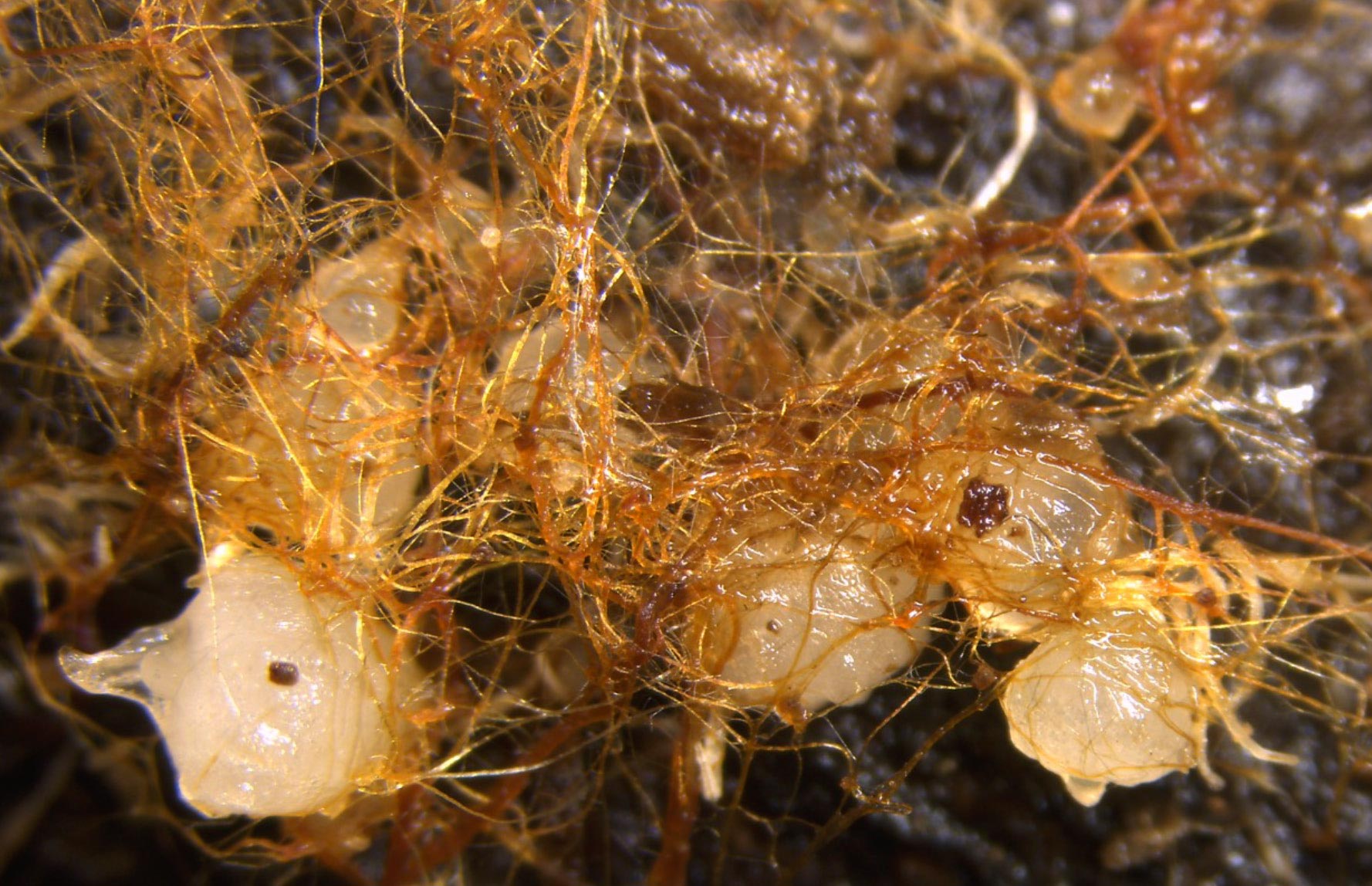
    Cremastra variabilis Seedlings Entwined With Fungal Hyphae
    Close-up of Cremastra variabilis seedlings (white) entwined with fungal hyphae near decaying wood, illustrating how wood-decomposing fungi sustain seedling growth. Credit: Kazuki Inui

    Scientists have discovered that orchids depend on fungi living in decaying wood to sprout and survive their earliest stages. This hidden partnership reveals a new carbon pathway linking deadwood to living plants.

    Fungi that decompose deadwood provide a vital food source for orchids when they begin to grow, supplying carbon that their extremely small seeds lack. Researchers at Kobe University found that this relationship fills a long-standing gap in knowledge about how wild orchids survive their earliest stage and also highlights an overlooked flow of carbon through forest ecosystems.

    Orchid seeds are about the size of dust particles and contain no nutrients to support early growth. While mature orchids are known to depend on specific fungi that form structures inside their roots, scientists had not confirmed whether those fungi also play a role during germination. “Studying orchid germination in nature is notoriously difficult. In particular, the painstaking methods required for recovering their seedlings from soil explain why most earlier studies focused only on adult roots, where fungi are easier to sample,” explains Kobe University plant evolutionary ecologist Kenji Suetsugu.

    While conducting fieldwork, Suetsugu and his colleagues began to notice an unusual pattern. “We repeatedly found seedlings and adults with juvenile root structures near decaying logs, not scattered randomly in the forest. That recurring pattern inspired us to test whether deadwood fungi fuel orchid beginnings,” he says.

    These juvenile root structures, known as coral-shaped rhizomes, are thought to be seedling organs that persist into adulthood — and they are commonly linked to fungi that decompose wood rather than the fungi typically found in adult orchids that lack these structures. With their background in orchid ecology and evolution, the team set out to determine which fungi support young orchids.

    Writing in the journal Functional Ecology, the Kobe University researchers report that when they buried seeds from four model orchid species at different sites in the forest, germination occurred only near decaying logs. The resulting seedlings were almost entirely associated with wood-decomposing fungi.

    “We were struck by how exclusive and consistent these fungal partnerships were. There is an almost perfect match in the fungi that seedlings of a given orchid species associate with and the fungi on adult plants with coral-shaped rhizomes of the same species. We think that the plants without coral-shaped rhizomes shift to other fungi as their nutritional needs change during growth and the carbon source offered by rotting logs dries out,” says Suetsugu.

    Reference: “The nexus of decay and birth: Ecological and evolutionary significance of wood-decaying fungi in green Calypsoinae orchid germination” by Kenji Suetsugu and Hidehito Okada, 30 September 2025, Functional Ecology.
    DOI: 10.1111/1365-2435.70181

    This research was funded by the Japan Science and Technology Agency (grants JPMJPR21D6, JPMJFR2339), the Japan Society for the Promotion of Science (grant JP25H00944) and the Research Institute for Humanity and Nature.

    Never miss a breakthrough: Join the SciTechDaily newsletter.
    Follow us on Google and Google News.

    Evolution Fungi Kobe University Parasites Plant Science
    Share. Facebook Twitter Pinterest LinkedIn Email Reddit

    Related Articles

    Bizarre Plants That Quit Photosynthesis Still Find a Way to Thrive

    This Orchid Hacks Fungi to Supercharge Its Growth

    Rediscovery of the Elusive Fairy Lantern: Thismia kobensis Emerges After 30 Years

    Biologists Shed Light on Mystery of How Microbes Evolve and Adapt to Hosts

    71 New Species From 2019 Described by Scientists: From Geckos to Goblin Spiders

    Recently Discovered Parasitic Wasp Is Enemy of Serious Alien Pest in North America

    1 Billion Years of Evolution Illuminated by Genetic Sequencing of 1,100 Plants

    “Artisanal Cheese” Possible – Taming the Wild Cheese Fungus

    Hybridization Leads to New Pathogen Species

    Leave A Reply Cancel Reply

    • Facebook
    • Twitter
    • Pinterest
    • YouTube

    Don't Miss a Discovery

    Subscribe for the Latest in Science & Tech!

    Trending News

    Scientists Uncover Promising New Strategy To Stop Parkinson’s in Its Tracks

    Experts Reveal the Surprising Cancer Link Behind a Common Vitamin

    This Strange “Golden Orb” Found 2 Miles Deep Stumped Scientists for Years

    Giant “Last Titan” Dinosaur Discovered in Thailand Was Bigger Than 9 Elephants

    This “Longevity Gene” May Protect the Brain From Aging and Dementia

    Common Cleaning Chemical Could Triple Your Risk of a Dangerous Liver Disease

    Scientists Discover Bizarre 100-Million-Year-Old Insect With Giant Claws

    Scientists Discover “Good” Gut Microbes That Could Protect Against Autism and ADHD

    Follow SciTechDaily
    • Facebook
    • Twitter
    • YouTube
    • Pinterest
    • Newsletter
    • RSS
    SciTech News
    • Biology News
    • Chemistry News
    • Earth News
    • Health News
    • Physics News
    • Science News
    • Space News
    • Technology News
    Recent Posts
    • The Human Body Isn’t Perfect – It Was Improvised by Evolution
    • Scientists Rewire Donor Stem Cells To Outsmart Aggressive Blood Cancers
    • Scientists Discover Hidden Sleep Switch That Boosts Brainpower, Builds Muscle, and Burns Fat
    • Scientists Turn Wool Into Bone-Healing Material in Medical Breakthrough
    • NASA’s Roman Space Telescope Nears Launch for Epic Hunt Across the Universe
    Copyright © 1998 - 2026 SciTechDaily. All Rights Reserved.
    • Science News
    • About
    • Contact
    • Editorial Board
    • Privacy Policy
    • Terms of Use

    Type above and press Enter to search. Press Esc to cancel.