
Close Menu
    Facebook X (Twitter) Instagram
    SciTechDaily
    • Biology
    • Chemistry
    • Earth
    • Health
    • Physics
    • Science
    • Space
    • Technology
    Facebook X (Twitter) Pinterest YouTube RSS
    SciTechDaily
    Home»Biology»Biologists Shed Light on Mystery of How Microbes Evolve and Adapt to Hosts
    Biology

    Biologists Shed Light on Mystery of How Microbes Evolve and Adapt to Hosts

    By University of TorontoNovember 7, 20201 Comment4 Mins Read
    Facebook Twitter Pinterest Telegram LinkedIn WhatsApp Email Reddit
    Share
    Facebook Twitter LinkedIn Pinterest Telegram Email Reddit
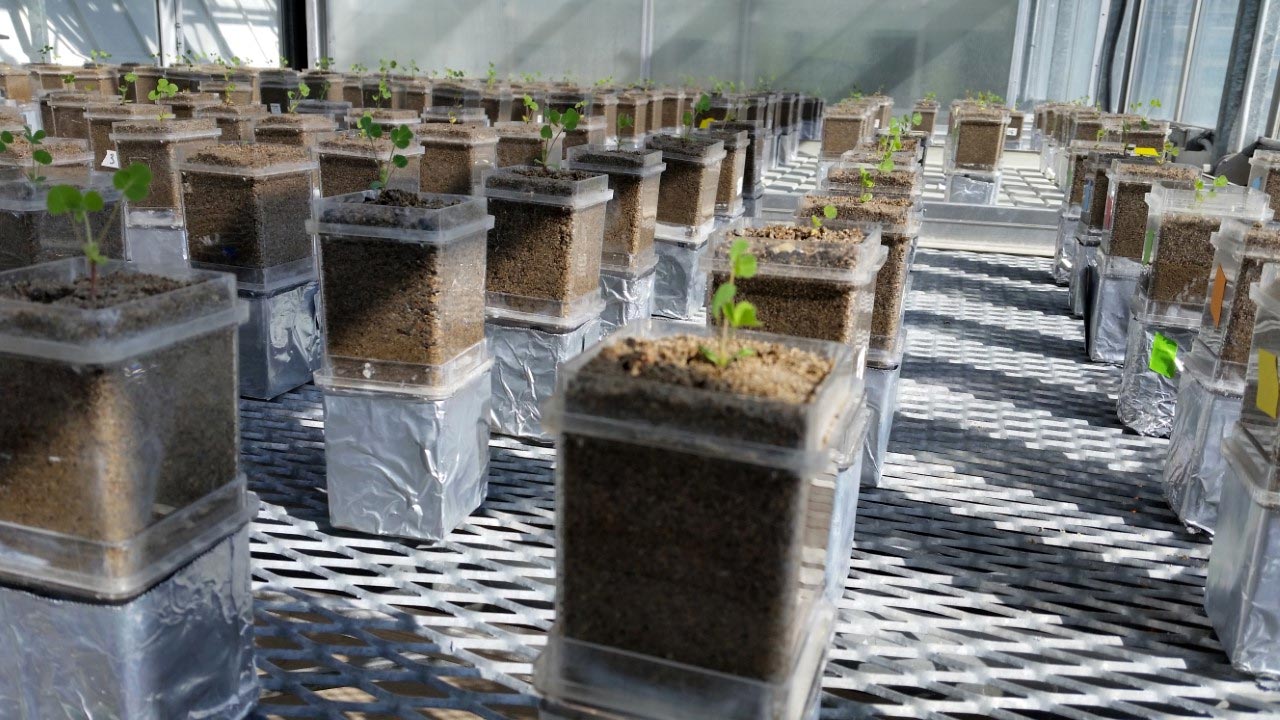
    Medicago Truncatula Plant Specimens
    Specimens of the clover-like Medicago truncatula plant were each given an initial mixture of two strains of the nitrogen-fixing bacteria Ensifer meliloti to learn what happens to microbes when paired with the same host across multiple generations. Credit: Bill Cole

    The era of COVID-19 and the need to constantly wash one’s hands and sanitize things have brought microbes to new levels of scrutiny, particularly for their impact on an individual’s health.

    While associations between microbes and their hosts, from the beneficial — think probiotics in yogurt — to the harmful — such as with viruses spread by touch — have long been known, little is known about how microbes evolve and how their evolution affects the health of their hosts.

    Now, researchers at the University of Toronto and the University of Illinois at Urbana-Champaign have found that as microbes evolve and adapt to their unique hosts, they become less beneficial to hosts of other genotypes.
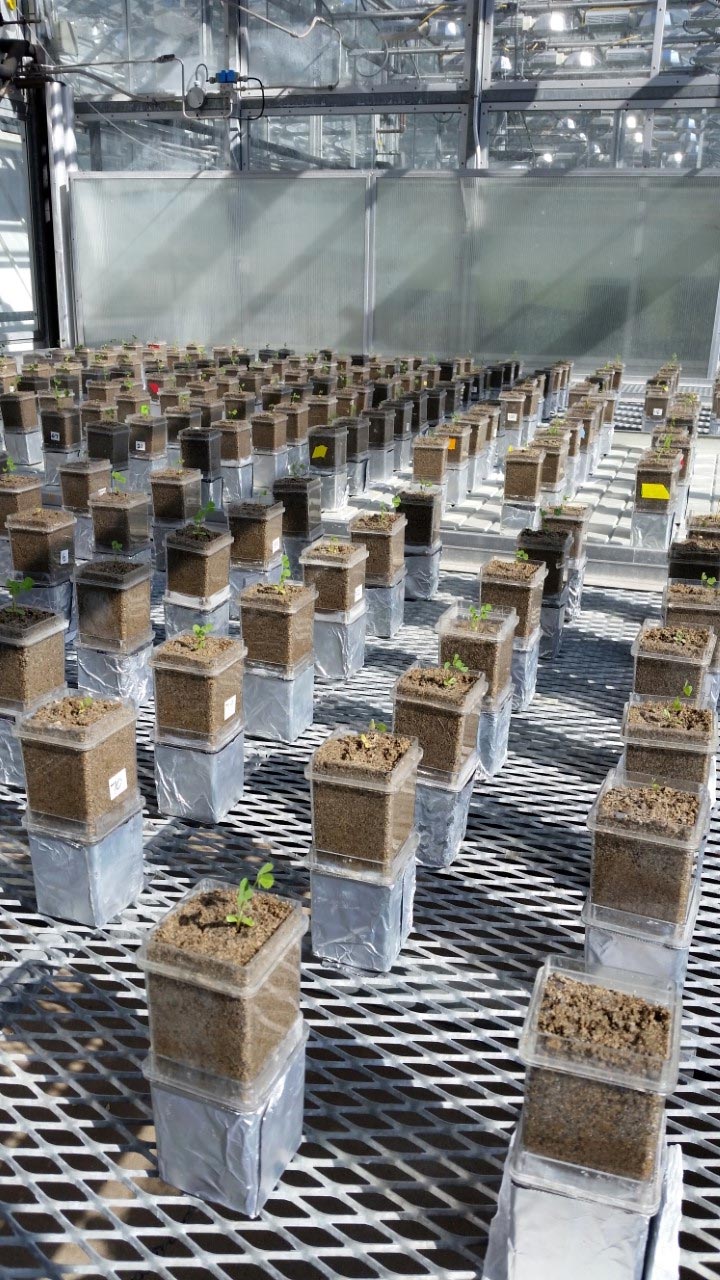
    Medicago Truncatula Plant
    Specimens of the clover-like Medicago truncatula plant were each given an initial mixture of two strains of the nitrogen-fixing bacteria Ensifer meliloti to learn what happens to microbes when paired with the same host across multiple generations. Credit: Bill Cole

    The findings suggest that there is probably not one universally healthy microbiome. Rather, transplanted microbes might need time to adapt to a new host before they bring benefits.

    “There is this prevailing idea that the ‘survival of the fittest’ means that individuals should reap the benefits others have to offer without reciprocating,” says Megan Frederickson, associate professor in the Department of Ecology & Evolutionary Biology at the University of Toronto, and senior author of a study published in Science. “We found that over time, microbes became better adapted to their hosts through the evolution of more, rather than less, cooperation.”

    The researchers, led by Frederickson and lead author Rebecca Batstone, a graduate of Frederickson’s lab and now a postdoctoral fellow at the University of Illinois at Urbana-Champaign, set out to learn what happens to microbes when paired with the same host across multiple generations of that host.

    Their first step was to grow several hundred specimens of the clover-like Medicago truncatula plant in a greenhouse, giving each an initial mixture of two strains of the nitrogen-fixing bacteria Ensifer meliloti. Subsequently, they re-planted new seeds into the same pots, and repeated the process for a total of five plant generations.

    After a year in the greenhouse, the researchers grew a new batch of plants, and tested the evolved microbes on them, mixing and matching different evolved microbes and different hosts. They compared how well the plants grew and how many associations they formed when they were given the original or evolved microbes, and when they were given microbes that evolved on different hosts.

    Finally, the researchers sequenced the entire genomes of original and evolved microbes to see how they differed genetically.

    “When we put microbes from the beginning and the end of the experiment back onto hosts, we found they did best with the same hosts they evolved on, suggesting they adapted to their local host,” said Batstone. “The derived microbes were more beneficial when they shared an evolutionary history with their host.”

    The researchers say the finding suggests that evolution might favor cooperation and that scientists might be able to use experimental evolution in a laboratory setting to make microbes that provide more benefits to their hosts.

    “When plants or even animals arrive in new environments, perhaps as invasive species or because they are responding to a changing climate, the microbes they encounter may be initially poor partners. But these microbes might rapidly adapt and develop a more beneficial relationship,” said Frederickson.

    Reference: “Experimental evolution makes microbes more cooperative with their local host genotype” by Rebecca T. Batstone, Anna M. O’Brien, Tia L. Harrison and Megan E. Frederickson, 23 October 2020, Science.
    DOI: 10.1126/science.abb7222

    The research was supported by the Natural Sciences and Engineering Research Council of Canada and the University of Toronto.

    Never miss a breakthrough: Join the SciTechDaily newsletter.
    Follow us on Google and Google News.

    Bacteria Evolution Microbiology Parasites Plant Science University of Toronto Virology
    Share. Facebook Twitter Pinterest LinkedIn Email Reddit

    Related Articles

    A Perilously “Profound Ignorance” – As Plant/Animal Diversity Wanes, Is Microbial Life Changing Too?

    The Toughest Organisms on Earth: Evolution of Radio-Resistance Is More Complicated Than Previously Thought

    Evolutionary Insight: New Connection Discovered Between Primordial Organisms and Complex Life

    Alien Microorganism Research Shows Humans and Other Mammals Could Struggle to Fight Space Germs

    Ultra-Small, Parasitic Bacteria Found in Groundwater, Dogs, Cats — And You

    Viral Dark Matter Exposed in Pioneering Research

    “Fascinating Machines of Death” – The Latest Research on Bacterial Toxins

    Bioluminescent Bacteria Kill Rivals and Establish Symbiosis in Squid Using Genetic Regulatory Factors

    New Clues to the Origin of Life on Earth From Microbial Remains in Ancient Rocks

    1 Comment

    1. Lew Meyer on November 10, 2020 12:32 am

      You use the word evolve too loosely. They are still microbes. They have not changed in a way that can be extrapolated to cross species change. Please use scientific language properly.

      Reply
    Leave A Reply Cancel Reply

    • Facebook
    • Twitter
    • Pinterest
    • YouTube

    Don't Miss a Discovery

    Subscribe for the Latest in Science & Tech!

    Trending News

    Collapsing Plasma May Hold the Key to Cosmic Magnetism

    This Breakthrough Solar Panel Generates Power From Both Sunlight and Raindrops

    Scientists Uncover New Metabolic Effects Beyond Weight Loss of Mounjaro

    Scientists Discover Cancer Tumors Are “Addicted” to This Common Antioxidant

    1,800 Miles Down: Scientists Uncover Mysterious Movements at the Edge of Earth’s Core

    Scientists Discover Hidden “Good Fats” in Green Rice That Could Transform Nutrition

    Your Child’s Clothes Could Contain Toxic Lead, Study Finds

    Researchers Break a 150-Year-Old Math Law With a Surprising Donut Discovery

    Follow SciTechDaily
    • Facebook
    • Twitter
    • YouTube
    • Pinterest
    • Newsletter
    • RSS
    SciTech News
    • Biology News
    • Chemistry News
    • Earth News
    • Health News
    • Physics News
    • Science News
    • Space News
    • Technology News
    Recent Posts
    • Natural Oils vs. Antibiotics: The Swine Study That Could Change Farming
    • The Biggest Volcanic Event in Earth’s History Transformed an Entire Oceanic Plate
    • Scientists Warn: Humanity Has Pushed the Planet Past Its Limits
    • Stronger Flu Shot Linked to Nearly 55% Lower Alzheimer’s Risk, Study Finds
    • Researchers Say That Eating Mango With Avocado Offers Surprising Heart Benefits
    Copyright © 1998 - 2026 SciTechDaily. All Rights Reserved.
    • Science News
    • About
    • Contact
    • Editorial Board
    • Privacy Policy
    • Terms of Use

    Type above and press Enter to search. Press Esc to cancel.