
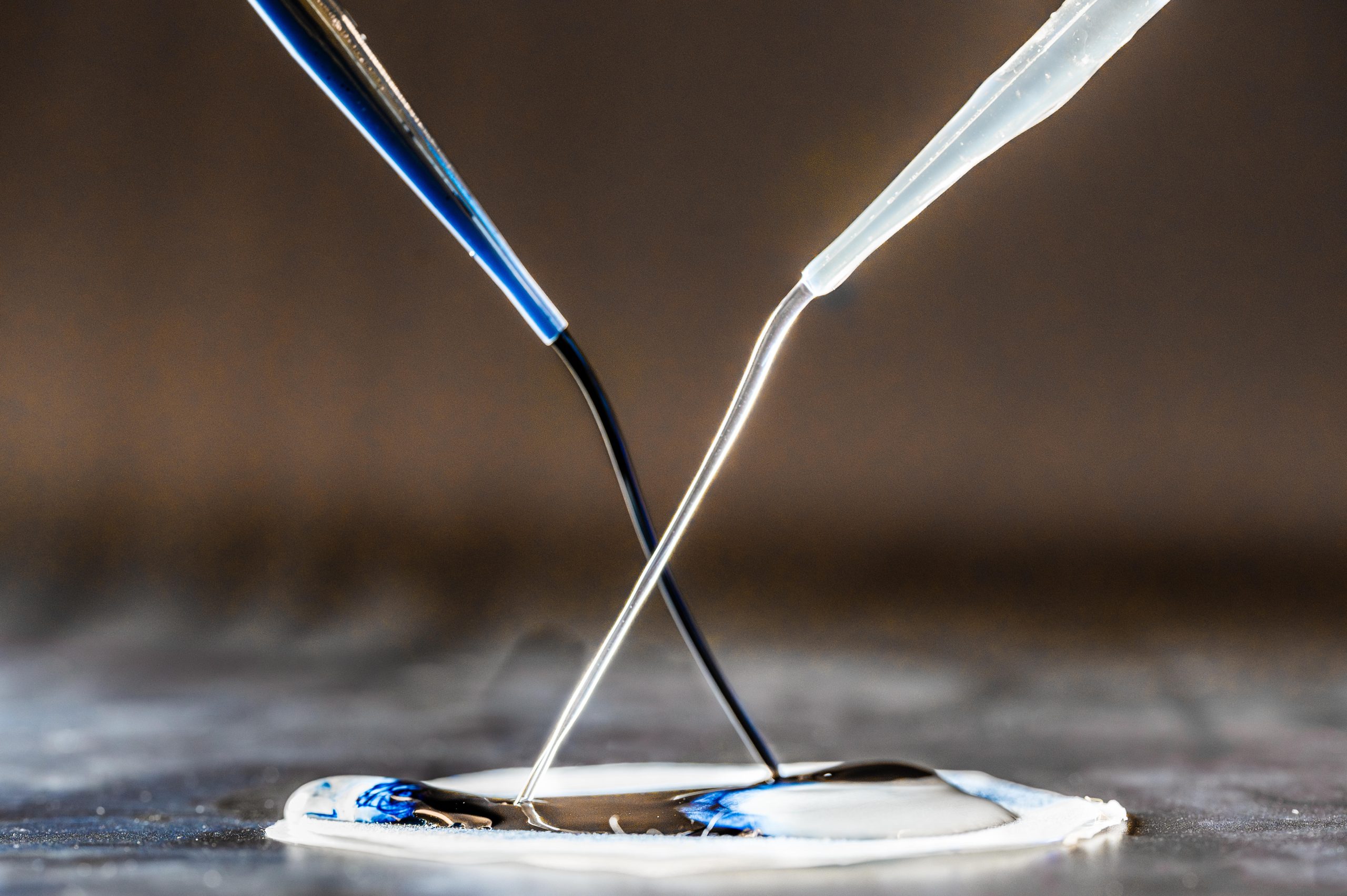
Researchers at Linköping University in Sweden have made a significant advancement in the field of terahertz wave technology, as reported in a study published in the journal Advanced Science. They have demonstrated that the transmission of terahertz light can be adjusted when passed through an aerogel composed of cellulose and a conducting polymer. This development holds great promise for enhancing applications in areas such as advanced medical imaging and communication, highlighting the extensive potential of high-frequency terahertz waves.
The terahertz range covers wavelengths that lie between microwaves and infrared light on the electromagnetic spectrum. It has a very high frequency. Thanks to this, many researchers believe that the terahertz range has great potential for use in space exploration, security technology, and communication systems, among other things. In medical imaging, it can also be an interesting substitute for X-ray examinations as the waves can pass through most non-conductive materials without damaging any tissue.
However, there are several technological barriers to overcome before terahertz signals can be widely used. For example, it is difficult to create terahertz radiation in an efficient way and materials that can receive and adjust the transmission of terahertz waves are needed.
Breakthrough in Terahertz Wave Modulation
Researchers at Linköping University have now developed a material whose absorption of terahertz signals can be turned on and off through a redox reaction. The material is an aerogel, which is one of the world’s lightest solid materials.
“It’s like an adjustable filter for terahertz light. In one state, the electromagnetic signal will not be absorbed and in the other state, it can. That property can be useful for long-range signals from space or radar signals,” says Shangzhi Chen, a postdoc at the Laboratory of Organic Electronics, LOE, at Linköping University.
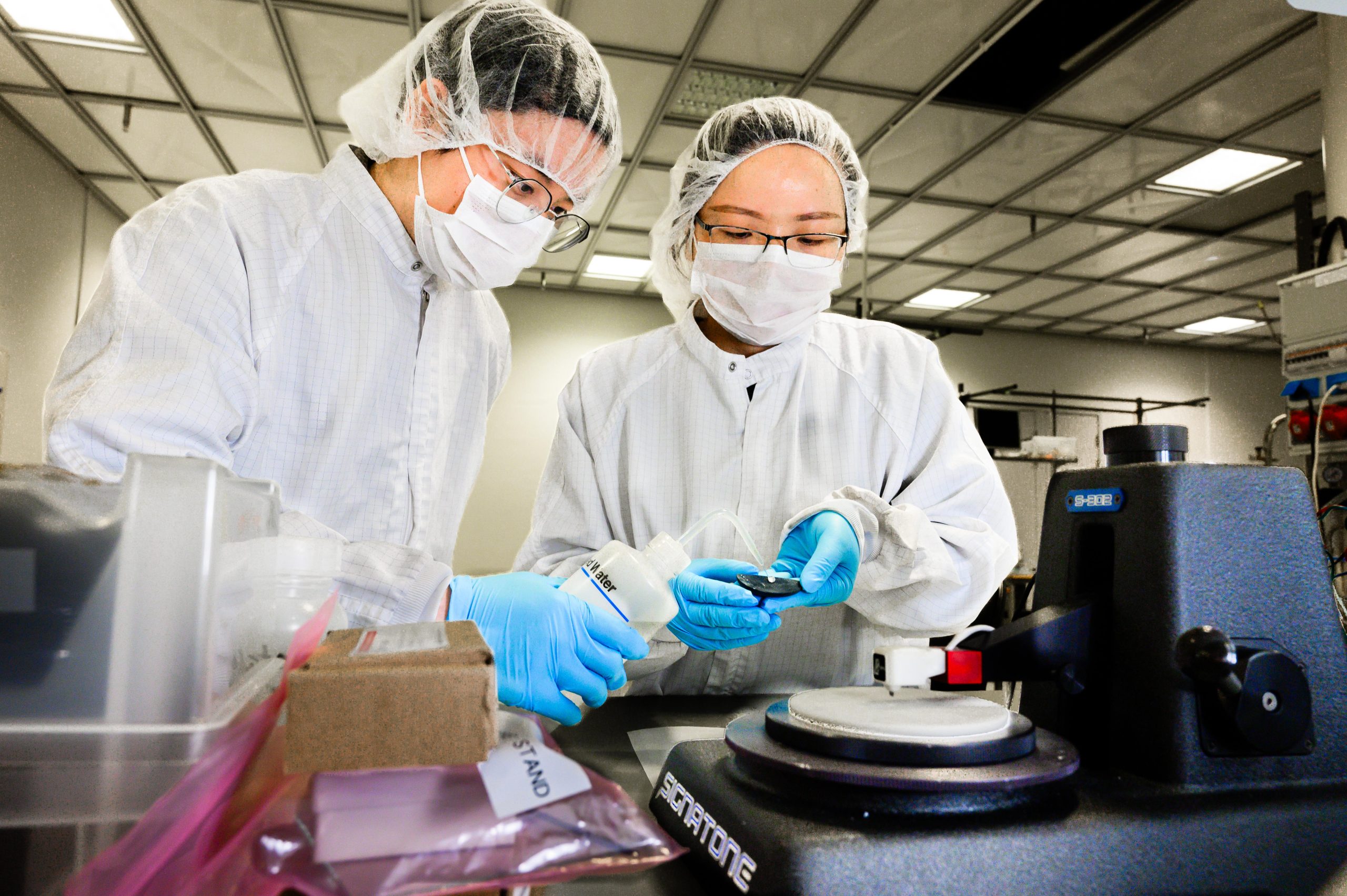
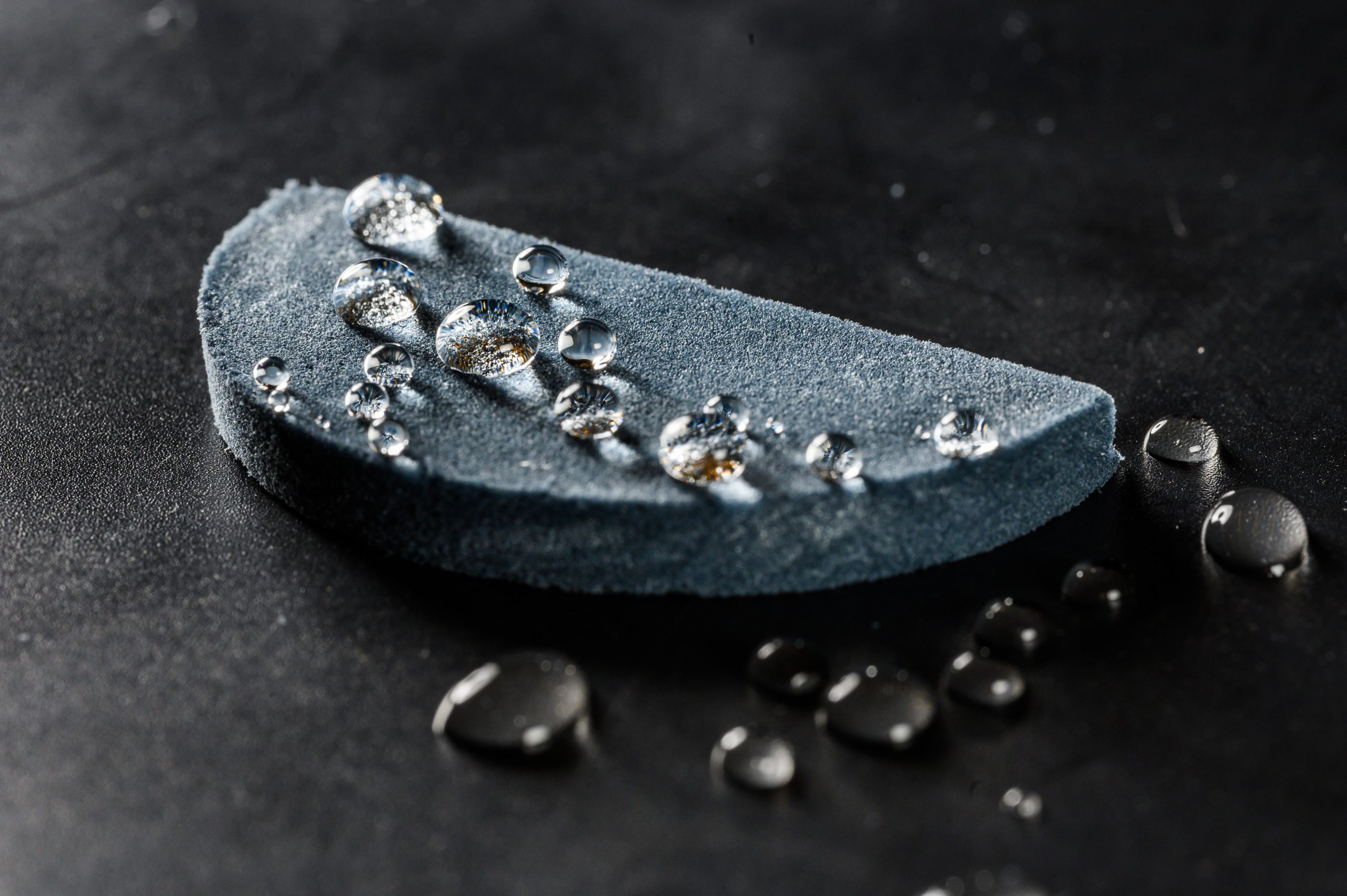
The Linköping researchers used a conducting polymer, PEDOT:PSS, and cellulose to create their aerogel. They also designed the aerogel with outdoor applications in mind. It is both water-repellent (hydrophobic) and can be naturally defrosted via heating by sunlight.
Conducting polymers have many advantages over other materials used to create tunable materials. Among other things, they are biocompatible, durable, and have a great ability to be tuned. The tunability comes from the ability to change the charge density in the material. The great advantages of cellulose are the relatively low production cost compared to other similar materials and that it is a renewable material which is key for sustainable applications.
“The transmission of terahertz waves in a broad frequency range could be regulated between around 13 % and 91 %, which is a very large modulation range,” says Chaoyang Kuang, postdoc at LOE.
Reference: “Switchable Broadband Terahertz Absorbers Based on Conducting Polymer-Cellulose Aerogels” by Chaoyang Kuang, Shangzhi Chen, Min Luo, Qilun Zhang, Xiao Sun, Shaobo Han, Qingqing Wang, Vallery Stanishev, Vanya Darakchieva, Reverant Crispin, Mats Fahlman, Dan Zhao, Qiye Wen and Magnus P. Jonsson, 23 November 2023, Advanced Science.
DOI: 10.1002/advs.202305898
Funding: Vetenskapsrådet, Stiftelsen för Strategisk Forskning, the Foundation for Internationalization of Higher Education and Research, Knut och Alice Wallenbergs Stiftelse, Wallenberg Wood Science Center, the Swedish government’s strategic initiative in new functional materials, AFM, at Linköping University.
Never miss a breakthrough: Join the SciTechDaily newsletter.
Follow us on Google and Google News.
2 Comments
this is a good job. am also doing the production on nanocellulose-aerogels from biomass for the production of paint as additives. l would love to know the name of the process you used as well as the optimal conditions which gave you good quality, high yield of aerogels.
This article talks about terahertz future advancements for “medical” use. In the meantime there are already products utilizing terahertz frequencies for non-medical use for health. I regularly use Terahertz Wand’s deep penetrating healthy heat; like a touchless massage.