
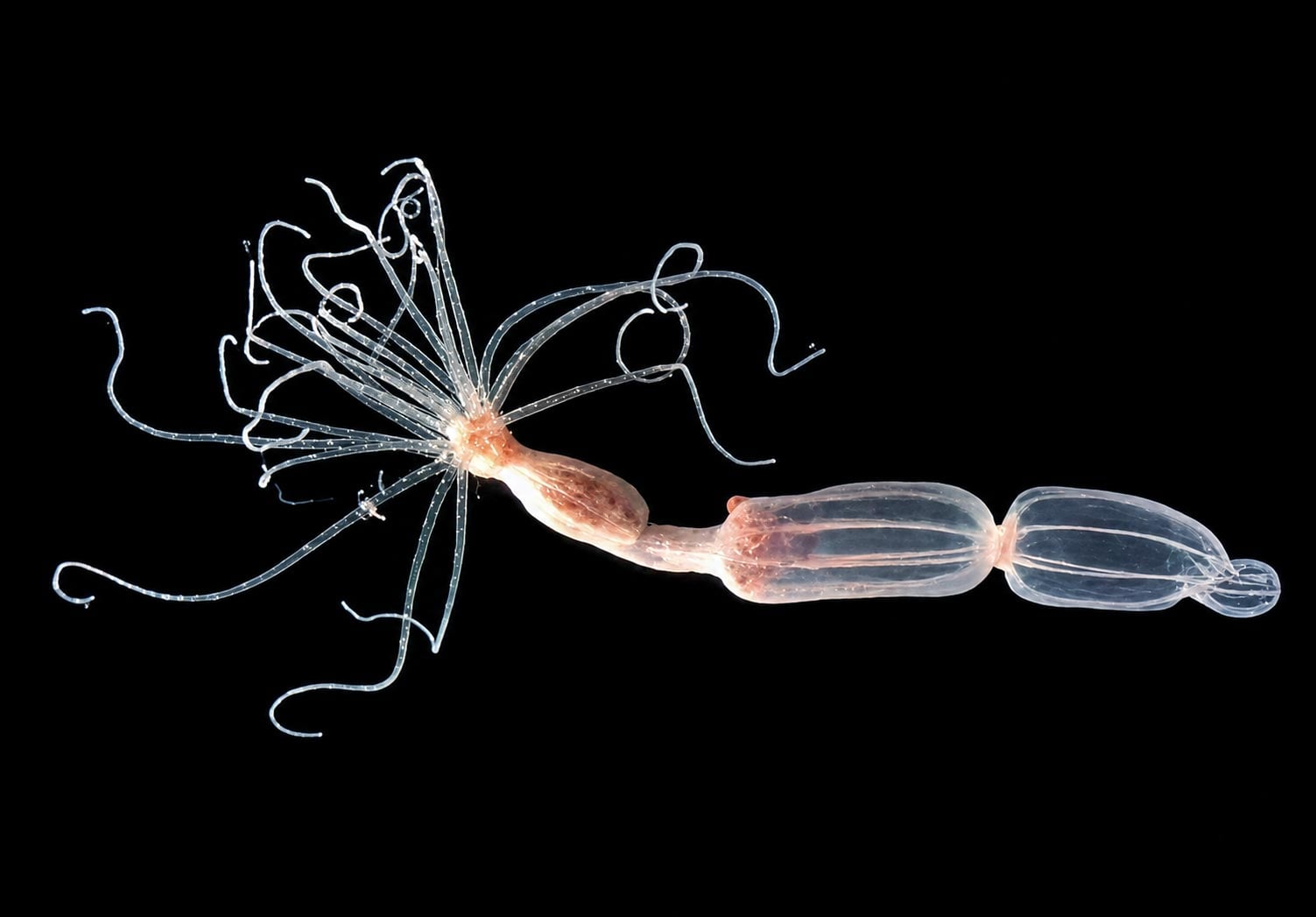
Scientists found that sea anemones battle viruses with an unexpected immune strategy, revealing that evolution may have invented more than one way to stop infections.
Researchers have identified a previously unknown antiviral defense system in sea anemones, revealing that animals may not rely on a single evolutionary strategy for resisting viruses. The team found that a protein resembling an important part of the human immune system performs the opposite function in sea anemones. Even so, the protein is still necessary for the animals to defend themselves effectively.
The discovery challenges long-standing ideas about how antiviral immunity evolved and suggests that different branches of the animal kingdom developed fundamentally different ways to control viral infections.
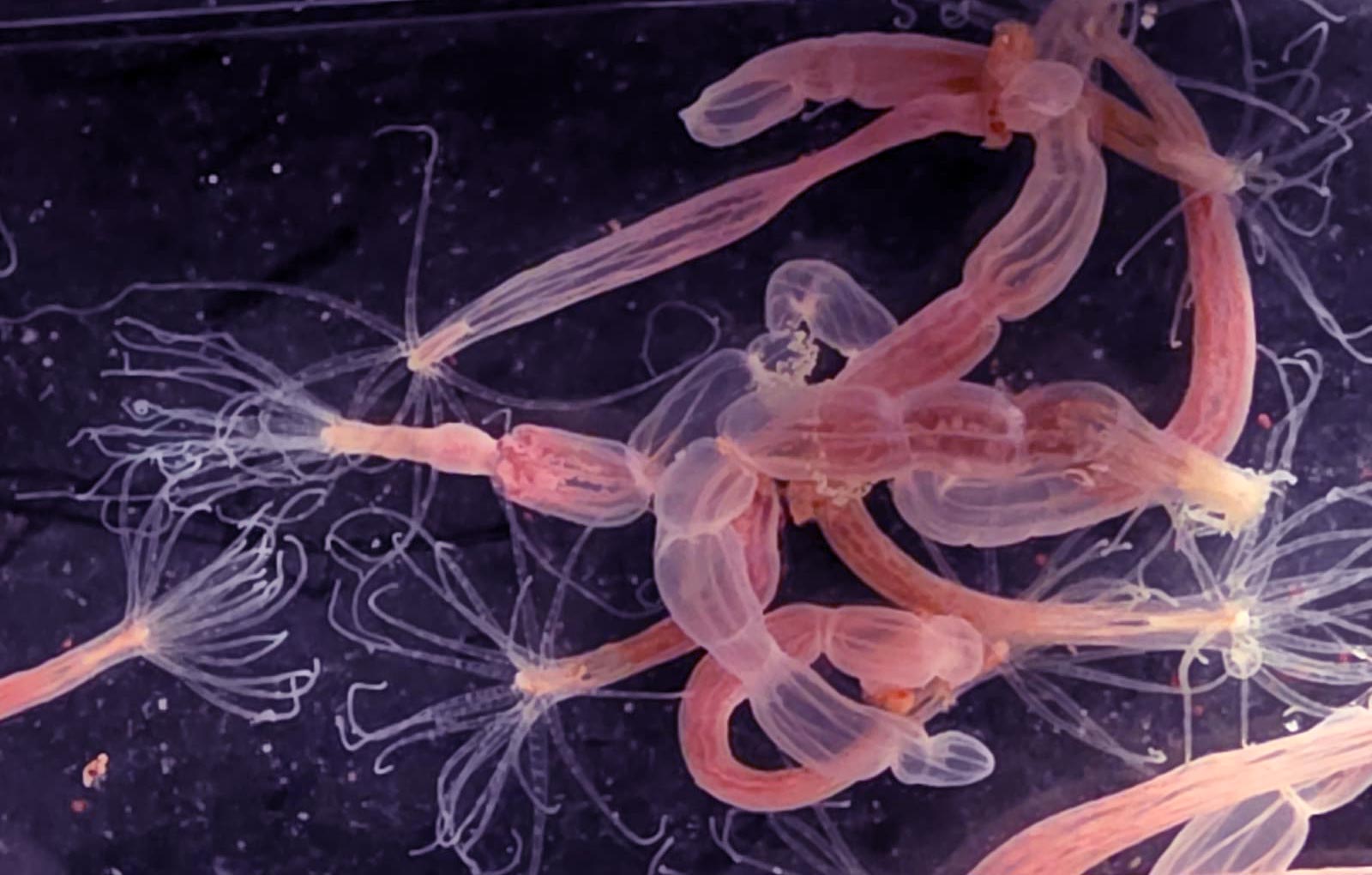
A Surprising Immune System in Sea Anemones
The study was led by PhD candidate Ton Sharoni and Prof. Yehu Moran of the Hebrew University of Jerusalem, working with scientists from the University of North Carolina at Charlotte. Published in Nature Ecology & Evolution, the research describes a previously unknown antiviral mechanism in sea anemones.
Viruses pose a constant threat to organisms throughout the living world. In humans and other vertebrates, one important antiviral pathway depends on a protein called MAVS. When cells detect a viral intruder, MAVS helps switch on immune defenses.
Scientists have wanted to know how far back this type of protection reaches in animal evolution. Sea anemones offer an especially useful opportunity to investigate that question because their lineage split from the one that eventually produced humans more than 600 million years ago. They are also closely related to corals and jellyfish, making them valuable models for studying the early history of animal immunity.
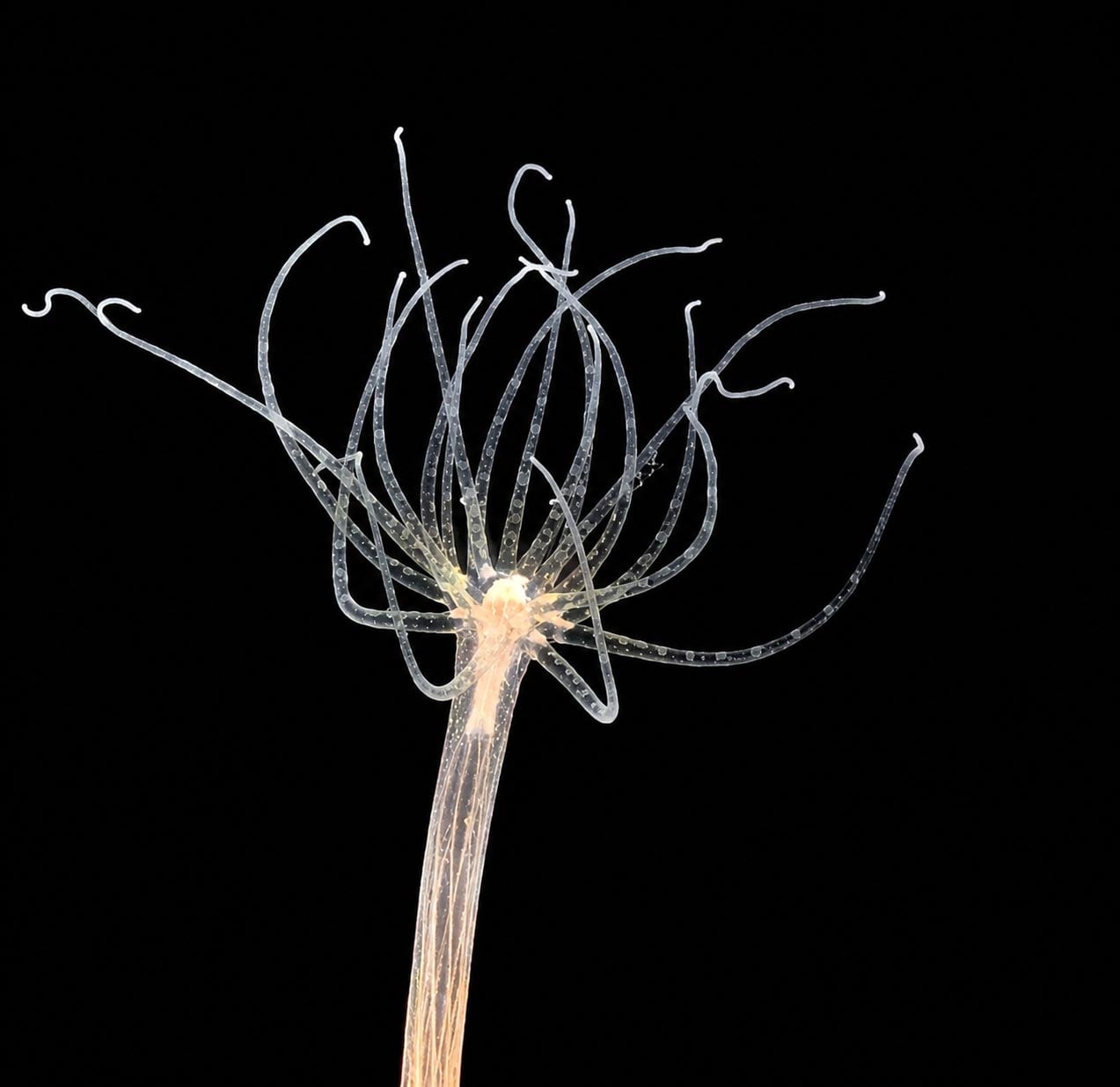
A Familiar Protein With the Opposite Function
During the study, the researchers discovered a protein they named CARDIB (CARD Inhibitor Binding protein). Its structure closely resembled that of MAVS, initially suggesting it might be an ancient form of the same antiviral system used by humans.
Experiments, however, revealed something very different.
“Everything about CARDIB suggested it should function like MAVS,” said Prof. Yehu Moran, head of the Department of Ecology, Evolution and Behavior at the Hebrew University. “Instead, we discovered that it does the exact opposite. Rather than activating antiviral defenses, CARDIB normally suppresses them.”
That finding created a puzzle. If CARDIB restrains immune activity, why would sea anemones need it to survive viral infections?
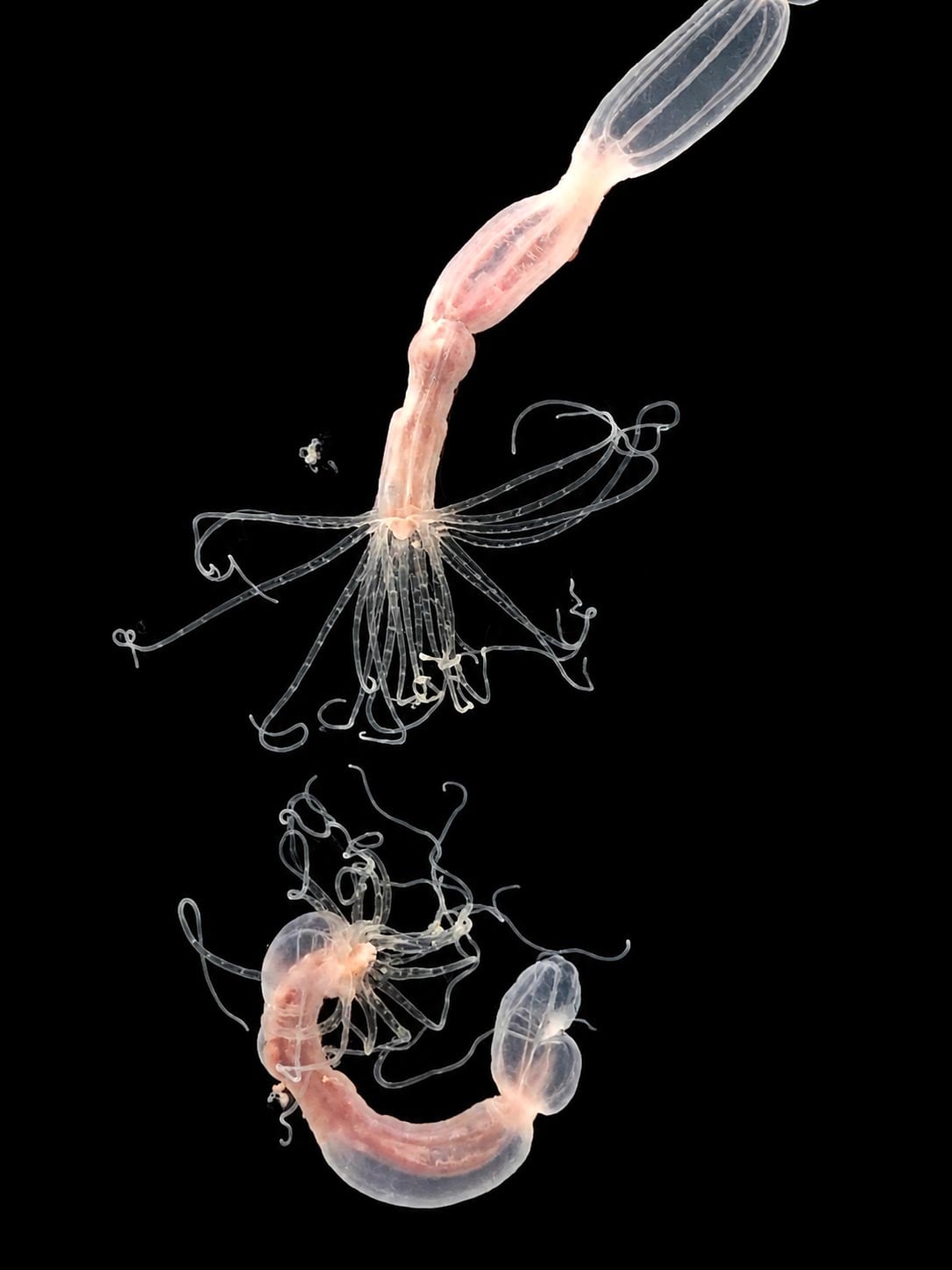
Removing CARDIB Made Infections Worse
To find out, the scientists used CRISPR gene editing to remove CARDIB from sea anemones. They then exposed the altered animals to viral threats.
The results were unexpected. Sea anemones without CARDIB were much less able to control infection. Viruses reproduced more easily, antiviral defenses did not activate normally, and the animals lost much of their ability to resist the invading viruses.
“The results were completely counterintuitive,” said Sharoni. “Although CARDIB acts as a brake on the immune system under normal conditions, that brake turns out to be essential for mounting an effective antiviral response.”
The findings show that sea anemones use an antiviral pathway that differs fundamentally from the one found in humans, even though some of the molecular parts look remarkably similar.
The Defense System Also Works in Nature
The researchers next investigated whether the pathway mattered beyond controlled laboratory experiments.
Genetically modified sea anemones were moved from indoor aquaria into outdoor marine mesocosms in South Carolina. These systems were supplied with natural estuarine water, exposing the animals to the wide variety of viruses and microorganisms they would encounter in a real coastal environment.
Within days, sea anemones missing CARDIB and other related antiviral genes carried substantially more viruses than normal animals. One immune gene that had seemed only moderately important in the laboratory proved to be clearly significant under natural conditions.
“This demonstrated that the pathway we discovered is not simply a laboratory phenomenon,” said Moran. “It plays a crucial role in helping these animals cope with the viral challenges they face in nature.”
Evolution Found More Than One Solution
The results suggest that animal evolution did not preserve one universal antiviral system. Instead, separate animal lineages may have developed distinct molecular methods for recognizing viruses and preventing them from spreading.
“Humans and sea anemones both need protection from viruses, but this work shows that evolution can organize those defenses in fundamentally different ways,” Moran added.
The discovery also shows why scientists benefit from studying organisms beyond the traditional models used in biomedical research. Ancient animals such as sea anemones can preserve evolutionary innovations that may remain hidden when research focuses mainly on humans, mice, and other familiar laboratory species.
By examining a wider range of life, researchers are continuing to uncover unexpected ways evolution has solved some of biology’s most persistent challenges.
Reference: “An ancient anthozoan protein reveals an alternative evolutionary path of antiviral signalling” by Ton Sharoni, Adrian Jaimes-Becerra, Sydney Birch, Hee-Jin Kwak, Daria Aleshkina, Magda Lewandowska, Joachim M. Surm, Hannah Justin, Reuven Aharoni, Adam M. Reitzel and Yehu Moran, 26 June 2026, Nature Ecology & Evolution.
DOI: 10.1038/s41559-026-03112-3
Never miss a breakthrough: Join the SciTechDaily newsletter.
Follow us on Google and Google News.