
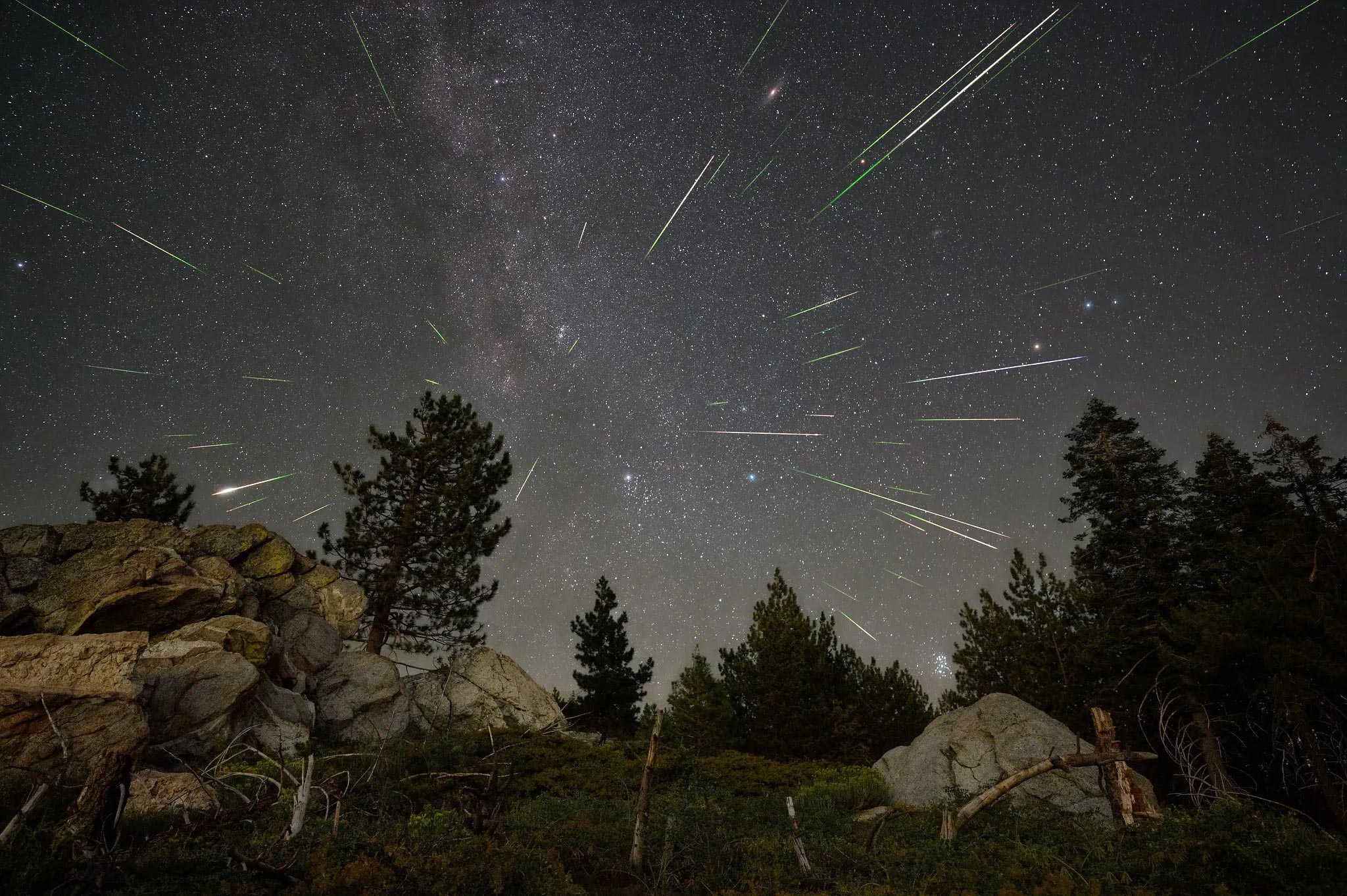
Two eclipses, the Perseid meteor shower, and dazzling Venus make August a spectacular month for looking up.
A total solar eclipse, the peak of the Perseid meteor shower, brilliant Venus after sunset, and a deep partial lunar eclipse make August an eventful month for skywatchers.
Skywatching Highlights
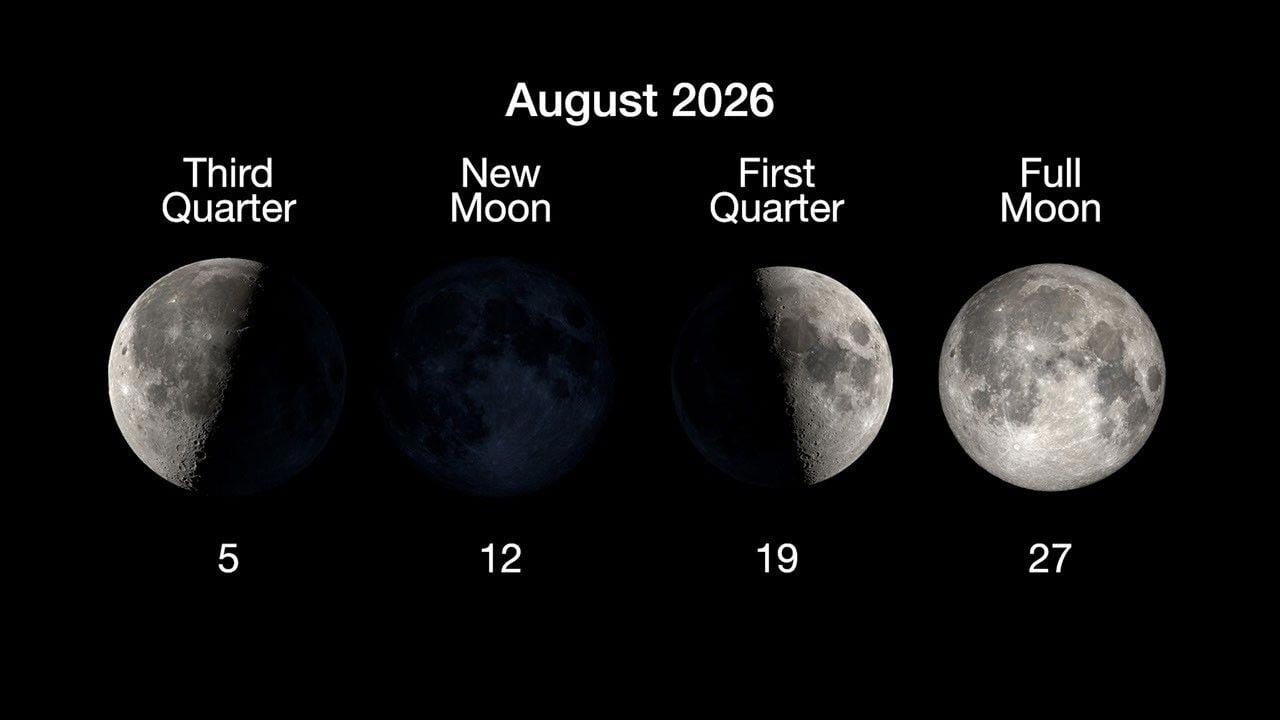
August 5: Last Quarter Moon
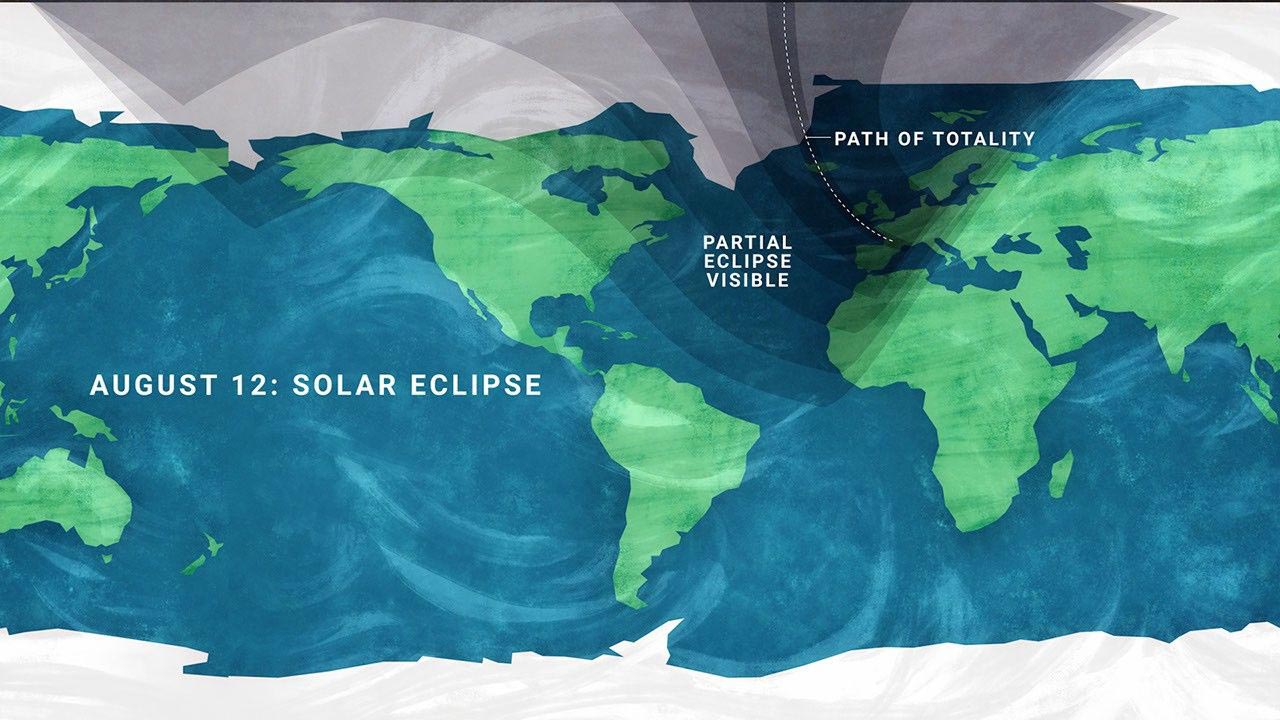
August 12: Total solar eclipse across northern Russia, Greenland, Iceland, northern Spain, and part of Portugal; partial eclipse in parts of the U.S.; New Moon
August 12-13: Perseid meteor shower peak under dark skies
August 14-16: Venus reaches greatest eastern elongation and shines low in the west after sunset
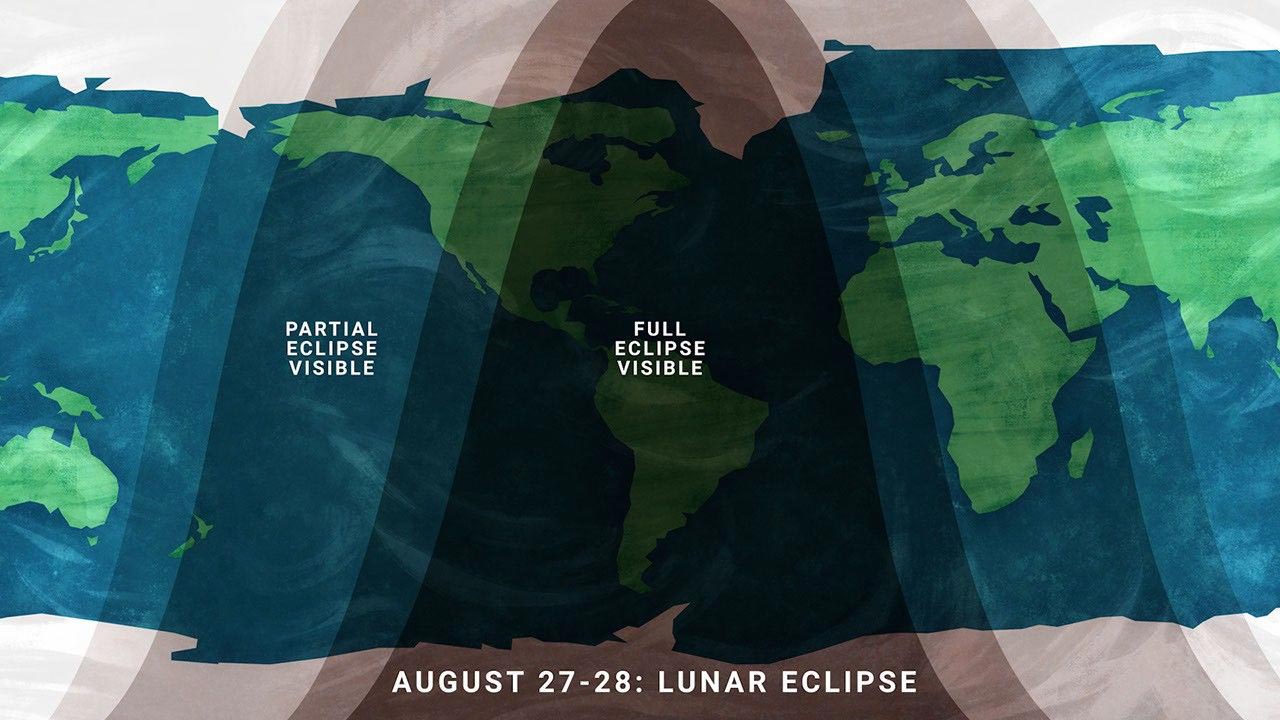
August 27-28: Partial lunar eclipse visible from much of North and South America and parts of Europe and Africa
August Brings Eclipses, Meteors, and Venus
August offers a solar eclipse, one of the best meteor showers of the year, Venus shining at its brightest in the evening sky, and a lunar eclipse near the end of the month.
Total Solar Eclipse on August 12
On August 12, a total solar eclipse will pass across northern Russia, Greenland, Iceland, and northern Spain. A small section of Portugal will also fall within the path of totality.
The eclipse will appear partial from parts of the United States, stretching from Alaska to North Carolina. Depending on the viewing location, the Moon will cover only a small portion of the Sun.
Safe viewing is essential during any solar eclipse. Use certified eclipse glasses or another approved solar viewer whenever any part of the Sun remains visible. Ordinary sunglasses do not provide enough protection. Binoculars, telescopes, and cameras should never be pointed at the Sun unless a proper solar filter is securely attached to the front of the optics.
Perseid Meteor Shower Peaks Under Dark Skies
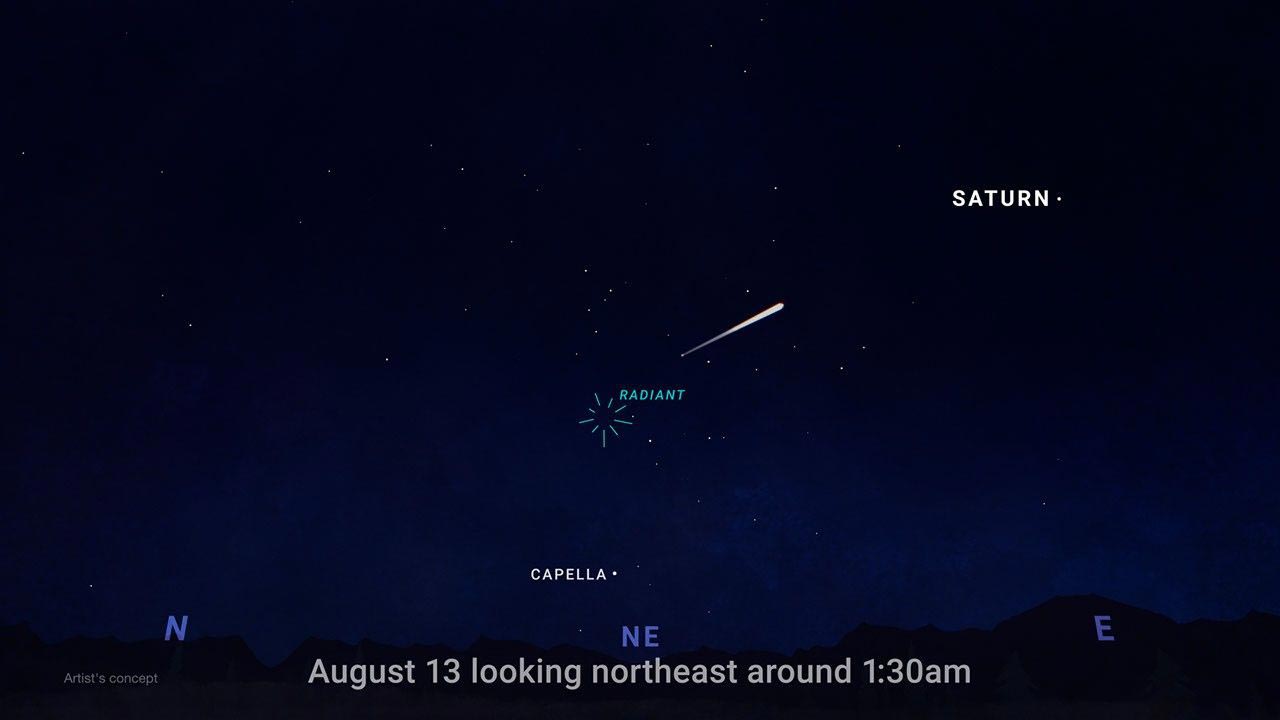
Later that night, the Perseid meteor shower will reach its peak. The best activity is expected from the evening of August 12 through the early morning hours of August 13. Because the New Moon also occurs on August 12, moonlight will not interfere, creating especially dark viewing conditions.
The Perseids return each year as Earth moves through a trail of debris left by Comet Swift-Tuttle. Small particles of comet dust enter the atmosphere at high speed and heat up, producing bright streaks across the sky.
Once the sky is fully dark, look toward the northeast and wait for the constellation Perseus to rise above the horizon. The meteors appear to originate from that area, but they can streak through any part of the sky, so it is best to keep a wide field of view.
For better viewing, choose a dark and open location, remain outside as the night progresses, and allow about 30 minutes for your eyes to adapt to the darkness.
Venus Shines Brightly After Sunset
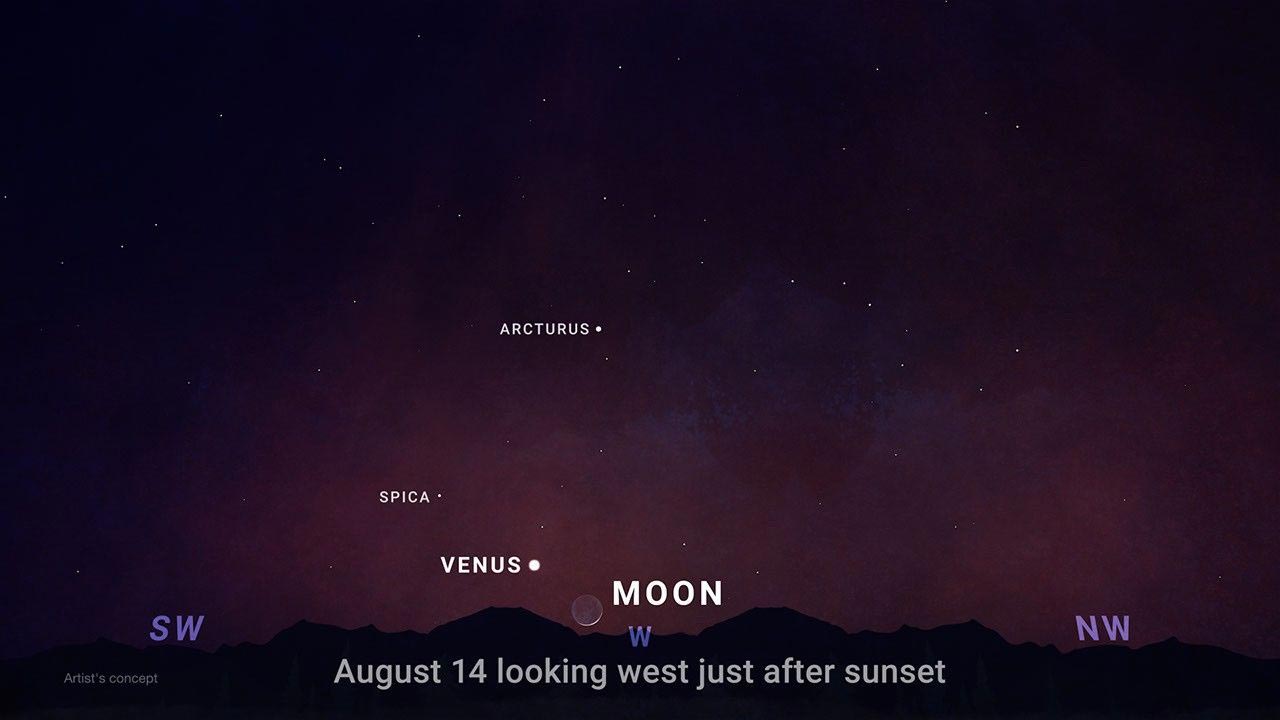
From August 14 through August 16, Venus reaches its greatest eastern elongation. This marks the point when the planet appears farthest from the Sun during its current evening appearance.
Shortly after sunset, look low in the western sky for an exceptionally bright object. Venus will outshine every nearby star. Through a telescope, the planet will appear close to half illuminated, resembling a small version of one of the Moon’s phases.
Deep Partial Lunar Eclipse Closes the Month
On the night of August 27, continuing into August 28 in some time zones, the Full Moon will pass through Earth’s shadow and produce a partial lunar eclipse. The event will be visible across much of North and South America, along with parts of Europe and Africa.
At the eclipse’s maximum point, about 93% of the Moon’s diameter will lie within Earth’s dark central shadow, known as the umbra. The Moon will not become fully covered, but much of its surface may appear significantly darker. The shadowed portion may also develop a rusty or copper colored tint.
A lunar eclipse can be viewed safely without eye protection. Binoculars or a small telescope can provide a closer look at the curved edge of Earth’s shadow as it moves across the Moon.
Here are the phases of the Moon for August.
Never miss a breakthrough: Join the SciTechDaily newsletter.
Follow us on Google and Google News.
1 Comment
Yeah 0.o.o.o ok yeah 👍