
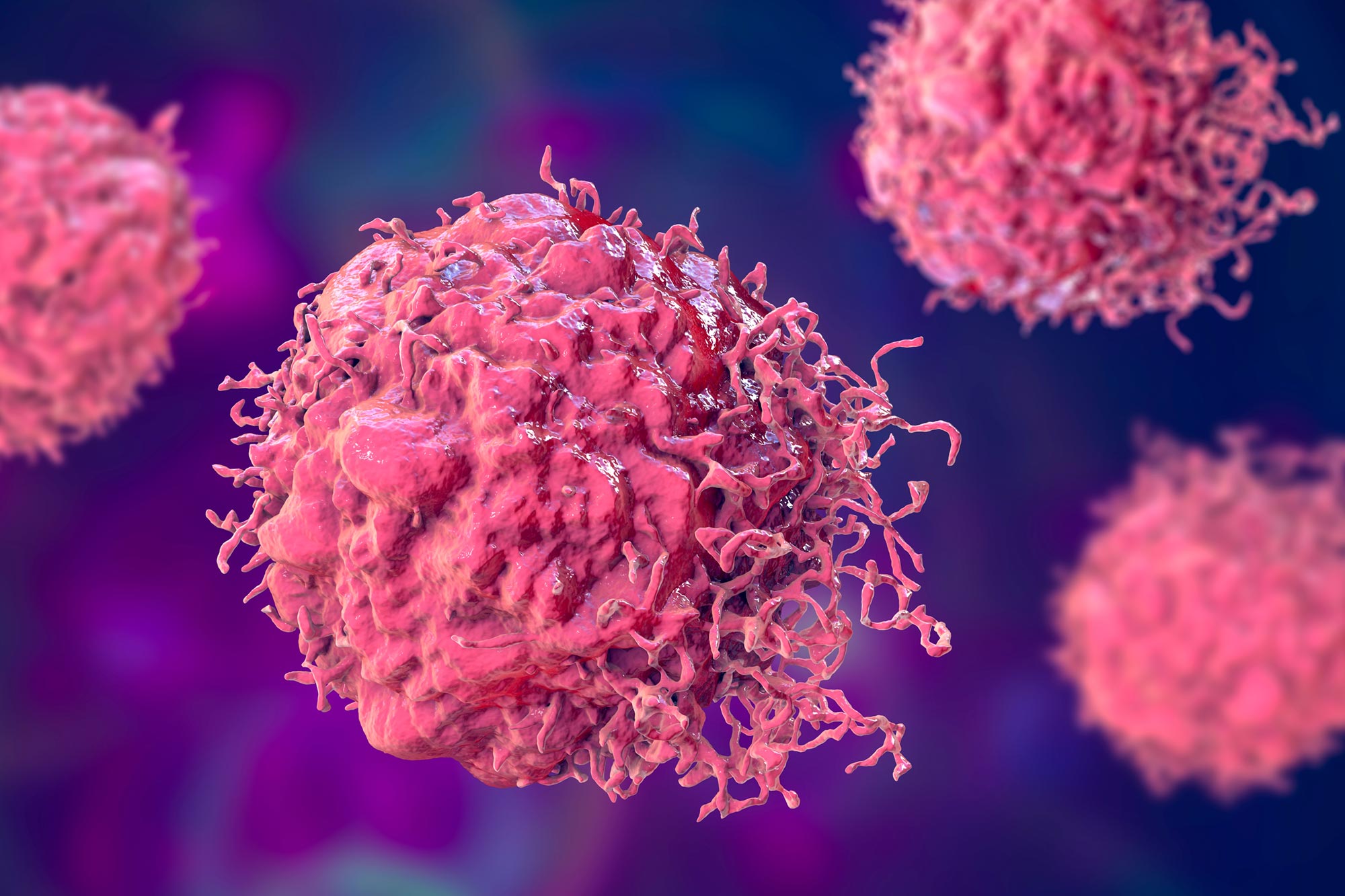
A combination treatment exposed hidden pancreatic cancer cells to the immune system, reduced their spread, and helped mice live longer.
Researchers at the University of Minnesota Medical School have uncovered one reason pancreatic cancer is so difficult for the immune system to recognize and attack. The discovery points to a potential way to make immunotherapy more effective against a disease that has historically resisted many immune-based treatments.
The findings, published in Science Immunology, show that some pancreatic cancer cells can avoid destruction by shutting down the molecular system that normally reveals them to immune cells. Once these cells become harder to detect, they are more likely to survive, spread, and establish tumors elsewhere in the body.
CD4 T Cells Expose a Hidden Weakness
In preclinical models, this hiding behavior emerged after the cancer was exposed to immunotherapy. Some tumor cells switched off a gene called Tap1, which helps display recognizable pieces of cancer proteins on the cell surface. These signals normally allow cancer-killing T cells to identify abnormal cells and eliminate them.
Without those signals, the tumor cells became much harder for conventional killer T cells to recognize. However, they did not become completely invisible to the immune system.
The researchers found that CD4 helper T cells could still detect and restrain the hidden cancer cells. These immune cells are generally known for coordinating broader immune responses, but the findings suggest they may also play a much more direct role in controlling pancreatic cancer than previously understood.
A Two-Part Strategy Strengthens Immunotherapy
However, the CD4 T-cell response was weakened by regulatory T cells, which normally prevent the immune system from becoming overactive. Inside the tumors, these regulatory cells suppressed the CD4 helper T cells and allowed the evasive cancer cells to escape immune control.
The team therefore tested a two-part treatment strategy. One approach restored the cancer cells’ ability to display identifying signals, while the other blocked an immune checkpoint called CTLA-4, releasing the brake on CD4 helper T cells.
Neither approach was as effective on its own as the combination. When the researchers restored the cancer cells’ visibility and simultaneously activated the CD4 T-cell response, the immune system controlled the tumors more effectively, the cancer was less likely to spread, and treated mice survived longer.
What the Findings Could Mean for Patients
“By following the data, this study has transformed how we think about requirements for an effective immunotherapy for pancreatic cancer,” said Ingunn Stromnes, PhD, associate professor at the University of Minnesota Medical School and the study’s principal investigator and corresponding author.
The researchers also examined human pancreatic tumors and found CD4 and regulatory T cells gathered in many of the same regions. Their abundance was associated with patient survival, providing evidence that the immune interactions observed in mice may also be relevant in people.
The next step is to determine exactly how CD4 T cells coordinate the antitumor response and how they can be safely harnessed to improve immunotherapy.
Reference: “Treg cells promote immunotherapy-induced immune evasion by restraining CD4 T cell control of MHC-I–deficient metastatic pancreatic cancer” by Zoe C. Schmiechen, Eduardo Cruz-Hinojoza, Audrey L. Hilk, Madeline A. Ellefson, Alexander K. Tsai, Olivia M. Dres, Liang-I Kang, Michael J. Geuenich, Jonah Z. Butler, Adam L. Burrack, Brandon M. Larsen, Grant H. Hickok, Ebony A. Miller, Cara-lin Lonetree, Amrit Gaire, Rachana Pandey, Hezkiel A. Nanda, Indrajit Chaudhury, Thomas Corbiere, Thamotharampillai Dileepan, Steven S. Shen, Kieran R. Campbell, David G. DeNardo and Ingunn M. Stromnes, 26 June 2026, Science Immunology.
DOI: 10.1126/sciimmunol.adz4302
The research was funded by the National Institutes of Health (National Cancer Institute), Department of Defense, American Cancer Society and AACR-Pancreatic Action Network.
Never miss a breakthrough: Join the SciTechDaily newsletter.
Follow us on Google and Google News.