
Close Menu
    Facebook X (Twitter) Instagram
    SciTechDaily
    • Biology
    • Chemistry
    • Earth
    • Health
    • Physics
    • Science
    • Space
    • Technology
    Facebook X (Twitter) Pinterest YouTube RSS
    SciTechDaily
    Home»Space»TIRA Space Observation Radar Captures Last Images of ERS-2 Tumbling Through the Sky
    Space

    TIRA Space Observation Radar Captures Last Images of ERS-2 Tumbling Through the Sky

    By Fraunhofer FHRFebruary 29, 2024No Comments2 Mins Read
    Facebook Twitter Pinterest Telegram LinkedIn WhatsApp Email Reddit
    Share
    Facebook Twitter LinkedIn Pinterest Telegram Email Reddit
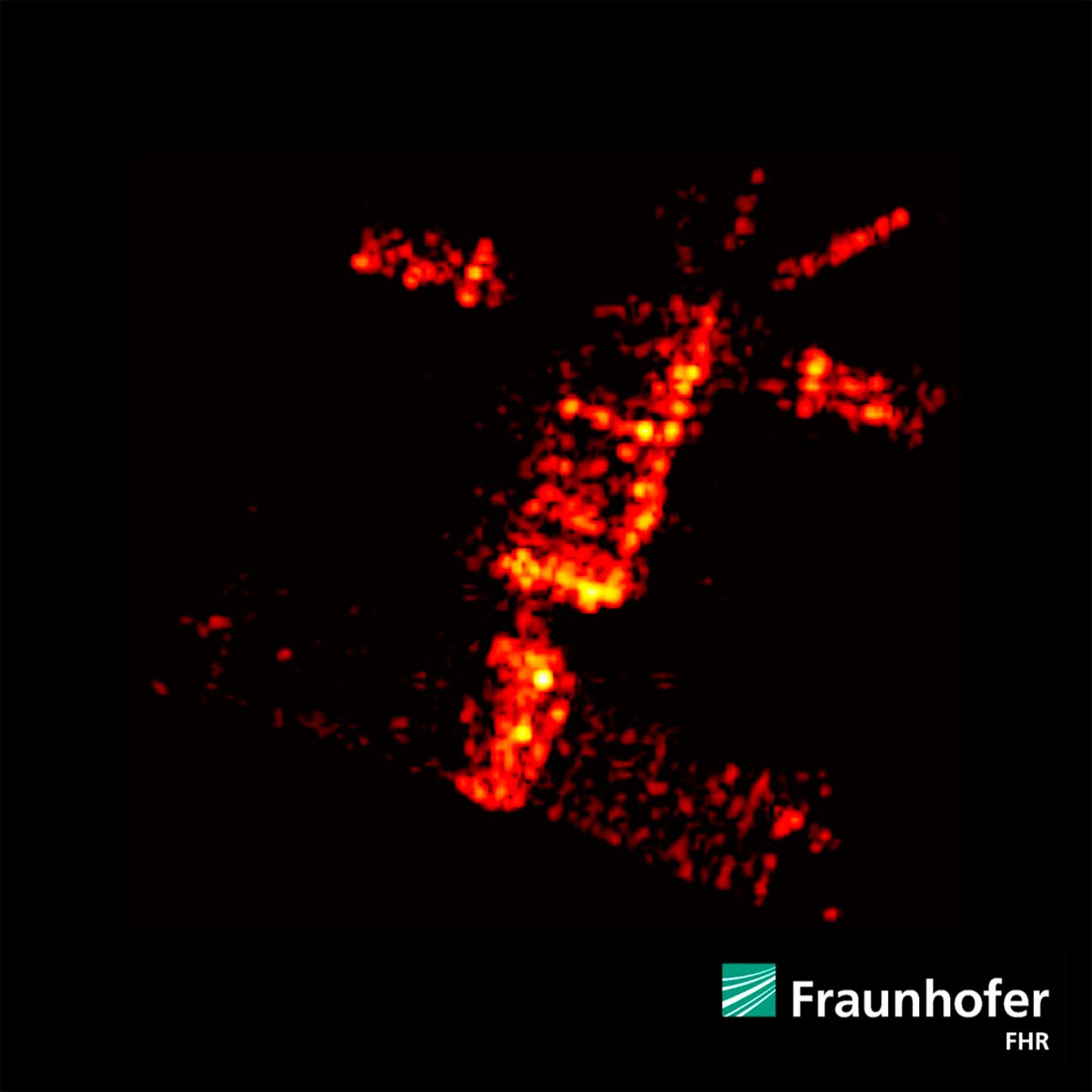
    ERS-2 Satellite February 19
    Radar image of the satellite ERS-2 from February 19, 2024: Solar module intact. Credit: Fraunhofer FHR

    The European Space Agency (ESA) and the joint Space Situational Awareness Centre commissioned Fraunhofer FHR to accompany the re-entry of the retired ERS-2 satellite. With its unique space observation radar TIRA (Tracking and Imaging Radar), the final orbits were measured with high precision and the last images of ERS-2 were generated. For the first time, changes in the structure during re-entry were captured in images.

    After an extremely successful mission and nearly 30 years in orbit, ESA’s ERS-2 entered the atmosphere on February 21, 2024, at around 6:17 p.m. CET (5:17 p.m. UTC). Prior to that, researchers from the Fraunhofer Institute for High-Frequency Physics and Radar Techniques (FHR) had measured the ESA satellite several times for about a week. The last images of ERS-2 tumbling through the sky were recorded by the 34-meter antenna system of TIRA around 8:00 a.m. CET on February 21, about 10 orbits before re-entry. Interestingly, the solar panels of ERS-2 appear to be already bent and partially detached from the rest of the satellite at that time.
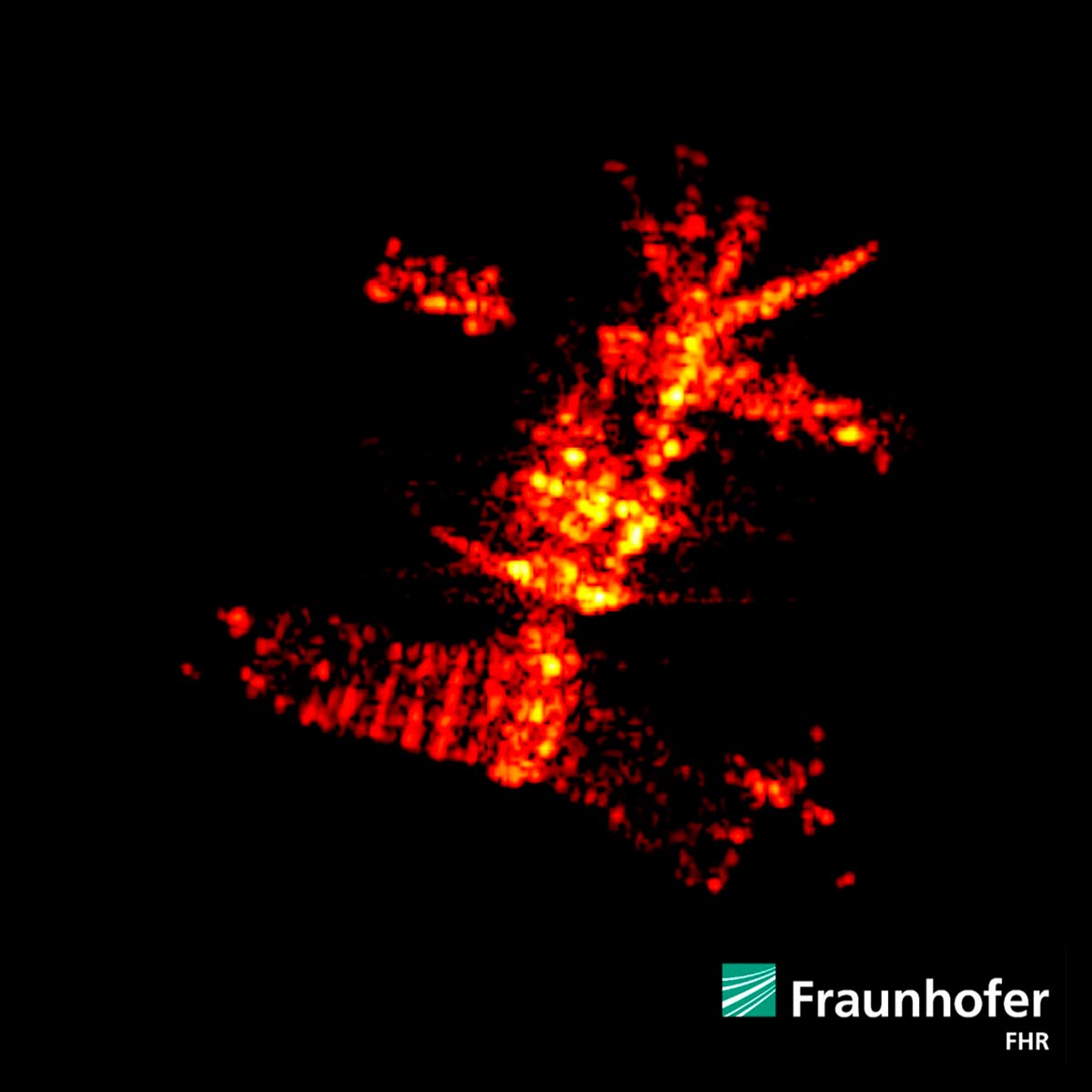
    ERS-2 Satellite February 20
    Radar image of the satellite ERS-2 from February 20, 2024: Solar module bent. Credit: Fraunhofer FHR

    “In our data, we can see a clear bend in the solar panels on the one hand, and artifacts that could be caused by rapid uncontrolled ‘fluttering’ on the other hand,” says Felix Rosebrock, radar expert at Fraunhofer FHR. “This is particularly remarkable since changes to the structure were captured in images for the first time during re-entry.”
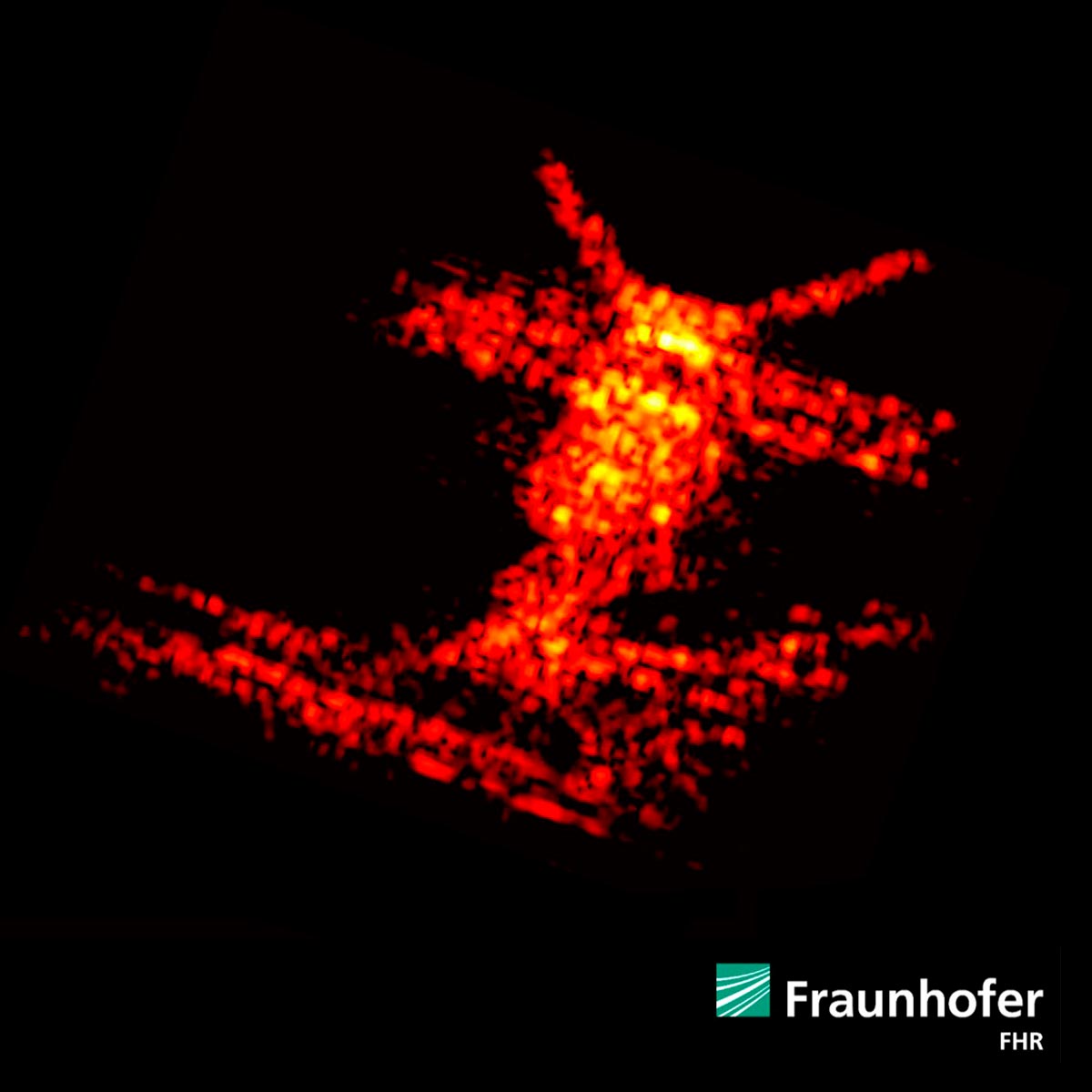
    ERS-2 Satellite February 21
    Radar image of the satellite ERS-2 from February 21, 2024: Solar module broken. Credit: Fraunhofer FHR

    When predicting the re-entry trajectory of a satellite, analysts treat it as a rigid object until the end. If the solar panel of ERS-2 was already loose and movable at an earlier stage, the satellite’s orbit could have been influenced in an unpredictable way by atmospheric friction. The experts are now analyzing the data collected during the re-entry of ERS-2 to confirm the early damage to the solar panels. If this is related to the fact that the re-entry occurred slightly later than predicted, this research could help improve predictions of future natural re-entries.

    Never miss a breakthrough: Join the SciTechDaily newsletter.
    Follow us on Google and Google News.

    European Space Agency Space Debris
    Share. Facebook Twitter Pinterest LinkedIn Email Reddit

    Related Articles

    Aeolus’ Fiery Demise: The Blaze of Glory That Lights the Path to Space Safety

    Swarm Spacecraft Dodges Collision With Space Junk During Climb To Escape Sun’s Wrath

    Protecting Modern Life: New Laser Station Lights the Way To Space Debris Reduction

    ESA’s Solar Orbiter Spacecraft Is Skimming Earth for a Gravity Assist – And It’s One of the Riskiest Planetary Flybys Ever

    Drive to Destruction: Simulating Burn-Up During Atmospheric Reentry

    Space Debris: It’s Time to Act

    Dodging Debris to Keep Satellites Safe

    Space Debris Danger to Satellites: Over 129 Million Objects in Orbit Around the Earth [Video]

    Space Debris Threatens Our Continued Use of Near-Earth Space for the Benefit of Humankind

    Leave A Reply Cancel Reply

    • Facebook
    • Twitter
    • Pinterest
    • YouTube

    Don't Miss a Discovery

    Subscribe for the Latest in Science & Tech!

    Trending News

    Your Blood Pressure Reading Could Be Wrong Because of One Simple Mistake

    Astronomers Stunned by Ancient Galaxy With No Spin

    Physicists May Be on the Verge of Discovering “New Physics” at CERN

    Scientists Solve 320-Million-Year Mystery of Reptile Skin Armor

    Scientists Say This Daily Walking Habit May Be the Secret to Keeping Weight Off After Dieting

    New Therapy Rewires the Brain To Restore Joy in Depression Patients

    Giant Squid Detected off Western Australia in Stunning Deep-Sea Discovery

    Popular Sugar-Free Sweetener Linked to Liver Disease, Study Warns

    Follow SciTechDaily
    • Facebook
    • Twitter
    • YouTube
    • Pinterest
    • Newsletter
    • RSS
    SciTech News
    • Biology News
    • Chemistry News
    • Earth News
    • Health News
    • Physics News
    • Science News
    • Space News
    • Technology News
    Recent Posts
    • Key Magic Mushroom Ingredient Increases Laziness and Reduces Aggression
    • Researchers Solve 15-Year Mystery Behind Cancer-Causing Gut Toxin
    • One of the World’s Most Popular Weedkillers May Be Fueling Deadly Superbugs
    • Scientists Create Laser “Whirlpools” That Spin Tiny Cells Without Touching Them
    • Scientists Discover “Hidden” Materials That Could Transform Clean Energy and Batteries
    Copyright © 1998 - 2026 SciTechDaily. All Rights Reserved.
    • Science News
    • About
    • Contact
    • Editorial Board
    • Privacy Policy
    • Terms of Use

    Type above and press Enter to search. Press Esc to cancel.