
Close Menu
    Facebook X (Twitter) Instagram
    SciTechDaily
    • Biology
    • Chemistry
    • Earth
    • Health
    • Physics
    • Science
    • Space
    • Technology
    Facebook X (Twitter) Pinterest YouTube RSS
    SciTechDaily
    Home»Health»Unlocking Cancer Cures in Zero Gravity
    Health

    Unlocking Cancer Cures in Zero Gravity

    By Atrium Health Wake Forest BaptistSeptember 11, 2024No Comments3 Mins Read
    Facebook Twitter Pinterest Telegram LinkedIn WhatsApp Email Reddit
    Share
    Facebook Twitter LinkedIn Pinterest Telegram Email Reddit
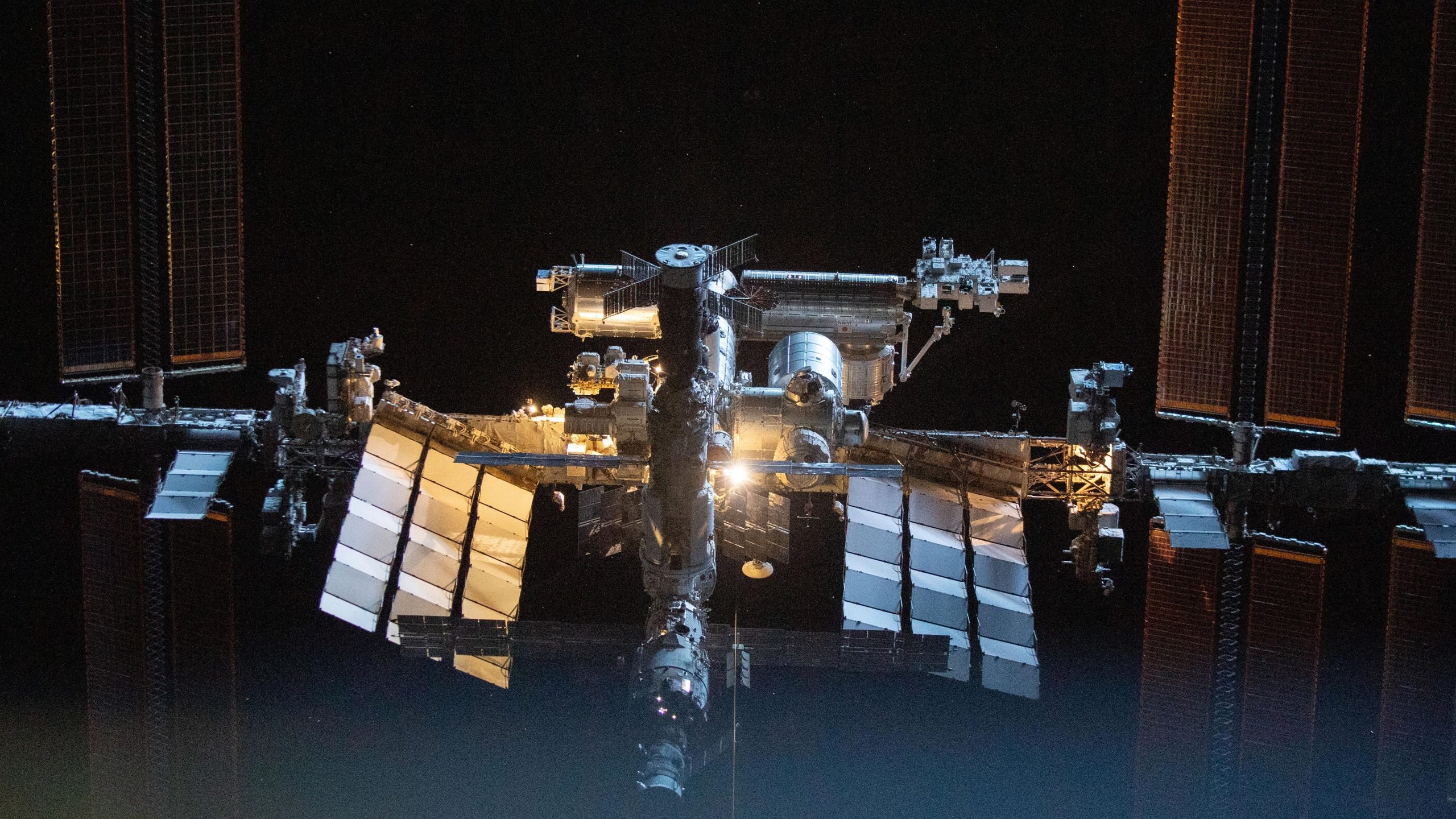
    Space Station Pictured From SpaceX Crew Dragon Crop
    A team at Wake Forest Institute for Regenerative Medicine will study cancer in microgravity on the ISS to uncover potential new treatments and understand disease progression, aiming to enhance outcomes for cancer patients globally. Credit: NASA

    Researchers from the Wake Forest Institute for Regenerative Medicine are set to conduct pioneering cancer studies aboard the International Space Station to explore how microgravity impacts cancer cell growth and treatment.

    This unique environment could lead to breakthroughs in understanding cancer behaviors and developing more effective treatments for patients on Earth.

    Groundbreaking Cancer Research Aboard the ISS

    The Wake Forest Institute for Regenerative Medicine (WFIRM) is honored to announce its selection for a pioneering cancer research project that will take place aboard the International Space Station (ISS). The project, one of only five chosen through a competitive solicitation by the ISS National Lab in partnership with NASA, aims to explore the effects of microgravity on cancer development and treatment.

    Advancing Cancer Treatment Through Microgravity Research

    The project, led by Dr. Shay Soker, focuses on the use of organoids—miniature, simplified versions of organs grown in the lab from cells recovered from colorectal cancer patients. These organoids will be sent to the ISS to study how microgravity affects cancer growth and response to treatment, offering insights that could revolutionize cancer therapies here on Earth.

    “Being selected for this project is an incredible honor and opportunity for our team at WFIRM,” said Dr. Soker. “The microgravity environment of the ISS provides a unique setting to study cancer in ways that are not possible on Earth. This research has the potential to unlock new understandings of cancer behavior and lead to more effective treatments.”

    Impact and Innovations in Space-Based Cancer Research

    The ISS National Lab, in collaboration with NASA, seeks to harness the power of space-based research to benefit life on Earth. The selected projects are at the forefront of scientific exploration and innovation, pushing the boundaries of what is possible in cancer research.

    “This selection underscores WFIRM’s commitment to pushing the boundaries of scientific research and finding innovative solutions to some of the world’s most challenging health issues,” said Dr. Anthony Atala, Director of Wake Forest Institute for Regenerative Medicine and co-lead for the grant. “Conducting this research in the microgravity environment of the ISS offers us a rare opportunity to gain a deeper understanding of cancer, with the ultimate goal of improving patient outcomes here on Earth.”

    Broad Implications of ISS Research on Earthly Cancer Therapies

    The implications of this research extend far beyond the ISS. By studying cancer in a microgravity environment, scientists hope to uncover new mechanisms of disease progression and identify novel therapeutic targets. The results of this study could lead to the development of more effective cancer treatments and ultimately improve patient outcomes.

    This project is part of the broader initiative by the ISS National Lab and NASA to utilize the unique conditions of space to drive scientific discovery and innovation. The collaboration underscores the importance of space research in addressing some of the most pressing challenges facing humanity today.

    Never miss a breakthrough: Join the SciTechDaily newsletter.
    Follow us on Google and Google News.

    Cancer International Space Station Wake Forest Baptist Medical Center
    Share. Facebook Twitter Pinterest LinkedIn Email Reddit

    Related Articles

    Daily Multivitamin Usage Cut Cancer Risk By 8% in Men

    Combined Drug Treatment Delays Resistance in Melanoma Patients

    RNA Delivering Nanoparticles Shrink Tumors in Mice

    Data on CYP17A1 Structure May Lead to Advances in Prostate Cancer Drug Design

    New Drug Candidate Kills Cancer Cells Better Than Cisplatin

    New Antibody Drug Boosts the Immune System’s Capacity to Fight Cancer

    Custom Tailored Brain Cancer Vaccine Proves Effective

    Protein NLRP12 Protects Against Colon Cancer

    First Volume of the Cancer Cell Line Encyclopedia

    Leave A Reply Cancel Reply

    • Facebook
    • Twitter
    • Pinterest
    • YouTube

    Don't Miss a Discovery

    Subscribe for the Latest in Science & Tech!

    Trending News

    Scientists Warn: America’s Most Popular Cooking Oil May Be Harming Your Intestines

    Scientists Say a 59,000-Year-Old Neanderthal Tooth Shows Evidence of Surgery

    Scientists Finally Think They Know Why T. rex Had Tiny Arms

    This Alien Planet Has Rock Clouds That Vaporize Before Sunset

    The Simple Habit That Could Lower Your Cancer Risk

    146,000-Year-Old Discovery Rewrites the Story of Human Creativity

    The Type of Alcohol You Drink Could Affect How Long You Live

    This Common Vitamin May Help Stop Prediabetes From Turning Into Diabetes

    Follow SciTechDaily
    • Facebook
    • Twitter
    • YouTube
    • Pinterest
    • Newsletter
    • RSS
    SciTech News
    • Biology News
    • Chemistry News
    • Earth News
    • Health News
    • Physics News
    • Science News
    • Space News
    • Technology News
    Recent Posts
    • The Quit-Smoking Tool That’s Beating Patches and Gum
    • Scientists Say Most Adults Need 4 Times More Exercise Than Recommended for Major Heart Benefits
    • Doctors Say Your Ice Pack Might Be Making Injuries Worse
    • Scientists Discover 43-Foot Sea Reptile Twice the Size of a Great White Shark
    • Scientists Discover New Way To Freeze and Revive Living Brain Tissue
    Copyright © 1998 - 2026 SciTechDaily. All Rights Reserved.
    • Science News
    • About
    • Contact
    • Editorial Board
    • Privacy Policy
    • Terms of Use

    Type above and press Enter to search. Press Esc to cancel.