
A nasal spray using extracellular vesicles can reduce brain inflammation, restore cell function, and improve cognition, offering a potential breakthrough in reversing brain aging.
Think of the brain less like a machine that simply wears out and more like one that gradually overheats.
As people age, low-level inflammation builds up in key regions tied to memory and learning. This ongoing irritation, often called “neuroinflammaging,” has been linked to brain fog, slower thinking, and a higher risk of diseases such as Alzheimer’s. For years, scientists believed this process was unavoidable.
New research suggests otherwise.
Breakthrough Nasal Spray Reverses Brain Inflammation
A team at the Texas A&M University Naresh K. Vashisht College of Medicine has found evidence that this age-related brain inflammation may be reversible. Their approach is surprisingly simple: a nasal spray.
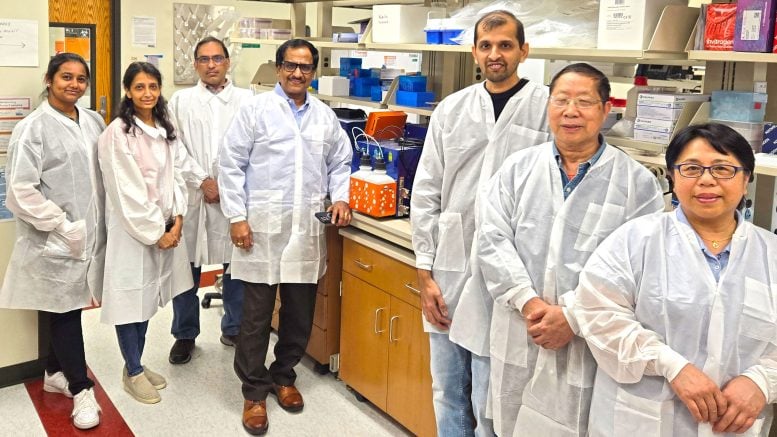
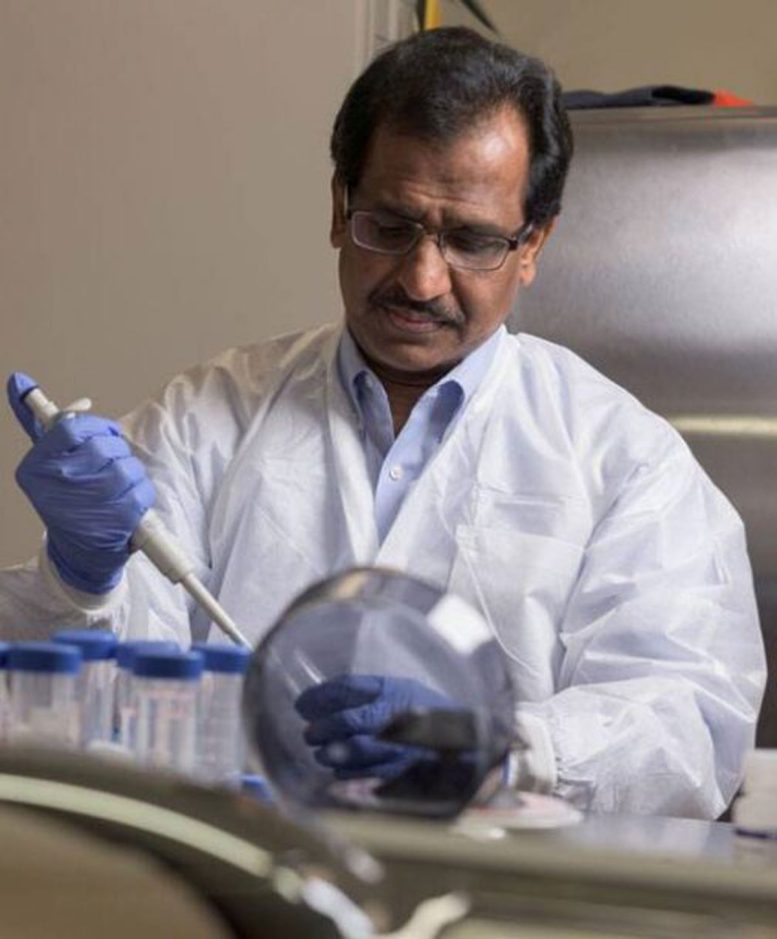
The study, led by Dr. Ashok Shetty along with Dr. Madhu Leelavathi Narayana and Dr. Maheedhar Kodali, introduced a treatment that delivered striking results after just two doses. The therapy reduced inflammation, restored cellular energy systems in the brain, and improved memory.
Rapid Results and Long-Lasting Cognitive Benefits
One of the most notable findings was the speed of the response. Improvements appeared within weeks and continued for months.
Published in the Journal of Extracellular Vesicles, the research points to a possible shift in how neurodegenerative diseases are treated and how aging in the brain is understood.
“Brain age-related diseases like dementia are a major health concern worldwide,” Shetty said. “What we’re showing is brain aging can be reversed, to help people stay mentally sharp, socially engaged and free from age-related decline.”
Implications for Dementia and Public Health
The findings could have wide-reaching implications.
“As we develop and scale this therapy, a simple, two-dose nasal spray could one day replace invasive, risky procedures or maybe even months of medication,” Shetty said.
The need for new approaches is urgent. In the United States, new dementia cases are expected to rise from about 514,000 in 2020 to roughly 1 million by 2060. “The trend signals a pressing need for policies and innovative interventions that can minimize both the risk and severity of neurodegenerative disorders like dementia,” Shetty said.
Universal Effectiveness Across Genders
The treatment also showed similar effectiveness in males and females, which is uncommon in biomedical research.
“It’s universal,” Shetty said. “Treatment outcomes were consistent and similar across both sexes.”
Researchers believe the approach could eventually help stroke survivors recover lost function or even slow or reverse cognitive decline in people.

“Our approach redefines what it means to grow old,” Shetty said. “We’re aiming for successful brain aging: keeping people engaged, alert, and connected. Not just living longer, but living smarter and healthier,” Shetty said.
Extracellular Vesicles and MicroRNA Mechanism
The treatment relies on tiny biological particles called extracellular vesicles (EVs). These structures act as carriers for microRNAs, which help regulate genes and signaling pathways in the brain.
“MicroRNAs act like master regulators,” Narayana said. “They help modulate and regulate many gene and signaling pathways in the brain.”
Delivery is a key part of the process.
Intranasal Delivery: Direct Path to the Brain
When administered as a nasal spray, the EVs bypass the brain’s protective barrier and move directly into brain tissue.
“The mode of delivery is one of the most exciting aspects of our approach,” Kodali said. “Intranasal delivery allows us to reach, and treat, the brain directly without invasive procedures.”
Once inside, the microRNAs reduce activity in inflammatory systems such as the NLRP3 inflammasome and the cGAS–STING pathways.
Restoring Mitochondrial Function and Brain Energy
The therapy also improved the function of mitochondria, which supply energy to brain cells.
By restoring these systems, the treatment enhanced the brain’s ability to process and store information.
“We are giving neurons their spark back by reducing oxidative stress and reactivating the brain’s mitochondria,” Narayana said.
Behavioral testing supported these findings. Subjects that received the treatment showed better recognition of familiar objects and greater awareness of changes in their surroundings.
“We are seeing the brain’s own repair systems switch on, healing inflammation and restoring itself,” Shetty said.
Patent Progress and Translational Research Efforts
Although more research is needed, the team has already filed a U.S. patent for the therapy. The work also highlights Texas A&M’s role in advancing research that connects scientific discovery with practical treatments.
“We aren’t just trying to understand the biological mechanisms, we are translating and developing our findings into real-world therapies that could make a difference,” Shetty said.
NIA Partnership Fuels Breakthrough in Brain Aging Therapy
Support from the National Institute on Aging (NIA) helped bring together the expertise and resources needed to develop the therapy.
“Our partnership with the NIA is very important,” Shetty said. “This kind of work requires resources and the right people to tackle problems and develop solutions that could change lives.”
While aging may affect how the brain functions, researchers are now finding ways to restore its performance. This work points toward a future where cognitive decline can be slowed, or even reversed, opening the door to healthier brain aging.
Reference: “Intranasal Human NSC-Derived EVs Therapy Can Restrain Inflammatory Microglial Transcriptome, and NLRP3 and cGAS-STING Signalling, in Aged Hippocampus” by Leelavathi N. Madhu, Maheedhar Kodali, Shama Rao, Sahithi Attaluri, Raghavendra Upadhya, Goutham Shankar, Bing Shuai, Yogish Somayaji, Shruthi V. Ganesh, Vignesh S. Kumar, Jeswin E. James, Padmashri A. Shetty, Avery LeMaire, Xiaolan Rao, James J Cai and Ashok K. Shetty, 8 February 2026, Journal of Extracellular Vesicles.
DOI: 10.1002/jev2.70232
Never miss a breakthrough: Join the SciTechDaily newsletter.
Follow us on Google and Google News.
16 Comments
Has this spray entered clinical trials? And,,who are the test subjects? Animal trials with induced brain injuries?
For your informative response. I’m 72 and I’ve begun to experience some memory retrieval impairment. The information is there but it’s not as accessible. I’m extremely fit and from the neck down I look 20 but that belies the fact that my my brain is aging. How could I get involved with this procedure before I age so much that it doesn’t matter anymore.
William n Wilt Jr
704-728-3631
Rock Hill, South Carolina
First line of defense is brute force methods: get an inversion table or do the Hatha Yoga poses that get you upside down. Basic “antioxidant” vitamin regime in support (C, B, D for sure in the winter). The “essential fatty acids” are absolutely important though sorting through the supplements can be confusing (I finally concluded safe thing is routine consumption of salmon and sardines). Much evidence for particular nutritional elements supporting brain sustenance and the world of “noortropics” is extensive though many unsupported claims of course due to marketing. Many users endorse lecithin supplements for instance (one year the law students at Berkeley bought up all the lecithin capsules in town before the bar exam) and many other herbal/vitamin supplements show some evidence. Anything that keeps your neurons active is good, chess playing and musical instrument even if you’re a bad amateur.
Looking forward to availability. New hope for being forgetful
Find out more information
I can’t believe you wrote this whole article without any of the information, except the link to a real article. I’m not an expert, but It appears to say,more or less: Researchers tested tiny, biological bubbles called extracellular vesicles (EVs). These were collected from human stem cells and given to elderly mice through their noses to see if they could reach the brain and put out the fire. By using an intranasal route, the researchers bypassed the blood-brain barrier, allowing these stem-cell-derived vesicles to travel directly to the hippocampus.
These vesicles carry specific “genetic silencers” called miRNAs. Specifically, miRNA-30e-3p and miRNA-181a-5p act like precision tools that shut down the specific inflammatory pathways (NLRP3 and STING) causing the damage.
The brains of the aged mice looked much younger. There was less scarring from support cells (astrocytes), fewer aggressive immune cells (microglia), and a significant boost in antioxidants and mitochondrial health.we can potentially treat brain aging using a cell-free therapy. Instead of transplanting whole stem cells, we can just use the beneficial “messages” (EVs) they send out. This suggests a non-invasive way to protect the brain’s hardware—the mitochondria and neurons—from the wear and tear of getting older.
Wow that was so well written I believe you are a natural born writer and I got so much more information about that article than the overwhelming amount of information that was written over and over in different words to stretch it out to be more than what it was! Thank you….
That was interesting. And a spray will make intake easier and affordable.
This tech is no different than the mRNA jabs. The tech allows RNA to be absorbed into all cells which can CAUSE inflammation, creating conditions for strokes. This article is a total fraud and likely paid for by big pharma that is working to gain acceptance for this technology … which, given my experience with big pharma (that those at the top are literal sociopaths), will be used to kill people.
An idea stolen from Ayurveda, where people have been treating the brain through the nose for 5,000 years and without mRNA but simply with herbs.
Key Aspects of Nasya Therapy
Procedure: It usually involves a preparatory, gentle face/neck massage and steam (Purvakarma) to loosen toxins, followed by administering 2–5 drops of lukewarm oil (such as Anu Tailam) into each nostril while lying down.
Common Substances: Popular oils include Anu Tailam, Shadbindu Taila, or herbalized ghee and oils (Shatavari or Ashwagandha), used to nourish or detoxify.
Benefits: Beyond sinus relief, it is believed to enhance sensory organ function, improve memory, prevent premature hair greying, and alleviate anxiety.
Timing: Best performed on an empty stomach in the morning.
That was interesting. And a spray will make intake easier and affordable.
Not mRNA tech again, bad idea
In 1979 Pearson and Shaw published their Life Extension book. Though still widely “debunked” likely due to authors’ “outsider” status, reviewing its descriptions of the underlying science of aging and cellular damage exhibits remarkable presience. The still-going Vitamin Research Products firm emerged from the PR around the book as the authors made the rounds of popular TV programs. Durk and Sandy are still alive and well.
The book promoted the use of Hydergine available in Europe then but still by presciption only in the US. Maybe because it works? Multiple reports I’ve acquired suggest strange resistance from MDs when asked for presciptions. I got to try it once long ago after some friends were caring for an elder diagnosed with “non-Alzherimer’s dementia” and they had leftover pills. My experience was 100% positive no side effects and the sensation was like a strong dose of espresso with no physical effects on blood pressure for instance. A mental clarity was evident. But I still can’t find an MD who is receptive to prescribing it…almost 50 years later!
Thank you for making sense of this article. Much appreciated.
Has anybody received any more information? Could this treatment be available for expanded use? Thank you.
When will this be introduced to the public and what is the name of the product?