
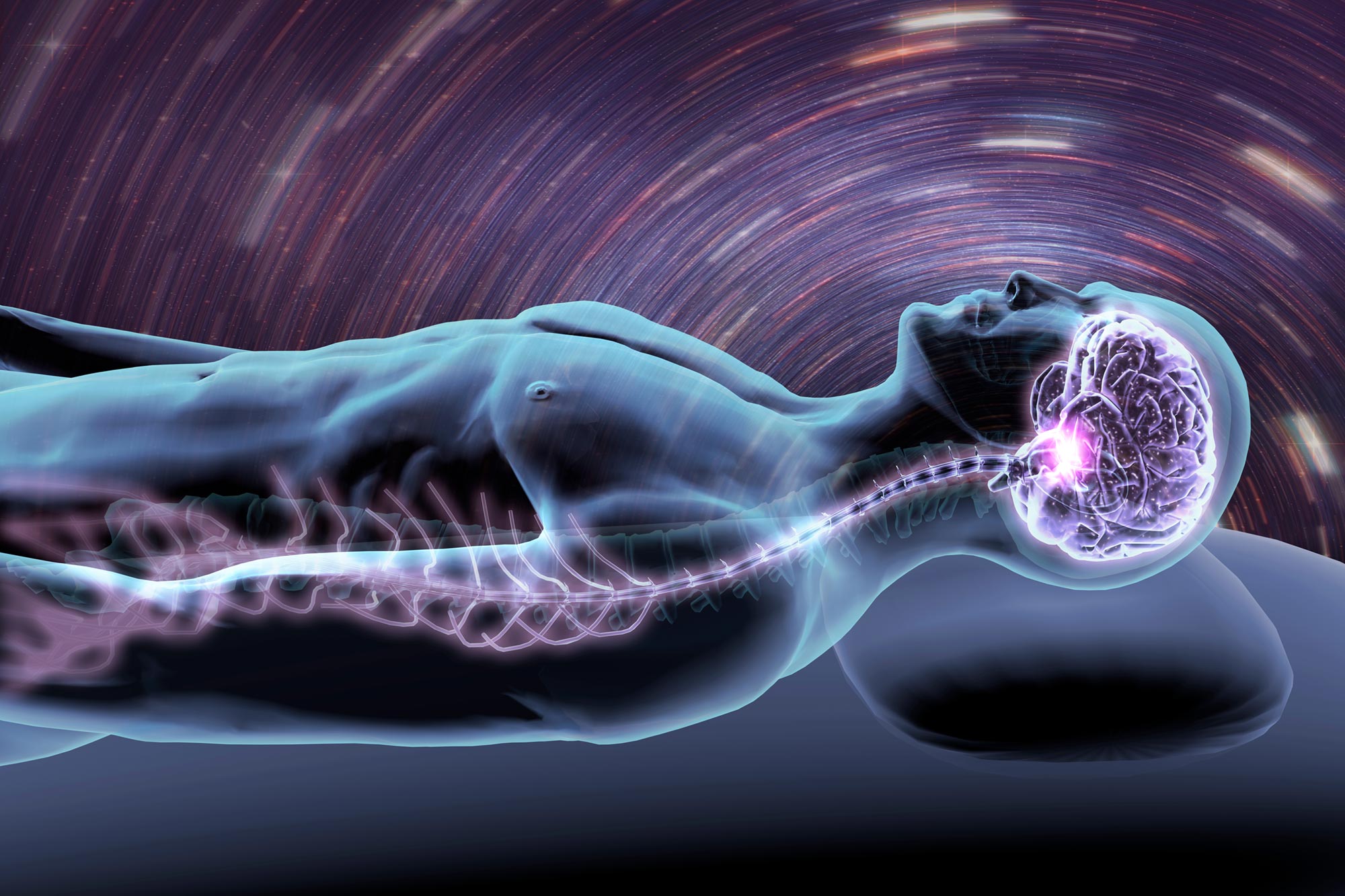
The secret to feeling deeply asleep might not be silence—it could be your most vivid dreams.
Feeling like you had “a good night’s sleep” depends on more than just the number of hours you spent in bed. It also comes down to how deeply and uninterrupted that sleep felt. Scientists still do not fully understand what is happening in the brain that creates this sense of deep, refreshing rest.
A new study from researchers at the IMT School for Advanced Studies Lucca, published today (March 24) in Plos Biology, offers a surprising clue. It suggests that dreams, especially vivid and immersive ones, may actually make sleep feel deeper and more restorative rather than disrupting it.
Rethinking Deep Sleep and Brain Activity
For a long time, deep sleep was thought to mean the brain was essentially “switched off,” with slow brain waves, minimal activity, and little awareness. Under this view, deeper sleep meant less brain activity. In contrast, dreaming has typically been linked to Rapid Eye Movement (REM) sleep and seen as a sign of partial “awakenings” in the brain.
However, this creates a puzzling contradiction. REM sleep involves intense dreaming and brain activity that resembles wakefulness, yet people often describe it as a period of deep sleep.
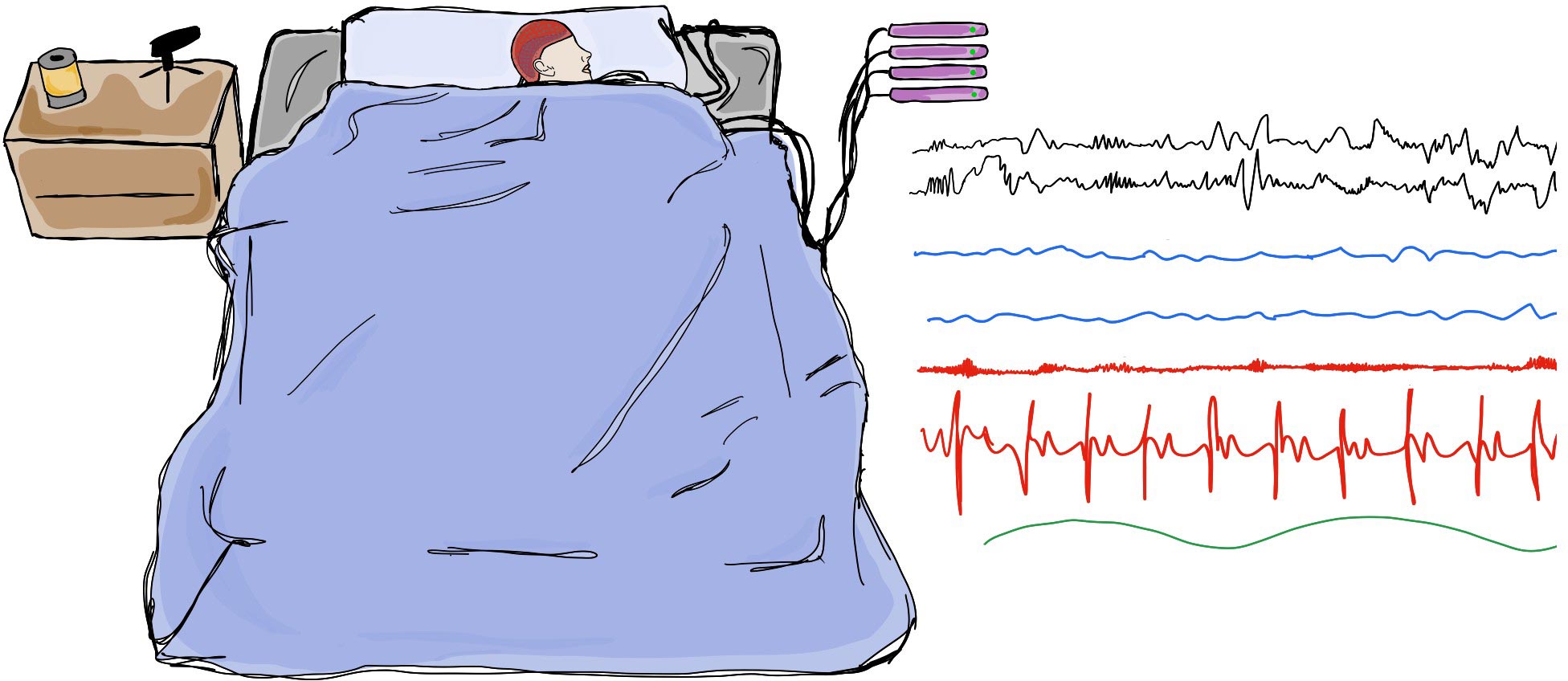
To explore this paradox, researchers examined 196 overnight recordings from 44 healthy adults. Participants slept in a lab while their brain activity was monitored using high-density electroencephalography (EEG). The data came from a larger project funded by a European Research Council (ERC) Starting Grant focused on how sensory stimulation influences the experience of sleep.
Dreaming and Perceived Sleep Depth
Over four nights in the lab, participants were awakened more than 1,000 times and asked to describe what they had been experiencing just before waking. They also rated how deeply they felt they had been sleeping and how sleepy they were.
The findings showed that people reported the deepest sleep not only when they had no mental activity, but also after vivid, highly immersive dreams. In contrast, shallow sleep was linked to weak or unclear experiences, such as a vague awareness without a structured dream.
“In other words, not all mental activity during sleep feels the same: the quality of the experience, especially how immersive it is, appears to be crucial,” explains Giulio Bernardi, professor in neuroscience at the IMT School and senior author of the study. “This suggests that dreaming may reshape how brain activity is interpreted by the sleeper: the more immersive the dream, the deeper the sleep feels.”
Why Dreams May Sustain Deep Sleep
Another unexpected pattern emerged. As the night progressed, biological indicators of sleep pressure gradually declined. Yet participants reported that their sleep felt deeper over time.
This shift closely matched an increase in how immersive their dreams became. The results suggest that vivid dreams may help preserve the sensation of deep sleep even as the body’s need for sleep decreases. These experiences may also help maintain a sense of detachment from the outside world, which is a key feature of restorative sleep, even when parts of the brain remain active.
Dreams as “Guardians of Sleep”
“Understanding how dreams contribute to the feeling of deep sleep opens new perspectives on sleep health and mental well-being,” says Bernardi. “If dreams help sustain the feeling of deep sleep, then alterations in dreaming could partly explain why some people feel they sleep poorly even when standard objective sleep indices appear normal. Rather than being merely a by-product of sleep, immersive dreams may help buffer fluctuations in brain activity and sustain the subjective experience of being deeply asleep.” This idea echoes a long-standing hypothesis in sleep research – and even in classical psychoanalysis – that dreams may act as “guardians of sleep.”
A New Direction for Sleep Research
This research is part of a broader collaboration between the IMT School, Scuola Superiore Sant’Anna in Pisa, and Fondazione Gabriele Monasterio. Together, they have established a new sleep laboratory designed to integrate neuroscience and medical research.
The facility supports a multidisciplinary approach to studying sleep and the sleep–wake cycle, helping scientists better understand how brain activity interacts with bodily processes. These findings mark an early step in that effort and provide a foundation for future studies on how brain and body dynamics influence both healthy and disordered sleep.
Reference: “Immersive NREM2 dreaming preserves subjective sleep depth against declining sleep pressure” by Adriana Michalak, Davide Marzoli, Francesco Pietrogiacomi, Damiana Bergamo, Valentina Elce, Bianca Pedreschi, Giorgia Mosca, Alessandro Navari, Michele Emdin, Emiliano Ricciardi, Giacomo Handjaras and Giulio Bernardi, 24 March 2026, PLOS Biology.
DOI: 10.1371/journal.pbio.3003683
Never miss a breakthrough: Join the SciTechDaily newsletter.
Follow us on Google and Google News.