
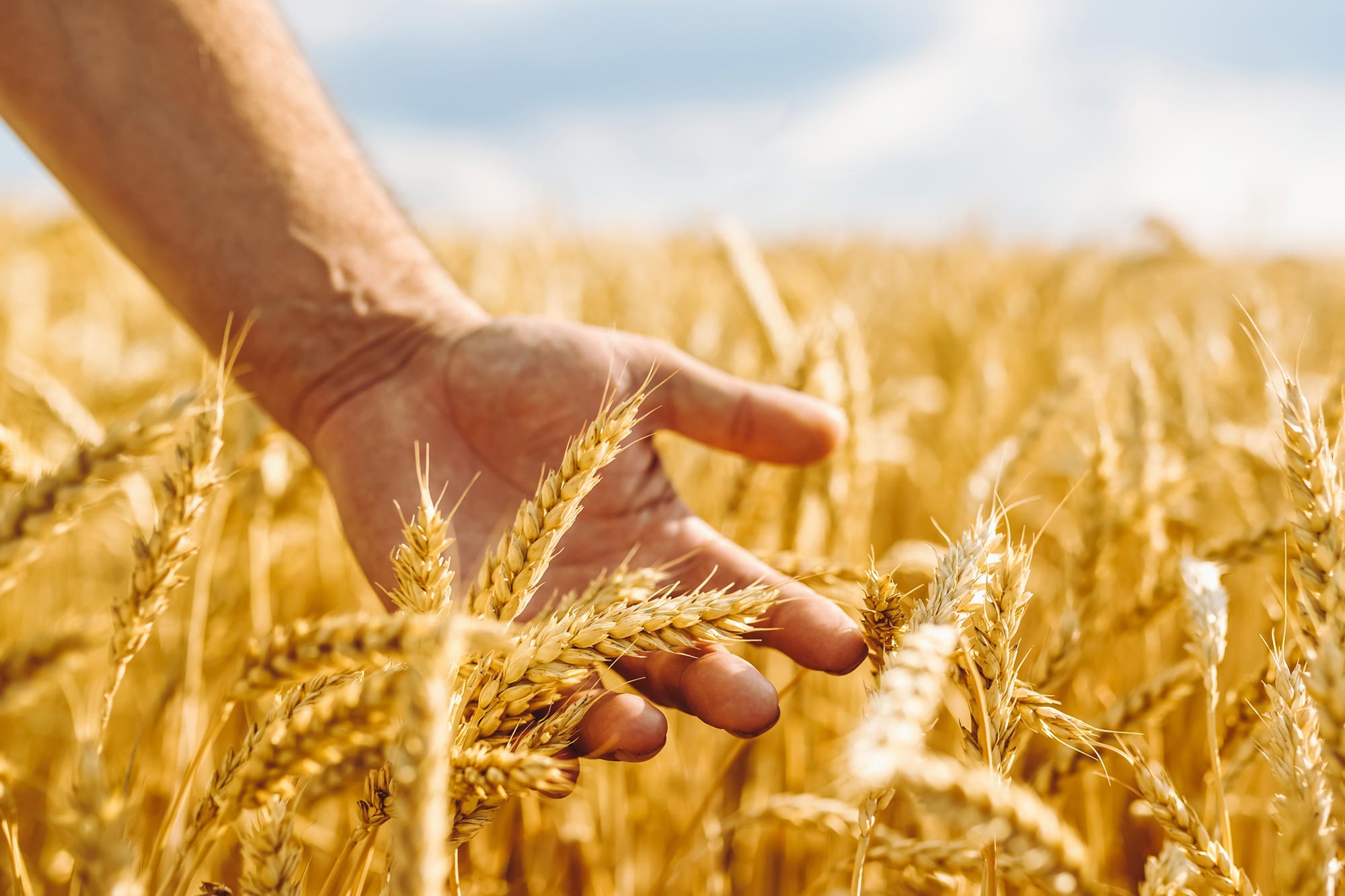
A new integrated isotope study suggests that early increases in cereal grain size were driven by growing conditions rather than human selection.
About 11,000 years ago, communities across southwest Asia began cultivating wild cereals, legumes, and fruit-bearing plants as they increasingly produced their own food. Over thousands of years, these practices reshaped hunter-gatherer lifeways and eventually contributed to farming societies where domesticated cereals became essential for food, storage, and surplus production.
Wild cereals are naturally equipped with a brittle, or shattering, rachis, the structure that holds seeds to the ear. This allows ripe seeds to scatter easily and improves reproduction in the wild, but it makes harvesting more difficult for people. Their grains are also generally smaller than those of later domesticated cereals. Archaeobotanical evidence has long shown that sustained cultivation eventually favored larger grains and a tougher rachis that kept ripe seeds attached, making them easier to collect.
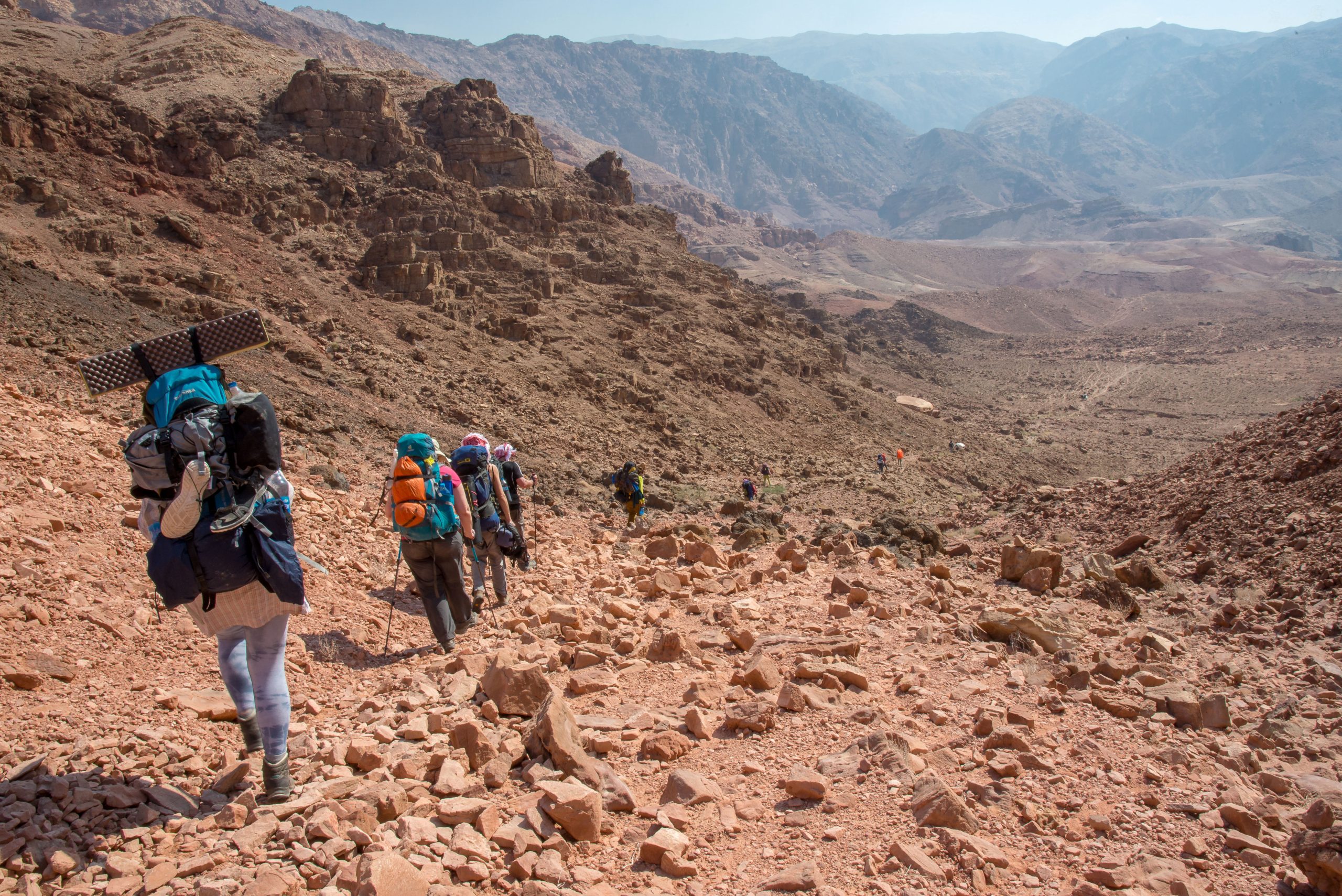
“Crop domestication was a highly variable and protracted process that unfolded across multiple regions of southwest Asia,” said Dr. Jade Whitlam (University of Oxford), who led the study.
“Over the past decade, archaeobotanical research has revealed that domestication was preceded by a lengthy period of ‘pre-domestication cultivation,’ which is thought to have created the conditions that favored the evolution of key domestication traits.”
Larger grains did not mean domestication
At Early Neolithic sites, larger cereal grains and plants that later became common agricultural weeds have often been interpreted as signs that people were already disturbing soils through cultivation and beginning to select domestication traits. Large grains found at sites in the southern Levant have therefore been treated as some of the earliest evidence that cereal domestication was underway.
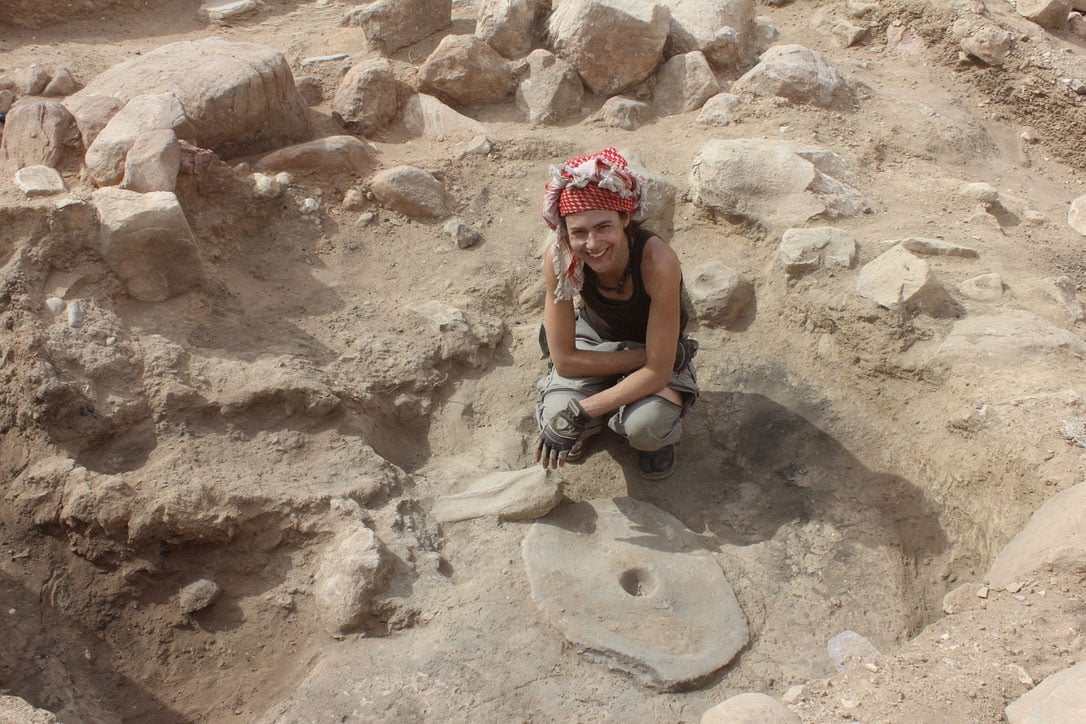
“At el-Hemmeh and Sharara, both barley and emmer wheat remained morphologically wild in the initial phases of the Pre-Pottery Neolithic, with no evidence of domesticated non-shattering forms”, said Dr Whitlam.
“Yet grain size varied dramatically, ranging from typically wild-sized grains to grains that were comparable in size to domesticated cereals. At the same time, ecological analysis of weedy plant taxa associated with these cereals indicates they were growing in low disturbance environments, challenging the idea that larger grains were selected for through cultivation practices such as systematic tillage.”
Water availability explains grain size
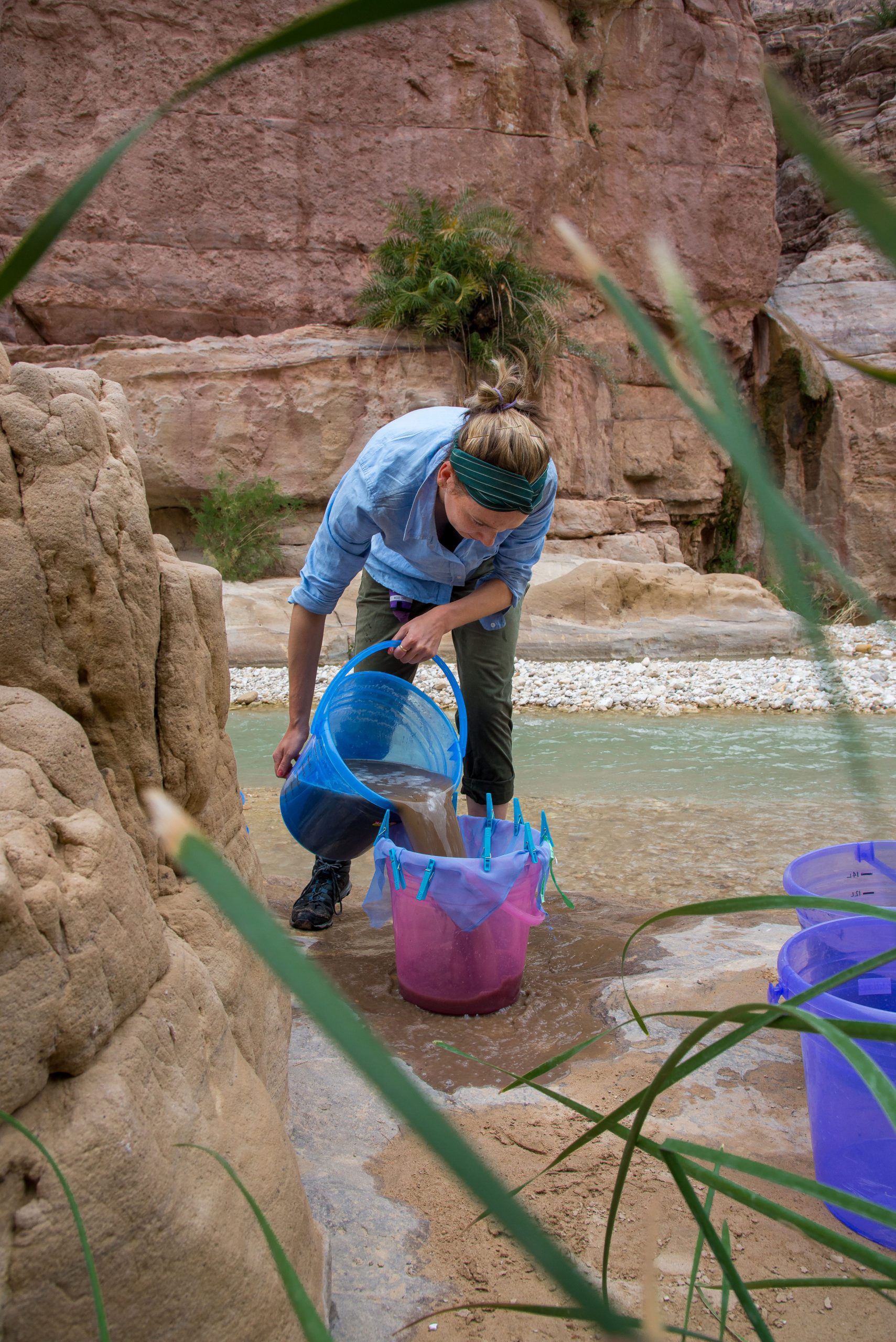
To determine what was actually producing the differences in grain size, the researchers analyzed stable carbon isotopes preserved in charred cereal grains. A cereal grain’s carbon isotope composition changes according to the amount of moisture available while the plant is growing, allowing researchers to reconstruct aspects of its growing environment.
“Interestingly, the barley grains that fall within the size range of domestic-sized grains show carbon isotope values indicating they grew under wetter conditions,” said Dr Pascal Flohr (University of Kiel and the University of Oxford), who has carried out extensive field-based experimental work in Jordan establishing the relationship between water stress and the carbon isotopic composition of cereals.
“In contrast, the smaller, wild-sized grains have isotope values that indicate they grew under much drier conditions, revealing that water availability had a major influence on grain size.”
Genetic selection may have come later
Bringing the isotope results together with archaeobotanical evidence and the ecology of associated plants pointed toward growing conditions rather than early genetic selection as the stronger explanation for the larger grains.
“Once we integrated the archaeobotanical, weed ecological and isotopic evidence, it became clear that environmental conditions provided a much better explanation for the observed variation in grain size than genetic selection under tillage,” said Dr. Whitlam.
“Our findings show that developmental plasticity rather than genetic change accounts for initial increases in cereal grain size in the Early Holocene southern Levant. This suggests that genetic selection for larger grain size may have occurred later than previously thought, perhaps only after selection for the non-shattering rachis.”
The findings also reshape how the earliest stages of plant management may be understood. Rather than indicating an immediate shift toward deliberate domestication, the evidence suggests these practices could have developed within a much longer history of hunter-gatherers modifying and managing the environments around them.
“This study demonstrates the value of bringing together long-term archaeological field projects with new analytical approaches. By integrating evidence from archaeobotany, stable isotopes, and plant ecology, we can ask entirely new questions about how the transition to agriculture unfolded. Taken together, these findings suggest that Early Neolithic plant management practices appear to have been part of the long history of hunter-gatherer niche construction rather than a radical new intention to domesticate,” says Professor Cheryl Makarewicz, senior author of the study and director of the excavations at el-Hemmeh and Sharara, the latter with her colleague Dr. Bill Finlayson (Oxford), also a co-author on this research.
Reference: “Developmental plasticity under human management shaped cereal evolution prior to domestication in the Early Holocene southern Levant” by Jade Whitlam, Pascal Flohr, Amy Bogaard, Michael Charles, Bill Finlayson and Cheryl A. Makarewicz, 4 August 2026, Proceedings of the National Academy of Sciences.
DOI: 10.1073/pnas.2535274123
Funding: The British Academy, National Geographic Society, Deutsche Forschungsgemeinschaft
Never miss a breakthrough: Join the SciTechDaily newsletter.
Follow us on Google and Google News.