
Academics at University College London have identified 18 reasons why megaprojects such as HS2 and Crossrail often fail, as well as 54 preventative solutions.
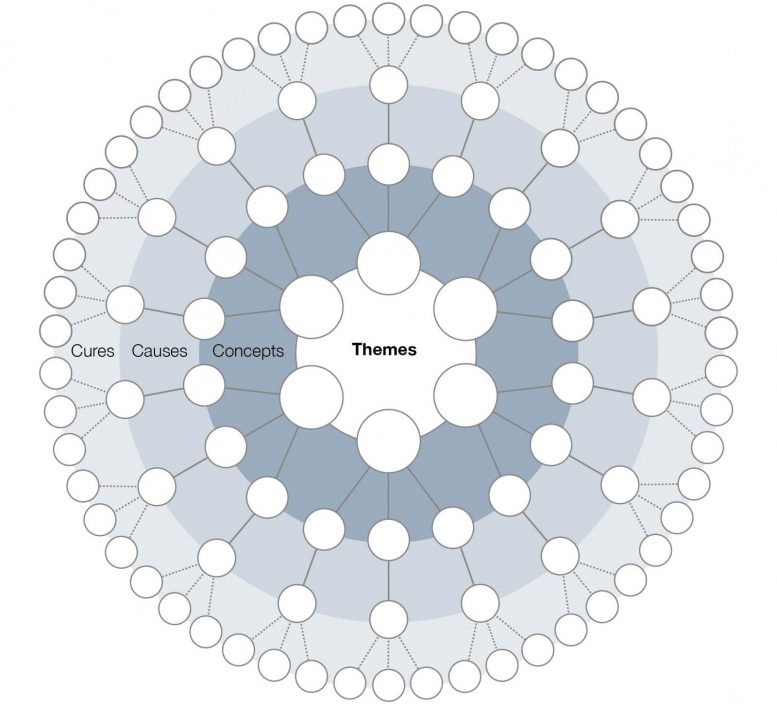
For the first time, academics developed a systematic literature review of the causes and cures of poor megaproject performance. They identified six key themes and looked at areas where a project might fail, analyzing the problems and solutions.
The study, published in Project Management Journal, found that no isolated factor can account for the poor performance of megaprojects. Instead, the paper is the first to identify several causes and suggest a systemic approach to enhance the understanding of megaprojects.
The team list the six themes as decision-making behavior; strategy, governance, and procurement; risk and uncertainty; leadership and capable teams; stakeholder engagement and management; supply chain integration and coordination. They were found to be all of equal importance when analyzing why such projects seem doomed to fail.
Lead researcher Dr. Juliano Denicol (UCL School of Construction & Project Management) said: “Considering the importance of megaprojects to the global economy, we aimed to deepen and extend our understanding of the causes and cures of poor megaproject performance.
“We have emphasized the solutions rather than problems, in an attempt to shape the academic conversation to a more positive discourse and connect with the needs of senior managers delivering megaprojects.”
Megaprojects, such as the construction of airports, transport lines including railways and motorways, power plants, and aerospace projects, typically cost more than US$1 billion. They are difficult to manage due to their scale, high levels of complexity, and substantial impact on communities, the environment, and state governments.
Academics analyzed over 6,000 academic summaries and filtered these down to 86 papers which were fully analyzed.
The findings were presented, assessed, and verified in two workshops involving academics and senior practitioners from UK megaprojects including Crossrail, Thames Tideway Tunnel, High Speed Two, and Hinkley Point C.
The team has set a research agenda and proposed five future avenues to advance the successful delivery of megaprojects.
These are: Designing the system architecture; bridging the gap with manufacturing; building and leading collaborations; engaging institutions and communities; decomposing and integrating the supply chain.
Some of the largest global megaprojects include the world’s biggest airport; which is the recently completed Daxing International Airport in Beijing, the world’s longest rail tunnel — the Gotthard base tunnel — in Switzerland; California’s High Speed Rail which connects eight of the 10 largest cities in the state; London’s Crossrail, which will add 10% capacity to central London’s rail network and High Speed 2, currently the biggest megaproject in Europe.
The research was supported by the Project Management Institute.
Mark Thurston, CEO of HS2 Ltd, said: “We at HS2 were pleased to contribute to what is an impressive and exhaustive piece of research into the world of megaprojects, covering both the practical and academic arenas. But what is really crucial is it has concluded on some key themes that those of us who wrestle with these challenges every day can apply as a useful guide to help drive success, something that both the profession and wider society will benefit from.”
Sue Kershaw, President of the Association for Project Management (APM), KPMG Managing Director, Major Projects Advisory, said: “This is an excellent piece of research on a subject that needs close attention: why megaprojects underperform. The findings are neatly themed and the proposals that future research should be more systemic is welcome.”
Professor Peter Hansford, Honorary Professor of UCL and former Chief Construction Adviser for the UK Government, said: “The success of megaprojects is vital to economies across the world. But all too frequently, they fail to satisfy their objectives in material respects — sometimes with very serious social and economic consequences. It is therefore of urgent importance to understand why megaprojects underperform and what needs to be done to prevent them from doing so. This systematic literature review points the way to answering these crucial questions and proposes a clear research agenda to inform future megaproject success. It is an impressive piece of work.”
Reference: “What are the causes and cures of poor megaproject performance? A systematic literature review and research agenda” by Juliano Denicol, Andrew Davies, Ilias Krystallis, 14 February 2020, Project Management Journal.
DOI: 10.1177/8756972819896113
Never miss a breakthrough: Join the SciTechDaily newsletter.
Follow us on Google and Google News.