
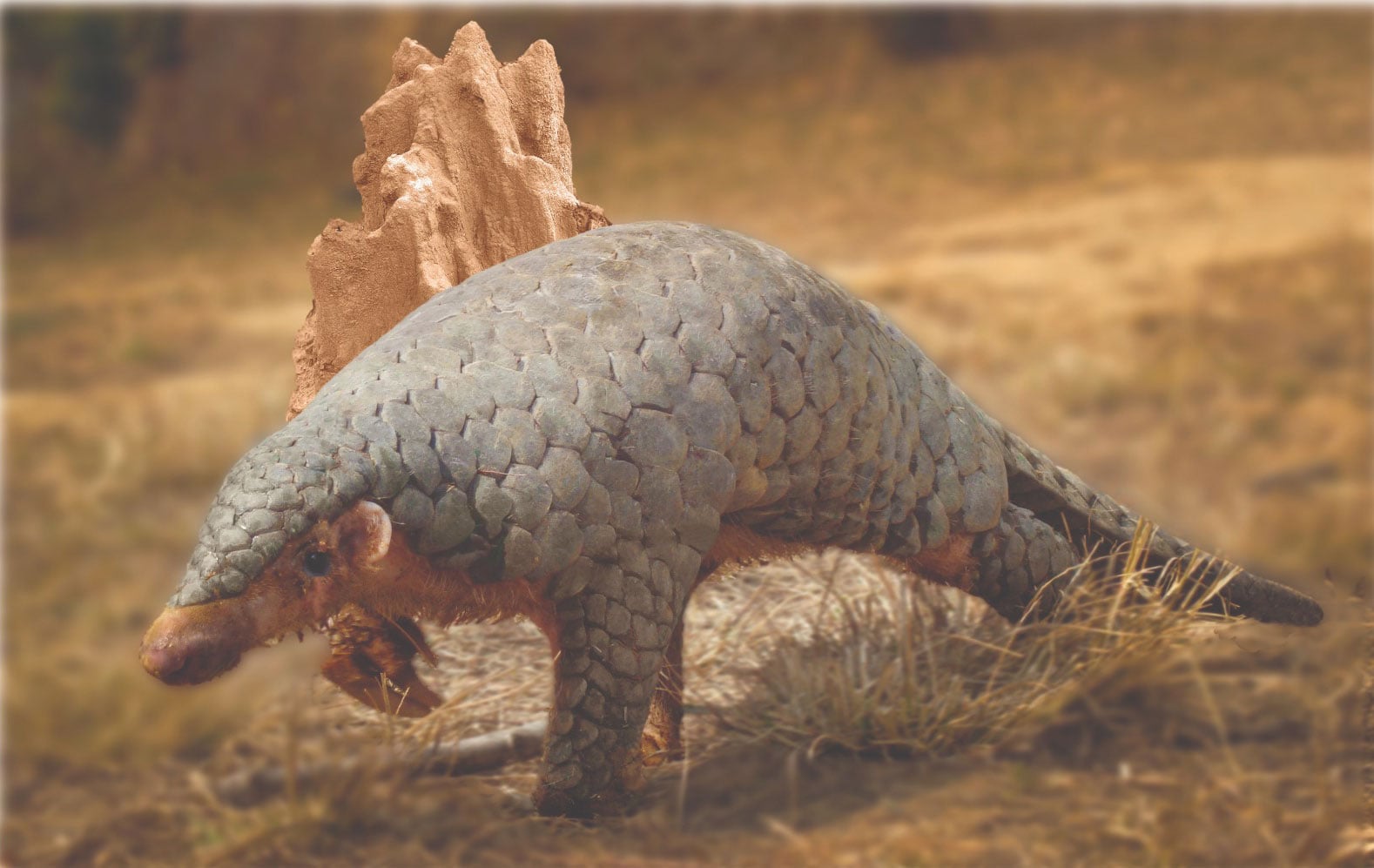
New DNA analysis and a reconstructed family tree could help protect it from poaching.
On a museum shelf in London, a pangolin specimen collected nearly 190 years ago held genetic evidence that could change how conservationists track one of the world’s most heavily trafficked mammals.
Pangolins are medium-sized mammals found only in Africa and Asia. With powerful curved claws, long tails, and bodies protected by overlapping scales, they can resemble armored anteaters. Those scales make pangolins distinctive, but they are also the reason the animals are hunted so intensively. Demand for scales has made pangolins the most highly trafficked mammals in the world and placed them at serious risk of extinction.
Research published in Communications Biology has now confirmed that the Himalayan pangolin, Manis aurita, is a distinct species living in Nepal and northern India. Recognizing it separately from the Chinese pangolin gives conservationists a clearer picture of where each animal lives, how the species differ and which populations may be targeted by poachers.
“We can’t protect what we do not know, and now that we have confirmed that this other species of pangolin exists, we can use that information to help protect these endangered animals,” says Anderson Feijó, the Negaunee Assistant Curator of Mammals at the Field Museum and co-corresponding author of the study.
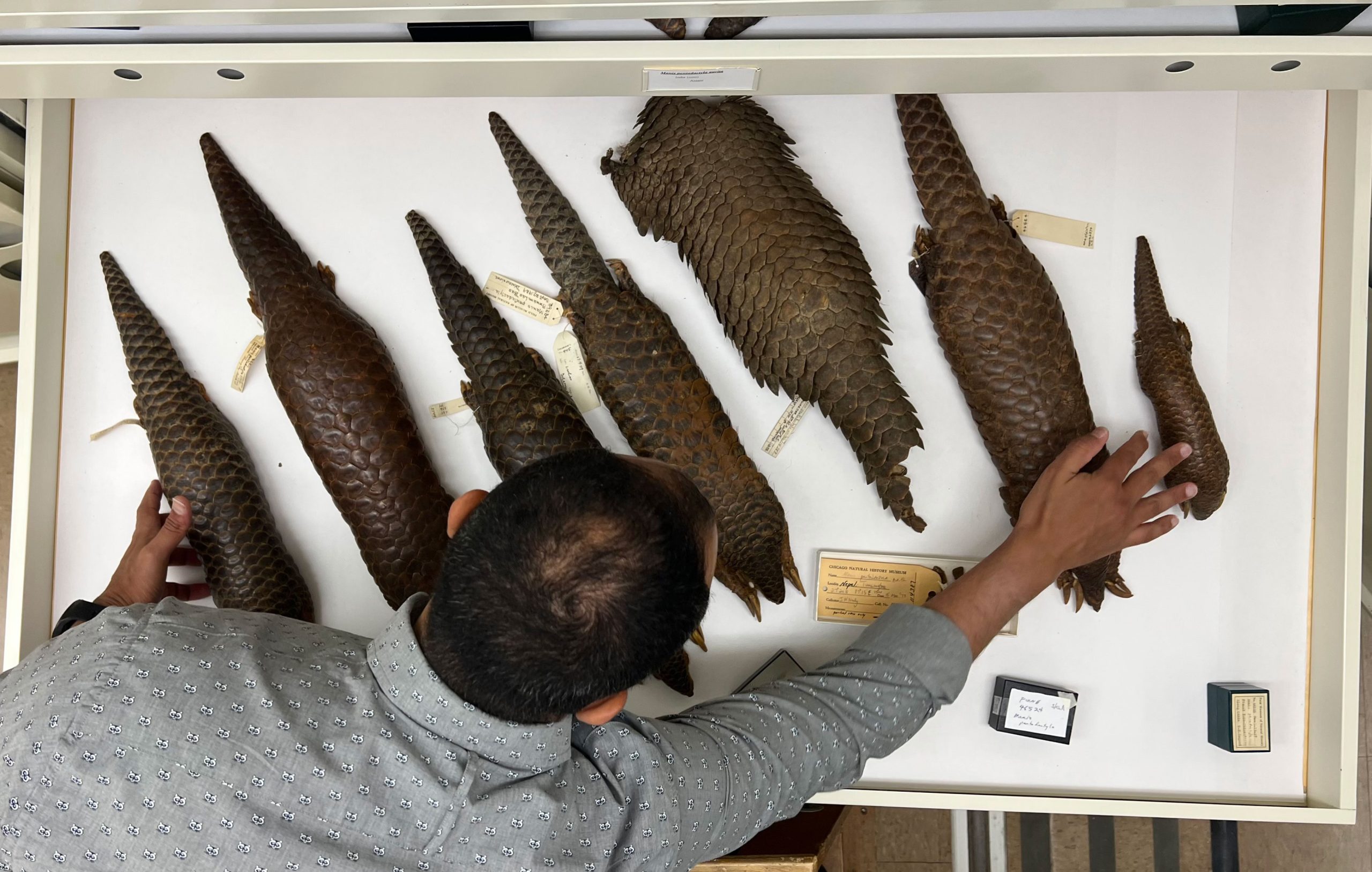
“This finding marks the culmination of more than five years of research that began in Nepal, where we first documented evidence suggesting that Himalayan pangolins represented a distinct evolutionary lineage,” says Narayan Koju, a researcher at the Nepal Engineering College at Pokhara University and the study’s first author.
“The confirmation of Manis aurita as a valid species demonstrates the importance of long-term research, international collaboration, and museum collections. Most importantly, it provides a strong scientific basis for conservation planning, wildlife forensics, and efforts to protect one of the world’s most trafficked mammals from extinction.”
An old name resolves the puzzle
The naming problem began with a discovery announced in 2025. Researchers showed that animals grouped together as Chinese pangolins actually belonged to two species. One lived mainly in China, while the other occupied Himalayan foothills across parts of Nepal, India, Bhutan and Myanmar. They named the mountain-dwelling species Manis indoburmanica, the Indo-Burmese pangolin.
But zoological names follow a rule known as priority. When multiple names refer to the same species, the earliest validly assigned name generally takes precedence.
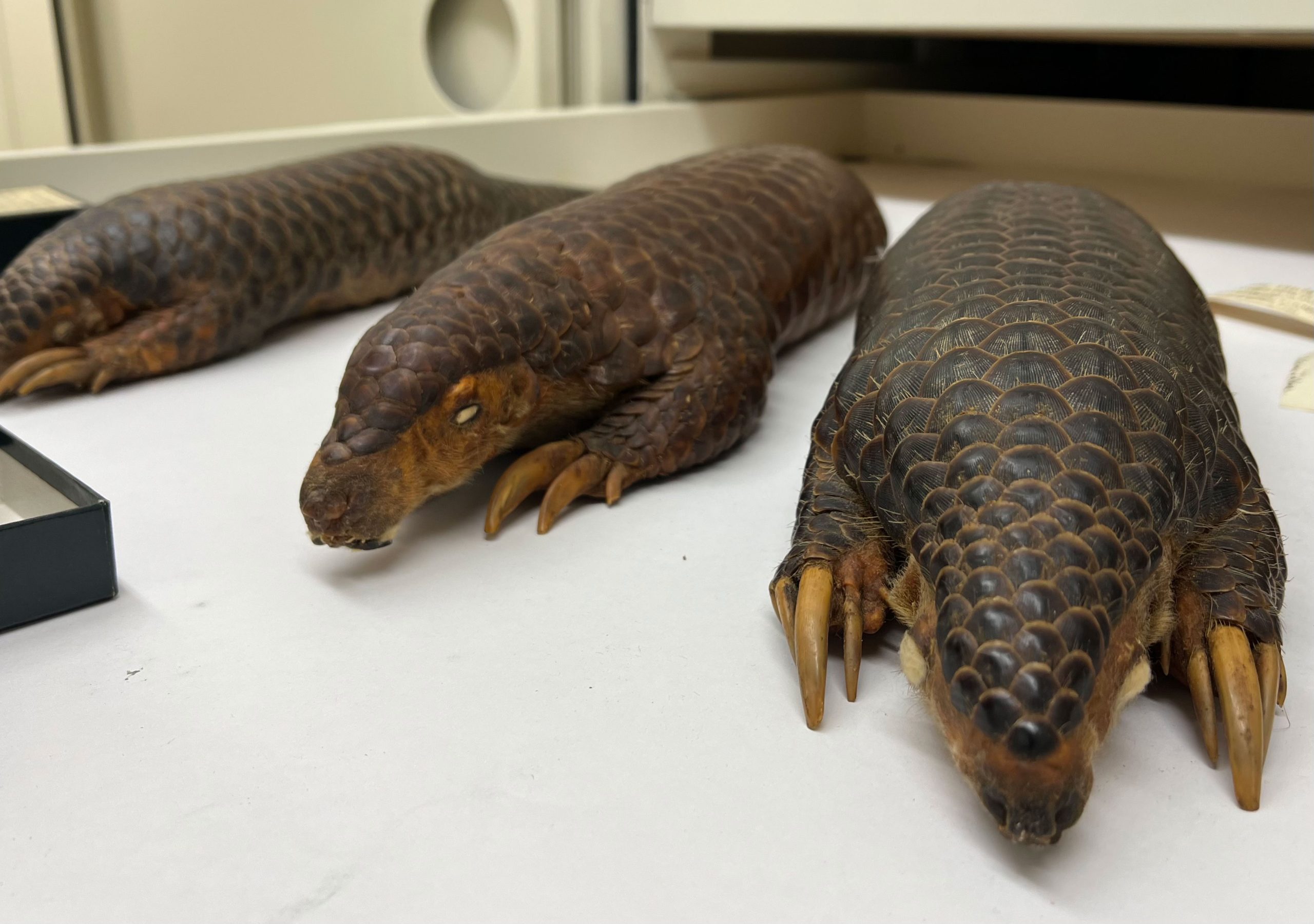
Feijó and his colleagues were already conducting a decade-long reconstruction of the pangolin family tree. By comparing physical features and DNA, they were trying to determine how many pangolin species exist and how those species are related.
During that work, they encountered the name Manis aurita. It had first been assigned to a pangolin in 1836 but was later reduced to a subspecies of the Chinese pangolin. That historical classification created a crucial question. Was the recently named M. indoburmanica genuinely new, or was it the same animal described almost two centuries earlier as M. aurita?
“This left us with a core taxonomic riddle: what is the relationship between indoburmanica and aurita? Are they the same species or different species?” says Kai He, another of the paper’s co-corresponding authors and a researcher at the South China Biodiversity Research Center at Guangzhou University. “The ultimate, most thrilling piece of the puzzle came from the Natural History Museum in London. Thanks to their incredible expertise and assistance, the NHM team successfully sequenced the DNA directly from the historical type specimen of the Nepalese subspecies (aurita). This specimen dates back to 1836, making it nearly 190 years old.”
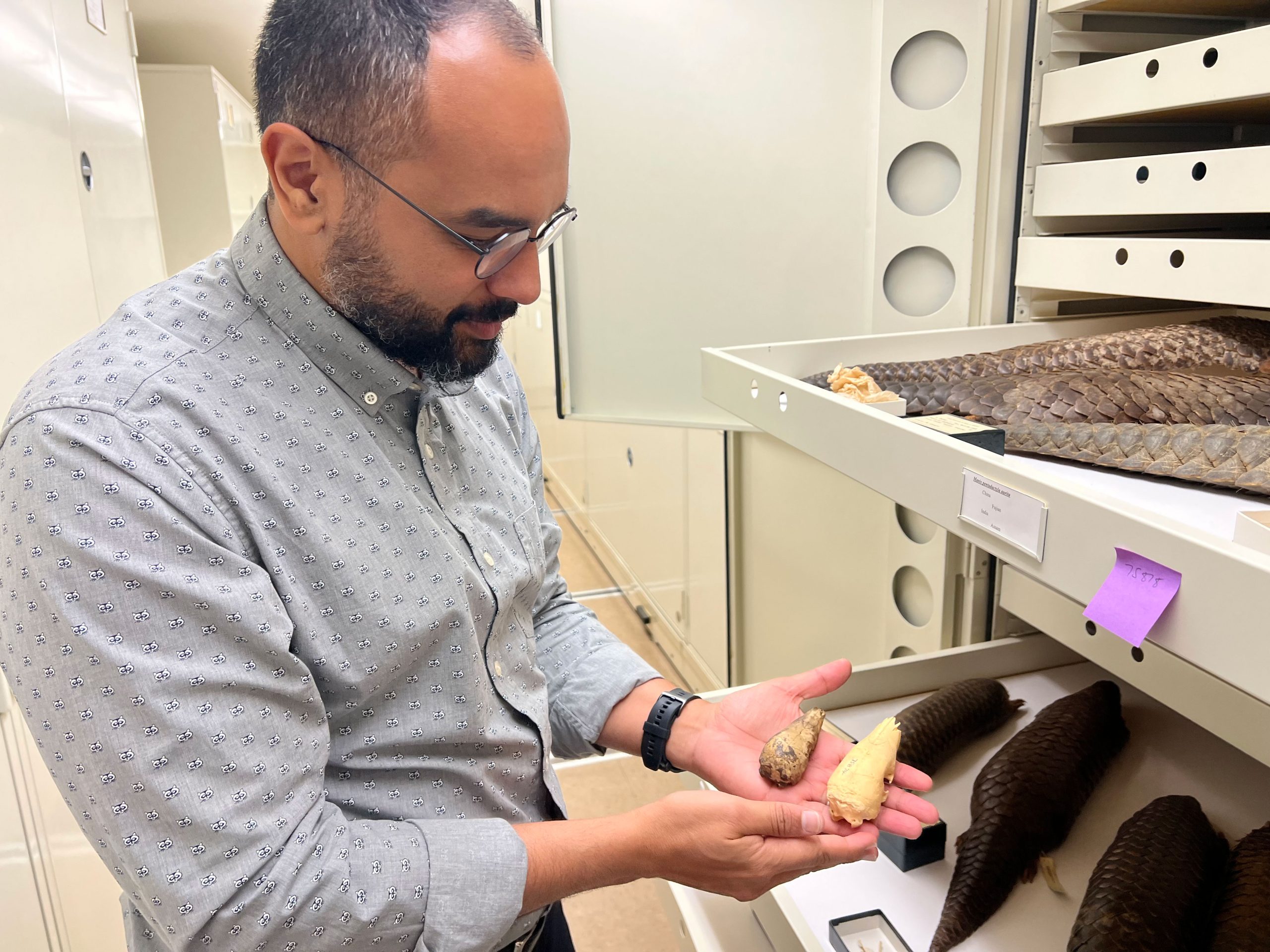
A type specimen is the physical reference used to define a species. Recovering DNA from this specimen allowed the researchers to compare the original M. aurita directly with modern Himalayan pangolins rather than relying only on descriptions and measurements.
Historic DNA confirms the species
The comparison settled the naming question. DNA from present-day Himalayan specimens matched the historical aurita specimen, showing that both names referred to the same species. Under the rules of scientific naming, the older name takes priority, so the animal described in 2025 as M. indoburmanica should instead be called M. aurita.
“This taxonomic clarification provides a crucial scientific basis for combating illegal poaching and lays the groundwork for protecting this cryptic endangered species,” says Yan Hua, a co-corresponding author of the study and researcher at the Guangdong Academy of Forestry.
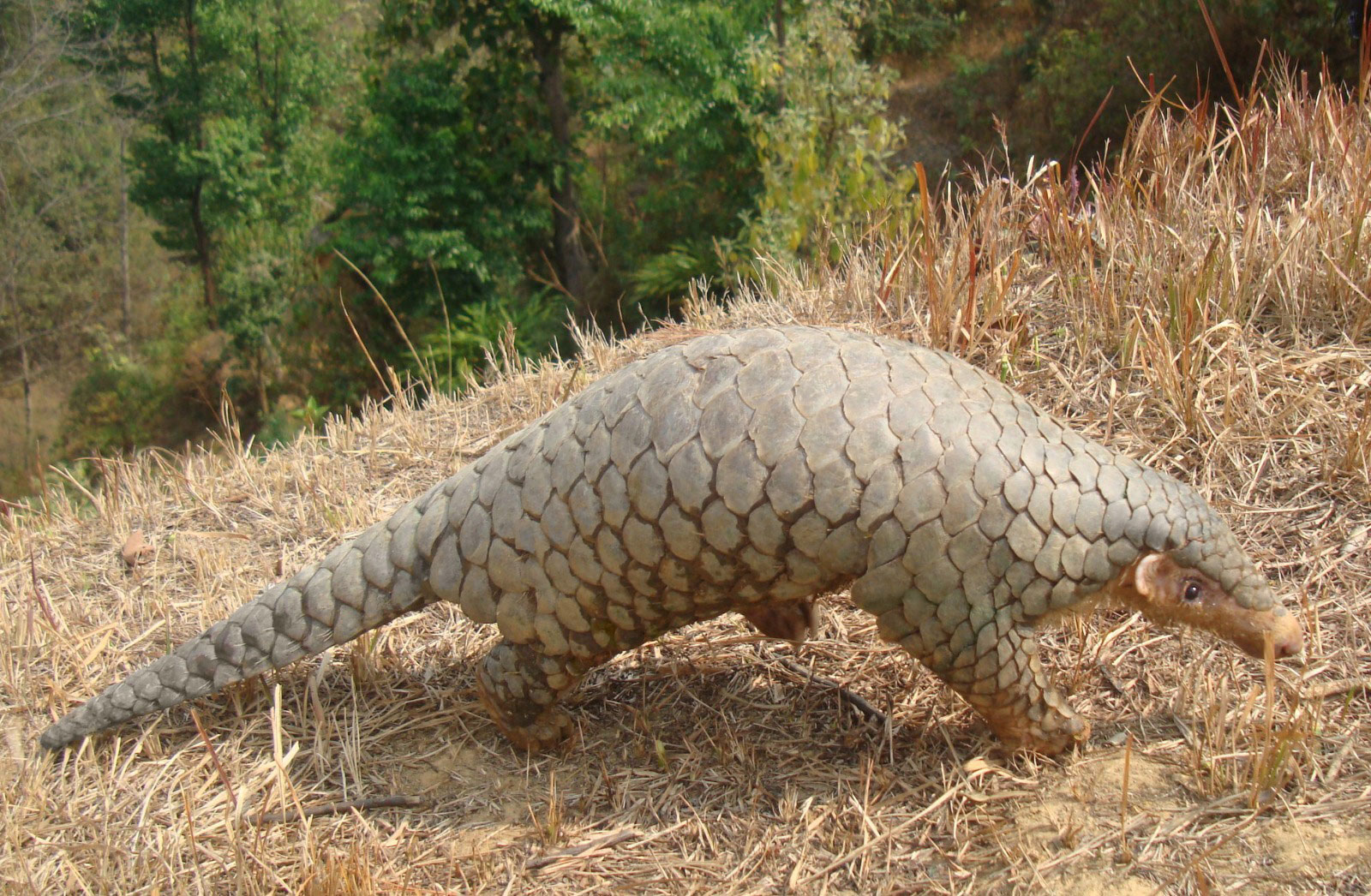
The Himalayan pangolin M. aurita (briefly formerly known as M. indoburmanica) closely resembles the Chinese pangolin, which helps explain why the two were grouped together for so long. Careful comparisons, however, revealed several consistent physical differences.
“Compared to the Chinese pangolin, the Himalayan pangolin has a bigger body, a longer tail, and smaller ears,” says Feijó. The restored species name aurita refers to the animal’s ears.
Clear boundaries strengthen protection
The distinction matters for more than scientific naming. The Himalayan and Chinese pangolins occupy separate geographic ranges that apparently do not overlap. For animals already threatened by poaching, knowing precisely where each species lives can determine which populations need protection and where enforcement should be concentrated.
Pangolin scales are used in traditional Chinese medicine, where they are believed to have medicinal and aphrodisiac properties. Illegal demand has created an extensive trade, but identifying the animals involved can be difficult because authorities often recover loose scales rather than intact bodies.
“In the marketplaces you basically only find pangolin scales, not the whole animals, which makes it hard to know which species are being hunted and where they are coming from,” says Feijó.
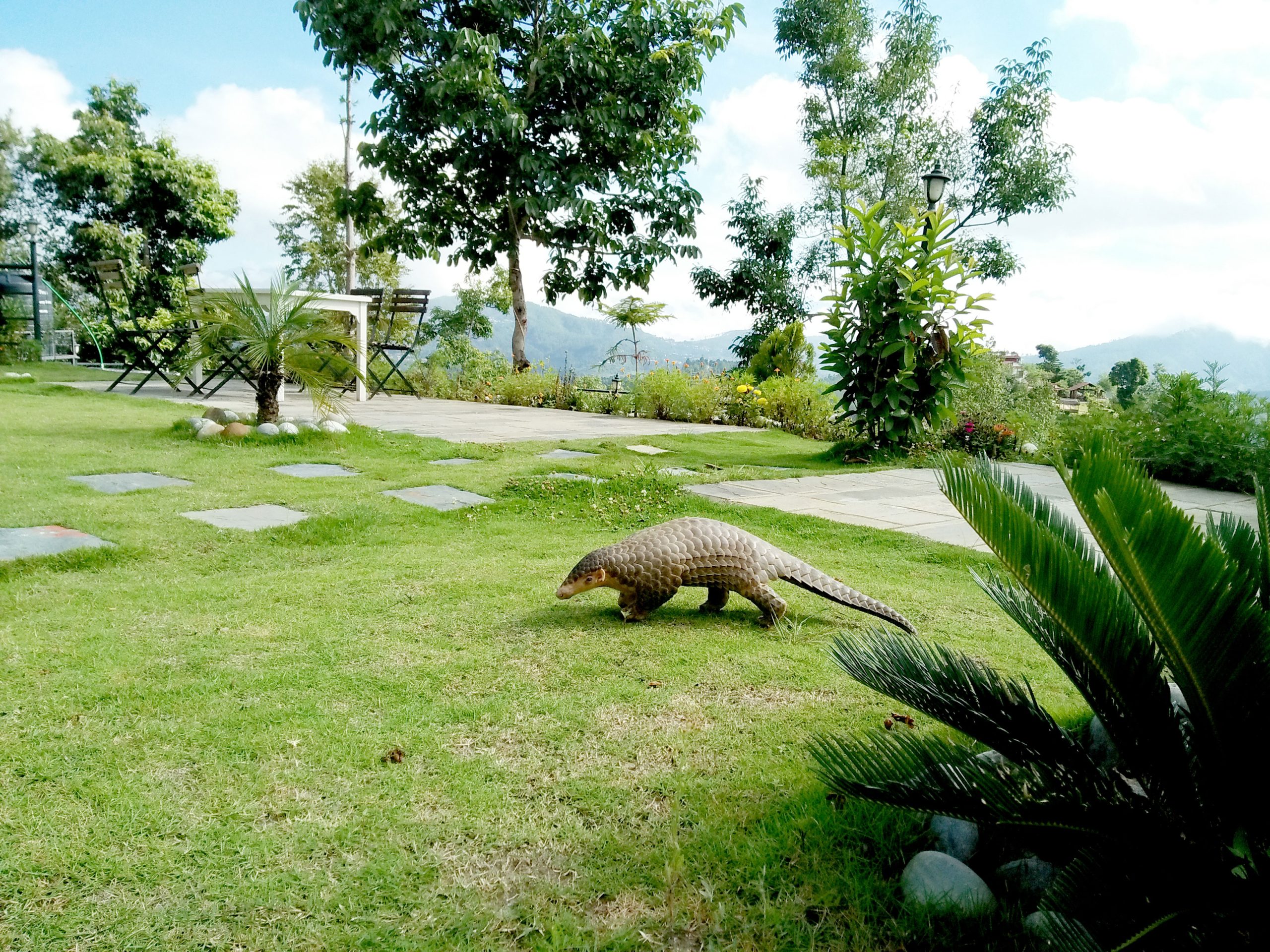
The new genetic reference data provide a way around that obstacle. Conservation scientists can compare DNA from confiscated scales with known species profiles, identify which pangolin was killed and trace the trade back toward the region where that species lives. This could reveal where poaching pressure is increasing before local populations disappear.
Clear species boundaries are also essential when conservationists return rescued or captive animals to the wild. Releasing the wrong species into an area could disrupt recovery efforts or place an animal in an unsuitable habitat.
“Before, you might have introduced Chinese pangolins into Nepal, because you didn’t know the difference,” says Feijó. “By defining the differences between the species and the limits of where each species is found, we can make better conservation decisions.”
Museum collections guide conservation
The identification of M. aurita depended on a specimen preserved long before DNA sequencing existed. Without the 1836 animal held by the Natural History Museum in London, the researchers might not have been able to connect the modern Himalayan pangolin with its original scientific name.
Museum collections also help solve another practical problem. Pangolins are secretive, uncommon and difficult to locate in the wild, making it hard to collect enough modern samples to represent their full geographic range.
“Using museum collections allows us to have access to more individuals across the species’ range,” says Feijó. “If you only rely on fresh material, since the animals are so rare to find in the wild, this greatly limits the information that you can gather. We used collections to have a more complete sampling of the species. It’s a big advantage to have this resource available as a repository of material that we can look back and keep learning from.”
Reference: “Revalidation of Manis aurita based on integrative genomic and morphological evidence” by Narayan Prasad Koju, Zeling Zeng, Guihua Zhang, Zhicheng Yao, Xia Huang, Xiaoyun Wang, Melissa T. R. Hawkins, Arlo Hinckley, Mary Faith C. Flores, Ce Guo, Jun Li, Devendra Maharjan, Saraswoti Byanjankar, Lianghua Huang, Wenhua Yu, Liang Leng, Kai He, Anderson Feijó and Yan Hua, 1 July 2026, Communications Biology.
DOI: 10.1038/s42003-026-10314-9
This work was supported by the National Natural Science Foundation of China (Grant Nos. U23A20161, 32570535, and 32170452 to K.H.), the National Key R&D Program of China (No. 2025YFC3507700 to Y.H.), and the Guangdong Provincial Natural Science Foundation for Distinguished Young Scholars (2022B1515020033 to K.H.).
Never miss a breakthrough: Join the SciTechDaily newsletter.
Follow us on Google and Google News.