
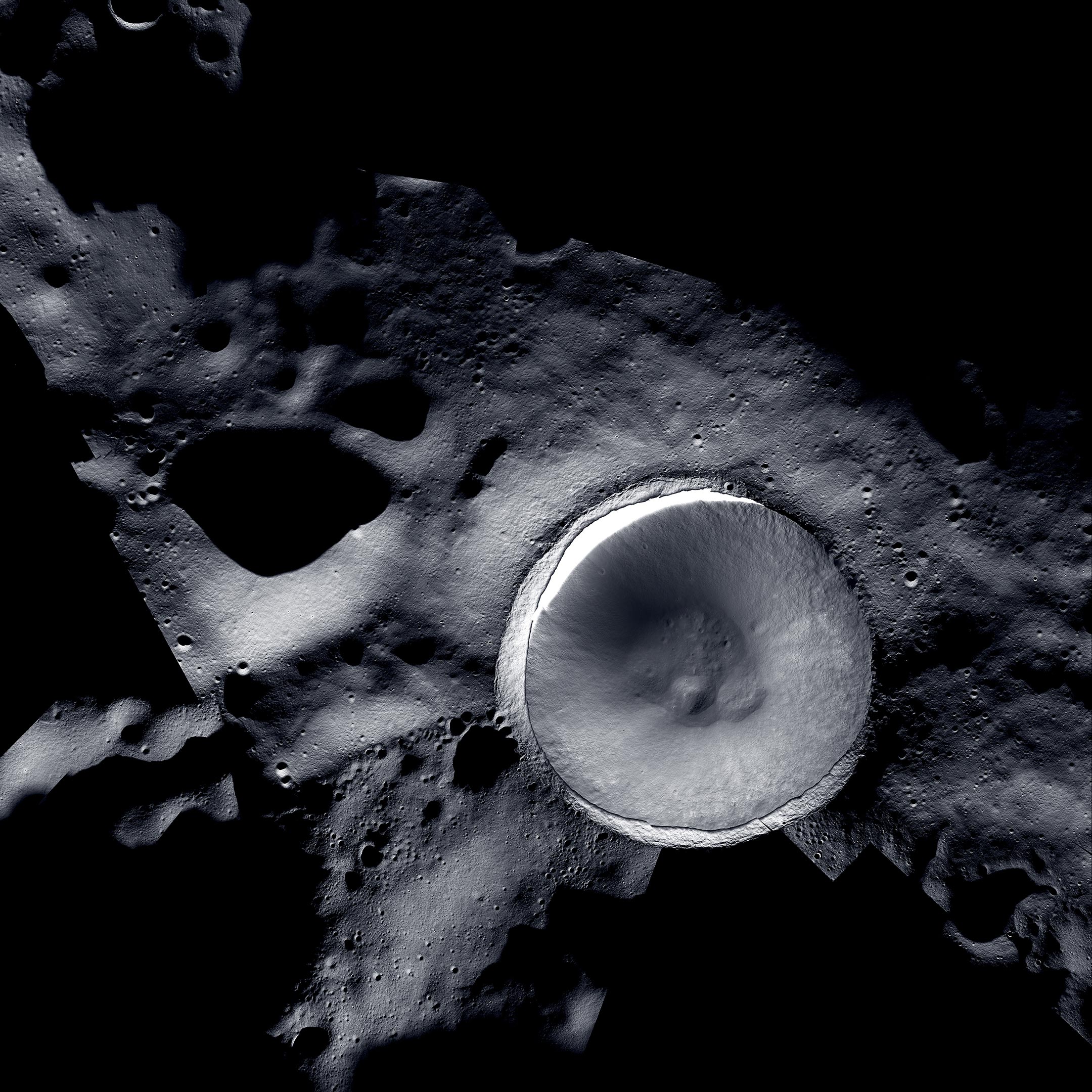
LROC and ShadowCam collaboratively unveil the Shackleton Crater’s mosaic, providing unparalleled insights into the lunar South Pole and its potential ice deposits, aiding future lunar exploration missions.
A new mosaic of the Shackleton Crater showcases the powerful synergy of two lunar orbiting cameras working together to reveal unprecedented detail of the lunar South Pole region.
This mosaic was created with imagery acquired by LROC (Lunar Reconnaissance Orbiter Camera), which has been operating since 2009, and from ShadowCam, a NASA instrument on board a KARI (Korea Aerospace Research Institute) spacecraft called Danuri, which launched in August 2022. ShadowCam was developed by Malin Space Science Systems and Arizona State University.
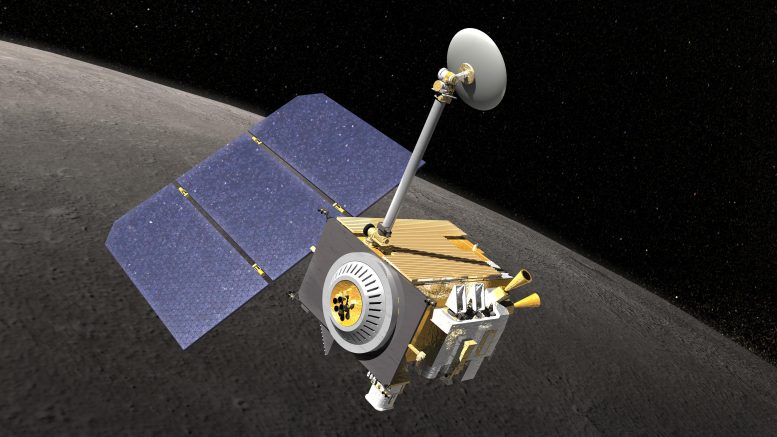
Complementary Capabilities of LROC and ShadowCam
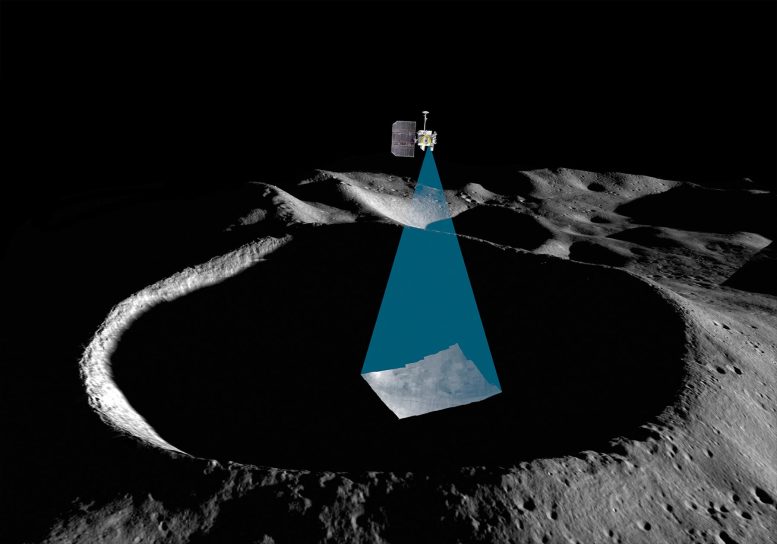
LROC can capture detailed images of the lunar surface but has limited ability to photograph shadowed parts of the Moon that never receive direct sunlight, known as permanently shadowed regions. ShadowCam is 200 times more light-sensitive than LROC and can operate successfully in these extremely low-light conditions, revealing features and terrain details that are not visible to LROC. ShadowCam relies on sunlight reflected off lunar geologic features or the Earth to capture images in the shadows.
ShadowCam’s light sensitivity, however, renders it unable to capture images of parts of the Moon that are directly illuminated, delivering saturated results. With each camera optimized for specific lighting conditions found near the lunar poles, analysts can combine images from both instruments to create a comprehensive visual map of the terrain and geologic features of both the brightest and darkest parts of the Moon. The permanently shadowed areas in this mosaic, such as the interior floor and walls of Shackleton Crater, are visible in such detail because of the imagery from ShadowCam. In contrast, the sunlit areas in this mosaic, like the rim and flanks of the crater, are a product of imagery collected by LROC.
Scientific and Exploration Implications
With ShadowCam, NASA can image permanently shadowed regions of the Moon in greater detail than previously possible, giving scientists a much better view of the lunar South Pole region. This area has never been explored by humans and is of great interest to science and exploration because it is thought to contain ice deposits or other frozen volatiles. Scientists believe layers of ice deposits have existed on the Moon for millions or billions of years, and the ability to study samples could further our understanding of how the Moon and our solar system evolved. The ice deposits could also serve as an important resource for exploration because they are comprised of hydrogen and oxygen that can be used for rocket fuel or life support systems.
A more complete map of the lunar South Pole region area is valuable for future surface exploration endeavors, such as VIPER (Volatiles Investigating Polar Exploration Rover) and Artemis missions, which will return humans to the lunar surface and establish a long-term presence at the Moon.
About LROC
The Lunar Reconnaissance Orbiter Camera (LROC) is a system of cameras on board NASA’s Lunar Reconnaissance Orbiter (LRO) spacecraft. Launched in 2009, LROC is designed to capture high-resolution images of the lunar surface. Its primary goal is to help identify safe landing sites, locate potential resources, study the lunar environment, and demonstrate new technology. The detailed imagery from LROC has provided invaluable insights into the Moon’s topography, geology, and has assisted in various scientific and exploration missions.
About ShadowCam
ShadowCam is a highly light-sensitive camera instrument aboard the KARI (Korea Aerospace Research Institute) spacecraft, Danuri. Developed by Malin Space Science Systems and Arizona State University for NASA, it was designed specifically to capture images of the Moon’s permanently shadowed regions, areas that never receive direct sunlight. With its ability to operate successfully in extremely low-light conditions, ShadowCam leverages reflected sunlight off lunar geological features or Earth to photograph features and terrain details that other instruments, like the LROC, cannot see. Launched in August 2022, it complements other lunar imaging systems by revealing details in the Moon’s darkest areas.
Never miss a breakthrough: Join the SciTechDaily newsletter.
Follow us on Google and Google News.