

Close Menu
    Facebook X (Twitter) Instagram
    SciTechDaily
    • Biology
    • Chemistry
    • Earth
    • Health
    • Physics
    • Science
    • Space
    • Technology
    Facebook X (Twitter) Pinterest YouTube RSS
    SciTechDaily
    Home»Space»Astrobotic’s Peregrine Lander: A Fiery Return to Earth Imminent
    Space

    Astrobotic’s Peregrine Lander: A Fiery Return to Earth Imminent

    By NASAJanuary 16, 20243 Comments2 Mins Read
    Facebook Twitter Pinterest Telegram LinkedIn WhatsApp Email Reddit
    Share
    Facebook Twitter LinkedIn Pinterest Telegram Email Reddit
    Small Satellite Burning Up Art Concept
    According to Astrobotic, the Peregrine is projected to make its re-entry into Earth’s atmosphere and potentially burn up on Thursday, January 18. (Artist’s concept.) Credit: SciTechDaily.com

    Astrobotic Predicts Peregrine’s Fiery Earth Re-Entry on January 18

    Despite a successful launch, Peregrine faced a propulsion issue, preventing a Moon landing. It is set to re-enter Earth’s atmosphere and burn up. NASA continues to support Astrobotic in analyzing the issue and planning future missions, emphasizing the lessons learned from this experience.

    The following NASA statement is attributed to Dr. Nicola Fox, associate administrator, Science Mission Directorate at NASA Headquarters in Washington:

    As part of NASA’s CLPS (Commercial Lunar Payload Services) initiative, Astrobotic’s Peregrine became the first American commercial lunar lander to launch on a mission to the Moon. Under the Artemis campaign, NASA is supporting exploration through the development of a lunar economy fostering a new commercial robotic delivery service carrying NASA science and technology instruments to the Moon in advance of future missions with crew.
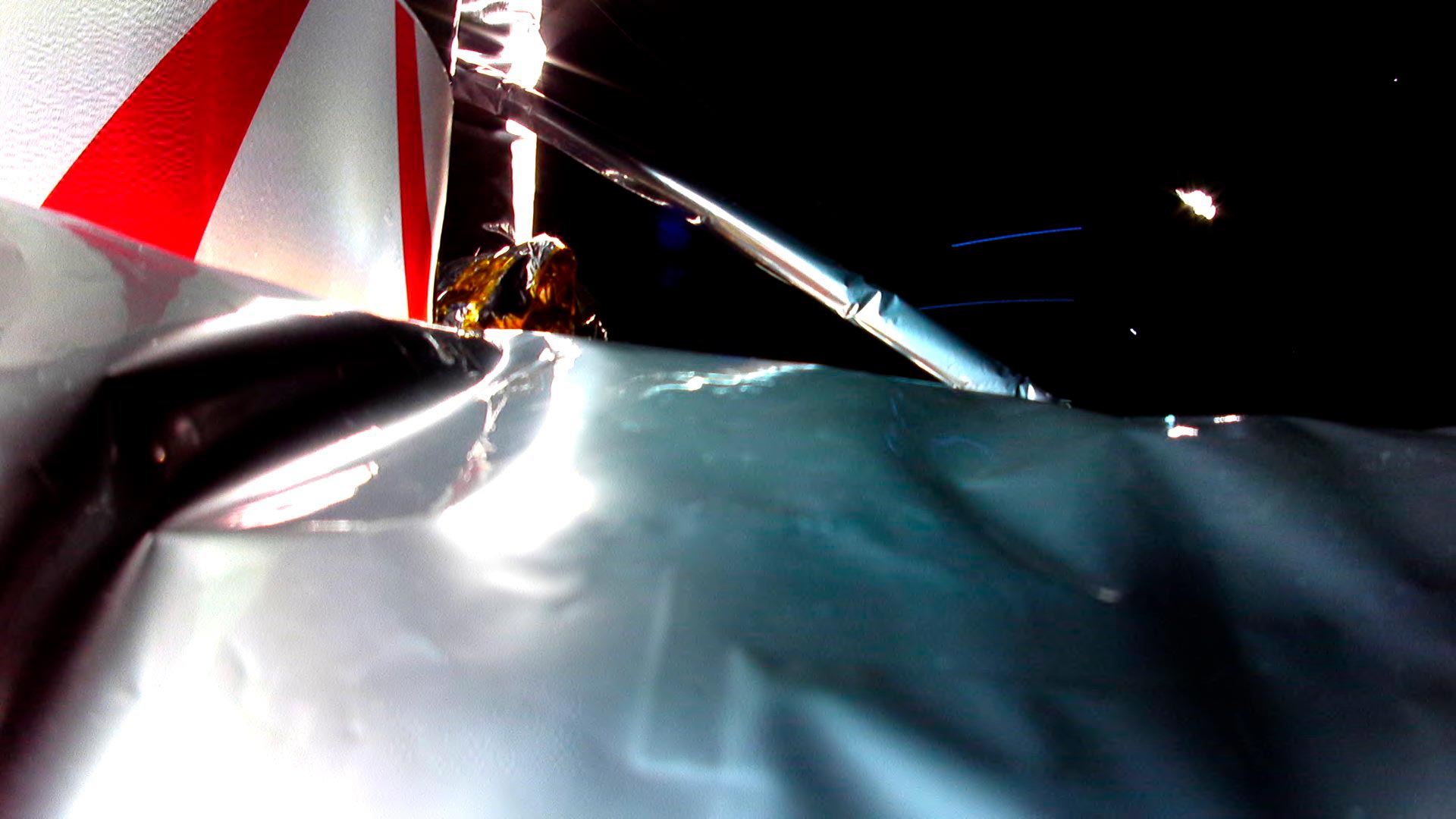
    Astrobotic Peregrine Lander in Space
    First image of Astrobotic’s Peregrine lander in space. Credit: Astrobotic

    The privately designed and developed Peregrine robotic spacecraft uses novel, industry-developed technology, some of which has never flown in space. Shortly after a successful launch and separation from the rocket on January 8, the spacecraft experienced a propulsion issue that would ultimately prevent it from softly landing on the Moon.

    Astrobotic said on its current trajectory, Peregrine will re-enter the Earth’s atmosphere on Thursday, January 18, and is likely to burn up. Astrobotic worked with NASA’s assistance to assess the most appropriate action, and this is the best approach to safely and responsibly conclude Peregrine Mission One.
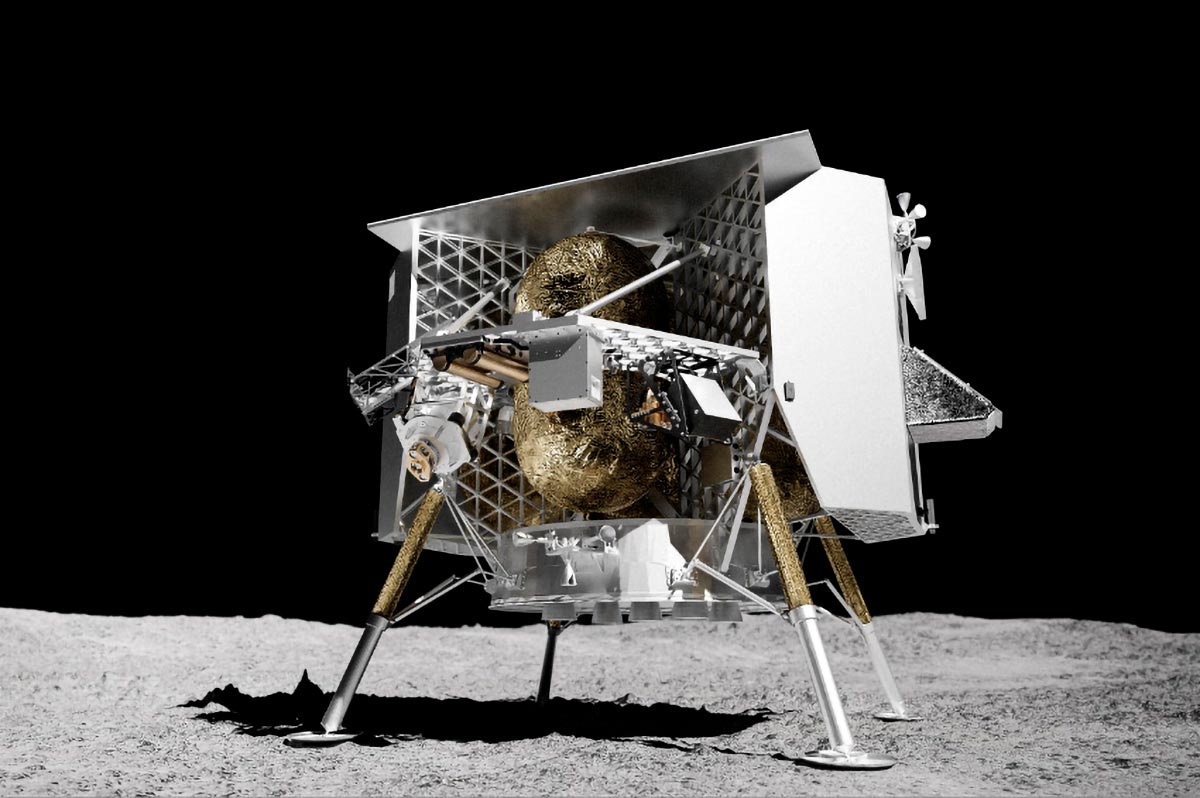
    Astrobotic Peregrine Lunar Lander
    Peregrine is Astrobotic’s small-class lunar lander. Here is an illustration of what it would have looked like, had it managed to land on the Moon. Credit: Astrobotic Technology

    While it’s too soon to understand the root cause of the propulsion incident, NASA continues to support Astrobotic, and will assist in reviewing flight data, identifying the cause, and developing a plan forward for the company’s future CLPS and commercial flights.

    Spaceflight is an unforgiving environment, and we commend Astrobotic for its perseverance and making every viable effort to collect data and show its capabilities of Peregrine while in flight. Together, we will use the lessons learned to advance CLPS.

    Never miss a breakthrough: Join the SciTechDaily newsletter.
    Follow us on Google and Google News.

    Astrobotic Moon NASA Popular
    Share. Facebook Twitter Pinterest LinkedIn Email Reddit

    Related Articles

    Peregrine’s Unintended Experiment: How a Doomed Moon Mission Unlocks New Space Science

    Astrobotic’s Peregrine Lander Hit by Critical Propulsion Issue on Flight to the Moon

    NASA Begins Building VIPER – Its First Robotic Moon Rover

    VIPER: NASA Rover to Search for Water & Other Resources on Moon

    NASA’s GRAIL Mission Solves a Lunar Mystery Almost as Old as the Moon Itself

    Hubble Data Reveals a New Neptune Moon

    Phobos May Provide Evidence of Life on Mars

    Saturn’s Moon Phoebe Has Planet-Like Qualities

    NASA LRO Spacecraft Reveals Geological Activity on the Moon’s Surface

    3 Comments

    1. D on January 16, 2024 5:58 am

      I see the brow-beating about “irresponsible” re-entry that has dogged similar scenarios by China is decidedly absent in the reporting now that it’s NASA and “Team Good Guys”

      Reply
      • R on January 16, 2024 1:00 pm

        I think the issue with China was that it was the second stage of large booster weighing many tons which included turbopumps that won’t disintegrate during re-entry VS this rather small, 1 ton box which very likely will vapourize before reaching the earth. So not really a “similar scenario.”

        Reply
    2. R on January 16, 2024 12:20 pm

      “novel, industry-developed technology, some of which has never flown in space” Why am I not surprised at the result? Too much positive spin on a total failure.

      Reply
    Leave A Reply Cancel Reply

    • Facebook
    • Twitter
    • Pinterest
    • YouTube

    Don't Miss a Discovery

    Subscribe for the Latest in Science & Tech!

    Trending News

    Quantum Gravity May Be Far Less Quantum Than Physicists Expected

    New Tool Supercharges Immunotherapy Against Prostate Cancer

    The Hidden Cancer Risk of Ketogenic Diets

    One Asteroid Collision May Have Rocked Earth, Mars, and the Moon

    New Study Reveals Herpesvirus Infection May Accelerate Alzheimer’s Disease

    Microplastics Found in 84% of Serious Heart Attack Patients

    Why Are Bees Struggling To Survive This Summer?

    New Metal Alloy Is up to 10 Times Stronger Than Structural Steel

    Follow SciTechDaily
    • Facebook
    • Twitter
    • YouTube
    • Pinterest
    • Newsletter
    • RSS
    SciTech News
    • Biology News
    • Chemistry News
    • Earth News
    • Health News
    • Physics News
    • Science News
    • Space News
    • Technology News
    Recent Posts
    • Scientists Reveal How Exercise May Protect the Aging Brain
    • Long COVID Brain Scans Reveal Damage to Dopamine Neurons
    • Scientists Say Eating One Avocado a Day May Lower Heart Disease Risk
    • Scientists Are Turning Empty Roadsides Into Butterfly Habitats
    • The Hotspot Beneath Hawaii Is Getting Hotter, Defying a Long-Held Geological Theory
    Copyright © 1998 - 2026 SciTechDaily. All Rights Reserved.
    • Science News
    • About
    • Contact
    • Editorial Board
    • Privacy Policy
    • Terms of Use

    Type above and press Enter to search. Press Esc to cancel.