
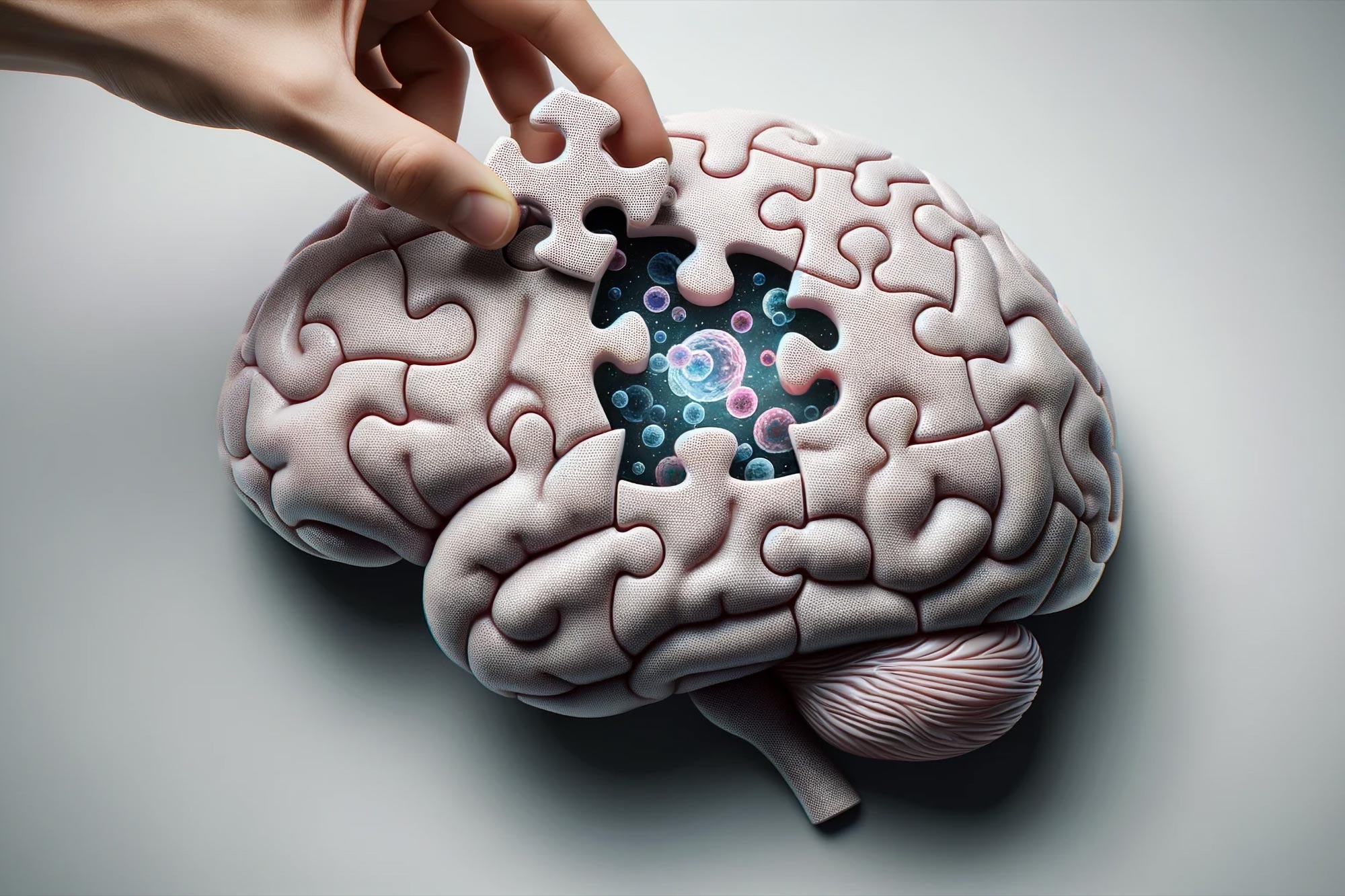
Scientists propose new, biologically-based classification system for Parkinson’s Disease— the fastest-growing neurological disease worldwide.
An international research team led by Krembil Brain Institute Neurologist and Senior Scientist, Dr. Anthony Lang, has proposed a new model for classifying Parkinson’s disease (PD).
In recent decades, researchers have uncovered several biological factors that underlie PD. Key factors include a build up of the protein α-synuclein in the brain, which leads to neuron degeneration, and genetic factors that increase one’s risk of developing the disease. They have also begun to develop reliable methods to test for these factors, called biomarkers, in living patients.
Despite these advancements, doctors still diagnose the disease based on clinical features, such as the presence of tremors and other common motor symptoms.
According to Dr. Lang, who is the Lily Safra Chair in Movement Disorders at the University Health Network (UHN) and the Jack Clark Chair for Parkinson’s Disease Research and a Professor in the Department of Medicine, at the University of Toronto, this traditional approach to diagnosing PD does not account for the complex biological processes at play.
“We know Parkinson’s exists in the brain for one to two decades, or longer, before the clinical manifestations present,” says Dr. Lang. “So, we believe current research must be driven by biological determinants of the disease, rather than limited clinical descriptions of its signs and symptoms.”
He adds: “We need a radically different way of looking at this disease.”
The SynNeurGe Model
In a recent article published in Lancet Neurology, Dr. Lang’s team proposed a new, biologically based model for classifying PD, called SynNeurGe (pronounced “synergy”).
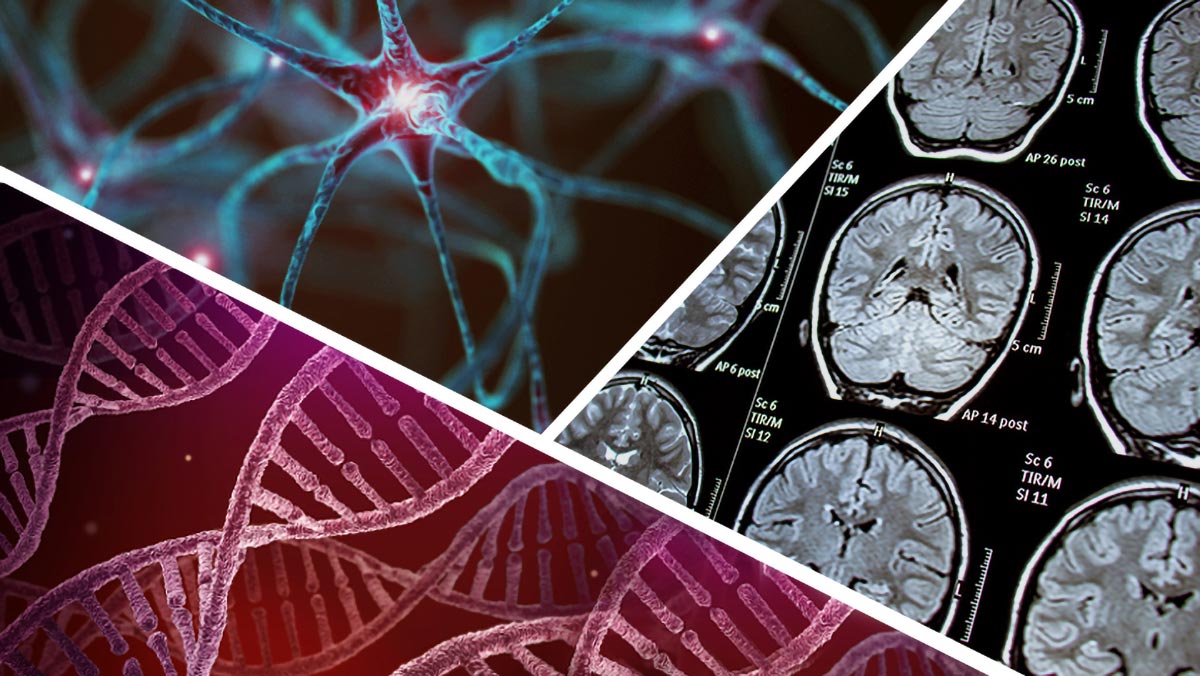
The model emphasizes the important interactions between three biological factors that contribute to the disease:
- the presence of pathologic α-synuclein in the brain (S);
- evidence of neurodegeneration, which occurs as the disease progresses (N); and
- the presence of gene variants that cause or strongly predispose a person to the disease (G).
According to the team, this “S-N-G” classification system better accounts for the biological heterogeneity of PD and the many ways the condition can present in patients. Consequently, the system could help researchers identify subgroups of patients that have distinct disease processes and develop clinically meaningful disease-modifying therapies.
Implications for Research and Treatment
“We need to recognize that Parkinson’s can differ dramatically between patients. We are not dealing with a single disorder,” explains Dr. Lang. “Our model provides a much broader, more holistic view of the disease and its causes.”
“With this new model, Dr. Lang is spearheading a truly pivotal international effort to redefine the biological complexity of Parkinson’s Disease, which will lead to more advanced and streamlined research in this area, and ultimately, to precision medicine for patients,” says Dr. Jaideep Bains, co-Director of UHN’s Krembil Brain Institute.
The team is confident that this new way of looking at PD will help researchers study its molecular basis, distinguish it from other neurodegenerative conditions that share common biological features, and identify targets for new therapies.
Despite these potential applications, Dr. Lang cautions that the model is intended for research purposes only and is not ready for immediate application in the clinic. Yet, it is already spurring hope among patients and the medical community.
“The ability to tailor treatments improves when you can identify exactly what is going on in a specific patient like me,” says Hugh Johnston, Founding Chair of The Movement Disorders Patient Advisory Board at UHN’s Krembil Brain Institute, who is currently living with PD. “This new way of thinking is what we have been waiting for. It’s a game changer.”
“Without looking at the biology, you can’t get answers. And without answers, we won’t have much-needed breakthroughs in Parkinson’s,” says Dr. Lang. “This new classification system and the future research project it will inspire, is one of the most exciting things I have worked on in my career.”
Reference: “A biological classification of Parkinson’s disease: the SynNeurGe research diagnostic criteria” by Günter U Höglinger, Charles H Adler, Daniela Berg, Christine Klein, Tiago F Outeiro, Werner Poewe, Ronald Postuma, A Jon Stoessl and Anthony E Lang, February 2024, The Lancet Neurology.
DOI: 10.1016/S1474-4422(23)00404-0
This work was supported by National Institutes of Health, Canadian Institutes of Health Research, Canada Foundation for Innovation, Michael J. Fox Foundation, Brain Canada, Ontario Brain Institute, Garfield Weston Foundation, Webster Foundation, Edmond J Safra Philanthropic Foundation, Parkinson Foundation, Parkinson Canada, the State of Arizona, Mayo Clinic, Banner Health, Fonds de Recherche du Quebec – Sante, Deutsche Forschungsgemeinschaft (German Research Foundation), German Federal Ministry of Education and Research, EU/EFPIA/Innovative Medicines Initiative, European Joint Programme on Rare Diseases, Niedersächsisches Ministerium für Wissenschaft und Kunst, Volkswagen Foundation, Petermax-Müller Foundation, German Parkinson Society, German Parkinson’s Disease Association, Parkinson Fonds Deutschland gGmbH, Damp Foundation and UHN Foundation.
Never miss a breakthrough: Join the SciTechDaily newsletter.
Follow us on Google and Google News.