
Close Menu
    Facebook X (Twitter) Instagram
    SciTechDaily
    • Biology
    • Chemistry
    • Earth
    • Health
    • Physics
    • Science
    • Space
    • Technology
    Facebook X (Twitter) Pinterest YouTube RSS
    SciTechDaily
    Home»Chemistry»Revolutionizing Plastics: How Sugar-Based Polyamides Could Save Our Planet
    Chemistry

    Revolutionizing Plastics: How Sugar-Based Polyamides Could Save Our Planet

    By Ecole Polytechnique Fédérale de LausanneMarch 18, 2024No Comments3 Mins Read
    Facebook Twitter Pinterest Telegram LinkedIn WhatsApp Email Reddit
    Share
    Facebook Twitter LinkedIn Pinterest Telegram Email Reddit
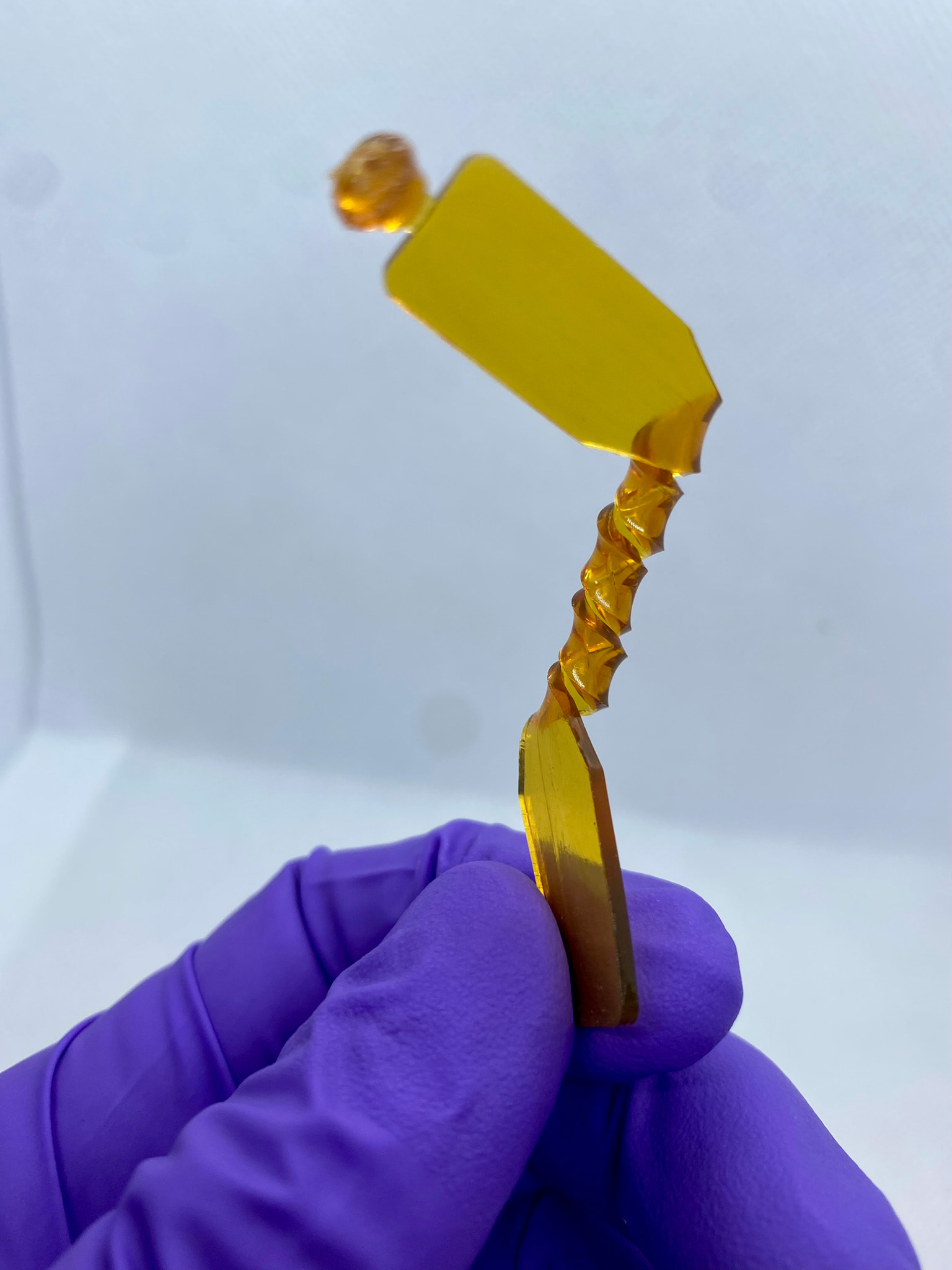
    New Sustainable Polyamide
    The polyamide is tough and flexible allowing it to be twisted and plied without breaking. Credit: Lorenz Manker/EPFL

    In today’s fast-paced industrial society, the search for eco-friendly materials is more pressing than ever. Plastics, which are a common part of everyday life, present major environmental issues, primarily due to their fossil fuel origins and problematic disposal.

    Now, a study led by Jeremy Luterbacher’s team at EPFL unveils a pioneering approach to producing high-performance plastics from renewable resources. The research, published in Nature Sustainability, introduces a novel method for creating polyamides – a class of plastics known for their strength and durability, the most famous of which are nylons – using a sugar core derived from agricultural waste.

    The new method leverages a renewable resource, and also achieves this transformation efficiently and with minimal environmental impact.
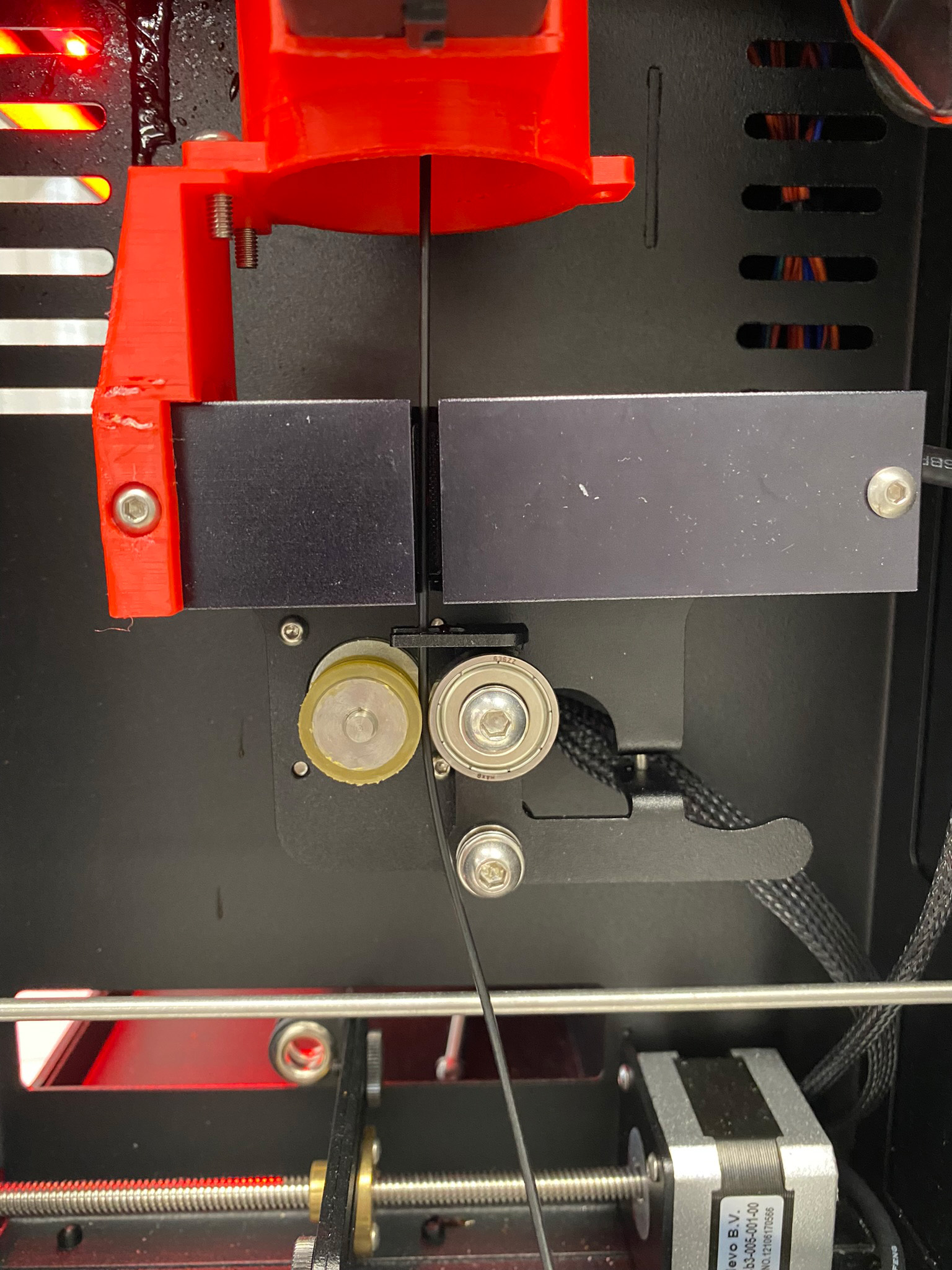
    Highly Precise Extrusion of 3D Printing Filament
    Highly precise extrusion of 3D-printing filament. Credit: Lorenz Manker/EPFL

    Environmental Benefits and Efficiency

    “Typical, fossil-based plastics need aromatic groups to give rigidity to their plastics – this gives them performance properties like hardness, strength, and high-temperature resistance,” says Luterbacher. “Here, we get similar results but use a sugar structure, which is ubiquitous in nature and generally completely non-toxic, to provide rigidity and performance properties.”

    Lorenz Manker, the study’s lead author, and his colleagues developed a catalyst-free process to convert dimethyl glyoxylate xylose, a stabilized carbohydrate made directly from biomass such as wood or corn cobs, into high-quality polyamides. The process achieves an impressive atom efficiency of 97%, meaning almost all the starting material is used in the final product, which drastically reduces waste.
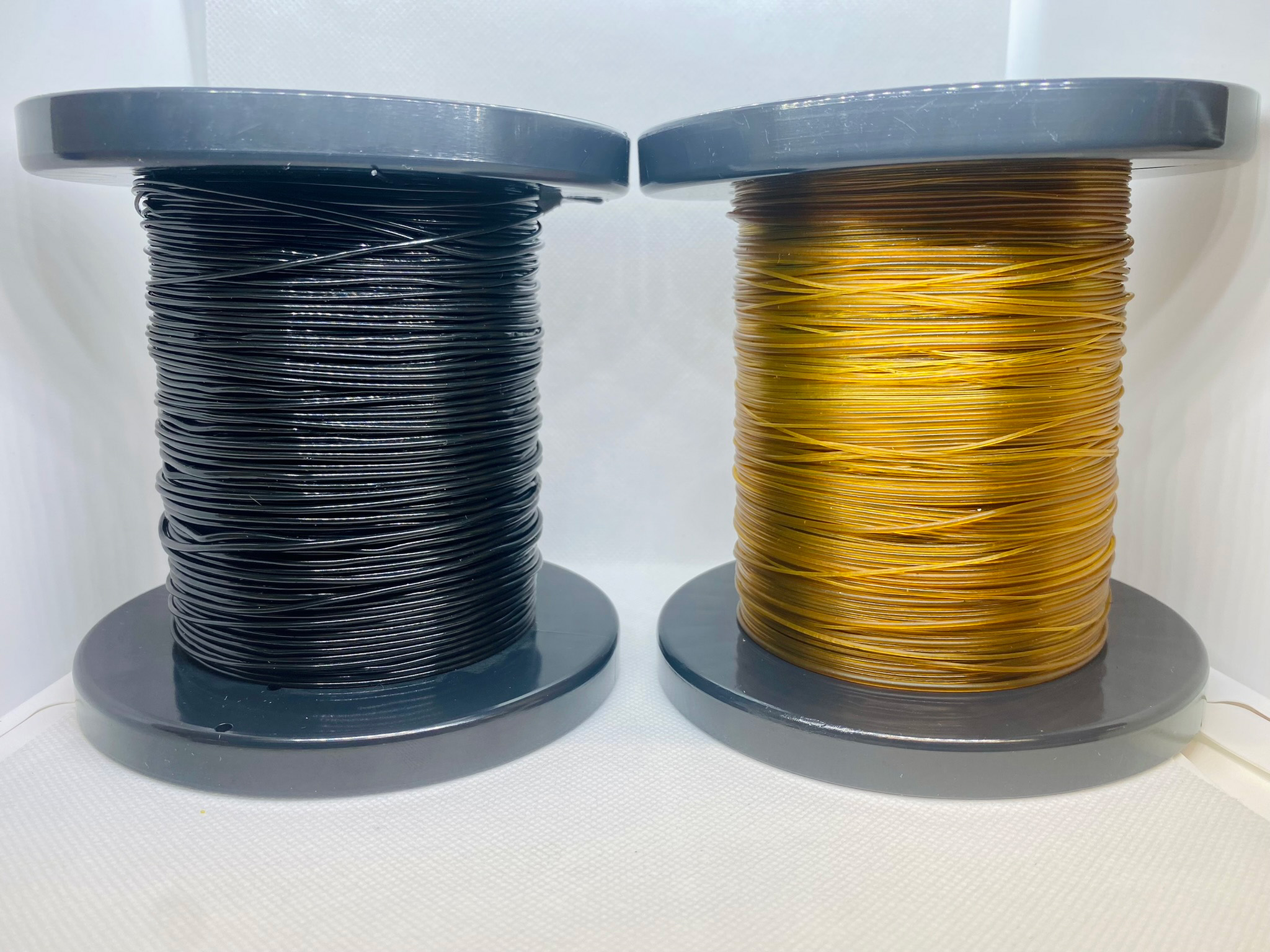
    The Dyed and Natural Polyamide Fibers After Extrusion
    The dyed and natural polyamide fibers after extrusion. Credit: Lorenz Manker/EPFL

    The bio-based polyamides exhibit properties that can compete with their fossil counterparts, offering a promising alternative for various applications. What’s more, the materials demonstrated significant resilience through multiple cycles of mechanical recycling, maintaining their integrity and performance, which is a crucial factor for managing the lifecycle of sustainable materials.

    The potential applications for these innovative polyamides are vast, ranging from automotive parts to consumer goods, all with a significantly reduced carbon footprint. The team’s techno-economic analysis and life-cycle assessment suggest these materials could be competitively priced against traditional polyamides including nylons (e.g. nylon 66), with a global warming potential reduction of up to 75%.

    Reference: “Performance polyamides built on a sustainable carbohydrate core” by Lorenz P. Manker, Maxime A. Hedou, Clement Broggi, Marie J. Jones, Kristoffer Kortsen, Kalaiyarasi Puvanenthiran, Yildiz Kupper, Holger Frauenrath, François Marechal, Veronique Michaud, Roger Marti, Michael P. Shaver and Jeremy S. Luterbacher, 13 March 2024, Nature Sustainability.
    DOI: 10.1038/s41893-024-01298-7

    Funding: Swiss National Science Foundation (SNSF), NCCR Catalysis, Marie Sklodowska-Curie grant, École Polytechnique Fédérale de Lausanne, Industrial Strategy Challenge Fund (ISCF) Smart Sustainable Plastic Packaging, Sustainable Materials Innovation Hub.

    The production of these materials is now being scaled up by the EPFL spin-off, Bloom Biorenewables, in an effort to get them into the market.

    Never miss a breakthrough: Join the SciTechDaily newsletter.
    Follow us on Google and Google News.

    Chemical Engineering EPFL Plastic Popular Sustainability
    Share. Facebook Twitter Pinterest LinkedIn Email Reddit

    Related Articles

    New Recycling Method Could Make Polyethylene Waste a Thing of the Past

    An Unexpected New Way To Recycle – Scientists Transform Plastic Waste Into Soap

    Table Salt – The Surprising Secret Ingredient Revolutionizing Chemical Recycling

    Artificial Photosynthesis Makes Biodegradable Plastic Using Sunlight

    Scientists Recycle Previously Unrecyclable Plastic

    Revolutionizing Renewable Energy: Using Sunlight To Produce Hydrogen Fuel Out of Thin Air

    Plastic-Eating Enzyme Could Supercharge Recycling and Eliminate Billions of Tons of Landfill Waste

    Sustainable Materials: Creating Valuable Plastics and Chemicals From Waste

    Turning Wood Into Recyclable, Biodegradable Plastic

    Leave A Reply Cancel Reply

    • Facebook
    • Twitter
    • Pinterest
    • YouTube

    Don't Miss a Discovery

    Subscribe for the Latest in Science & Tech!

    Trending News

    Don’t Miss: A Brilliant Venus and Glowing Harvest Moon Light Up the Sky

    New Twist on the Einstein Problem Reveals Unexpected Physics

    JWST Captures Stunning Evidence of How Supermassive Black Holes Feed

    Early Exercise May Permanently Change How Much Energy the Body Uses To Move

    New Molecule Wipes Out Aggressive Lymphoma Tumors in Mice in Just 11 Days

    The Human Family Tree May Need a Major Rewrite

    Scientists Find a Surprising Cancer-Fighting Effect in Dark Sweet Cherries

    New AI Detects Hidden Warning Signs of Solar Eruptions Hours Before They Emerge

    Follow SciTechDaily
    • Facebook
    • Twitter
    • YouTube
    • Pinterest
    • Newsletter
    • RSS
    SciTech News
    • Biology News
    • Chemistry News
    • Earth News
    • Health News
    • Physics News
    • Science News
    • Space News
    • Technology News
    Recent Posts
    • Africa’s Giant Herbivores Were Disappearing Millions of Years Before Humans Could Hunt Them
    • This Utah Mountain Is Hiding Enough Ice To Fill 600 Olympic Pools
    • Vagus Nerve Stimulation Could Unlock the Brain’s Hidden Learning Potential
    • Your Mother’s Age May Leave a Biological Mark That Lasts for Generations
    • Women Who Ate More Antioxidants Had Strikingly Lower Rates of Cervical Cancer
    Copyright © 1998 - 2026 SciTechDaily. All Rights Reserved.
    • Science News
    • About
    • Contact
    • Editorial Board
    • Privacy Policy
    • Terms of Use

    Type above and press Enter to search. Press Esc to cancel.