
Close Menu
    Facebook X (Twitter) Instagram
    SciTechDaily
    • Biology
    • Chemistry
    • Earth
    • Health
    • Physics
    • Science
    • Space
    • Technology
    Facebook X (Twitter) Pinterest YouTube RSS
    SciTechDaily
    Home»Space»Join the Hunt: NASA Volunteers Find 15 Rare “Active Asteroids”
    Space

    Join the Hunt: NASA Volunteers Find 15 Rare “Active Asteroids”

    By NASAMarch 29, 2024No Comments3 Mins Read
    Facebook Twitter Pinterest Telegram LinkedIn WhatsApp Email Reddit
    Share
    Facebook Twitter LinkedIn Pinterest Telegram Email Reddit
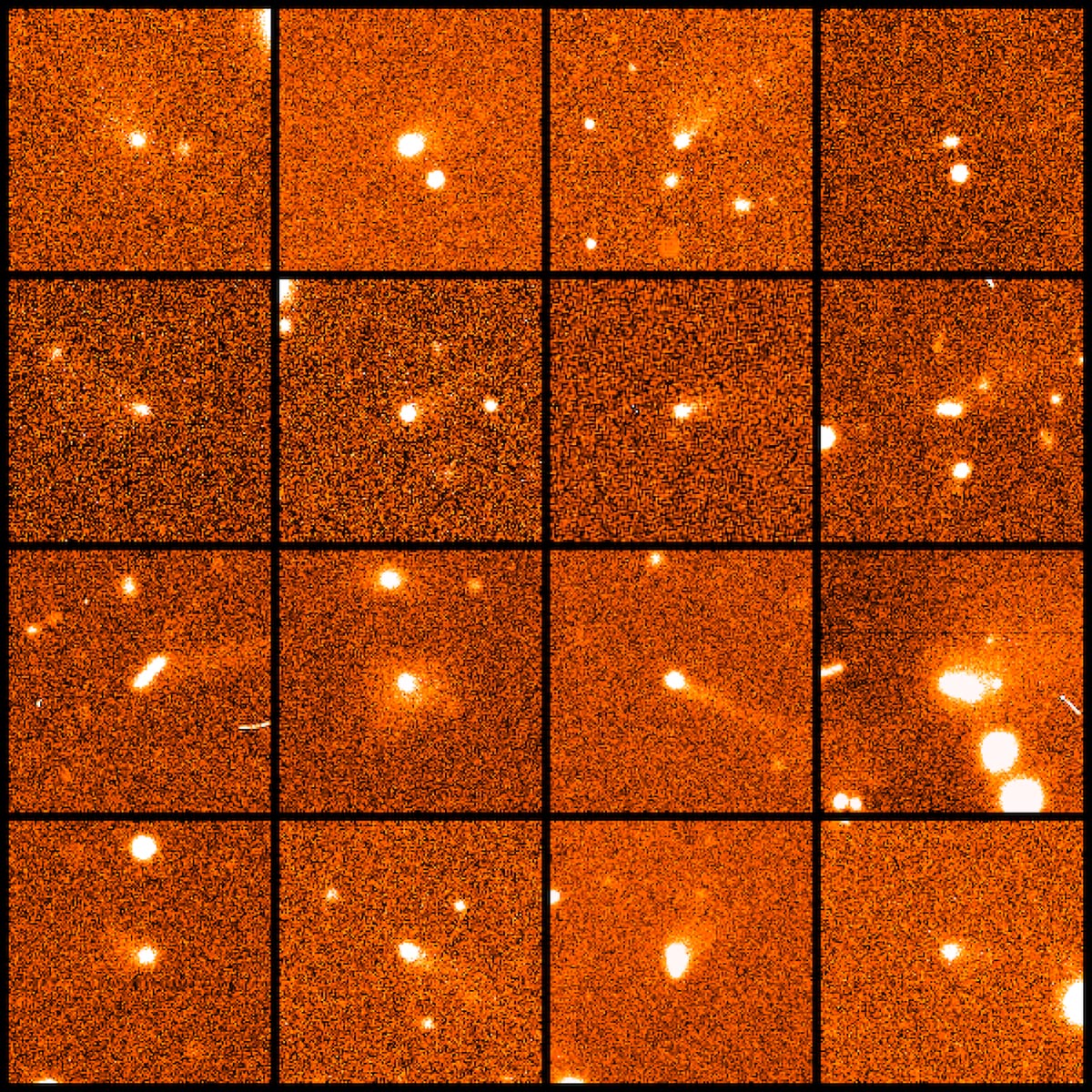
    Active Asteroids Grid
    Credit: Colin Orion Chandler (University of Washington)

    NASA’s project unveils fifteen active asteroids, providing insights into the solar system’s origins and future space exploration potential.

    Some extraordinary asteroids have “activity”—comet-like tails or envelopes of gas and dust. NASA’s Active Asteroids project announced the discovery of activity on fifteen asteroids, challenging conventional wisdom about the solar system.

    To find these fifteen rare objects, more than 8000 volunteers combed through 430,000 images from the Dark Energy Camera (DECam) on the Victor M. Blanco telescope in Chile. A paper about the results, now published in the Astronomical Journal, includes nine volunteers among the co-authors.

    “For an amateur astronomer like me it’s a dream come true.” said volunteer Virgilio Gonano from Udine, Italy. “Congratulations to all the staff and the friends that also check the images!”
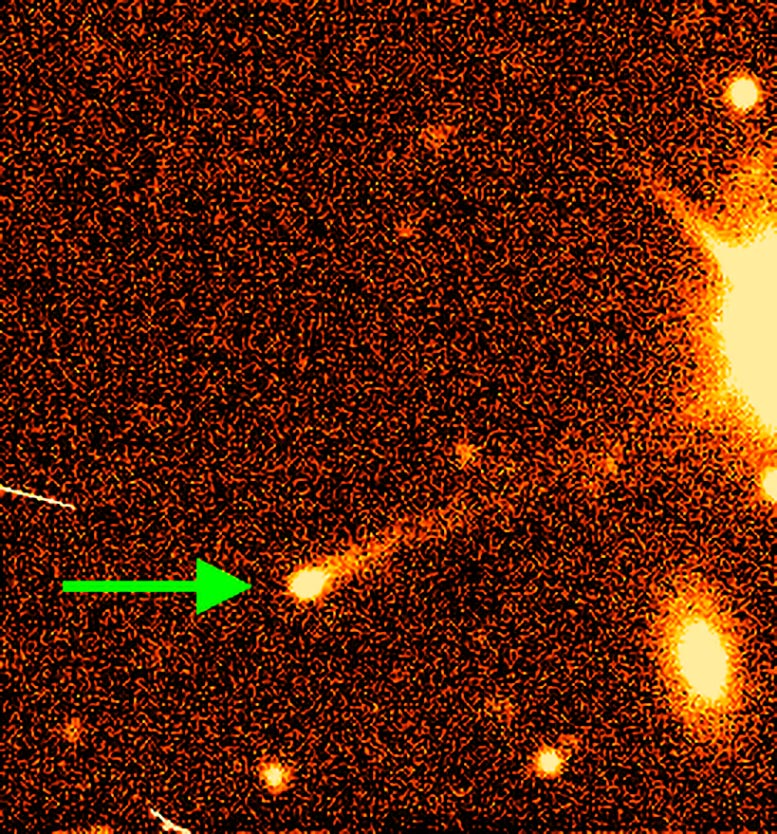
    Active Asteroids
    Volunteers from the NASA’s “Active Asteroids” Citizen Science project identified a comet tail coming from Asteroid 2015 VA108, one of the active asteroids spotted by volunteers from NASA’s “Active Asteroids” Citizen Science project. The object, indicated by the green arrow, orbits entirely within the main asteroid belt (located between Mars and Jupiter), but sports a tail like a comet. Credit: Colin Orion Chandler (University of Washington)

    Studying these rare active asteroids teaches scientists about the formation and evolution of the solar system, including the origins of water here on Earth. These objects may also aid future space exploration because the same ices that cause comet-like tails can power rockets or provide breathable air.

    “I have been a member of the Active Asteroids team since its first batch of data,” said volunteer Tiffany Shaw-Diaz from Dayton, Ohio. “And to say that this project has become a significant part of my life is an understatement. I look forward to classifying subjects each day, as long as time or health permits, and I am beyond honored to work with such esteemed scientists on a regular basis.”

    The Active Asteroids project was founded by Dr. Colin Orion Chandler, a LINCC Frameworks project scientist at the University of Washington and DiRAC Institute. To join the project and help discover the next active asteroid, visit https://www.activeasteroids.net.

    Reference: “The Active Asteroids Citizen Science Program: Overview and First Results” by Colin Orion Chandler, Chadwick A. Trujillo, William J. Oldroyd, Jay K. Kueny, William A. Burris, Henry H. Hsieh, Jarod A. DeSpain, Nima Sedaghat, Scott S. Sheppard, Kennedy A. Farrell, David E. Trilling, Annika Gustafsson, Mark Jesus Mendoza Magbanua, Michele T. Mazzucato, Milton K. D. Bosch, Tiffany Shaw-Diaz, Virgilio Gonano, Al Lamperti, José A. da Silva Campos, Brian L. Goodwin, Ivan A. Terentev, Charles J. A. Dukes and Sam Deen, 14 March 2024, The Astronomical Journal.
    DOI: 10.3847/1538-3881/ad1de2

    Never miss a breakthrough: Join the SciTechDaily newsletter.
    Follow us on Google and Google News.

    Asteroid NASA Popular
    Share. Facebook Twitter Pinterest LinkedIn Email Reddit

    Related Articles

    NASA’s DART Confirmed on Target To Impact Asteroid Dimorphos

    Moon Discovered Around Asteroid Polymele by NASA’s Lucy Team

    Planetary Defense: Study Finds That NASA’s DART Spacecraft Could Obliterate Asteroids

    NASA Finds Some Asteroids Aged Early by Sun – “We Were Surprised”

    Surprise – Again! NASA Spacecraft Reveals Asteroid Bennu Is Not What It Seemed

    Incredible New Maps of Asteroid Psyche Reveal an Ancient World of Metal and Rock

    NASA’s OSIRIS-REx Spacecraft Observes Asteroid Bennu’s Boulder “Body Armor”

    Planetary Defense Exercise Uses Apophis as Hazardous Asteroid Stand-In

    NASA’s OSIRIS-REx Spacecraft To Visit Another Near-Earth Asteroid, Apophis

    Leave A Reply Cancel Reply

    • Facebook
    • Twitter
    • Pinterest
    • YouTube

    Don't Miss a Discovery

    Subscribe for the Latest in Science & Tech!

    Trending News

    Why Popular Diabetes Drugs Like Ozempic Don’t Work for Everyone: The “Genetic Glitch”

    Scientists Stunned After Finding Plant Thought Extinct for 60 Years

    Scientists Discover Tiny New Spider That Hunts Prey 6x Its Size

    Natural Component From Licorice Shows Promise for Treating Inflammatory Bowel Disease

    Scientists Warn: Popular Sweetener Linked to Dangerous Metabolic Effects

    Monster Storms on Jupiter Unleash Lightning Beyond Anything on Earth

    Scientists Create “Liquid Gears” That Spin Without Touching

    The Simple Habit That Could Help Prevent Cancer

    Follow SciTechDaily
    • Facebook
    • Twitter
    • YouTube
    • Pinterest
    • Newsletter
    • RSS
    SciTech News
    • Biology News
    • Chemistry News
    • Earth News
    • Health News
    • Physics News
    • Science News
    • Space News
    • Technology News
    Recent Posts
    • The Atomic Gap That Could Cost the Semiconductor Industry Billions
    • Earth’s Secret Advantage: Why Most Alien Worlds May Be Too Dry for Life
    • Ancient Bacteria Turned a DNA System Into a Cell Skeleton
    • Researchers Finally Solve 50-Year-Old Blood Group Mystery
    • Scientists Discover “Molecular Switch” That Fuels Alzheimer’s Brain Inflammation
    Copyright © 1998 - 2026 SciTechDaily. All Rights Reserved.
    • Science News
    • About
    • Contact
    • Editorial Board
    • Privacy Policy
    • Terms of Use

    Type above and press Enter to search. Press Esc to cancel.