
Close Menu
    Facebook X (Twitter) Instagram
    SciTechDaily
    • Biology
    • Chemistry
    • Earth
    • Health
    • Physics
    • Science
    • Space
    • Technology
    Facebook X (Twitter) Pinterest YouTube RSS
    SciTechDaily
    Home»Biology»A New Way to Attack Malarial Parasites in Blood Cells
    Biology

    A New Way to Attack Malarial Parasites in Blood Cells

    By Bill Hathaway, Yale UniversitySeptember 8, 2015No Comments1 Min Read
    Facebook Twitter Pinterest Telegram LinkedIn WhatsApp Email Reddit
    Share
    Facebook Twitter LinkedIn Pinterest Telegram Email Reddit
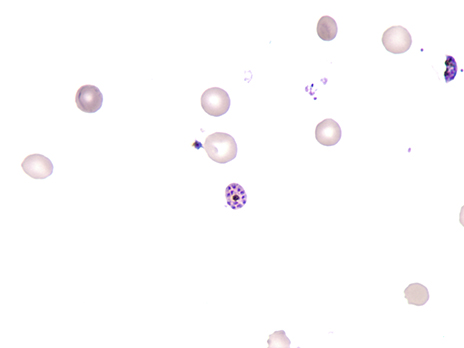
    A New Way to Attack Malarial Parasite in Blood Cells
    Researchers have found a new way to slow the development of malarial parasites within blood cells they infect.

    Researchers from Yale University detail a new way to attack malarial parasites in blood cells.

    Yale University researchers have found a new way to slow the development of malarial parasites within blood cells they infect, even in some drug-resistant strains that are on the rise in many parts of the world.

    Malarial parasites are transmitted to humans by some species of mosquitoes that feed on blood. Almost 2 million people annually are sickened by malaria and more than 600,000 die.

    “Drug-resistant strains are becoming a very serious problem in places like Southeast Asia,” said Yale professor Sidney Altman, a Nobel laureate and senior author of the study.

    Altman’s lab identified a way to easily modify genes of the malaria parasite P. falciparum to interfere with the development of the parasite within blood cells, which the organisms destroy, causing severe anemia. The technique slowed the development of parasites even in strains resistant to two common forms of drug treatment.

    The work appears in the journal Proceedings of the National Academy of Science the week of September 7.

    Never miss a breakthrough: Join the SciTechDaily newsletter.
    Follow us on Google and Google News.

    Cell Biology Disease Malaria Mosquito Yale University
    Share. Facebook Twitter Pinterest LinkedIn Email Reddit

    Related Articles

    Yale Study Shows Protein IL-18 Contributes to Colitis

    How Genetic Defects in Myelin Formation Cause White Matter Diseases

    Biologists Identify a New Approach to Cancer Immunotherapy

    New Research Details Why Typhoid Toxin Targets Only Humans

    New Research Changes the View about the Genetics of Leukemia Risk

    Researchers Solve Biological Mystery about the Common Genesis of Many Serious Diseases

    Optogenetics Regulates Metabolic Activity in the Membranes of Cells

    Transgenic Mosquitoes Can’t Transmit Malaria

    Genetically Modified Mosquitoes to Fight Diseases

    Leave A Reply Cancel Reply

    • Facebook
    • Twitter
    • Pinterest
    • YouTube

    Don't Miss a Discovery

    Subscribe for the Latest in Science & Tech!

    Trending News

    Popular Weight-Loss Drugs Like Ozempic Linked to Lower Breast Cancer Risk

    AI Learned the Rules of the Universe and That Became a Problem

    Scientists Found a Hidden Brain Signal That Predicts Social Behavior

    Even GPT-5 Failed This Human Attention Test

    Scientists Discover a Biological Clock Unlike Anything Seen Before

    The Brain May Not Need Full Sleep To Recover, New Research Finds

    Your Gut Microbes May Decide How Many Calories You Really Absorb

    Millions Take This Joint Supplement but Scientists Found a Concerning Alzheimer’s Link

    Follow SciTechDaily
    • Facebook
    • Twitter
    • YouTube
    • Pinterest
    • Newsletter
    • RSS
    SciTech News
    • Biology News
    • Chemistry News
    • Earth News
    • Health News
    • Physics News
    • Science News
    • Space News
    • Technology News
    Recent Posts
    • Scientists Discovered a Fly That Sheds Its Wings and Sacrifices Its Sight
    • Researchers Capture the First Atomic-Level Images of a Critical Human DNA Repair Enzyme
    • Scientists Just Discovered a Cellular Survival System That Was Never Supposed To Exist
    • Scientists Discover Brain-Protecting Peptide That Could Change Parkinson’s Treatment
    • This Copper Drug Clears Alzheimer’s Brain Toxins and Boosts Memory
    Copyright © 1998 - 2026 SciTechDaily. All Rights Reserved.
    • Science News
    • About
    • Contact
    • Editorial Board
    • Privacy Policy
    • Terms of Use

    Type above and press Enter to search. Press Esc to cancel.