
Close Menu
    Facebook X (Twitter) Instagram
    SciTechDaily
    • Biology
    • Chemistry
    • Earth
    • Health
    • Physics
    • Science
    • Space
    • Technology
    Facebook X (Twitter) Pinterest YouTube RSS
    SciTechDaily
    Home»Space»This Week @NASA: Practicing Artemis Moonwalks, VIPER Moon Rover Test, Dawn of a Sun-Like Star
    Space

    This Week @NASA: Practicing Artemis Moonwalks, VIPER Moon Rover Test, Dawn of a Sun-Like Star

    By NASAMay 19, 2024No Comments3 Mins Read
    Facebook Twitter Pinterest Telegram LinkedIn WhatsApp Email Reddit
    Share
    Facebook Twitter LinkedIn Pinterest Telegram Email Reddit
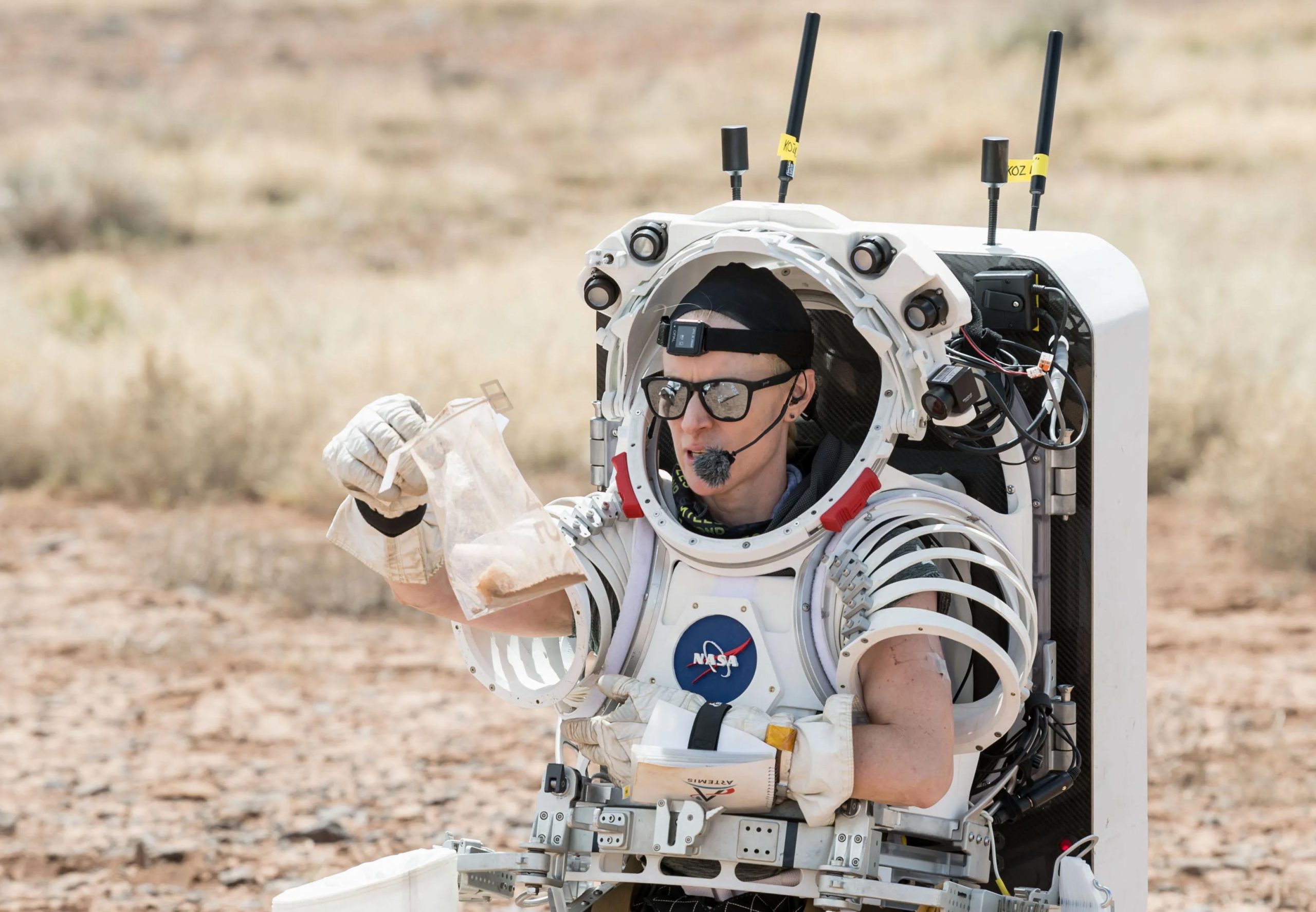
    NASA Astronaut Kate Rubins Observes Geology Sample
    NASA astronaut Kate Rubins observes a geology sample she collected during a simulated moonwalk. Credit: NASA/Josh Valcarcel

    Practicing Artemis Moonwalks in the desert…

    A developmental milestone for NASA’s lunar-roving robot…

    And previewing NASA’s new polar climate mission…

    A few of the stories to tell you about – This Week at NASA!

    Practicing Artemis Moonwalk Activities in the Arizona Desert

    In preparation for Artemis missions on the Moon, NASA conducted a week-long field test near Flagstaff, Arizona.

    With flight controllers and scientists monitoring activities from the Johnson Space Center in Houston, a field team, including NASA astronauts Kate Rubins and Andre Douglas, practiced moonwalk scenarios, performed technology demonstrations, and conducted hardware checkouts and other Artemis science-related operations.

    This was the highest fidelity Artemis moonwalk mission simulation the team has performed to date.
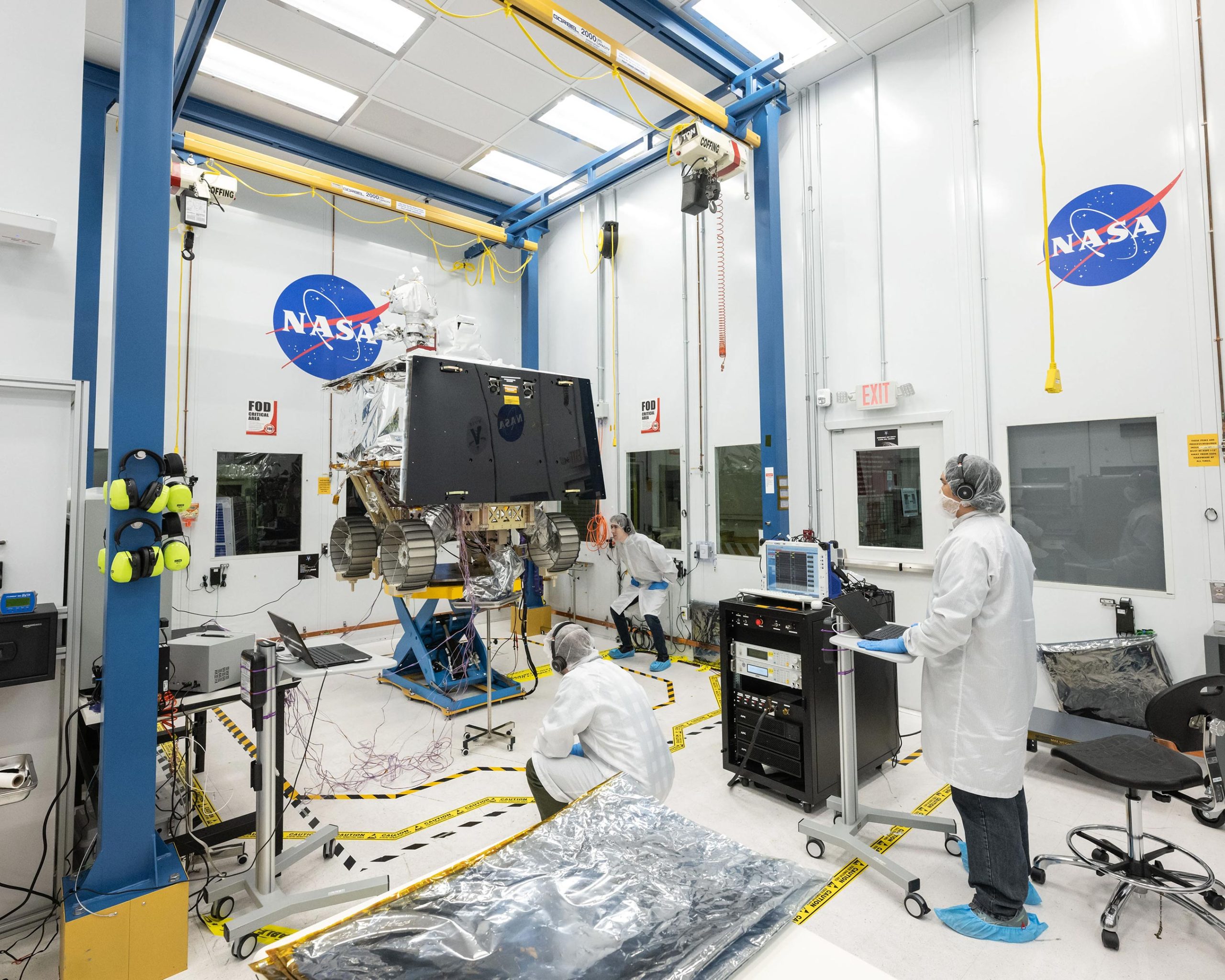
    Engineers Test the VIPER Rover’s Wheels
    Engineers test the VIPER rover’s wheel movement and rotation in a clean room at NASA’s Johnson Space Center in Houston. Credit: NASA/Helen Arase Vargas

    VIPER Rover Approved for Environmental Testing

    The team building NASA’s VIPER lunar rover recently passed a System Test Readiness Review – clearing the team to begin environmental testing of the rover. The environmental tests will simulate the extreme conditions the rover will see during launch and landing, as well as replicate the harsh environmental conditions it will experience at the lunar South Pole region.

    VIPER will search the Moon for ice and other potential resources ahead of future Artemis astronaut missions to the lunar surface.
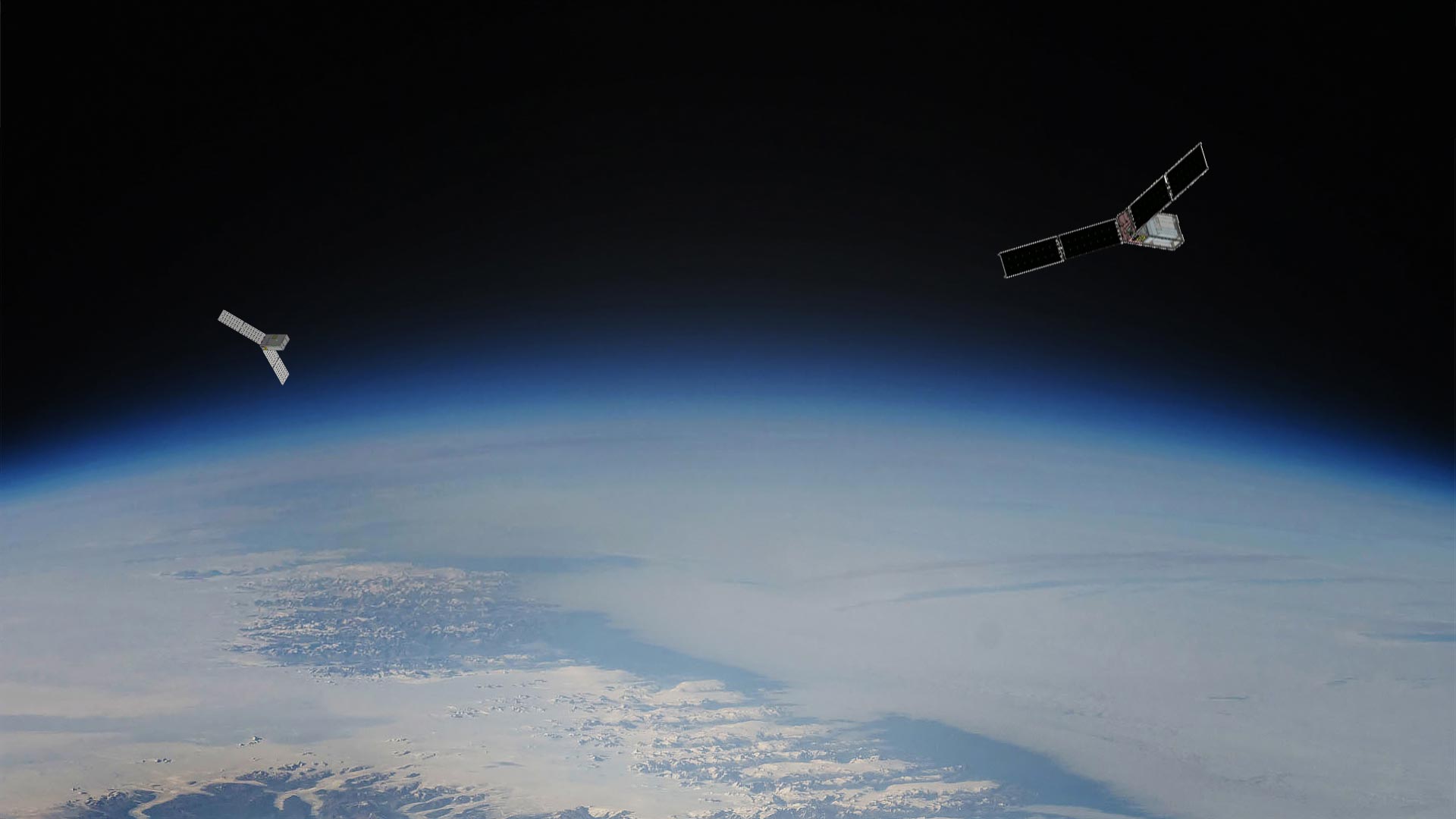
    PREFIRE Satellite Illustration
    The PREFIRE (Polar Radiant Energy in the Far-InfraRed Experiment) mission will send two CubeSats – shown as an artist’s concept against an image of Earth from orbit – into space to study how much heat the planet absorbs and emits from its polar regions, including the Arctic and Antarctica. Credit: NASA/JPL-Caltech

    Previewing NASA’s New Polar Climate Mission

    NASA’s PREFIRE mission – short for Polar Radiant Energy in the Far-InfraRed Experiment – aims to improve life on Earth by studying heat loss from our polar regions and by providing information on our changing climate.

    Much of our planet’s polar heat loss is in far-infrared wavelengths and has never been systematically measured. The first of the mission’s two shoebox-sized satellites is targeted to launch no earlier than May 22.
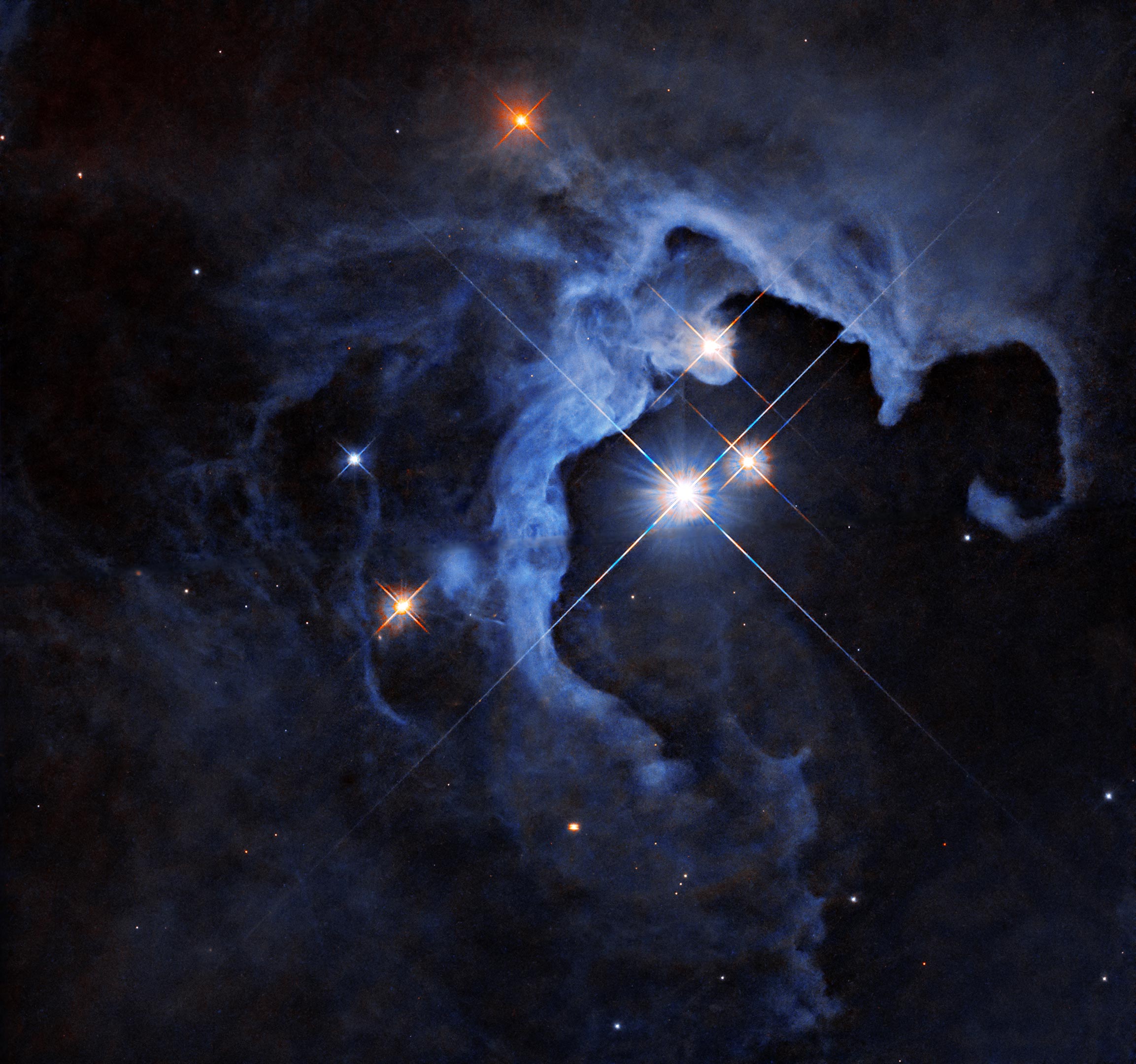
    HP Tau Dawn of a Sun-Like Star
    This NASA Hubble Space Telescope image captures a triple-star star system. Credit: NASA, ESA, G. Duchene (Universite de Grenoble I); Image Processing: Gladys Kober (NASA/Catholic University of America)

    Hubble Views the Dawn of a Sun-Like Star

    This new image from NASA’s Hubble Space Telescope shows a triple-star system located about 550 light-years away in the constellation Taurus.

    One of the stars – called HP Tau – is a type of young variable star that hasn’t begun nuclear fusion yet but is beginning to evolve into a hydrogen-fueled star like our Sun. This type of star tends to be younger than our Sun is around 4.6 billion years old.

    That’s what’s up this week @NASA!

    Never miss a breakthrough: Join the SciTechDaily newsletter.
    Follow us on Google and Google News.

    NASA
    Share. Facebook Twitter Pinterest LinkedIn Email Reddit

    Related Articles

    Scientists Just Tested a Thruster Powerful Enough for Human Missions to Mars

    NASA’s Hubble Accidentally Witnesses a Comet Shattering in Space

    NASA’s Roman Space Telescope Could Finally Find the Milky Way’s Missing Neutron Stars

    NASA’s Psyche Spacecraft Is About To Fly Shockingly Close to Mars

    This Mars Rock Refused To Let Go of NASA’s Curiosity Rover

    Blue Origin’s New Moon Lander Passes a Crucial Test for NASA Missions

    NASA Fires Up Record-Breaking Plasma Thruster for Future Mars Missions

    Artemis II Just Proved NASA Is Closer Than Ever to Returning to the Moon

    Splashdown! NASA Artemis II Returns From Record-Breaking Moon Mission

    Leave A Reply Cancel Reply

    • Facebook
    • Twitter
    • Pinterest
    • YouTube

    Don't Miss a Discovery

    Subscribe for the Latest in Science & Tech!

    Trending News

    Mushroom Mystery: The Fungus That Makes People See Tiny Humans

    Popular Erectile Dysfunction Drug Linked to Vision-Threatening Eye Disease

    Scientists Find a Smarter Way To Turn Used Coffee Grounds Into Clean Fuel

    Did Cellular Life Begin Twice? New Study Points to Two Independent Origins

    Sitting Up Straight Could Actually Help You Make Better Decisions

    Never-Before-Seen Vortices Are Swirling Across the Sun

    This Common Amino Acid May Help the Body Fight Cancer and Viruses

    Low-Protein “Longevity Diet” Linked to Fat Loss, Muscle Preservation, and Healthy Aging

    Follow SciTechDaily
    • Facebook
    • Twitter
    • YouTube
    • Pinterest
    • Newsletter
    • RSS
    SciTech News
    • Biology News
    • Chemistry News
    • Earth News
    • Health News
    • Physics News
    • Science News
    • Space News
    • Technology News
    Recent Posts
    • Scientists Steer Infrared Light Through an “Invisible” Waveguide
    • Electrons Mysteriously Slow to a Crawl Inside This Magnetic Material
    • “Entirely Surprising” – Scientists Have Found a Martian Meteorite Unlike Any Known Before
    • Cancer Stem Cells Have an “Energy Addiction” – and Scientists Found a Way To Exploit It
    • Scientists Say This Simple Habit Could Lead to a Happier Marriage
    Copyright © 1998 - 2026 SciTechDaily. All Rights Reserved.
    • Science News
    • About
    • Contact
    • Editorial Board
    • Privacy Policy
    • Terms of Use

    Type above and press Enter to search. Press Esc to cancel.