
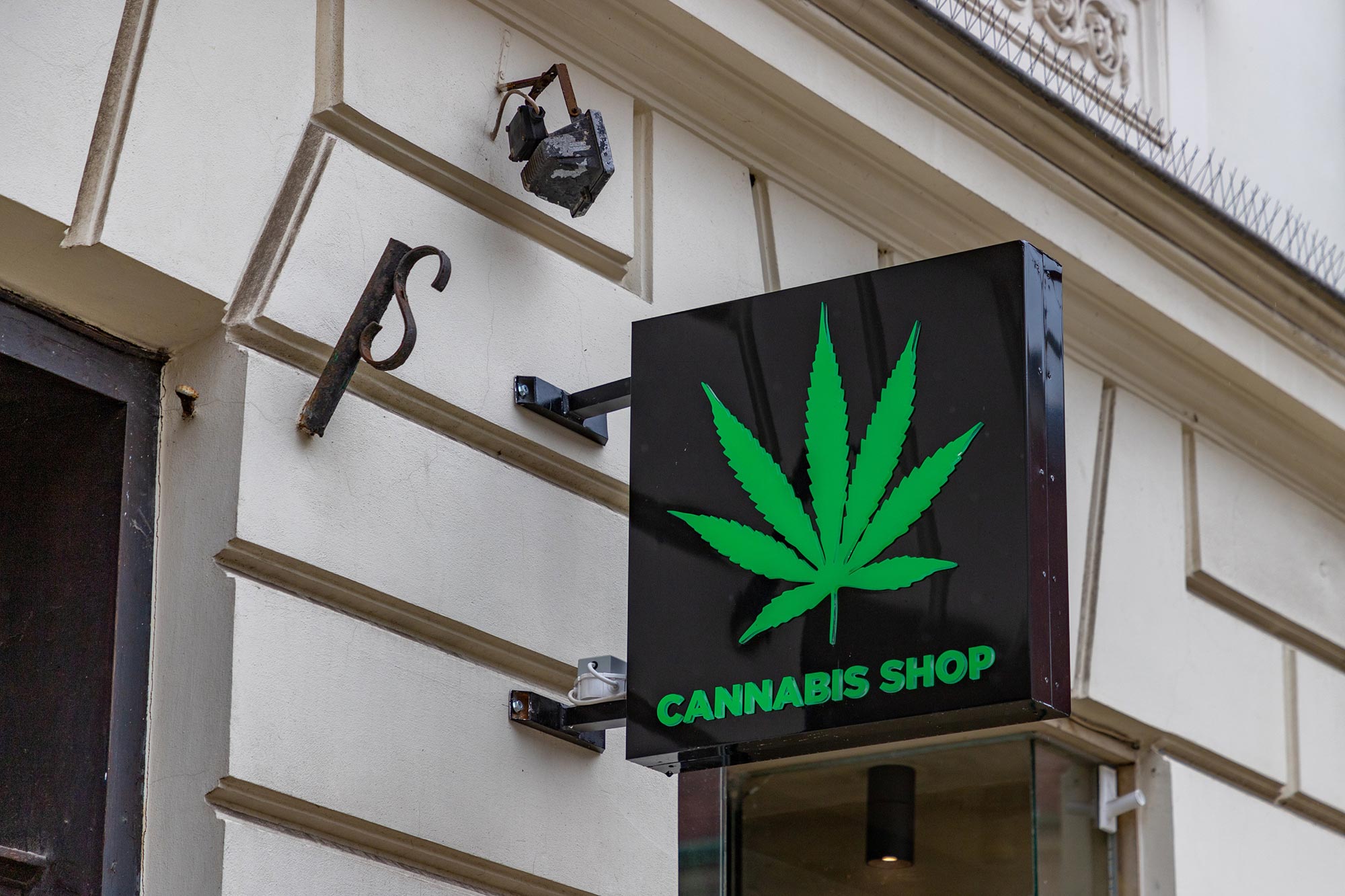
Cannabis and hallucinogen use among adults remained at historic highs in 2023. Vaping among younger adults and binge drinking among mid-life adults also maintained historically high levels.
The 2023 Monitoring the Future survey revealed sustained high levels of cannabis and hallucinogen use among adults, with emerging trends such as increased vaping and shifting gender dynamics in drug consumption. Alcohol use varied, with younger adults drinking less heavily than before, highlighting changing preferences and concerns over time.
Current Substance Use Trends Among Adults
Past-year use of cannabis and hallucinogens stayed at historically high levels in 2023 among adults aged 19 to 30 and 35 to 50, according to the latest findings from the Monitoring the Future survey. In contrast, past-year use of cigarettes remained at historically low levels in both adult groups. Past-month and daily alcohol use continued a decade-long decline among those 19 to 30 years old, with binge drinking reaching all-time lows. However, among 35- to 50-year-olds, the prevalence of binge drinking in 2023 increased from five and 10 years ago. The Monitoring the Future study is conducted by scientists at the University of Michigan’s Institute for Social Research, Ann Arbor, and is funded by the National Institutes of Health.
Reports of vaping nicotine or vaping cannabis in the past year among adults 19 to 30 rose over five years, and both trends remained at record highs in 2023. Among adults 35 to 50, the prevalences of nicotine vaping and of cannabis vaping stayed steady from the year before, with long-term (five and 10 year) trends not yet observable in this age group as this question was added to the survey for this age group in 2019.
For the first time in 2023, 19- to 30-year-old female respondents reported a higher prevalence of past-year cannabis use than male respondents in the same age group, reflecting a reversal of the gap between sexes. Conversely, male respondents 35 to 50 years old maintained a higher prevalence of past-year cannabis use than female respondents of the same age group, consistent with what’s been observed for the past decade.
Insights From the Monitoring the Future Study
“We have seen that people at different stages of adulthood are trending toward use of drugs like cannabis and psychedelics and away from tobacco cigarettes,” said Nora D. Volkow, M.D., director of NIH’s National Institute on Drug Abuse (NIDA). “These findings underscore the urgent need for rigorous research on the potential risks and benefits of cannabis and hallucinogens – especially as new products continue to emerge.”
Since 1975, the Monitoring the Future study has annually surveyed substance use behaviors and attitudes among a nationally representative sample of teens. A longitudinal panel study component of Monitoring the Future conducts follow-up surveys on a subset of these participants (now totaling approximately 20,000 people per year), collecting data from individuals every other year from ages 19 to 30 and every five years after the participants turn 30 to track their drug use through adulthood. Participants self-report their drug use behaviors across various time periods, including lifetime, past year (12 months), past month (30 days), and other use frequencies depending on the substance type. Data for the 2023 panel study were collected via online and paper surveys from April 2023 through October 2023.
Full data summaries and data tables showing the trends below, including breakdowns by substance, are available in the report. Key findings include:
Cannabis use in the past year and past month remained at historically high levels for both adult age groups in 2023. Among adults 19 to 30 years old, approximately 42% reported cannabis use in the past year, 29% in the past month, and 10% daily use (use on 20 or more occasions in the past 30 days). Among adults 35 to 50, reports of use reached 29%, 19%, and 8%, respectively. While these 2023 estimates are not statistically different from those of 2022, they do reflect five- and 10-year increases for both age groups.
Cannabis vaping in the past year and past month was reported by 22% and 14% of adults 19 to 30, respectively, and by 9% and 6% of adults 35 to 50 in 2023. For the younger group, these numbers represent all-time study highs and an increase from five years ago.
Nicotine vaping among adults 19 to 30 maintained historic highs in 2023. Reports of past-year and past-month vaping of nicotine reached 25% and 19%, respectively. These percentages represent an increase from five years ago, but not from one year ago. For adults 35 to 50, the prevalence of vaping nicotine remained steady from the year before (2022), with 7% and 5% reporting past-year and past-month use.
Hallucinogen use in the past year continued a five-year steep incline for both adult groups, reaching 9% for adults 19 to 30 and 4% for adults 35 to 50 in 2023. Types of hallucinogens reported by participants included LSD, mescaline, peyote, shrooms or psilocybin, and PCP.
Alcohol remains the most used substance reported among adults in the study. Past-year alcohol use among adults 19 to 30 has showed a slight upward trend over the past five years, with 84% reporting use in 2023. However, past month drinking (65%), daily drinking (4%), and binge drinking (27%) all remained at study lows in 2023 among adults 19 to 30. These numbers have decreased from 10 years ago. Past-month drinking and binge drinking (having five or more drinks in a row in the past two week period) decreased significantly from the year before for this age group (down from 68% for past month and 31% for binge drinking reported in 2022).
Around 84% of adults 35 to 50 reported past-year alcohol use in 2023, which has not significantly changed from the year before or the past five or 10 years. Past-month alcohol use and binge drinking have slightly increased over the past 10 years for this age group; in 2023, past-month alcohol use was at 69% and binge drinking was at 27%. Daily drinking has decreased in this group over the past five years and was at its lowest level ever recorded in 2023 (8%).
Additional data: In 2023, past-month cigarette smoking, past-year nonmedical use of prescription drugs, and past-year use of opioid medications (surveyed as “narcotics other than heroin”) maintained five- and 10-year declines for both adult groups. Among adults 19 to 30 years old, past-year use of stimulants (surveyed as “amphetamines”) has decreased for the past decade, whereas for adults 35 to 50, past-year stimulant use has been modestly increasing over 10 years. Additional data include drug use reported by college/non-college young adults and among various demographic subgroups, including sex and gender and race and ethnicity.
The 2023 survey year was the first time a cohort from the Monitoring the Future study reached 65 years of age; therefore, trends for the 55- to 65-year-old age group are not yet available.
“The data from 2023 did not show us many significant changes from the year before, but the power of surveys such as Monitoring the Future is to see the ebb and flow of various substance use trends over the longer term,” said Megan Patrick, Ph.D., of the University of Michigan and principal investigator of the Monitoring the Future panel study. “As more and more of our original cohorts – first recruited as teens – now enter later adulthood, we will be able to examine the patterns and effects of drug use throughout the life course. In the coming years, this study will provide crucial data on substance use trends and health consequences among older populations, when people may be entering retirement and other new chapters of their lives.”
View more information on data collection methods for the Monitoring the Future panel study and how the survey adjusts for the effects of potential exclusions in the report. Results from the related 2023 Monitoring the Future study of substance use behaviors and related attitudes among teens in the United States were released in December 2023, and 2024 results are upcoming in December 2024.
If you or someone you know is struggling or in crisis, help is available. Call or text 988 or chat at 988lifeline.org. To learn how to get support for mental health, drug or alcohol conditions visit FindSupport.gov. If you are ready to locate a treatment facility or provider, you can go directly to FindTreatment.gov or call 800-662-HELP (4357).
Never miss a breakthrough: Join the SciTechDaily newsletter.
Follow us on Google and Google News.
2 Comments
Another great example of how ignoring a kind of nearly subclinical non-IgE-mediated food (minimally) allergy reaction identified, studied and reported on by Dr. Arthur F. Coca by 1935 in conjunction with the expanding use of officially (FDA in the US) approved food poisoning (e.g., added MSG, 1980, minimally) caused mild chronic illness and excessive related/resultant medical errors that make people feel bad can turn quality research into nonsensical drivel. But, then, I’m only eighty years old and not regularly using any feel good drugs, legal or illegal, so what would I know about feeling bad?
Saw this article on the Instapundit site. Love Instapundit and go there every day – but their nostalgia for the Drug Wars – well one of their hobbyhorses. The drug that has caused me to lose some very dear people in my life was alcohol. Yep, alcohol is a drug. Saw people I loved drink themselves to death. But I don’t want to reenact Prohibition. So bottom line. Drugs are indeed bad – don’t do drugs. If one does ‘drugs’ every day, they are fools, it cost a lot of money, and the drugs don’t work anymore. Don’t become a drug addict. It’s not remotely fun, it is a hard relentless job that you have to do 24/7 – you never get a vacation. And if you suffer from schizophrenia, please stay away from cannabis – but cannabis does not cause schizophrenia. And spare us the made up malarky such as ‘Cannabis Use Disorder.’ And a link between cannabis use and youth suicide? Boy, do they have the causal arrow wrong – people who are likely to commit suicide may indeed use cannabis more. And this article above – that I just read – they are trying to sell things. And never forget the iron law of drugs – “The prohibition of drugs always leads to stronger drugs.’ Why do you think that horrible thing called Fentanyl is so prevalent now. But I get it, we have to do away with our southern border – right. Don’t do drugs. Back in the day during the drug wars – they told the youth that if one did drugs it would kill them. But if you are over say 70 – that does not work anymore. So please, do everything practicable and prudent to reduce all drug use (including alcohol) – but spare us all the hyperbole.