
Close Menu
    Facebook X (Twitter) Instagram
    SciTechDaily
    • Biology
    • Chemistry
    • Earth
    • Health
    • Physics
    • Science
    • Space
    • Technology
    Facebook X (Twitter) Pinterest YouTube RSS
    SciTechDaily
    Home»Health»Potency Confusion as Few Consumers Understand THC Levels in Cannabis Edibles
    Health

    Potency Confusion as Few Consumers Understand THC Levels in Cannabis Edibles

    By University of WaterlooFebruary 7, 2020No Comments3 Mins Read
    Facebook Twitter Pinterest Telegram LinkedIn WhatsApp Email Reddit
    Share
    Facebook Twitter LinkedIn Pinterest Telegram Email Reddit
    THC Levels Cannabis Edibles
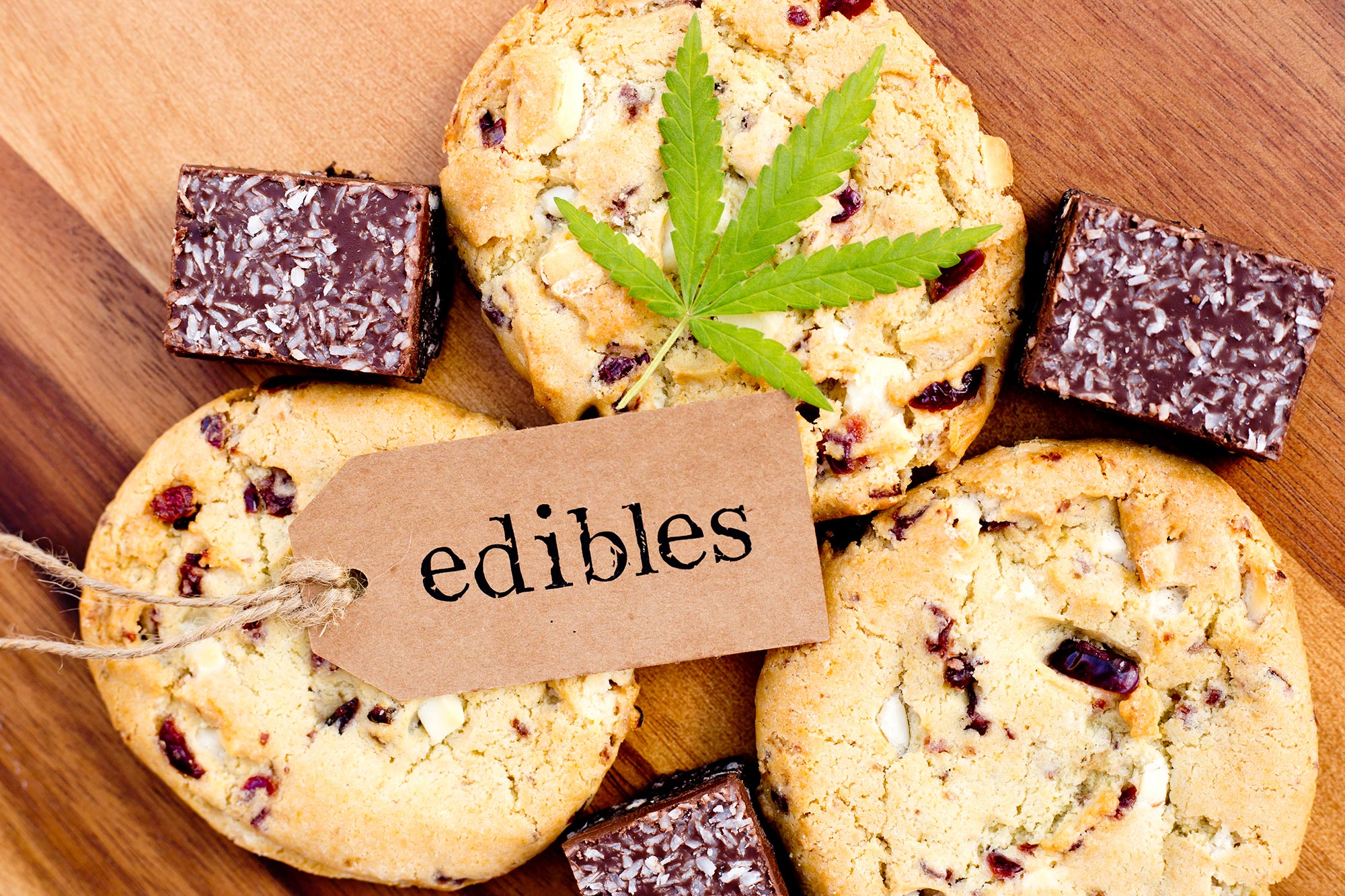
    Most cannabis consumers do not understand what the THC numbers on packages of cannabis edibles really mean.

    Few cannabis consumers understand what the THC numbers on packages of cannabis edibles really mean, according to a new University of Waterloo study.

    The study, which surveyed nearly 1,000 Canadians aged 16 to 30, found that most consumers could not identify whether a cannabis edible contained ‘low’ or ‘high’ levels of THC based on the label.

    The researchers also found that descriptive information, such as symbols and words, are more effective in helping consumers understand THC potency and approximate serving sizes for cannabis products.

    “Using THC numbers to express potency of cannabis products has little or no meaning to most young Canadians,” said David Hammond of Waterloo’s School of Public Health and Health Systems. “We’ve known for many years that people struggle to understand the numbers on the back of food packages and cigarette packages. Consumers seem to have equal or even more difficulty with THC numbers, which are used to indicate the potency of cannabis products.”

    He added, “Effective THC labeling and packaging could help reduce accidental over-consumption of cannabis edibles and adverse events, which have increased in jurisdictions that have legalized recreational cannabis.”

    Health Canada currently requires cannabis packages to list the ingredients, product type, potency, and other essential information, including weight in grams, and percentage of THC (or CBD, depending on the product), but not symbols or intuitive labeling on THC levels.

    The researchers conducted two experiments with 870 Canadians aged 16-30 in 2017: The first investigated whether consumers could understand how many servings there were in a package, and the second examined if consumers could identify how potent the product was.

    The study found approximately 6 percent of consumers could correctly identify serving size on products that had no label, or only listed the weight. Seventy-seven percent could identify the serving when the dosage was listed.

    The study also found that a ‘traffic light’ system, which uses traffic light colors to indicate potency, allowed two-thirds of respondents to identify products with high levels of THC, compared to 33 percent of respondents who only used numerical THC information.

    In 2018, Statistics Canada found that 32 percent of cannabis users consumed edibles.

    “New regulations that limit cannabis edibles to a maximum of 10 mg per package are particularly important given that most consumers do not understand THC numbers,” Hammond said. “However, the findings suggest that consumers will need easier-to-understand THC information for other products, including oils, concentrates, and dried flower.”

    The study, “Cannabis labelling and consumer understanding of THC levels and serving sizes,” was published in the Journal of Drug and Alcohol Dependence, and co-authored by Cesar Leos-Toro, Geoffrey Fong, Samantha Meyer and David Hammond, all at the University of Waterloo.

    Reference: “Cannabis labelling and consumer understanding of THC levels and serving sizes” by Cesar Leos-Toro, Geoffrey T. Fong, Samantha B. Meyer and David Hammond, 7 February 2020, Journal of Drug and Alcohol Dependence.
    DOI: 10.1016/j.drugalcdep.2020.107843

    Never miss a breakthrough: Join the SciTechDaily newsletter.
    Follow us on Google and Google News.

    Addiction Cannabis Marijuana Public Health University of Waterloo
    Share. Facebook Twitter Pinterest LinkedIn Email Reddit

    Related Articles

    Marijuana Use Typically Drops at the Beginning of Each Year, Then Climbs in Summer and Fall

    Data From Over 80,000 Samples Shows Cannabis Strength Soared Over Past 50 Years

    Marijuana Concentrates Boost THC Levels but Not Impairment – Mobile Lab Offers First Glimpse of Real-World Use

    More Than 90% of Legal Marijuana Products Too Strong for Chronic Pain Relief

    Greater Risk for Cannabis Use Disorder Among Adults With Chronic Pain

    Parental Marijuana Use Is Associated With Greater Likelihood of Kids’ Substance Use

    Study Finds No Evidence to Suggest Cannabis Helps Patients Stop Using Opioids

    Study Examines Opioid & Cocaine Use by Profession – Most Likely to Use “Makes Sense”

    Medical Marijuana Research Shows Promise in Lessening Opioid Use & Abuse

    Leave A Reply Cancel Reply

    • Facebook
    • Twitter
    • Pinterest
    • YouTube

    Don't Miss a Discovery

    Subscribe for the Latest in Science & Tech!

    Trending News

    AI Could Detect Early Signs of Alzheimer’s in Under a Minute – Far Before Traditional Tests

    What if Dark Matter Has Two Forms? Bold New Hypothesis Could Explain a Cosmic Mystery

    This Metal Melts in Your Hand – and Scientists Just Discovered Something Strange

    Beef vs. Chicken: Surprising Results From New Prediabetes Study

    Alzheimer’s Breakthrough: Scientists Discover Key Protein May Prevent Toxic Protein Clumps in the Brain

    Quantum Reality Gets Stranger: Physicists Put a Lump of Metal in Two Places at Once

    Scientists May Have Found the Key to Jupiter and Saturn’s Moon Mystery

    Scientists Uncover Brain Changes That Link Pain to Depression

    Follow SciTechDaily
    • Facebook
    • Twitter
    • YouTube
    • Pinterest
    • Newsletter
    • RSS
    SciTech News
    • Biology News
    • Chemistry News
    • Earth News
    • Health News
    • Physics News
    • Science News
    • Space News
    • Technology News
    Recent Posts
    • Scientists Discover Enzyme That Could Supercharge Ozempic-Like Weight Loss Drugs
    • Asthma and Depression Don’t Mix the Way Scientists Expected
    • Why Promising Cancer Drugs Failed: Scientists Uncover the Missing Piece
    • Popular Sweetener Linked to DNA Damage – “It’s Something You Should Not Be Eating”
    • Ancient “Rock” Microbes May Reveal How Complex Life Began
    Copyright © 1998 - 2026 SciTechDaily. All Rights Reserved.
    • Science News
    • About
    • Contact
    • Editorial Board
    • Privacy Policy
    • Terms of Use

    Type above and press Enter to search. Press Esc to cancel.